
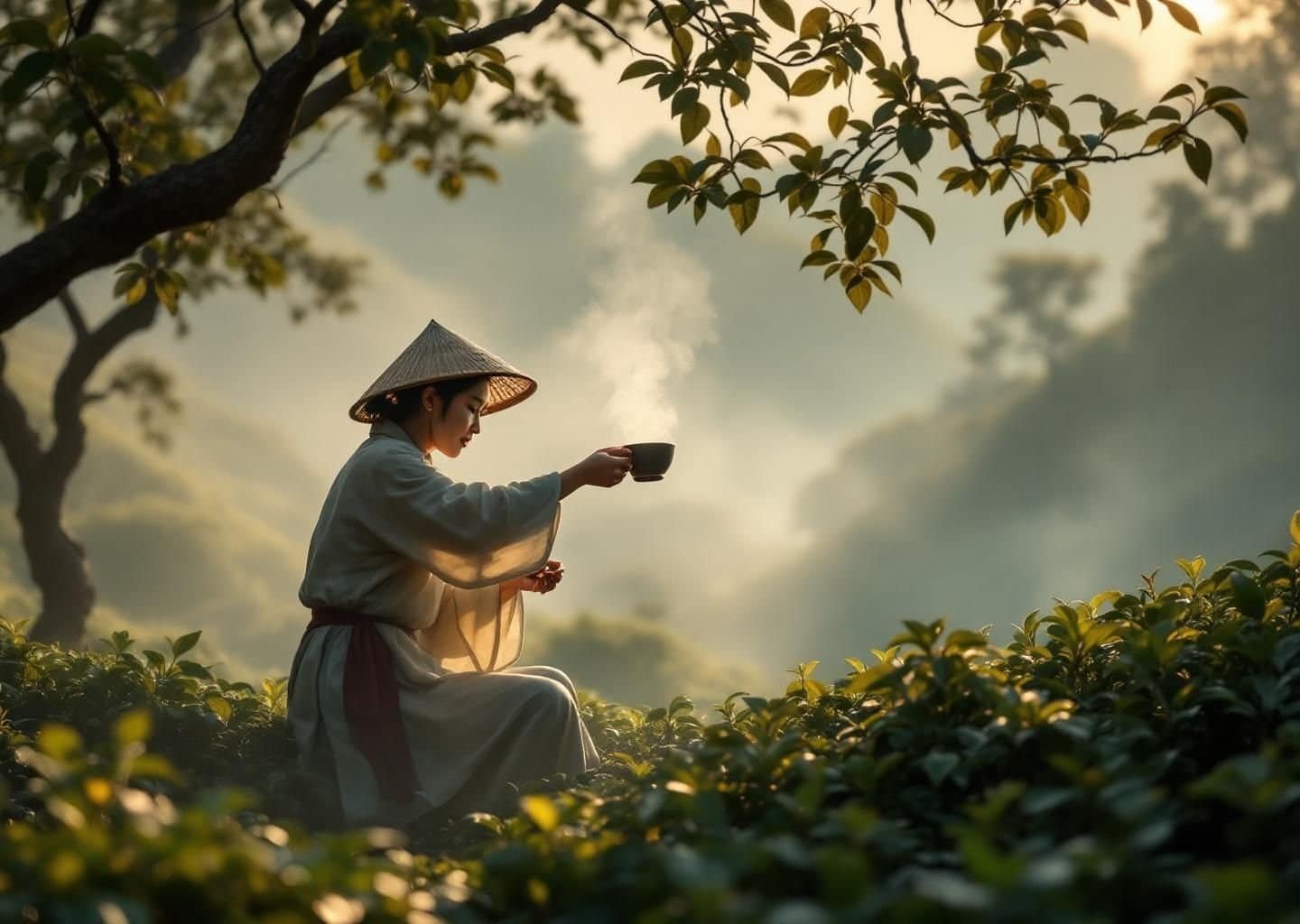
The Ancient Tea Horse Road is one of the most legendary trade routes in Asia, stretching over 1,000 kilometers from Yunnan Province through the Himalayas and into Tibet. For more than a thousand years, this rugged mountain path was the primary corridor for transporting tea, particularly the fermented Pu-erh teas of Yunnan, to the high-altitude regions of Tibet where it became a dietary staple. Today, adventurous travelers can trek portions of this historic route, walking through ancient tea forests, visiting remote minority villages, and experiencing a way of life that has remained largely unchanged for centuries.
History of the Tea Horse Road
The Tea Horse Road, known in Chinese as Cha Ma Gu Dao, originated during the Tang Dynasty (618–907 CE) and reached its zenith during the Song and Ming dynasties. Unlike the Silk Road, which traversed deserts and plains, the Tea Horse Road carved its way through some of the most challenging terrain on Earth — steep mountain passes, raging rivers, and dense subtropical forests.
The trade was born from necessity. Tibetans needed tea to supplement their diet of yak meat, butter, and barley, while the Chinese empire required strong Tibetan war horses for its military campaigns. This mutual dependency created a vibrant trade network that connected diverse ethnic groups including the Han Chinese, Tibetans, Bai, Naxi, Yi, and the tea-cultivating Bulang and Dai peoples of southern Yunnan.
Trekking Routes and Base Towns
Modern trekkers typically focus on the Yunnan section of the route, where well-preserved trails, historic tea villages, and accessible infrastructure make multi-day trekking feasible. The most popular starting points are the towns of Menghai, Jingmai, and Xishuangbanna in southern Yunnan.
Menghai serves as the gateway to the Bulang and Hani tea mountains, where ancient tea trees — some estimated to be over 1,000 years old — still produce the raw material for premium Pu-erh. From Menghai, guided treks lead into the Dai minority regions, where visitors can stay in traditional bamboo houses and participate in tea processing workshops.
Jingmai Mountain is perhaps the most scenic section of the route. A UNESCO World Heritage candidate, Jingmai is home to the largest cultivated ancient tea forest in the world, with over 1.1 million tea trees covering 2,800 acres. The mountain is inhabited by the Bulang and Dai peoples, who have practiced sustainable tea cultivation for more than 1,800 years. Trekking here involves walking stone paths through the forest canopy, visiting ancestral tea temples, and staying in village guesthouses.
Xishuangbanna, the southernmost region, offers a tropical entry point to the Tea Horse Road. The town of Jinghong sits on the Lancang River (upper Mekong) and serves as a base for exploring the surrounding Dai and Akha tea villages. From here, trekkers can follow the river north toward Pu’er City, tracing the exact path that tea caravans once traveled.
What to Expect on the Trail
Trekking the Tea Horse Road is not a casual walk in the park. The trails involve significant elevation changes, often ascending from subtropical valleys at 500 meters to mountain passes above 2,000 meters. Daily hiking distances typically range from 10 to 18 kilometers, with some sections requiring river crossings on rickety bamboo bridges.
Accommodation along the trail is basic but authentic. Village guesthouses offer clean beds, home-cooked meals featuring local tea-infused dishes, and the opportunity to share stories with tea-farming families. Many trekkers describe the evenings — sitting around the fire pit, sipping freshly brewed Pu-erh, and listening to elders recount oral histories — as the highlight of the journey.
The best time to trek is during the dry season from October through April. The winter months (December–February) offer clear skies and crisp mountain air, while March and April coincide with the spring tea harvest, when the ancient tea forests are bustling with picking activity.
Cultural Etiquette and Responsible Travel
The minority communities along the Tea Horse Road have preserved their traditions for generations, and visitors should approach these cultures with respect. Always ask permission before photographing people, especially during religious ceremonies or tea-picking rituals. When invited into a home, it is customary to bring a small gift — a bag of quality tea from your home region is always appreciated.
Supporting local economies is crucial. Choose locally guided treks, purchase tea directly from village cooperatives, and avoid haggling aggressively over handicrafts. The ancient tea forests are ecologically fragile; stick to marked trails, carry out all trash, and avoid picking tea leaves unless explicitly invited to do so.
Planning Your Tea Horse Road Adventure
Most travelers fly into Kunming, Yunnan’s capital, and then take a domestic flight or overnight bus to Xishuangbanna or Pu’er. From there, local guides can arrange multi-day trekking itineraries. Guided treks typically range from 3 to 7 days and cost between ¥800 and ¥2,500 per person, depending on the level of accommodation and inclusions.
Essential gear includes sturdy hiking boots with ankle support (the trails are often slippery and uneven), layered clothing for varying temperatures, rain gear, a reusable water bottle, and a basic first-aid kit. Trekkers should also bring cash, as ATMs are scarce in the remote mountain villages, and mobile phone coverage is limited.
How difficult is the Tea Horse Road trek?
The Yunnan sections range from moderate to challenging depending on the specific route. Most treks require a reasonable level of fitness, with daily hikes of 10–18 km and elevation gains of 500–1,000 meters. Multi-day treks are best suited for hikers with some backpacking experience.
Do I need a guide to trek the Tea Horse Road?
While some sections near Jingmai have marked trails, a local guide is strongly recommended for most of the route. Guides provide essential navigation, language translation, cultural context, and access to village homestays that are not available to independent travelers.
What is the best time of year to visit?
October through April is the dry season and the best time for trekking. March and April are particularly special because they coincide with the spring tea harvest, when the ancient tea forests are alive with picking activity and fresh tea is readily available.
Can I buy authentic Pu-erh tea along the trail?
Yes — and this is one of the best reasons to make the journey. Village cooperatives in Menghai, Jingmai, and surrounding areas sell high-quality, aged Pu-erh at prices far below what you would pay in cities or online. Buying directly from the source also ensures authenticity and supports local tea farmers.
Is the Tea Horse Road safe for solo travelers?
Solo travel is possible but not recommended for the remote mountain sections. The trails can be confusing, language barriers are significant, and mobile coverage is patchy. Joining a guided group trek or hiring a private guide is the safest and most enriching option.
How do I get to the starting point?
Most travelers fly to Kunming Changshui International Airport, then take a connecting flight to Xishuangbanna Gasa Airport (about 1 hour) or Pu’er Simao Airport. From there, local transport or your trekking guide will arrange transfers to the trailhead.
Ready to walk the same stone paths that tea caravans traveled a thousand years ago? Explore our complete China tea tourism guide for more itineraries, packing tips, and destination inspiration. Or browse our tea travel destinations to plan your next adventure.
Quick Summary: The Ancient Tea Horse Road (Cha Ma Gu Dao) winds through Yunnan Province, China, connecting minority tea villages where Pu-erh tea has been cultivated for centuries. Trekkers can walk original stone-paved sections, visit Bulang, Dai, and Yi ethnic villages, and witness traditional tea processing firsthand. The best base towns are Menghai, Jingmai, and Xishuangbanna. Best trekking season is October–April (dry season). Guided multi-day treks range from 3–7 days and cost approximately ¥800–¥2,500 per person.
Frequently Asked Questions
What is the best time to visit Ancient Tea Horse Road?
The best time to visit is during the spring (March to May) and autumn (September to November) months when the weather is mild and tea harvests are at their peak.
How do I get there?
Most major tea regions are accessible via international airports followed by domestic transport. Detailed directions are provided in the itinerary section above.
What should I pack for a tea tour?
Comfortable walking shoes, weather-appropriate clothing, a reusable water bottle, and a notebook for tasting notes are essential for any tea journey.
Are English-speaking guides available?
Yes, most major tea estates and tourism operators offer English-speaking guides. It is recommended to book in advance during peak season.
Can I buy tea directly from the estates?
Absolutely. Most tea estates sell their premium loose-leaf teas on-site, often at better prices than international retailers, and many offer shipping services.
Is it safe to drink tap water during the trip?
It is advisable to drink bottled or filtered water throughout your tea journey. Most accommodations and tea houses provide safe drinking water for guests.
Plan Your Tea Journey
Ready to explore the world’s finest tea regions? Download our free Tea Tourism Planning Checklist and start planning your unforgettable tea adventure today.