
Plan Your Tea Horse Road Adventure
Ready to walk the same paths that carried tea to Tibet for centuries? Start planning your Yunnan tea journey today and discover the ancient forests where the world’s finest Pu’er tea begins.
Explore More China Tea GuidesTable of Contents
Summary: The Ancient Tea Horse Road in Yunnan, China, is a historic trade route that connected tea-growing regions to Tibet and beyond. Today, it offers immersive tea tourism experiences including ancient tea forest treks, minority village visits, and premium Pu’er tea tastings. The best time to visit is March-June or September-November, with key destinations including Xishuangbanna, Pu’er City, and Lijiang.
Quick Facts Box
- Country: China
- Region: Yunnan
- Best Time to Visit: March to June and September to November
- Currency: Renminbi (CNY)
- Language: Mandarin Chinese, local dialects
- Visa Requirements: Tourist visa required for most nationalities
Introduction with Destination Overview
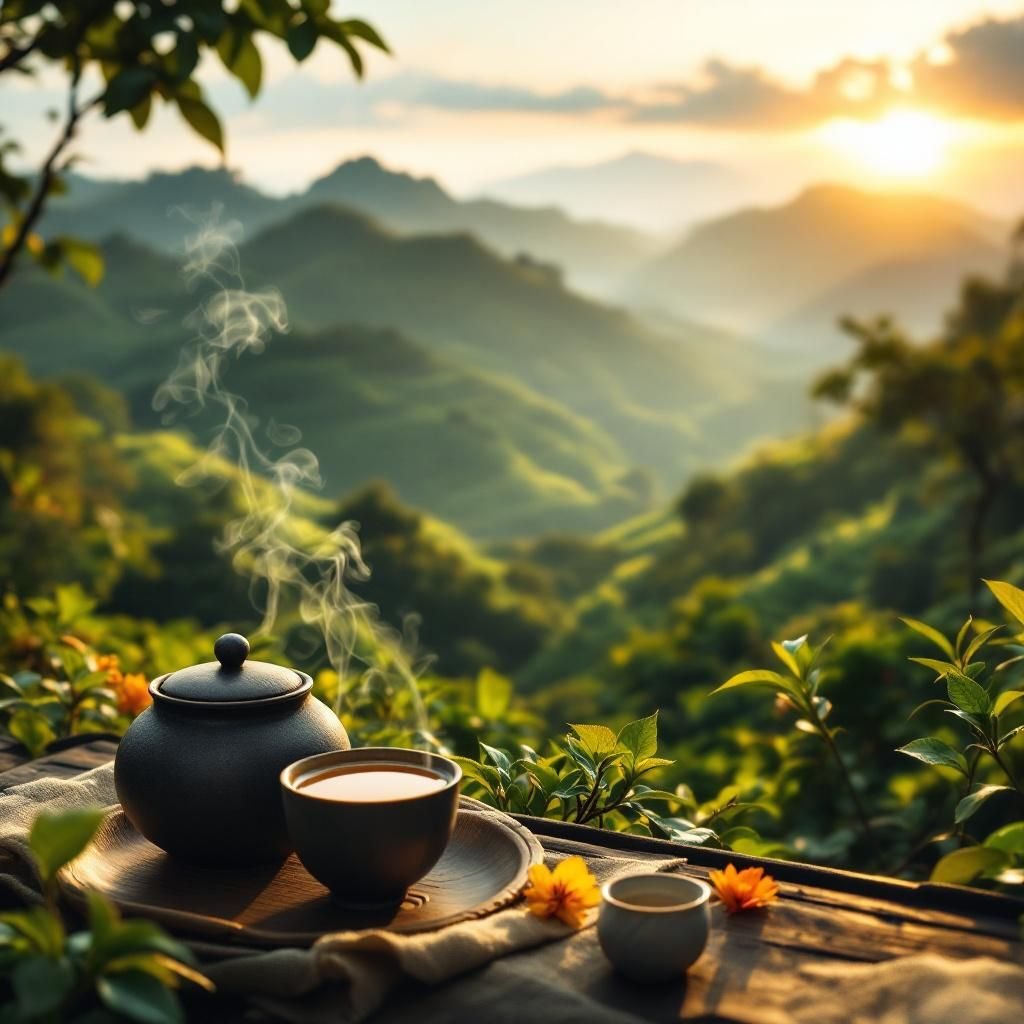
The Ancient Tea Horse Road in Yunnan is a historic trade route that traverses the rugged terrains of Southwest China. This path, once a bustling artery of commerce, facilitated the exchange of tea, horses, textiles, and salt between China and its neighbors. Today, it serves as a window into the long history of Yunnan’s tea culture, particularly the renowned Pu’er tea. Travelers are drawn to this region not only for its tea but also for its stunning landscapes, diverse cultures, and the remnants of its storied past. The journey along this road offers a unique glimpse into the intersection of nature, culture, and commerce.
Best Tea Regions
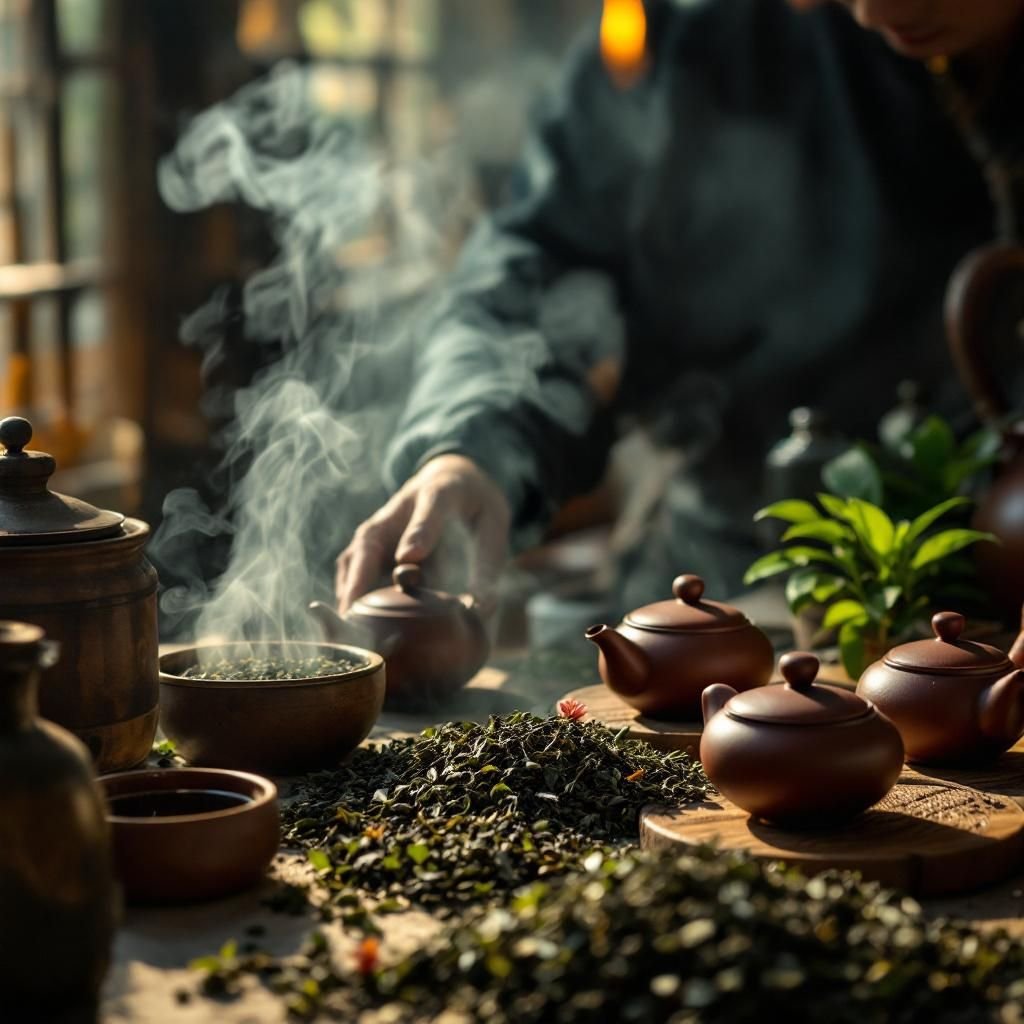
Yunnan is home to several prominent tea-growing regions, each shaping the distinctive tea culture along the Ancient Tea Horse Road. The most famous among them is the Pu’er region, renowned for its aged fermented tea. Tea estates such as the Menghai Tea Factory and the Mengku Tea Factory are pivotal in the production of high-quality Pu’er tea. Xishuangbanna, known for its lush rainforests and ethnic diversity, provides the perfect climate for cultivating unique tea varieties. The terraced landscapes of Nannuo Mountain and the ancient tea trees of Jingmai Mountain further enrich the tea experience in Yunnan.
Pu’er Region
Located in the southern part of Yunnan, the Pu’er region is synonymous with the production of its namesake tea. Known for its large-leaf variety, the region’s tea gardens produce a tea that is fermented and aged, resulting in a deep, earthy flavor that connoisseurs around the world cherish.
Xishuangbanna
This region’s unique microclimate supports a diversity of tea plants. The Dai and Hani ethnic minorities who inhabit this area have cultivated tea for generations, passing down traditional methods that contribute to the distinct flavors of the local teas.
Types of Tea Produced

Yunnan’s tea repertoire is diverse, but it is most celebrated for its Pu’er tea. This fermented tea is available in two main styles: Sheng (raw) and Shou (ripe). Sheng Pu’er is known for its complex, evolving flavors and is often aged for decades. Tasting notes include floral, fruity, and earthy nuances, depending on its age. Shou Pu’er, on the other hand, is known for its rich, smooth texture and notes of chocolate, wood, and mushroom. Beyond Pu’er, Yunnan produces top-quality black teas like Dianhong, characterized by its malty, robust profile.
Sheng Pu’er
Sheng Pu’er is raw and undergoes a natural fermentation process that can last for years. Its taste profile changes over time, becoming more refined and complex with age. Tea enthusiasts often describe its flavor as fresh, with a hint of floral sweetness.
Shou Pu’er
Shou Pu’er undergoes an accelerated fermentation process, resulting in a dark, mellow tea with earthy, woody notes. It is ready for consumption shortly after production and is appreciated for its smooth, full-bodied taste.
Tea Tourism Experiences
Travelers to Yunnan can immerse themselves in a variety of tea tourism experiences along the Ancient Tea Horse Road. These include visits to tea plantations, where one can observe the traditional methods of tea production. Factory tours, such as those at the Menghai Tea Factory, offer insight into the industrial processes behind Pu’er tea. Cultural experiences abound, with opportunities to participate in tea ceremonies hosted by local ethnic minorities. These experiences provide a deeper understanding of the cultural significance of tea in Yunnan.
Tea Tastings
Many tea estates and local tea houses offer guided tastings. Here, visitors can sample a range of teas, from freshly picked leaves to aged Pu’er, learning to discern the intricate flavors and aromas that define Yunnan’s teas.
Factory Tours
Factory tours offer a behind-the-scenes look at the production of Pu’er tea. Visitors can witness the careful processing steps, from drying and fermenting to pressing and packaging, gaining an appreciation for the craftsmanship involved.
Best Time to Visit
The best time to explore the Ancient Tea Horse Road in Yunnan is during the spring and autumn months. From March to June, the climate is mild, allowing for comfortable travel and vibrant tea landscapes. The harvest season in spring is particularly appealing as visitors can witness the tea plucking and processing firsthand. September to November offers cooler temperatures and clear skies, ideal for trekking and outdoor activities. During these months, the tea gardens are lush, and the cultural festivals provide a rich tapestry of local traditions and celebrations.
How to Get There
Travelers can reach Yunnan and the Ancient Tea Horse Road via several transportation options. The most convenient entry point is Kunming, Yunnan’s capital, which is well-connected by flights from major Chinese cities and international destinations. From Kunming, travelers can take domestic flights or trains to key cities such as Lijiang, Dali, or Pu’er. Local transportation options include buses, taxis, and car rentals, offering flexibility to explore remote tea-growing areas and scenic spots along the road.
Where to Stay
Accommodation options along the Ancient Tea Horse Road range from budget-friendly hostels to luxury resorts. For an immersive experience, consider staying at a tea estate such as the Bolian Resort & Spa in Xishuangbanna, which offers a blend of comfort and proximity to tea plantations. In Lijiang and Dali, boutique hotels and guesthouses provide a charming atmosphere with traditional architecture and modern amenities. For budget travelers, hostels and guesthouses offer affordable options with the opportunity to connect with fellow travelers.
Costs and Budgeting
Traveling along the Ancient Tea Horse Road can cater to various budgets. On average, a daily budget of $50-$100 per person will cover mid-range accommodation, meals, local transportation, and entry fees to attractions. Budget travelers can spend as little as $30 per day by choosing hostels and street food. Luxury travelers can expect to spend upwards of $200 per day for high-end accommodation and dining experiences. Consider allocating extra funds for tea purchases, as the unique teas found here make excellent souvenirs.
Sample Itineraries
3-Day Itinerary
- Day 1: Arrive in Kunming, explore local markets, and visit the Yunnan Nationalities Museum.
- Day 2: Travel to Pu’er, visit tea plantations, and enjoy a tea tasting session.
- Day 3: Trek through Nannuo Mountain, visit ethnic minority villages, and participate in a traditional tea ceremony.
5-Day Itinerary
- Day 1: Arrive in Kunming, explore the Stone Forest.
- Day 2: Travel to Dali, visit the Three Pagodas and Erhai Lake.
- Day 3: Head to Lijiang, explore the Old Town and Jade Dragon Snow Mountain.
- Day 4: Travel to Xishuangbanna, visit the Tropical Botanical Garden.
- Day 5: Visit local tea estates, participate in tea tastings.
7-Day Itinerary
- Day 1: Arrive in Kunming, city tour including Green Lake Park.
- Day 2: Travel to Jinghong, visit the Wild Elephant Valley.
- Day 3: Explore tea plantations in Menghai, participate in a tea-making workshop.
- Day 4: Journey to Lijiang, visit the Black Dragon Pool and Dongba Culture Museum.
- Day 5: Trek in Tiger Leaping Gorge.
- Day 6: Travel to Dali, explore the Ancient City and Xizhou Town.
- Day 7: Return to Kunming, visit the Flower and Bird Market.
Related Guides
- Yunnan Tea Culture Guide
- China Tea Tourism Overview
- Exploring Pu’er Tea Origins
- Guide to China’s Historic Tea Routes
- Tea Travel in Asia
Frequently Asked Questions
What is the Ancient Tea Horse Road?
The Ancient Tea Horse Road was a trade route used for transporting tea and horses between China and neighboring regions.
What is Pu’er tea?
Pu’er tea is a fermented tea from Yunnan, known for its complex flavors and aging potential.
How do I get to Yunnan?
You can fly into Kunming, the capital of Yunnan, and travel to other regions by train or domestic flights.
When is the best time to visit the Ancient Tea Horse Road?
The best time to visit is during spring and autumn, from March to June and September to November.
What are the accommodation options along the Ancient Tea Horse Road?
Options range from budget hostels to luxury resorts, with tea estate stays offering a unique experience.

