
Quick Facts Box
- Country: China
- Region: Yunnan Province
- Best Time to Visit: March to May, September to November
- Currency: Chinese Yuan (CNY)
- Language: Mandarin Chinese and local dialects
- Visa Requirements: Tourist visa required for most nationalities
Introduction with Destination Overview

Set in the southwestern corner of China, Yunnan Province is a treasure trove of cultural and natural wonders. Among its many attractions, the Ancient Tea-Horse Road stands out as a sign of the region’s long history and its pivotal role in the global tea trade. This ancient network of trade routes linked China with Tibet and beyond, facilitating the exchange of tea, horses, and other goods. Today, the road offers a unique window into the past and serves as a gateway to some of the most authentic tea experiences in the world. For a broader look at tea destinations across China, explore our China tea travel guide.
The journey along the Ancient Tea-Horse Road is more than just a trip through history; it’s an exploration of Yunnan’s diverse landscapes and vibrant cultures. From lush tea plantations to bustling market towns and serene monasteries, every stop along the way tells a story of trade, tradition, and transformation. As you traverse this historic path, you’ll have the chance to discover the origins of Puerh tea, a fermented variety that has captivated tea enthusiasts for centuries. Tea lovers exploring East Asia may also enjoy planning a Taiwan tea road trip as a complementary journey.
Best Tea Regions
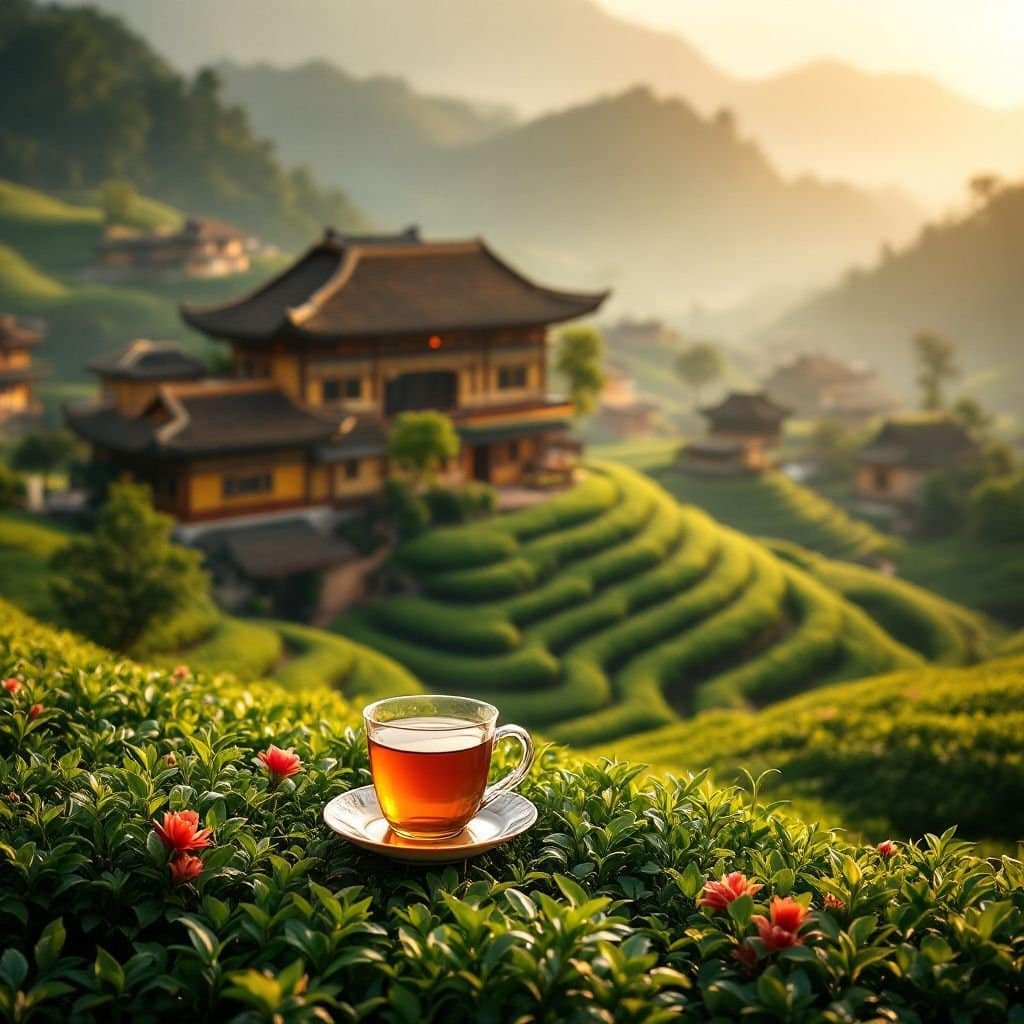
Yunnan Province is renowned for its tea-producing regions, each offering a unique taste of the local terroir. The most famous among them is the town of Pu’er, the birthplace of the eponymous tea. Set in the lush hills of southern Yunnan, Pu’er is home to ancient tea gardens where centuries-old tea trees still thrive. Visitors can explore these verdant landscapes, learning about the traditional methods of cultivation and harvesting that have been passed down through generations.
Another must-visit region is Xishuangbanna, known for its rich biodiversity and ethnic diversity. Here, you’ll find the pristine Jingmai Mountain, a UNESCO World Heritage site and a hub of ancient tea culture. The area is dotted with traditional villages where local communities continue to produce Puerh tea using time-honored techniques. Other notable tea regions include Lincang, famous for its large-leaf tea varieties, and Menghai, where some of the finest Puerh teas are crafted.
Types of Tea Produced
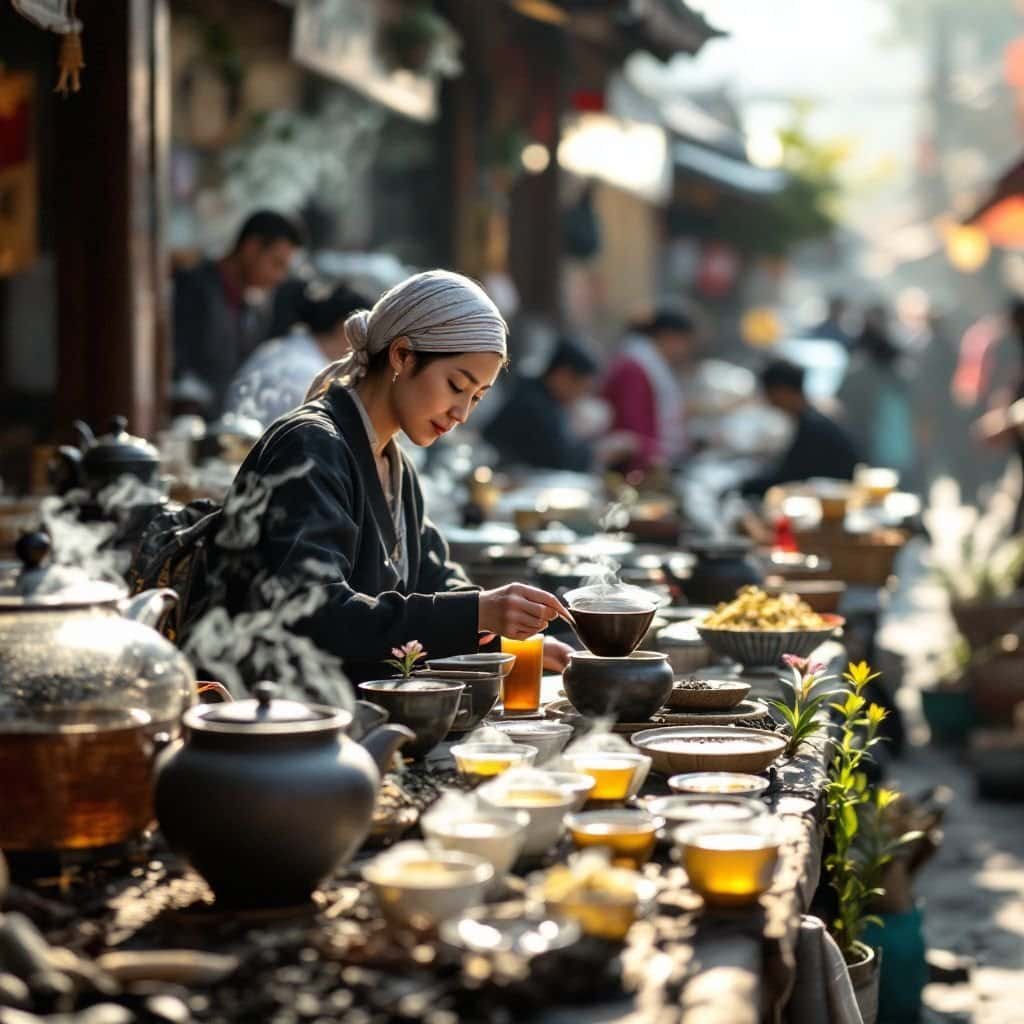
Yunnan is best known for Puerh tea, a unique type of fermented tea that can be aged for decades, developing complex flavors over time. Puerh is typically categorized into two main types: Sheng (raw) and Shou (ripe). Sheng Puerh undergoes a natural fermentation process, resulting in a tea with a bright, floral aroma and a slightly astringent taste. Shou Puerh, on the other hand, is artificially fermented, producing a dark, earthy brew with a smooth, mellow flavor.
Beyond Puerh, Yunnan is also known for its black teas, such as Dianhong. These teas are characterized by their rich, malty flavors and golden liquor. The province also produces green teas, which are cherished for their fresh, grassy notes. Each type of tea offers a distinct tasting experience, reflecting the diverse climates and soils of Yunnan.
Tea Tourism Experiences
Travelers along the Ancient Tea-Horse Road can immerse themselves in a variety of tea tourism experiences. Tea tastings and factory tours are popular activities, providing insights into the intricate processes of tea production. In Pu’er, visitors can tour local factories to witness the transformation of fresh leaves into Puerh tea cakes, a process that involves intricate handwork and precise timing. If this is your first time visiting a tea region, our guide to planning your first tea tour covers everything you need to know.
For a more hands-on experience, many tea estates offer workshops where guests can learn the art of tea brewing and blending. These interactive sessions are not only educational but also a delightful way to engage with the local culture. Additionally, traditional tea ceremonies provide a serene and contemplative experience, allowing travelers to appreciate the artistry and ritual that surround tea drinking in China.
Best Time to Visit
The best time to explore the Ancient Tea-Horse Road is during the spring (March to May) or autumn (September to November) when the weather is mild and the landscapes are at their most vibrant. Spring is particularly appealing as it coincides with the tea harvest season, offering visitors the chance to see the fields in full bloom and participate in harvesting activities.
Autumn, on the other hand, provides cooler temperatures and clear skies, perfect for long treks and outdoor exploration. These seasons also coincide with various local festivals, such as the Water Splashing Festival in Xishuangbanna, providing a unique cultural experience alongside your tea adventures.
How to Get There
Reaching the Ancient Tea-Horse Road is relatively straightforward with modern transport options. The nearest major airport is Kunming Changshui International Airport, which offers flights from major cities around the world. From Kunming, travelers can take a domestic flight or a scenic train ride to cities like Pu’er or Xishuangbanna.
Local transportation options include buses and taxis, which can take you to various tea regions along the route. For a more immersive experience, consider hiring a local guide who can provide insights into the history and culture of the areas you visit.
Where to Stay
Accommodations along the Ancient Tea-Horse Road range from budget-friendly guesthouses to luxurious resorts. In Pu’er, visitors can stay in charming guesthouses set within tea estates, offering a peaceful retreat with stunning views of the surrounding hills. For those seeking a touch of luxury, Xishuangbanna has a selection of high-end resorts that blend modern comforts with traditional architecture.
For a truly unique experience, consider staying in a traditional village homestay. These accommodations offer an authentic taste of local life, with the opportunity to engage with local families and participate in their daily activities. Whether you prefer rustic charm or upscale elegance, there’s a lodging option to suit every traveler’s taste and budget.
Costs and Budgeting
Traveling along the Ancient Tea-Horse Road can be surprisingly affordable, with daily budgets ranging from $30 to $100 USD depending on your preferences. Budget travelers can find inexpensive accommodations in guesthouses and enjoy meals at local eateries for a minimal cost. For those seeking a more luxurious experience, upscale hotels and dining options are available at a higher price point.
Activities such as tea tastings and factory tours are often reasonably priced, with some estates offering free tastings to visitors. Transportation costs can be minimized by utilizing public buses or shared taxis. Overall, the region offers excellent value for money, with a wealth of experiences to enjoy without breaking the bank.
Sample Itineraries
3-Day Itinerary
Day 1: Arrive in Pu’er. Visit local tea gardens and participate in a tea-tasting session. Overnight in Pu’er.
Day 2: Explore the Ancient Tea-Horse Road. Visit a tea factory to learn about Puerh production. Overnight in a local guesthouse.
Day 3: Travel to Xishuangbanna. Enjoy a traditional tea ceremony and explore local markets. Depart in the evening.
5-Day Itinerary
Day 1-2: Spend two days in Pu’er, exploring tea gardens and participating in workshops. Overnight in tea estate.
Day 3: Travel to Xishuangbanna. Visit Jingmai Mountain and enjoy cultural performances. Overnight in a resort.
Day 4: Explore local villages and participate in a tea harvesting experience. Overnight in a homestay.
Day 5: Return to Kunming. Visit the Stone Forest National Park before departure.
7-Day Itinerary
Day 1-3: Immerse yourself in Pu’er, exploring tea plantations and learning about Puerh tea. Overnight in a traditional inn.
Day 4: Travel to Lincang. Visit local tea gardens and enjoy scenic hikes. Overnight in Lincang.
Day 5-6: Spend two days in Xishuangbanna. Explore cultural sites and enjoy a traditional festival. Overnight in a luxury resort.
Day 7: Return to Kunming. Take a walking tour of the city’s historic districts before departing.
- What is the Ancient Tea-Horse Road?
The Ancient Tea-Horse Road was a network of trade routes connecting China with Tibet and other regions, primarily used for trading tea and horses. - Where can I learn about Puerh tea?
Pu’er and Xishuangbanna are excellent places to learn about Puerh tea, with numerous tea factories and plantations offering tours and tastings. - How do I get to the Ancient Tea-Horse Road?
Fly into Kunming and then take a domestic flight or train to Pu’er or Xishuangbanna. Local transport options are available to explore the route. - What should I pack for the trip?
Pack comfortable clothing for hiking, a rain jacket, and a good pair of walking shoes. Don’t forget essentials like sunscreen and a reusable water bottle. - Are there guided tours available?
Yes, several tour operators offer guided tours of the Ancient Tea-Horse Road, providing insights into the history and culture of the region.
Related Guides
- Exploring Yunnan Tea Culture
- Discovering China’s Tea Regions
- The Ultimate Guide to Puerh Tea
- Best Tea Estates in China
- Cultural Festivals in Yunnan
