
What to Expect

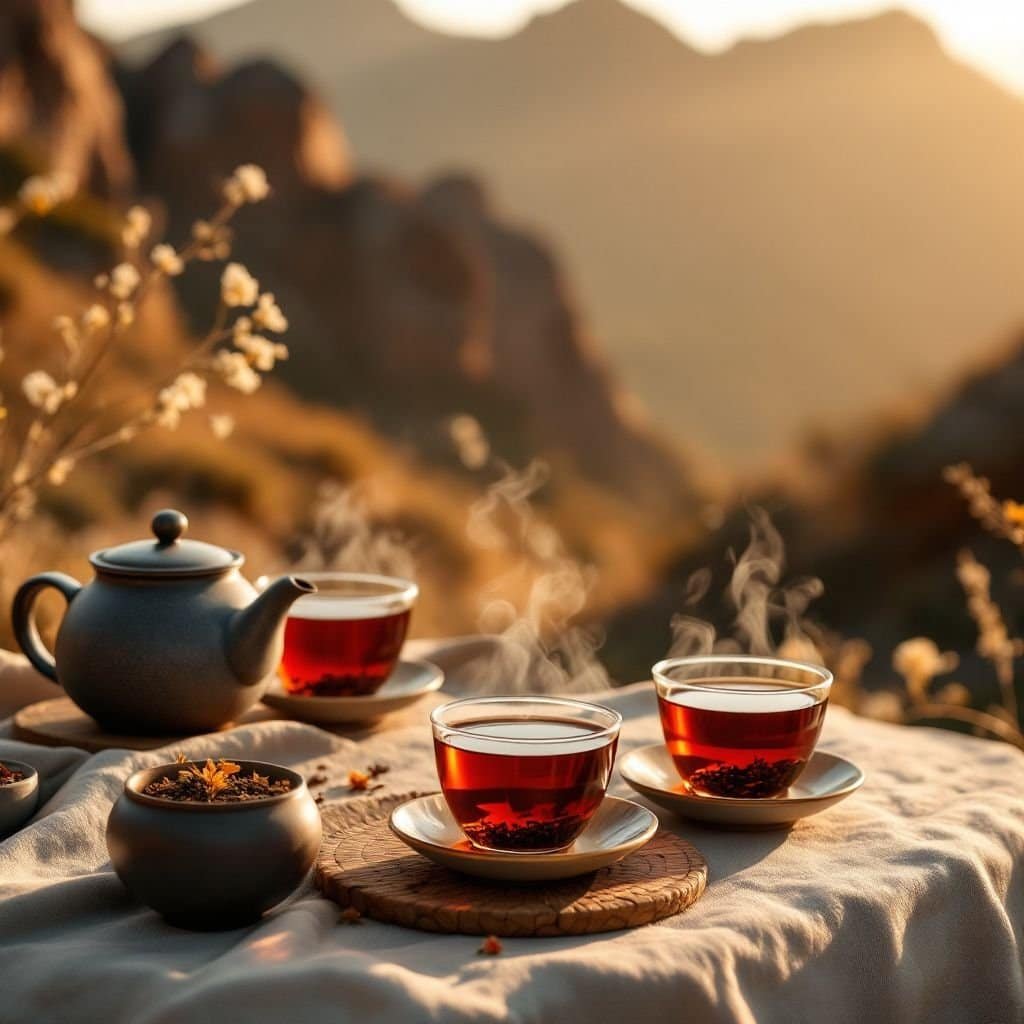
Embarking on a journey through the Cederberg Mountains to uncover the heritage of Rooibos tea is a truly unique experience. Set in the heart of South Africa, the Cederberg region is renowned for its rugged beauty and rich cultural tapestry. As you traverse this captivating landscape, you’ll explore the origins and production of Rooibos tea, a distinctive herbal infusion that has become a global favorite.
Your adventure begins in the quaint town of Clanwilliam, often considered the gateway to the Cederberg. Here, you’ll find yourself surrounded by stunning sandstone cliffs and a vast expanse of biodiversity. The region has a unique terroir that significantly influences the characteristics of Rooibos tea. Expect to encounter a climate characterized by hot, dry summers and cool, wet winters, which contribute to the distinctive flavors of the tea.
As you delve deeper into the Cederberg, you’ll have the chance to visit Rooibos farms and meet local farmers who have been cultivating this indigenous plant for generations. These excursions often include guided tours of the fields, where you can witness the meticulous harvest process and learn about the traditional and modern methods of processing Rooibos. Prepare to be enchanted by the stories of resilience and innovation shared by those who call this region home.
Booking Information

Planning your Rooibos tea exploration in the Cederberg requires some preparation, but it is well worth the effort. Several tour operators offer tailored experiences that cater to both tea enthusiasts and nature lovers. It’s advisable to book your tour in advance, especially during peak travel seasons when the region attracts a significant number of visitors.
Many tours include transportation from Cape Town, which is approximately a three-hour drive from the Cederberg. These packages often cover accommodation, meals, and guided tours, providing a hassle-free way to immerse yourself in the rich heritage of Rooibos. Be sure to check the specific inclusions of each tour, as options may vary, with some offering more in-depth experiences such as tea tasting sessions and cultural workshops.
For those seeking a more personalized adventure, self-guided tours are also an option. Renting a vehicle allows you to explore the region at your own pace, stopping at points of interest such as the Cederberg Winery, ancient San rock art sites, and the Rooibos Route, a dedicated trail highlighting key aspects of Rooibos production.
Costs and What is Included
The cost of exploring the Cederberg and its Rooibos heritage can vary significantly depending on your chosen itinerary. Organized tours typically range from $150 to $500 per person, depending on the length of the tour and the level of luxury offered. These tours usually include transportation, guided excursions, accommodation, and some meals.
For those opting for a self-guided experience, expenses will include car rental, accommodation, meals, and any activity fees. Accommodation in the Cederberg ranges from budget-friendly guesthouses and campsites to more luxurious lodges and boutique hotels. Expect to spend between $50 and $150 per night on accommodation, depending on your preferences.
Keep in mind that some activities, such as guided hikes or specialized tea tastings, may have additional fees. To ensure you get the most out of your visit, it’s wise to budget for both planned activities and spontaneous adventures that may arise during your travels.
Tips for First-Timers

Visiting the Cederberg for the first time can be a thrilling experience, especially for those interested in the heritage of Rooibos tea. Here are some tips to ensure you have a memorable trip:
- Plan Your Visit Around the Seasons: The best time to visit the Cederberg is during the spring (September to November) or autumn (March to May) when the weather is mild and the landscape is lush and vibrant.
- Pack Accordingly: The Cederberg climate can be unpredictable, so pack layers and be prepared for both warm days and chilly nights. Comfortable hiking shoes are a must, as are sun protection and plenty of water.
- Learn a Few Local Phrases: While most people in the area speak English, learning a few words of Afrikaans can enhance your interactions with locals.
- Respect the Environment: The Cederberg is home to unique flora and fauna, so be sure to follow Leave No Trace principles to preserve its natural beauty.
- Engage with Locals: Take the time to chat with local farmers and artisans. Their stories and insights into the cultural heritage of Rooibos will enrich your experience.
Best Time to Go
Timing your visit to the Cederberg Mountains is crucial to making the most of your Rooibos tea experience. Generally, the ideal time to visit is during the spring and autumn months when the weather is more temperate, and the natural beauty of the area is at its peak.
During spring, the Cederberg bursts into color as wildflowers blanket the landscape, providing a stunning backdrop for your exploration. This season also coincides with the Rooibos harvest, giving you the opportunity to witness the tea-making process firsthand. Autumn is equally enchanting, with cooler temperatures and fewer tourists, allowing for a more intimate experience.
While summer offers long, sunny days perfect for hiking and outdoor activities, the heat can be intense, with temperatures often exceeding 30°C (86°F). Winter, on the other hand, can be cold and wet, which may limit some outdoor activities, but it also offers a quieter, more serene atmosphere.
Alternatives and Similar Experiences
If you’re looking to expand your tea-related adventures beyond the Cederberg, South Africa offers several other fascinating experiences. Consider exploring the tea estates of the Eastern Cape, where black tea is cultivated. The lush landscapes and temperate climate provide a striking contrast to the arid Cederberg.
You might also visit Kwazulu-Natal, home to the country’s first commercial tea estate. This region offers a blend of tea culture and Zulu heritage, providing a rich tapestry of experiences. Alternatively, for a completely different tea adventure, the Western Cape winelands offer a chance to explore the intersection of tea and wine, with several estates offering unique tea and wine pairing experiences.
Each of these destinations provides a unique perspective on South Africa’s diverse tea culture, allowing you to broaden your understanding and appreciation of this beloved beverage.
Related Guides
- Cederberg Rooibos Farm Tours: Where Rooibos Grows
- Rooibos Tea Side Effects: What You Need to Know
- 10 Best Tea Estate Stays for a Relaxing Getaway
- Exotic Teas from Around the World: 10 Unique Varieties
- How to Plan Your First Tea Tour: Step-by-Step Guide
Frequently Asked Questions
Where is rooibos tea grown in South Africa?
Rooibos tea grows exclusively in the Cederberg Mountains of South Africa’s Western Cape, a UNESCO-recognized biosphere reserve. The region’s unique Mediterranean climate and sandstone-derived soils create the perfect terroir for Aspalathus linearis.
What is the Rooibos Route in Cederberg?
The Rooibos Route is a curated trail connecting rooibos farms, tasting rooms, and cultural sites in the Cederberg. Visitors can book guided farm tours, attend rooibos blending workshops, and purchase premium-grade organic rooibos directly from producers.
How much does a rooibos farm tour cost?
Guided rooibos farm tours in Cederberg typically cost between $25 and $75 per person, depending on inclusions such as tastings, meals, and workshops. Self-guided visits to farm shops are often free.
When is the best time to visit Cederberg for rooibos?
Spring (September–November) and autumn (March–May) are ideal. Spring offers wildflower displays and the rooibos harvest, while autumn brings cooler weather and fewer tourists. Summer temperatures can exceed 30°C (86°F).
Can you drink fresh rooibos leaves directly from the plant?
Fresh rooibos leaves must be oxidized and dried before brewing. Raw green rooibos exists but is processed differently from traditional red rooibos. Most farm tours offer tastings of both traditional and green rooibos.
What else can you do in Cederberg besides rooibos?
Cederberg offers world-class rock climbing, hiking to Wolfberg Arch, viewing 8,000-year-old San rock art, wine tasting at Cederberg Winery, and stargazing in one of South Africa’s darkest-sky regions.
Is rooibos tea caffeine-free?
Yes, rooibos is naturally caffeine-free and low in tannins, making it an excellent choice for evening drinking and for people sensitive to caffeine. It is also rich in antioxidants like aspalathin.
