
Introduction to Tea Garden Forest Bathing
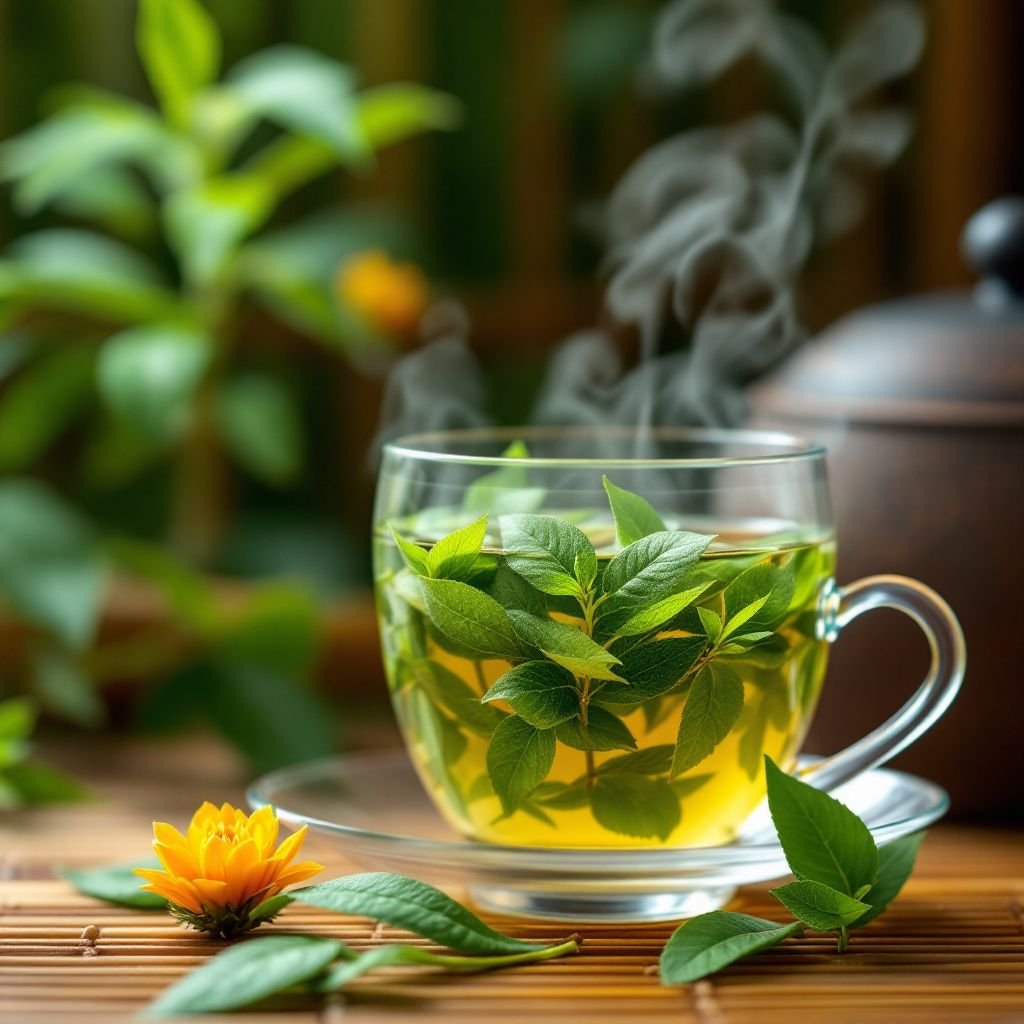
Tea garden forest bathing combines the traditional Japanese practice of Shinrin-yoku with the serene landscapes of Shizuoka’s renowned tea fields. This unique experience offers travelers a chance to rejuvenate both their minds and bodies, immersing themselves in the tranquil beauty of Japan’s tea country. Shizuoka, with its lush tea plantations and breathtaking views of Mount Fuji, provides the perfect backdrop for this wellness activity. By engaging in tea garden forest bathing, visitors can enjoy the benefits of forest therapy while savoring the essence of Japanese tea culture.
Quick Answer: Tea garden forest bathing in Shizuoka combines the Japanese wellness practice of Shinrin-yoku with walks through the country’s largest tea-producing region. Visitors practice mindful breathing amid lush green fields while enjoying panoramic views of Mount Fuji, gaining mental clarity, reduced stress, and physical rejuvenation in a single immersive experience.
The Essence of Shinrin-yoku in Japan
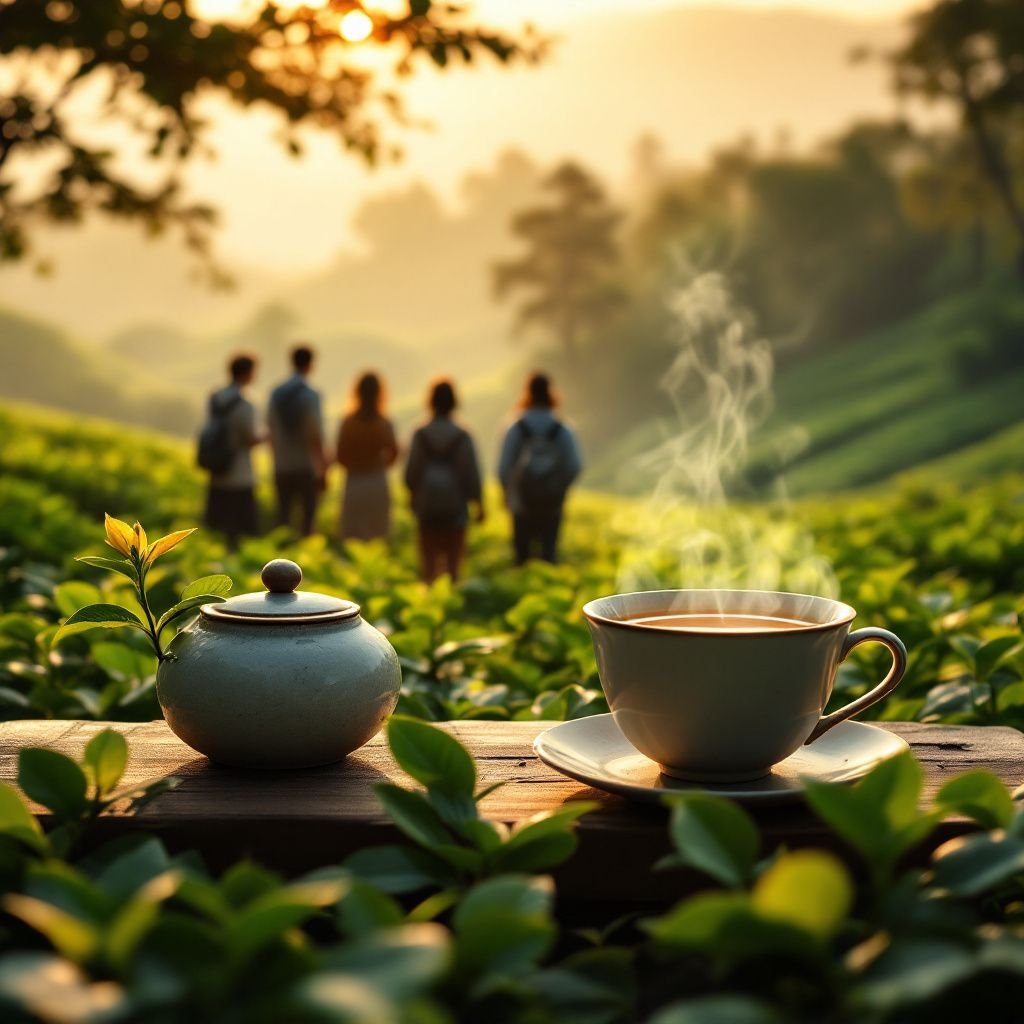
Shinrin-yoku, or forest bathing, is a practice that encourages individuals to spend time in forests, engaging their senses to absorb the natural environment. For those seeking deeper immersion, consider combining this with one of the world’s finest tea wellness retreats. Originating in Japan in the 1980s, Shinrin-yoku has become an essential element of wellness travel, promoting mental and physical health. Studies have shown that spending time in nature can lower stress levels, boost the immune system, and enhance mood. In Shizuoka, the integration of tea gardens into this practice enhances the experience, allowing visitors to breathe in the aromatic scents of tea leaves while listening to the gentle sounds of nature.
Exploring Shizuoka’s Tea Gardens
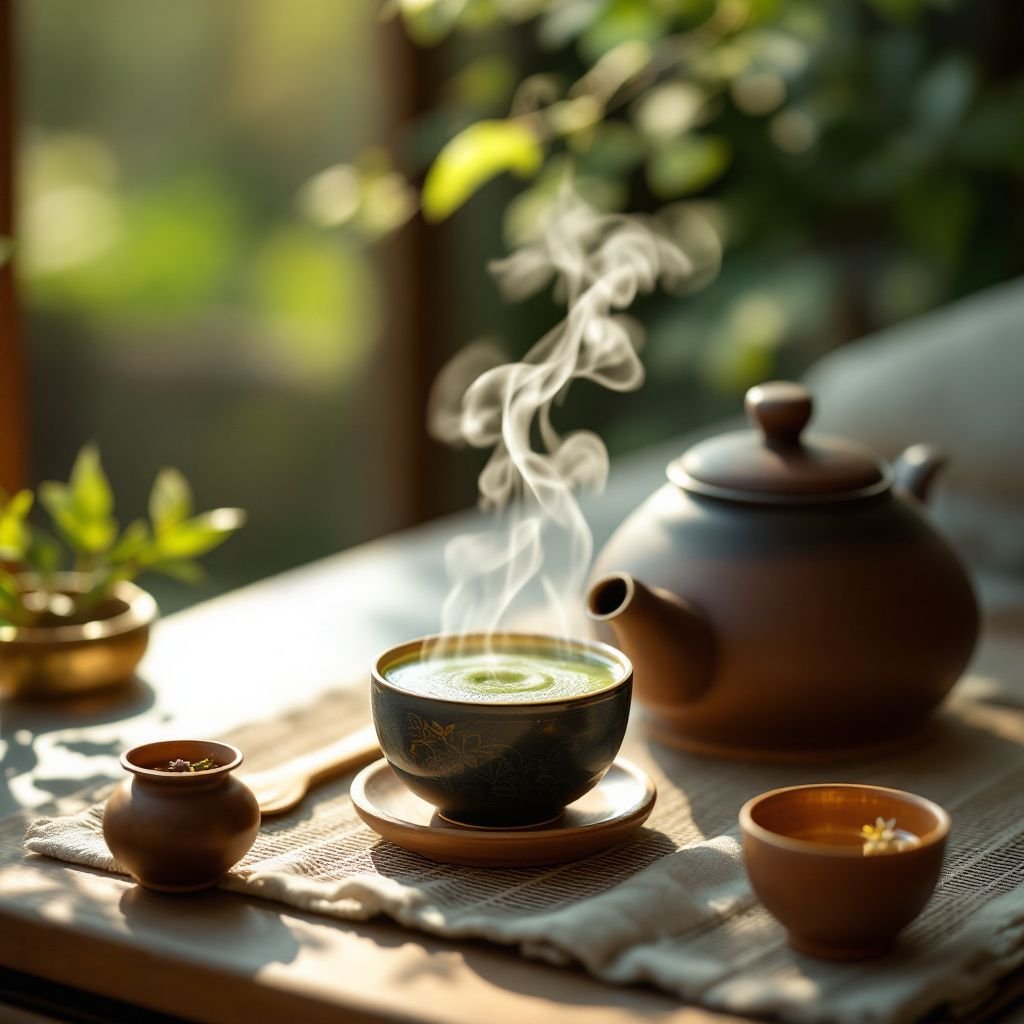
Shizuoka is Japan’s largest tea-producing region, known for its high-quality green teas. The area’s rolling hills are covered with meticulously maintained tea gardens, offering a visual feast of lush greens and a serene setting for forest bathing. Notable tea estates such as the Maruyama Tea Garden and the Obuchi Sasaba provide guided tours and opportunities to learn about tea cultivation. These gardens not only showcase the art of tea production but also serve as ideal locations for meditation and relaxation amidst nature.
Maruyama Tea Garden
The Maruyama Tea Garden offers visitors a chance to immerse themselves in the tea-making process. With expansive views of Mount Fuji, this garden provides a perfect setting for forest bathing. Guests can partake in a guided tea-tasting session, learning about the subtle differences in flavor and aroma while surrounded by nature’s tranquility.
Obuchi Sasaba
Another gem in Shizuoka’s tea country, Obuchi Sasaba is renowned for its beautiful landscapes and high-quality tea leaves. Visitors can stroll through the garden’s pathways, taking in the sights and scents of fresh tea leaves. The garden’s unique location and natural beauty make it an excellent spot for meditation and mindfulness exercises.
Types of Tea Produced in Shizuoka
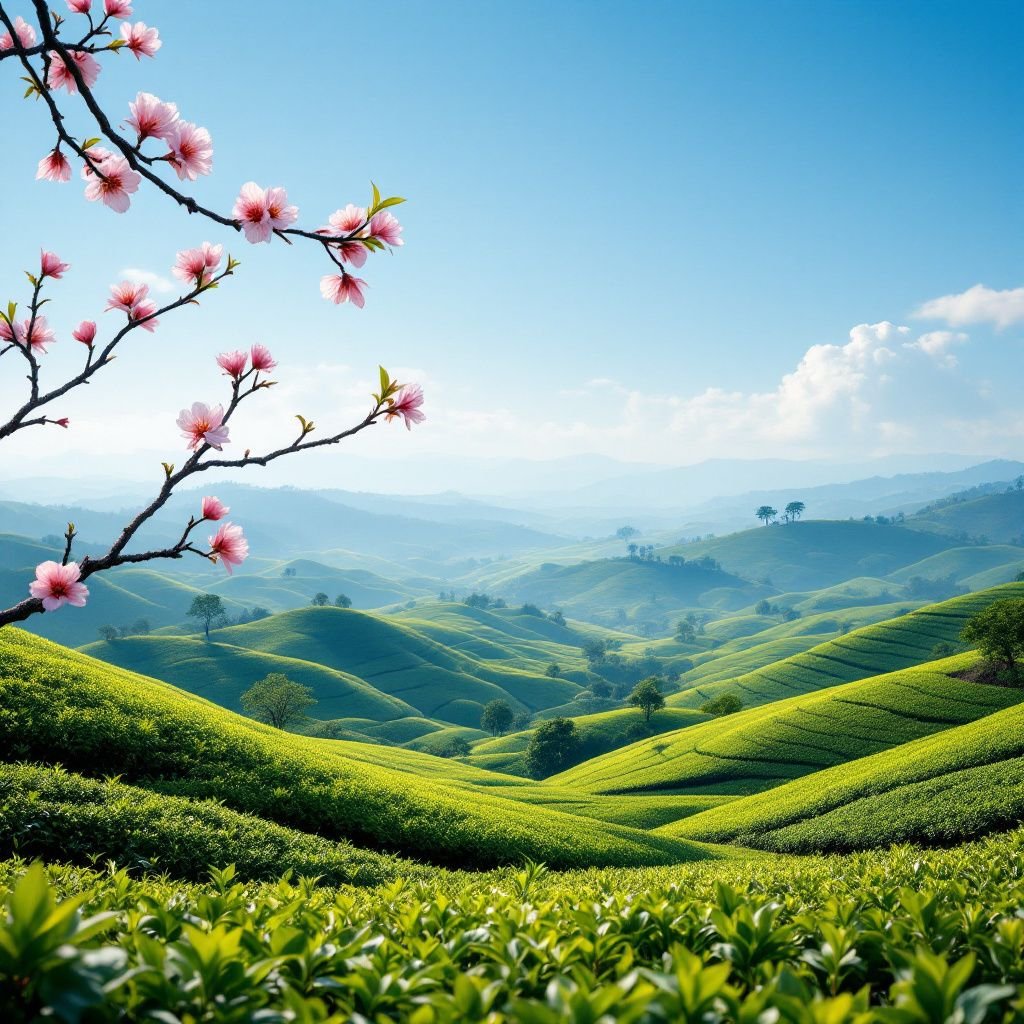
Shizuoka is famous for its Japanese green tea varieties, particularly Sencha, which accounts for a significant portion of Japan’s tea production. Other varieties include Gyokuro, known for its rich umami flavor, and Matcha, a powdered tea used in traditional Japanese tea ceremonies. Each type of tea has distinct tasting notes, from the grassy, slightly astringent Sencha to the sweet and vegetal Gyokuro. Visitors to Shizuoka will have the opportunity to taste these teas fresh from the source, enhancing their forest bathing experience.
The Benefits of Tea Garden Forest Bathing
The combination of forest bathing with tea gardens provides numerous health benefits. The practice encourages mindful breathing, which can reduce anxiety and improve overall mental clarity. The natural compounds released by tea plants, such as terpenes, have been shown to boost the immune system and enhance mood. Additionally, the simple act of walking through tea fields promotes physical health, improving cardiovascular fitness and reducing the risk of chronic diseases.
Mental and Emotional Health
Tea garden forest bathing allows individuals to disconnect from the stressors of daily life, fostering a sense of peace and mental well-being. The calming influence of nature combined with the meditative aspects of tea drinking creates a holistic wellness experience that can improve emotional balance and reduce symptoms of depression.
Physical Health Benefits
Engaging in gentle walks through tea gardens promotes physical activity, which is essential for maintaining a healthy lifestyle. The fresh air and natural surroundings enhance respiratory health, while the act of walking can improve joint mobility and cardiovascular health.
Planning Your Tea Garden Forest Bathing Experience
Organizing a trip to Shizuoka for tea garden forest bathing requires some preparation to ensure a fulfilling experience. It’s important to choose the right time to visit, understand local customs, and arrange suitable accommodations that complement the wellness journey.
Best Time to Visit Shizuoka
The ideal time for tea garden forest bathing in Shizuoka is during the spring and early summer months, from April to June. During this period, the tea fields are at their most vibrant, and the weather is mild and pleasant, perfect for outdoor activities. Alternatively, autumn offers a beautiful array of colors and a peaceful atmosphere for those seeking a quieter experience.
Choosing Accommodations
Shizuoka offers a range of accommodations catering to different preferences and budgets. For a truly immersive experience, consider staying at a traditional ryokan, where you can enjoy Japanese hospitality and cuisine. Many ryokans are located near tea gardens, providing easy access to the sites and activities. For more modern comforts, there are also several hotels and guesthouses in the region.
Practical Tips for Tea Garden Forest Bathing
To make the most of your forest bathing experience, consider the following tips:
- Dress Comfortably: Wear breathable clothing and comfortable shoes suitable for walking on uneven terrain.
- Pack Essentials: Bring a bottle of water, sunscreen, and a hat to protect against the sun, as well as a light snack if planning to spend extended periods in the field.
- Embrace Mindfulness: Take time to engage your senses fully. Listen to the sounds of nature, feel the texture of the tea leaves, and savor the aroma of fresh tea.
- Respect Local Customs: Be mindful of the cultural significance of the tea gardens and follow any guidelines provided by your hosts.
Related Guides on Tea Wellness and Sustainability
For those interested in exploring more about tea wellness and sustainability, consider reading our related guides:
- Guide to Tea Sustainability Practices
- The Art of Japanese Tea Ceremony
- Exploring Tea Plantations in India
- Health Benefits of Green Tea
- Meditation and Tea: The Perfect Pairing
Official Sources and Further Reading
For more information on forest bathing and tea gardens in Shizuoka, please refer to these official sources:
- Japan National Tourism Organization: Shinrin-yoku
- Shizuoka Guide
Plan Your Shizuoka Tea Wellness Journey
Ready to experience tea garden forest bathing for yourself? Start planning your trip with our detailed guides to Shizuoka’s tea region and the world’s best tea wellness retreats. Book your accommodations early during the April–June peak season for the most vibrant garden experiences.
Frequently Asked Questions
What is tea garden forest bathing?
Tea garden forest bathing combines the practice of Shinrin-yoku with the serene atmosphere of tea gardens, offering a unique wellness experience.
Where is the best place for tea garden forest bathing in Japan?
Shizuoka is an ideal location, known for its expansive tea gardens and beautiful natural settings, perfect for forest bathing.
What should I wear for tea garden forest bathing?
Wear comfortable, breathable clothing and sturdy shoes suitable for walking through tea fields and uneven terrain.
When is the best time to visit Shizuoka for forest bathing?
The best time is during spring and early summer (April to June) when the tea fields are lush and vibrant.
Can I combine forest bathing with other activities in Shizuoka?
Yes, you can participate in tea tastings, guided garden tours, and traditional Japanese tea ceremonies as part of your visit. To get the most from your experience, learn how to taste tea like a pro.
