
Quick Facts Box
- Country: China
- Region: Yunnan Province
- Best Time to Visit: March to May, September to November
- Currency: Chinese Yuan (CNY)
- Language: Mandarin, local dialects
- Visa Requirements: Tourist visa required for most countries
Introduction with Destination Overview
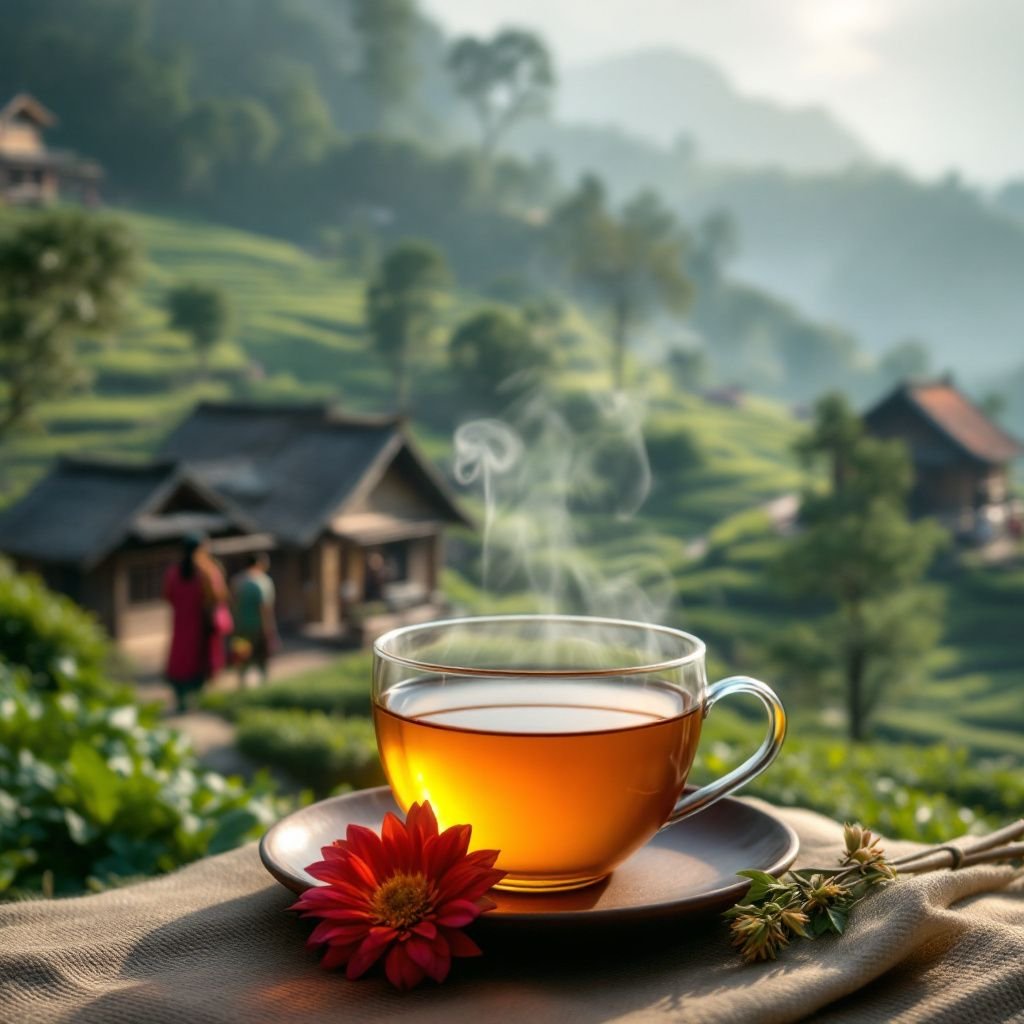
Set in the verdant hills of Yunnan Province, Jingmai Mountain is a rising destination that has recently gained recognition as a UNESCO World Heritage site. This picturesque locale is renowned for its ancient tea forests that date back over a thousand years and are home to some of the oldest tea trees in the world. Often referred to as the “living tea museum,” Jingmai Mountain offers a unique blend of natural beauty, cultural heritage, and the rich traditions of Chinese tea culture and tea cultivation. Visitors can immerse themselves in the serene landscapes, explore the ethnic villages of the Bulang and Dai people, and savor the exquisite Puer and Oolong teas, often prepared using the traditional Gongfu Cha tea ceremony method that have made this region famous.
Best Tea Regions
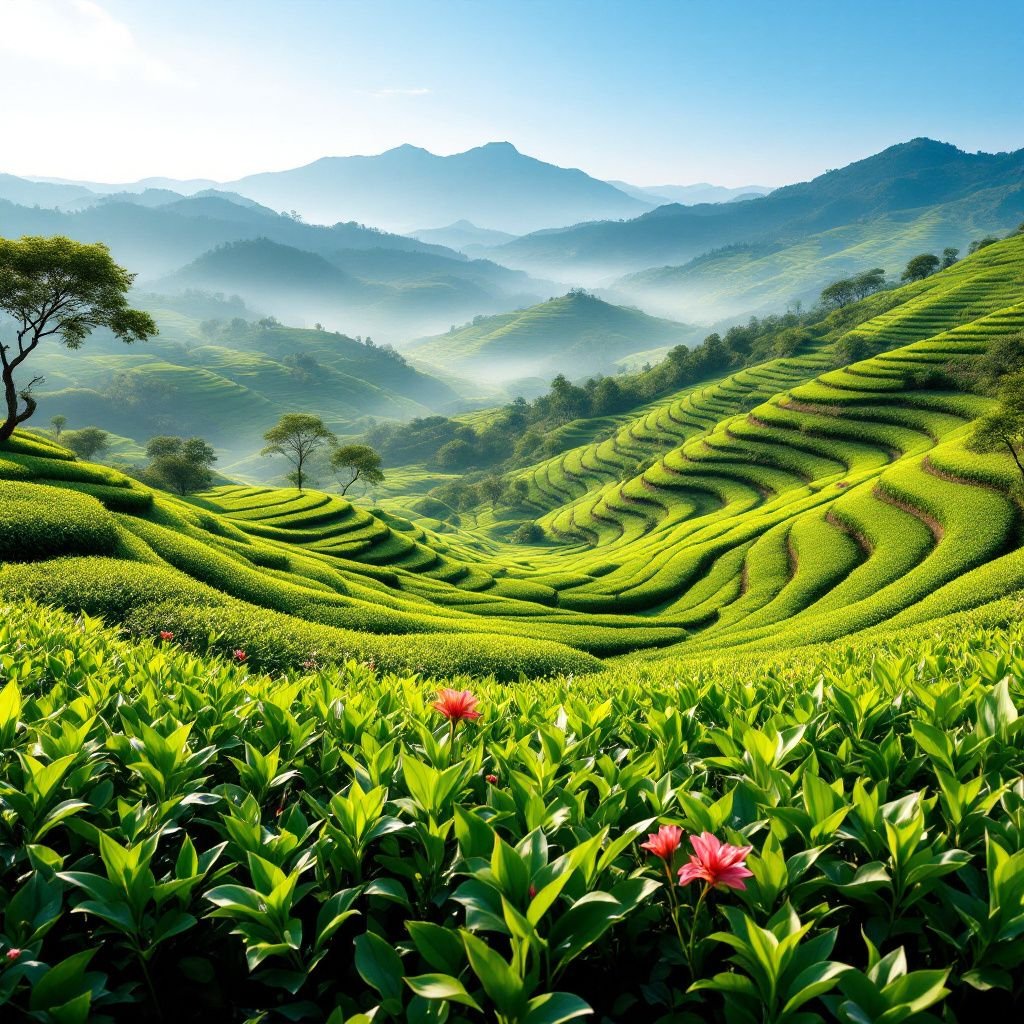
Jingmai Mountain is part of the larger Lancang Lahu Autonomous County, a region that has some of the most esteemed tea gardens in China. The ancient tea forest of Jingmai, covering over 28,000 acres, is the heart of this tea-producing paradise. Key estates include the Jingmai Da Zhai and Mangjing, where visitors can witness traditional tea harvesting methods and engage with local tea artisans. These estates are celebrated not only for their high-quality teas but also for their commitment to preserving the ecological balance and cultural practices that have been passed down through generations. For a broader exploration of China’s tea regions, our China Tea Travel Guide covers the country’s most celebrated tea destinations.
Types of Tea Produced
The mountainous terrain and fertile soil of Jingmai provide ideal conditions for producing a variety of exquisite teas. The region is particularly famous for its Puer tea, known for its deep, complex flavors and health benefits. Jingmai Puer offers earthy notes with a smooth finish, making it a favorite among connoisseurs. The area also produces Jingmai Oolong, characterized by its floral aroma and sweet, lingering aftertaste. These teas are crafted with care, using leaves from ancient trees that impart unique flavors and qualities.
Tea Tourism Experiences
Visitors to Jingmai Mountain can indulge in a variety of tea-related activities that offer a deeper understanding of the region’s rich tea culture. Tea tastings are a must, allowing travelers to sample different varieties while learning about the intricate processes involved in their production. Many tea estates offer guided tours that include factory visits, where guests can observe the meticulous steps of tea processing, from plucking to drying and fermenting. Additionally, participating in traditional tea ceremonies conducted by local masters provides an intimate glimpse into the cultural significance of tea in this region. Before you go, read our guide to plan your first tea tour.
Best Time to Visit
The best time to explore Jingmai Mountain is during the spring (March to May) and autumn (September to November) months. During these periods, the weather is mild and pleasant, perfect for outdoor activities and tea garden tours. Springtime offers the added allure of witnessing the tea harvest, while autumn presents a landscape adorned with vibrant foliage. Avoid visiting during the summer monsoon season (June to August) when heavy rains can hinder travel plans.
How to Get There
Reaching Jingmai Mountain requires a bit of planning, but the journey is well worth the effort. The nearest airport is in Pu’er City, approximately 150 kilometers from Jingmai. From there, travelers can hire a car or take a local bus to reach the mountain. Alternatively, trains are available from major cities like Kunming to Pu’er, followed by a scenic drive through the countryside. Local transport options include taxis and minivans that cater to tourists heading to the tea gardens.
Where to Stay
Accommodation in Jingmai ranges from budget-friendly guesthouses to luxurious retreats set within tea estates. For an authentic experience, consider staying in a traditional Bulang village homestay, where you can enjoy local cuisine and hospitality. Luxury options include eco-lodges that offer stunning views of the tea gardens and surrounding mountains. Many accommodations provide guided tours and tea tastings as part of their packages, ensuring a comprehensive experience. For more options, browse our curated list of tea estate stays worldwide.
Costs and Budgeting
Traveling to Jingmai Mountain can be tailored to suit different budgets. Daily expenses for budget travelers, including accommodation, meals, and transport, can range from 200 to 300 CNY. Mid-range travelers might spend between 400 to 600 CNY per day, enjoying additional comforts like private tours and upgraded accommodations. Luxury travelers can expect to spend upwards of 1,000 CNY per day, with exclusive experiences and premium services.
Sample Itineraries
3-Day Itinerary
Day 1: Arrive in Pu’er City, transfer to Jingmai Mountain, evening tea tasting session. Day 2: Full-day tour of the tea gardens, visit ancient tea forest and local villages. Day 3: Morning tea ceremony, return to Pu’er City.
5-Day Itinerary
Day 1: Arrival and transfer to Jingmai. Day 2: Explore Jingmai Da Zhai and participate in tea picking. Day 3: Visit Mangjing and local cultural sites. Day 4: Relaxation day with optional hiking tours. Day 5: Departure.
7-Day Itinerary
Days 1-2: Arrival, settle into a tea estate stay. Days 3-4: In-depth tea garden tours, cultural experiences with Bulang people. Days 5-6: Excursions to nearby attractions and additional tea tastings. Day 7: Leisure morning, return to Pu’er City.
Related Guides
- Exploring the Tea Terraces of Yunnan
- Pu-erh Tea: An Introduction
- Yunnan Tea Culture and Traditions
- Top Tea Destinations in China
- How to Brew Pu-erh Tea
Frequently Asked Questions
What makes Jingmai Mountain’s tea unique?
The unique terroir, ancient tea trees, and traditional processing methods contribute to its distinct flavors.
Can I visit the tea gardens year-round?
Yes, but the best times are spring and autumn for optimal weather and tea harvest experiences.
Are there guided tours available?
Yes, many estates offer guided tours including tastings and factory visits.
Is Jingmai Mountain accessible for non-Chinese speakers?
While English is not widely spoken, many tours and accommodations offer English-speaking guides.
What is the cultural significance of tea in Jingmai?
Tea is central to local traditions, symbolizing hospitality, and community bonding.
