
What to Expect
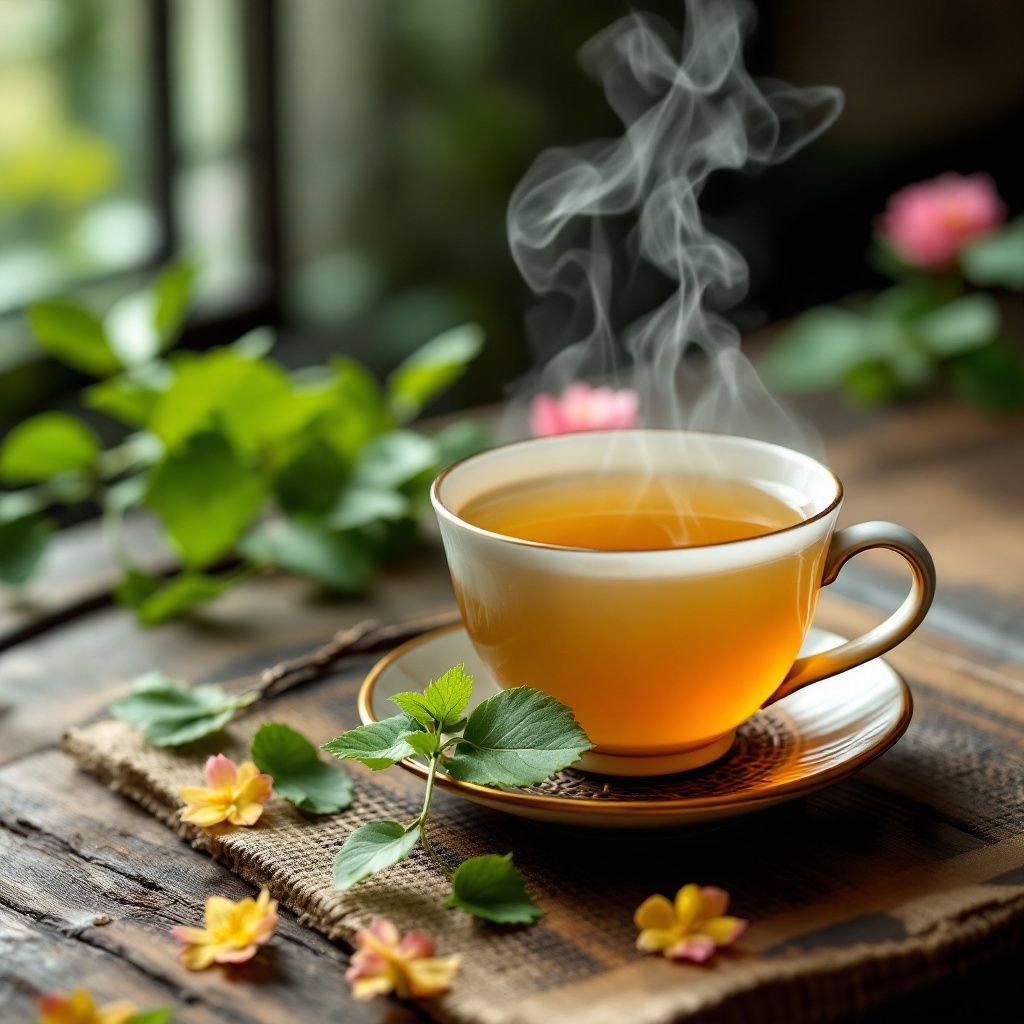
The Vietnamese tea ceremony is a reflection of the country’s rich cultural tapestry. Rooted in the principles of Zen Buddhism, these ceremonies are as much about meditation and mindfulness as they are about enjoying tea. When you attend a Vietnamese tea ceremony, expect a serene environment, often set in nature or a tranquil tea house such as the renowned Hien Minh Tea House in Hanoi. The ceremony typically involves the preparation and presentation of tea in a way that emphasizes respect, purity, and tranquility. Tea ceremonies are a global tradition — explore how tea ceremony traditions around the world share common themes of hospitality and mindfulness.
Participants are usually seated in a circle to promote equality and unity, and the host will often choose a tea that reflects the season or occasion. Floral-scented teas, especially lotus tea, are popular choices. During the ceremony, every action is deliberate and slow, from warming the Vietnamese tea pots to pouring the tea. Each step is meant to enhance the appreciation of the tea’s aroma, taste, and appearance. The entire experience is designed to foster a deep connection between the participants and the tea itself.
Booking Information
Planning to attend a Vietnamese tea ceremony requires some preparation. Many tea houses offer scheduled ceremonies, but it is advisable to book in advance, especially if you wish to visit during peak tourist seasons. Hien Minh Tea House is a popular choice and can be contacted directly through their website for reservations. They offer various packages that include not only the tea ceremony but also guided tours of the surrounding areas, providing a holistic experience of Vietnamese culture.
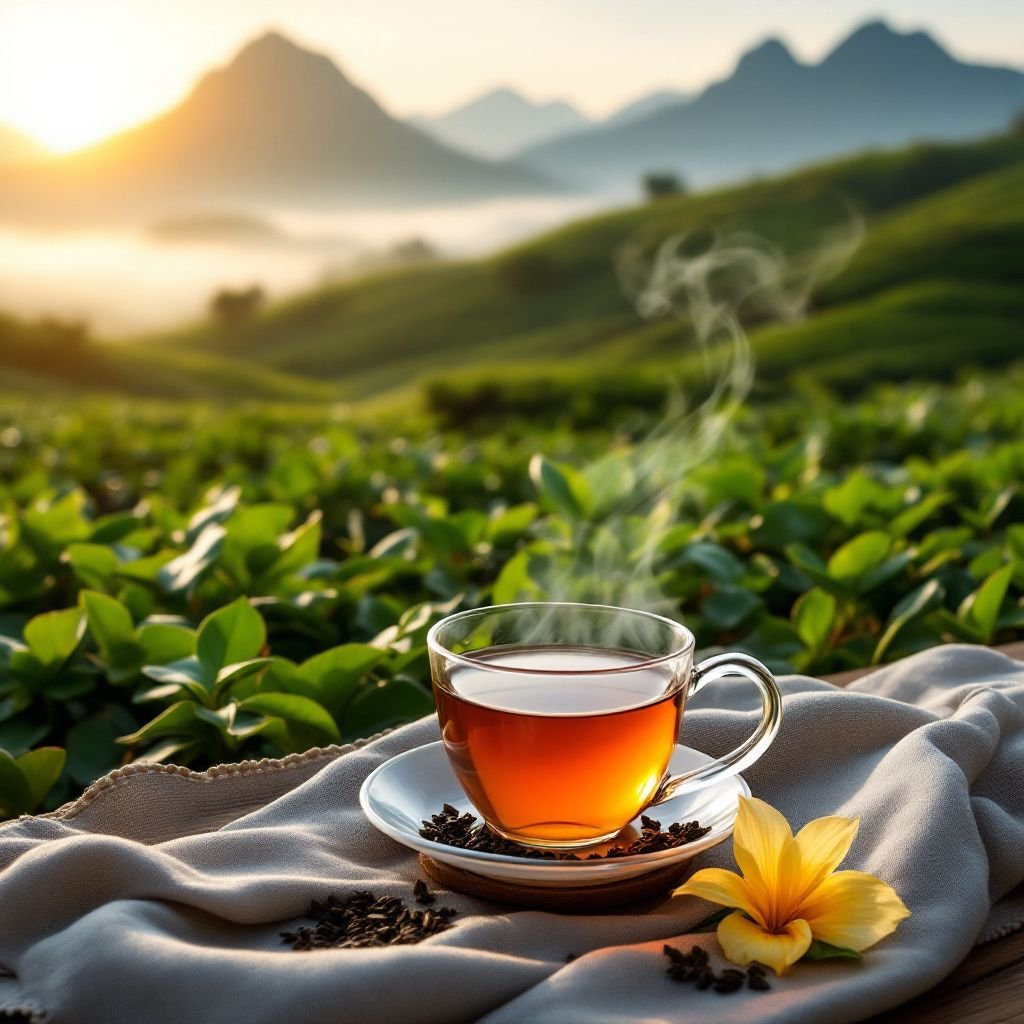
Another option is to explore tea farms in regions like Thai Nguyen, which is known for its high-quality teas. These farms often host tea ceremonies that provide insight into the local tea production and culture. Local travel agencies can also arrange personalized tours that include tea ceremonies tailored to your interests. For a deeper dive into Vietnam’s ancient tea heritage, the Suoi Giang ancient tea trees in Yen Bai Province offer a truly unique experience.
Costs and What is Included
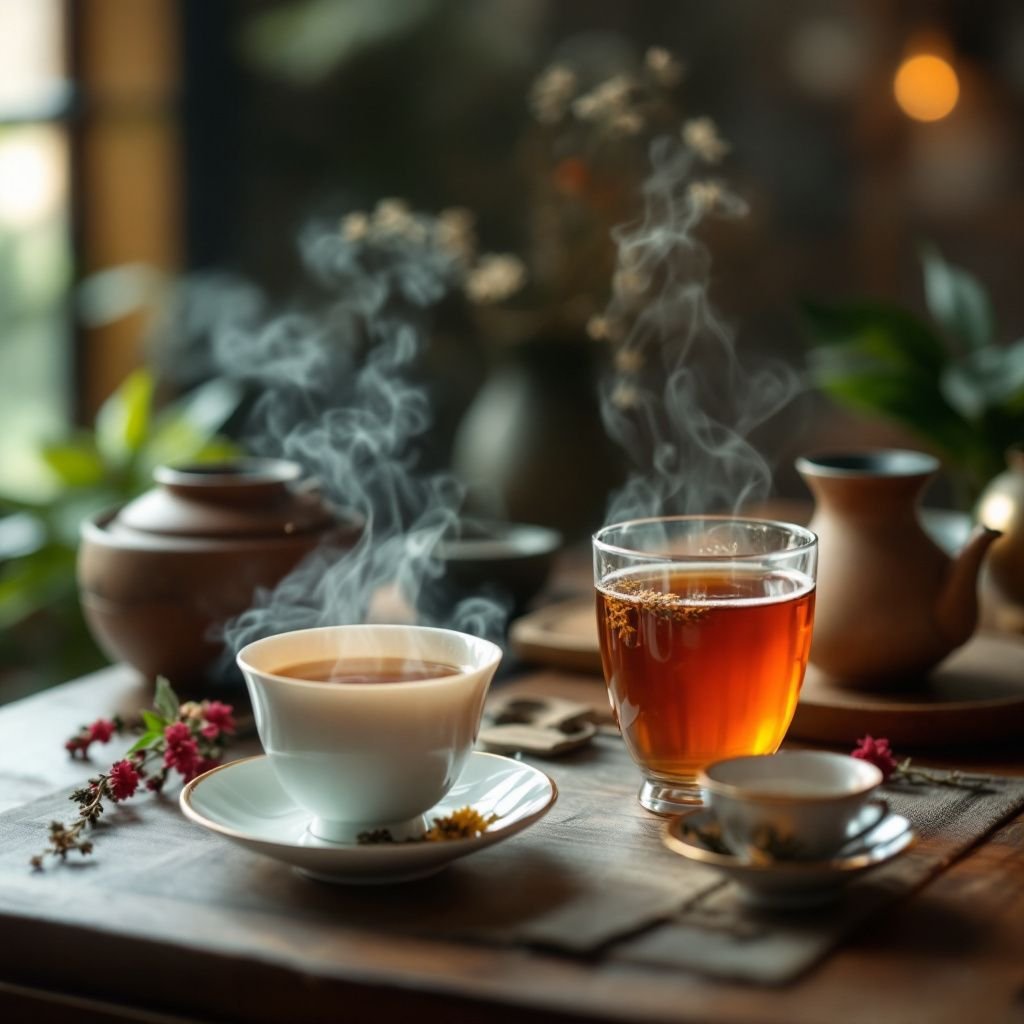
The cost of participating in a Vietnamese tea ceremony can vary widely depending on the location and the type of experience offered. In general, you can expect to pay between $10 to $50 per person. This fee typically includes the tea ceremony itself, a variety of teas for tasting, and small snacks that pair well with the teas.
Some venues may offer additional services such as guided meditation sessions, cultural performances, or educational talks about Vietnamese tea culture. It’s essential to confirm what is included in the package when making your booking to ensure a comprehensive experience. At Hien Minh Tea House, for example, the cost of a ceremony includes a guided explanation of the tea ritual and the opportunity to sample rare teas.
Tips for First-Timers
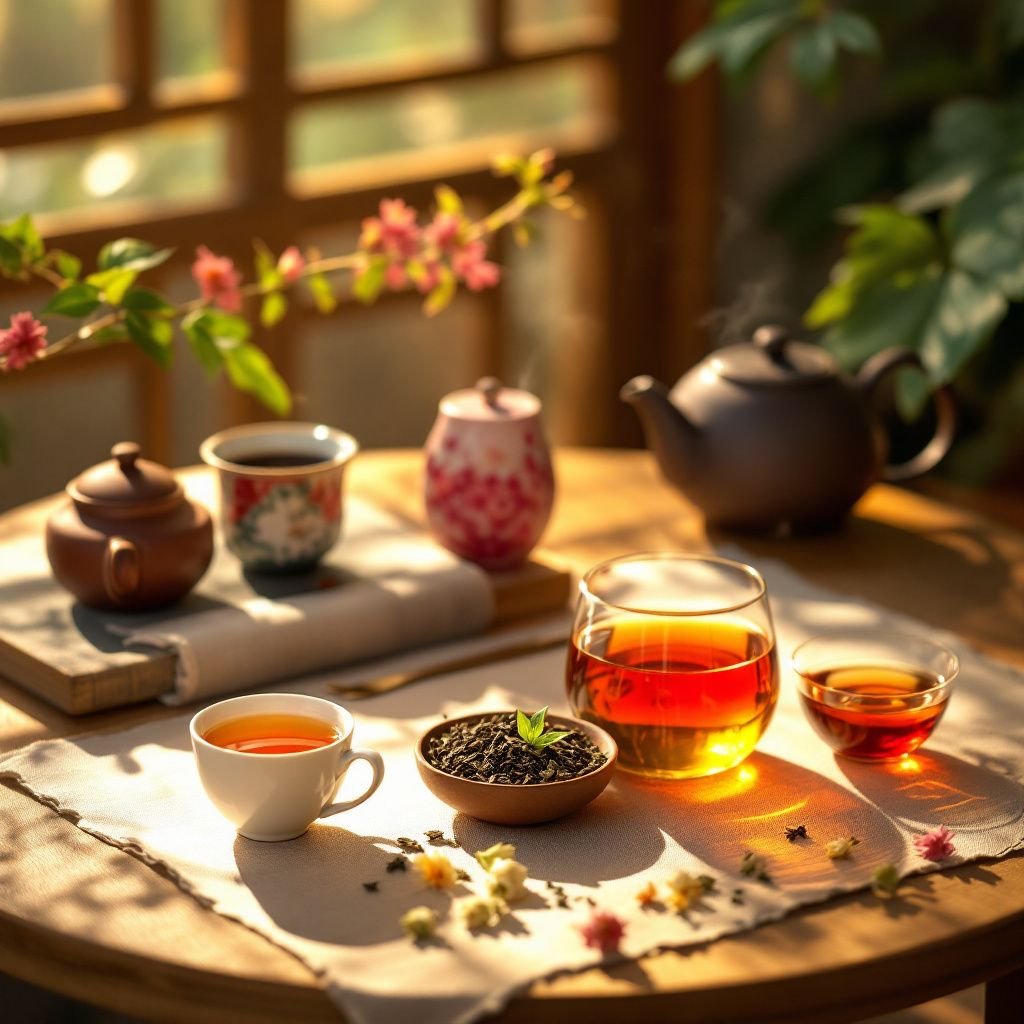
For those attending their first Vietnamese tea ceremony, here are some tips to enhance your experience. Firstly, arrive early to settle in and soak up the ambiance. This will also give you a chance to observe any preliminary setups. Secondly, dress comfortably but respectfully; traditional or semi-formal attire is often appreciated.
When participating in the ceremony, pay attention to the host’s instructions and follow their lead. Vietnamese tea ceremonies are about mindfulness and respect, so engage fully with each step of the process. Also, be open to trying different types of tea, as this is a rare opportunity to taste authentic Vietnamese teas, such as the fragrant lotus tea or the robust Thai Nguyen tea.
Best Time to Go
The best time to experience a Vietnamese tea ceremony is during the spring and autumn months. These seasons offer mild weather, making it ideal for enjoying an outdoor ceremony or exploring tea gardens. Spring is particularly special as it’s the time when lotus flowers bloom, enhancing the lotus tea ceremony experience with fresh, aromatic blossoms.
While ceremonies are available year-round, attending during these seasons also means you may partake in seasonal teas that are not available at other times of the year. For instance, spring teas often have a fresh, floral aroma, while autumn teas might offer more robust flavors. For a deeper understanding of tea varieties, our guide to Japanese green tea varieties from sencha to gyokuro provides excellent context for appreciating different tea profiles.
Alternatives and Similar Experiences
If you’re intrigued by the Vietnamese tea ceremony but unable to attend one, there are several alternative experiences that offer similar insights into Vietnamese tea culture. Many tea houses in Vietnam, such as those in Hanoi and Ho Chi Minh City, offer tasting sessions where you can sample a variety of local teas and learn about their origins and processing methods.
Another alternative is to visit a local tea farm, particularly in the Thai Nguyen region, where you can observe the tea-making process from leaf to cup. These visits often include a simplified version of the tea ceremony, providing a practical understanding of Vietnamese tea traditions. Additionally, tea festivals held throughout the year in Vietnam offer vibrant celebrations of tea culture, featuring performances, workshops, and of course, tea tastings.
Related Guides
- Japanese Tea Ceremony: An In-depth Guide
- Exploring Chinese Tea Culture
- Indian Tea Tasting Tours
- Sri Lanka Tea Trails: A Traveler’s Guide
- A Thai Tea Experience: Culture and Tradition
Frequently Asked Questions
What is the significance of the lotus in Vietnamese tea ceremonies?
The lotus is a symbol of purity and enlightenment in Vietnamese culture, and using lotus flowers to scent the tea adds a layer of spiritual significance to the ceremony.
How does Vietnamese tea differ from other Asian teas?
Vietnamese teas often have a unique floral or herbal aroma, thanks to the practice of scenting teas with flowers like lotus and jasmine.
Can I purchase Vietnamese tea pots as souvenirs?
Yes, many tea houses and markets sell traditional Vietnamese tea pots, which make excellent souvenirs.
Is it necessary to have prior knowledge of tea to attend a ceremony?
No prior knowledge is required.
Are there any etiquette rules to follow during a Vietnamese tea ceremony?
Yes, participants are expected to be respectful, follow the host’s instructions, and engage quietly and mindfully with the ceremony.
