
Quick Facts Box

- Country: China
- Region: Fujian Province
- Best Time to Visit: March to May, September to November
- Currency: Chinese Yuan (CNY)
- Language: Mandarin Chinese, with local dialects
- Visa Requirements: Tourist visa required for most nationalities
Introduction with Destination Overview
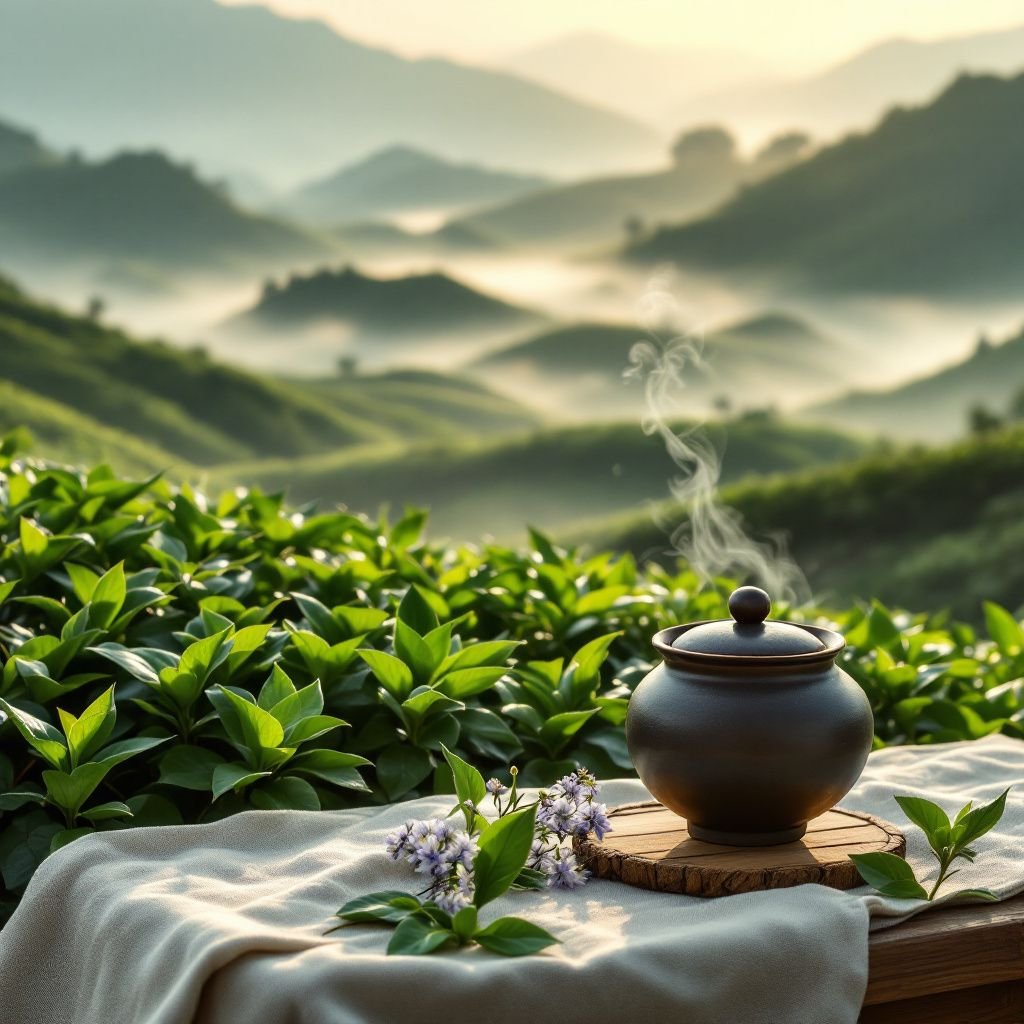
Fujian Province, set along the southeastern coast of China, is renowned for its lush landscapes and rich tea culture. This region is home to some of the most prestigious tea estates in the world, offering a unique blend of luxury and authenticity. From the dramatic cliffs of the Wuyi Mountains to the rolling hills of Anxi, Fujian presents a spectacular vista for tea lovers and travel enthusiasts alike. Embarking on a Fujian tea estate stay promises not only immersive cultural experiences but also the tranquility of nature intertwined with the elegance of tea tourism.
Best Tea Regions in Fujian
The Wuyi Mountains and Anxi are two of Fujian’s most famous tea-producing regions. The Wuyi Mountains, a UNESCO World Heritage site, are famed for their distinctive rock oolong teas, particularly Da Hong Pao. Here, tea gardens such as the renowned Tianxin Tea Garden offer vistas of jagged cliffs and serene river valleys, perfect for nature walks and tea tastings. In contrast, Anxi is the birthplace of Tieguanyin, an oolong tea celebrated for its floral aroma and smooth flavor. Visiting the Anxi Tieguanyin Cultural Garden provides an insight into the meticulous craft of oolong production, set against a backdrop of verdant hills.
Types of Tea Produced
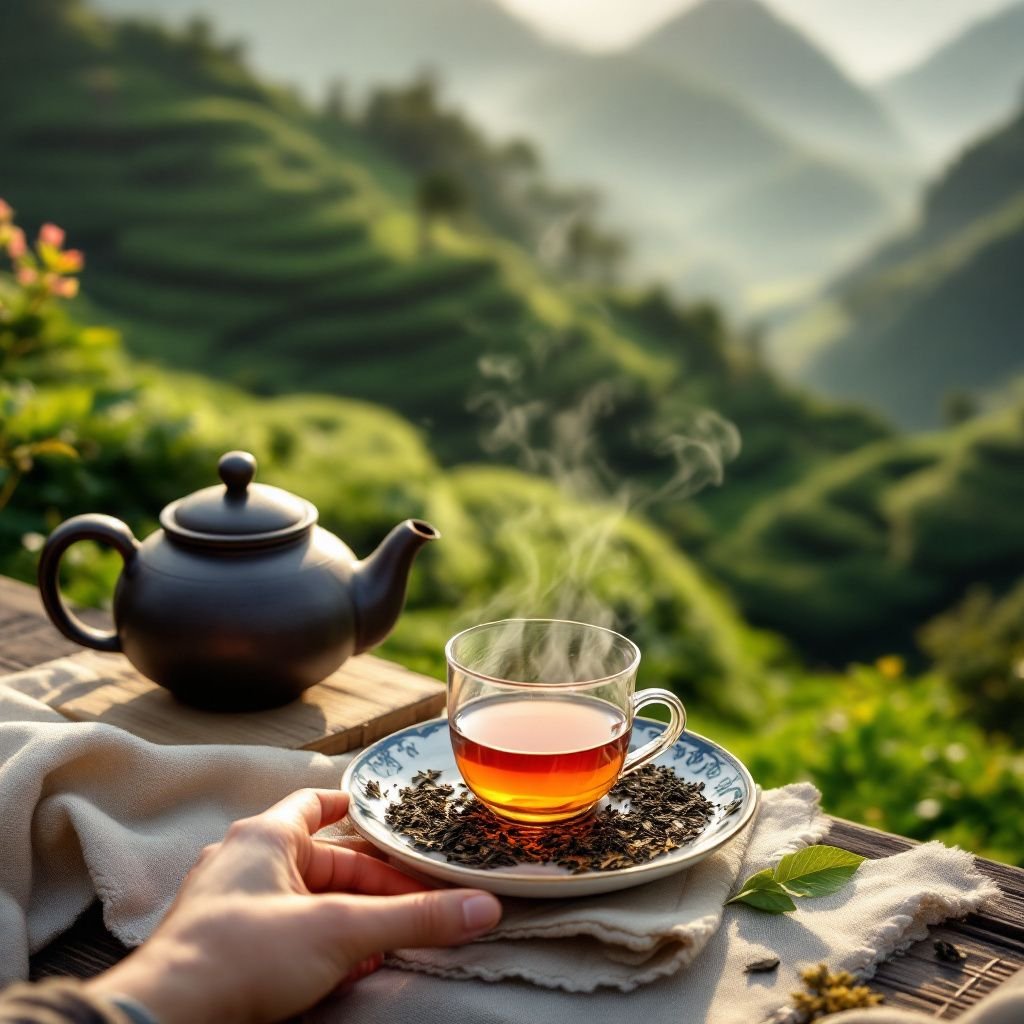
Fujian is a treasure trove of tea varieties, each with distinct tasting notes. In the Wuyi Mountains, rock oolongs are prized for their mineral-rich flavors and complex profiles. Da Hong Pao, often dubbed the “king of teas,” is renowned for its lingering aftertaste and rich aroma. Meanwhile, Anxi is synonymous with Tieguanyin, an oolong that offers floral notes and a creamy texture. White teas such as Bai Mudan and Silver Needle are also produced in Fujian, known for their delicate sweetness and pale, straw-colored liquor.
Tea Tourism Experiences
Fujian’s tea estates offer a myriad of experiences for visitors. Tea tastings are a staple, allowing guests to savor a spectrum of flavors under expert guidance. Many estates also provide comprehensive tours of their production facilities, revealing the intricate processes involved in crafting world-class teas. Participating in a traditional Chinese tea ceremony is another highlight, offering a meditative exploration of tea’s cultural significance. Additionally, some estates offer workshops on tea picking and processing, providing hands-on experiences that deepen appreciation for this ancient craft.
For more on Chinese tea travel, explore our guide to tea markets of Guangzhou.
Best Time to Visit
The optimal time to visit Fujian tea estates is during the spring (March to May) and autumn (September to November). These seasons offer pleasant weather, ideal for exploring the tea gardens and engaging in outdoor activities. Spring marks the start of the tea picking season, with fresh leaves ushering in vibrant flavors. In autumn, the landscape is adorned with golden hues, and the weather is mild, offering a comfortable climate for travelers.
How to Get There
Fujian is well-connected by air, train, and road. The primary entry points are Fuzhou Changle International Airport and Xiamen Gaoqi International Airport, with regular flights from major cities in China and international hubs. The region is also accessible via the extensive Chinese high-speed rail network, with trains connecting to key cities such as Beijing, Shanghai, and Guangzhou. Local transportation options include buses and taxis, with car rentals available for those wishing to explore at their own pace.
Where to Stay
Accommodation options in Fujian range from budget-friendly guesthouses to luxurious tea estate stays. In the Wuyi Mountains, Wuyi Mountain Villa offers stunning views and proximity to tea gardens. For those seeking an Anxi oolong stay, the Anxi Tieguanyin Tea Garden Hotel combines modern comforts with traditional aesthetics. Luxury travelers might consider the Fuli Tea Resort, known for its upscale amenities and immersive tea experiences. For a unique stay, opt for a traditional homestay on a tea plantation, providing an authentic glimpse into local life.
For more on Chinese tea travel, explore our guide to tea ceremony workshops in Hangzhou.
Costs and Budgeting
The cost of a Fujian tea estate stay can vary widely depending on the level of luxury and experiences included. Budget travelers can expect to spend around 200-300 CNY per day, while mid-range accommodations may cost between 500-800 CNY. Luxury stays, including exclusive tea estate experiences, can range from 1000 CNY and upwards per night. Meal costs are typically low, with local restaurants offering hearty meals for as little as 30 CNY.
Sample Itineraries
3-Day Itinerary
Day 1: Arrival in Xiamen, transfer to Wuyi Mountains, visit a local tea garden and enjoy a tea tasting session.
Day 2: Explore the Wuyi Mountain Scenic Area, participate in a tea ceremony, and hike through tea plantations.
Day 3: Transfer to Anxi, visit the Tieguanyin Cultural Garden, and depart from Xiamen.
For more on Chinese tea travel, explore our guide to oolong tea gardens of Miaoli.
5-Day Itinerary
Day 1-2: Follow the 3-day itinerary.
Day 3: Full day exploring Anxi tea plantations, with a workshop on tea processing.
Day 4: Visit local markets, and enjoy a culinary tour in Fuzhou.
Day 5: Leisure day at a luxury tea estate, depart from Fuzhou.
7-Day Itinerary
Day 1-3: Follow the 5-day itinerary.
Day 4: Scenic drive to Fujian Tulou, explore traditional earthen buildings.
Day 5: Return to Wuyi Mountains for further exploration of remote tea gardens.
Day 6: Visit the Fujian Tea Museum, engage in a tea blending workshop.
Day 7: Relax at a spa in a luxury resort, depart from Xiamen.
- Q: Do I need to know Chinese to visit Fujian tea estates?
A: While knowing Chinese can enhance your experience, many estate staff speak enough English to assist international visitors.
- Q: Can I buy tea directly from the estates?
A: Yes, most tea estates offer visitors the opportunity to purchase their products, often at a discount.
- Q: Are there vegetarian dining options available?
A: Yes, most places in Fujian offer vegetarian dishes, especially in tourist areas.
- Q: Is it necessary to book tea estate stays in advance?
A: It’s highly recommended to book in advance, especially during peak travel seasons.
- Q: What should I pack for a tea estate stay in Fujian?
A: Pack comfortable clothing for walking, a light jacket for cooler evenings, and insect repellent.
Frequently Asked Questions
Do I need to know Chinese to visit Fujian tea estates?
While knowing Chinese can enhance your experience, many estate staff speak enough English to assist international visitors.
Can I buy tea directly from the estates?
Yes, most tea estates offer visitors the opportunity to purchase their products, often at a discount.
Are there vegetarian dining options available?
Yes, most places in Fujian offer vegetarian dishes, especially in tourist areas.
Is it necessary to book tea estate stays in advance?
It’s highly recommended to book in advance, especially during peak travel seasons.
What should I pack for a tea estate stay in Fujian?
Pack comfortable clothing for walking, a light jacket for cooler evenings, and insect repellent.
