
Honeybush Tea at a Glance

- Country: South Africa
- Region: Eastern and Western Cape
- Best Time to Visit: Spring (September to November) and Autumn (March to May)
- Currency: South African Rand (ZAR)
- Language: English, Afrikaans
- Visa Requirements: Visa-free for many countries; check local regulations
Honeybush Tea: South Africa’s Hidden Herbal Gem
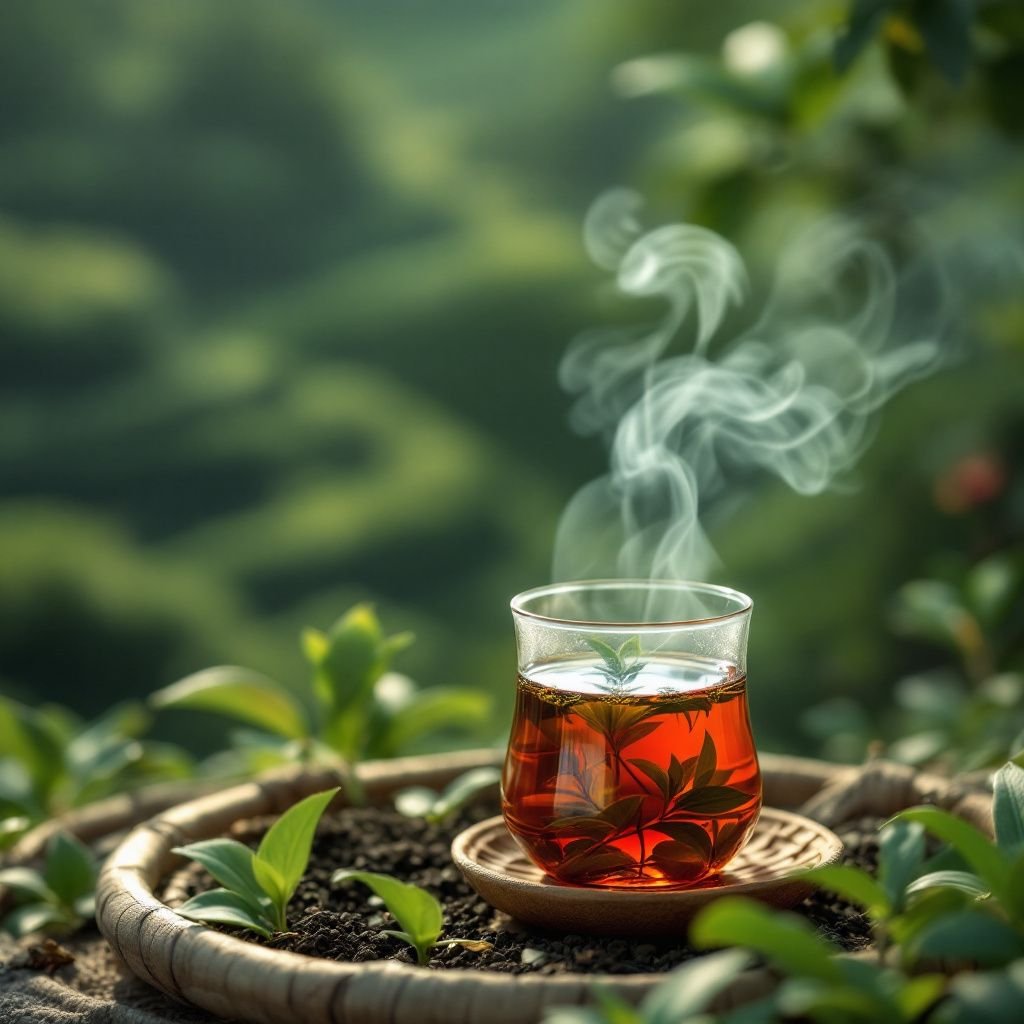
South Africa’s tea tourism often conjures images of the famous rooibos tea from the Cederberg Mountains. Yet, a lesser-known gem is waiting to be discovered: honeybush tea. Predominantly found in the Eastern and Western Cape, honeybush tea offers a fragrant and healthful alternative to its more famous cousin. Known scientifically as Cyclopia, honeybush tea is named for its sweet, honey-like aroma that captivates both locals and travelers. In this exploration, we delve into the heart of South Africa’s other wild herbal tea heritage, uncovering the natural beauty and cultural significance that honeybush tea tourism brings to the region.
Best Honeybush Tea Regions in South Africa
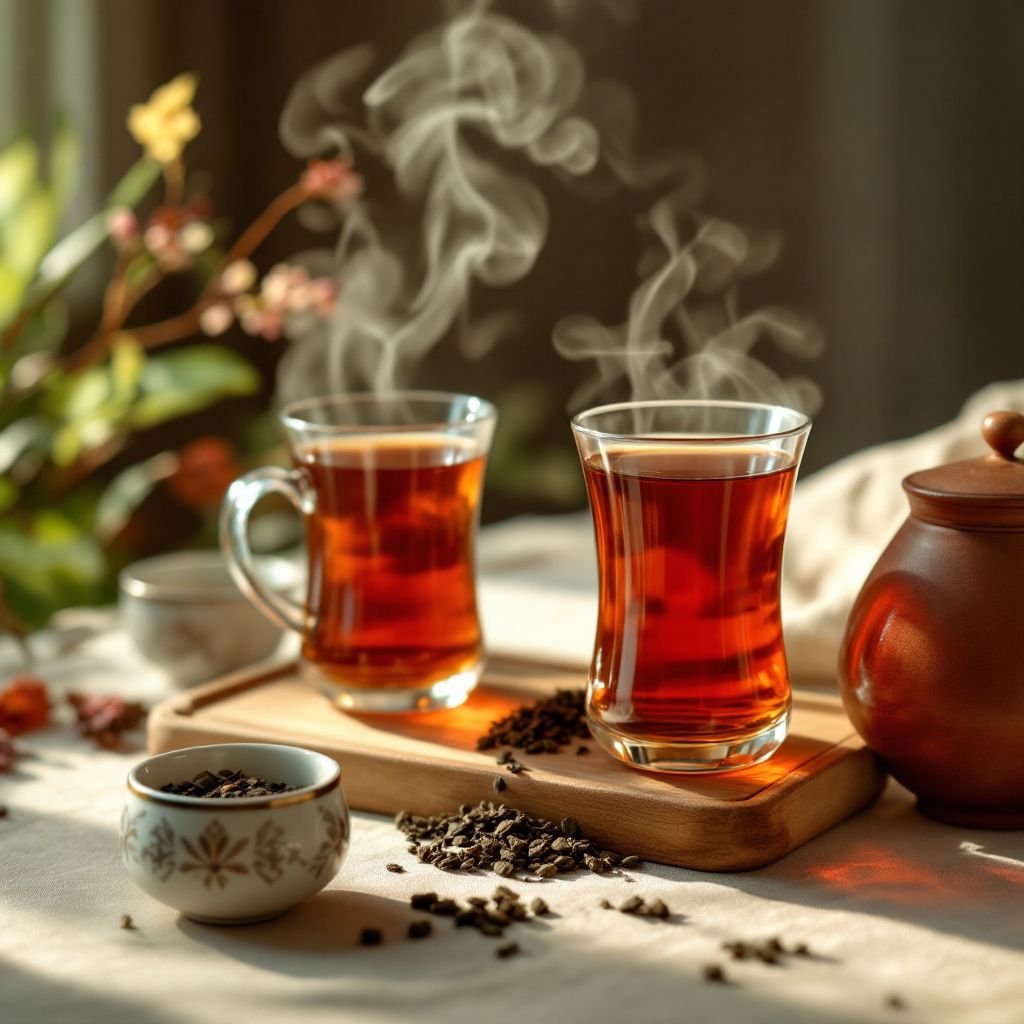
The best regions for honeybush tea are the coastal and mountainous areas of the Eastern and Western Cape. The Langkloof Valley and mountainous areas near Tsitsikamma are particularly renowned for their natural growth of honeybush. Here, the tea grows wild and is harvested sustainably. Estates like the Heiveld Co-operative and the Wupperthal Rooibos are also involved in the cultivation and tourism aspects of honeybush tea, offering guided tours and hands-on experiences in tea harvesting and processing.
Types of Honeybush Tea

Honeybush tea is primarily produced from several species of the Cyclopia plant. The most common types include Cyclopia intermedia and Cyclopia subternata. Each species offers unique flavor profiles. Cyclopia intermedia is often described as sweet and floral, with a lightly woody undertone, while Cyclopia subternata features a more robust, slightly astringent taste. The fermentation process also affects the flavor, enhancing the sweetness and adding depth to the tea’s character. Tasting notes often highlight floral, honey, and slight earthy tones, making honeybush a versatile and enjoyable beverage.
Honeybush Tea Tourism Experiences
Honeybush tea tourism offers a variety of experiences that cater to tea enthusiasts and casual travelers alike. Visitors can embark on guided tours of tea estates where they learn about the wild harvesting process, participate in tea tastings, and even engage in tea brewing workshops. The Heiveld Co-operative is particularly noted for its community-focused approach, where tourists can interact with local tea farmers and learn about sustainable farming practices. Additionally, some tours include hiking excursions through the picturesque landscapes of the Cape Floral Kingdom, providing breathtaking views and the chance to see honeybush plants in their natural habitat. For a broader perspective on healing tea experiences, see our guide to tea wellness retreats worldwide. For a broader South African tea adventure, consider combining your visit with rooibos and rhino eco-tours in the Cederberg region.
Best Time to Visit Honeybush Tea Country
The best time to visit the honeybush regions of South Africa is during the spring (September to November) and autumn (March to May). During these seasons, the weather is mild, making it ideal for outdoor activities such as hiking and exploring tea plantations. Springtime also coincides with the blooming of the region’s diverse flora, providing a vibrant backdrop to your tea tourism adventure. Autumn offers a cooler climate, perfect for sipping warm cups of honeybush tea as you take in the beautiful landscapes.
How to Get to South Africa’s Honeybush Tea Regions
Reaching the honeybush tea regions involves a combination of flights and local transport. The nearest major airport is Cape Town International Airport, which offers connections to various global destinations. From Cape Town, visitors can rent a car or take a bus to the Eastern or Western Cape regions, which are well connected by roads. Alternatively, travelers can use local flights to reach smaller airports closer to the tea-growing areas, such as George Airport. Trains and buses are also available for those preferring a scenic route through South Africa’s diverse terrains.
Where to Stay Near Honeybush Tea Farms
Accommodation options in the honeybush regions range from budget-friendly guesthouses to luxurious lodges. For a unique experience, consider staying at a tea estate such as the Wupperthal Rooibos, which offers comfortable accommodations amidst the serene surroundings of the plantation. Budget travelers can opt for guesthouses in nearby towns like George or Knysna, which provide easy access to tea tours and local attractions. Luxury seekers may enjoy the exquisite lodges along the Garden Route, where they can indulge in gourmet meals and spa treatments after a day of exploring.
Costs and Budgeting for Your Honeybush Tea Trip
The cost of traveling to South Africa’s honeybush tea regions can vary significantly based on accommodation preferences and activities. On average, budget travelers can expect to spend around $50 to $100 per day, covering basic accommodation, meals, and local transport. Mid-range travelers might budget approximately $100 to $200 daily, which includes more comfortable lodging and additional activities such as guided tours and tastings. For a luxury experience, plan for $200 and above per day, enjoying premium accommodations and exclusive tea tourism experiences.
Sample Honeybush Tea Itineraries
3-Day Itinerary
Day 1: Arrive in Cape Town, transfer to the Western Cape. Visit a local honeybush tea estate for an introduction and tasting session.
Day 2: Take a guided hiking tour in the Cape Floral Kingdom, followed by a workshop on tea brewing techniques.
Day 3: Explore nearby towns, enjoy local cuisine, and purchase honeybush tea as souvenirs before returning to Cape Town.
5-Day Itinerary
Day 1-3: Follow the 3-day itinerary.
Day 4: Travel to the Eastern Cape, visit additional tea estates, and participate in a wild harvesting experience.
Day 5: Relax in a luxurious lodge, enjoy a spa day, and savor a gourmet meal featuring local ingredients.
7-Day Itinerary
Day 1-5: Follow the 5-day itinerary.
Day 6: Engage in a cultural tour to learn about the indigenous communities and their role in tea production.
Day 7: Spend a leisure day exploring the Garden Route’s natural beauty before departing from Cape Town.
Related South Africa Tea Travel Guides
Explore more about South Africa’s tea culture with our guide to South Africa Rooibos Hub. Discover the health properties and potential rooibos tea side effects before your visit, and plan a hands-on experience with our Cederberg Rooibos Farm Tours guide.
Frequently Asked Questions
What is honeybush tea?
Honeybush tea is a naturally sweet, caffeine-free herbal tea made from the Cyclopia plant, native to South Africa.
How is honeybush tea harvested?
Honeybush tea is often wild-harvested from the mountainous regions of the Eastern and Western Cape, using sustainable methods.
Is honeybush tea similar to rooibos?
While both are South African herbal teas, honeybush is sweeter and has a different flavor profile compared to rooibos.
Can I visit honeybush tea plantations?
Yes, several plantations offer tours, tastings, and workshops for visitors interested in learning about honeybush tea.
What health benefits does honeybush tea offer?
Honeybush tea is rich in antioxidants and may support heart health, improve digestion, and boost the immune system.
