
What to Expect

Embarking on a rooibos and wildlife tour in South Africa offers a unique fusion of tea tourism and wildlife conservation, set against the stunning backdrop of the Cederberg Mountains. These tours provide travelers an opportunity to explore rooibos plantations, participate in authentic tasting sessions, and witness the expansive wildlife reserves dedicated to rhino conservation. As you traverse through the breathtaking landscapes, you’ll learn about the intricate connection between sustainable farming practices and the preservation of one of Africa’s most iconic animals, the rhino. Ashwagandha Tea: Benefits, Recipes, and Wellness T.
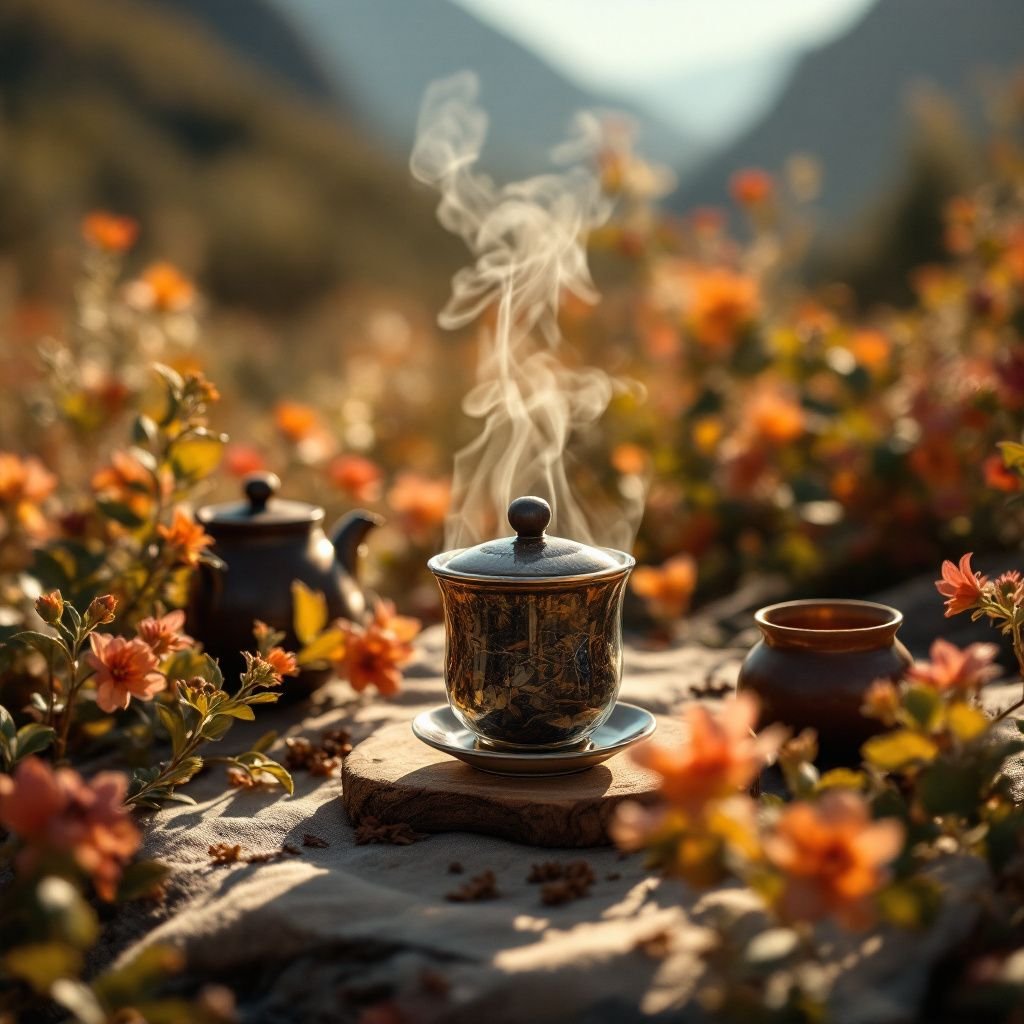
On a typical tour, expect to start your journey at a local rooibos farm where you’ll gain insights into the cultivation and processing of this indigenous tea. Guides will lead you through the rows of the vibrant green shrubs, explaining the significance of rooibos to the local economy and its ecological benefits. Taste sessions allow you to appreciate the distinct flavors and aromas of different rooibos blends, from the robust red to the delicate green varieties. Cederberg Rooibos Farm Tours: Where Rooibos Grows.
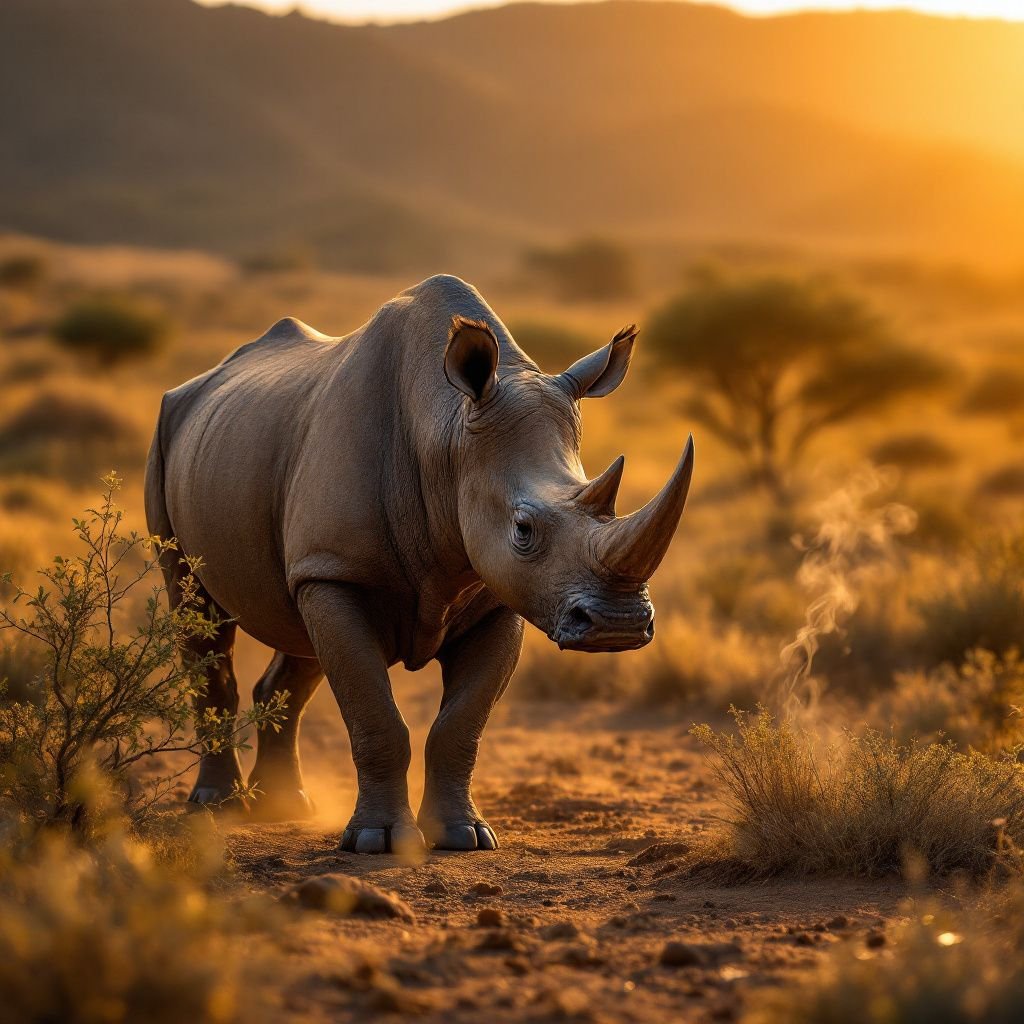
The wildlife aspect of the tour introduces you to the conservation efforts aimed at protecting rhinos from poaching. Visiting private reserves and national parks, you’ll have the chance to see these majestic creatures in their natural habitat. Conservation experts will share the challenges and successes of their anti-poaching initiatives, enhancing your understanding of how tea tourism supports these vital efforts. South African Rooibos Tea Route: Cederberg Travel . For more on South Africa’s unique tea landscape, read our South Africa tea travel guide.
Booking Information
Booking a rooibos and wildlife tour is straightforward, with numerous operators offering a range of packages that can be tailored to fit your preferences and schedule. Most tours can be booked online through travel agencies specializing in eco-friendly tourism, or directly via the websites of the rooibos farms and wildlife reserves. You can also explore the rooibos heritage of the Cederberg mountains for deeper context on this unique tea region.
For a comprehensive experience, consider booking well in advance, particularly if you plan to travel during peak seasons when both rooibos harvesting and wildlife viewing are at their best. Options range from day trips to multi-day excursions, often including accommodations, meals, and guided tours. Be sure to inquire about group sizes, as smaller groups often provide a more intimate and personalized experience.
The price of these tours varies, depending on the length of the tour, the inclusiveness of meals and accommodations, and the specific activities you choose. Some operators offer eco-friendly lodging options, allowing you to immerse yourself fully in the serene beauty of the Cederberg region while minimizing your environmental footprint.
Costs and What is Included

Rooibos and wildlife tours are typically priced to accommodate a range of budgets, ensuring that eco-conscious travelers can partake in this unique experience. Expect to pay anywhere from $100 for a basic day trip to upwards of $1,000 for a luxurious multi-day excursion that includes premium accommodations and exclusive access to certain areas of the reserves.
Most packages include transportation to and from major cities like Cape Town, guided tours of rooibos farms and wildlife reserves, and entrance fees to protected areas. Meals are often provided and feature local cuisine, emphasizing farm-to-table freshness with ingredients sourced directly from the surrounding region.
It’s important to verify what each tour package includes, as some may offer additional activities such as cultural experiences, like traditional African music performances or cooking classes, while others might prioritize extended wildlife safaris or more in-depth rooibos workshops.
Tips for First-Timers
For first-time visitors, preparation is key to maximizing your rooibos and wildlife tour experience. Start by researching the Cederberg region’s climate and packing accordingly. The area is known for its hot, dry summers and cooler, wet winters, so layered clothing is advisable.
Stay hydrated and protect yourself from the sun with a hat, sunscreen, and sunglasses, especially if you plan to spend extended time outdoors. Comfortable footwear is essential for walking tours through the tea plantations and wildlife reserves.
Consider bringing a pair of binoculars for better wildlife viewing and a camera to capture the breathtaking landscapes and unforgettable moments. Engaging with your guides and asking questions can greatly enhance your understanding of the local culture, ecosystems, and conservation efforts.
Best Time to Go
The ideal time to embark on a rooibos and wildlife tour in the Cederberg region is from late summer to early autumn, between February and April. During this period, the rooibos plants are typically harvested, allowing you to witness or even participate in the process. The weather is generally mild, making it comfortable for outdoor activities and wildlife viewing.
Alternatively, visiting in the spring months of September to November offers a chance to see the landscape in full bloom, with wildflowers adding vibrant colors to the scenery. Wildlife viewing is also excellent during this time, as many animals are more active in the cooler temperatures.
If your primary focus is on wildlife, consider the winter months (June to August) when animals, including rhinos, are easier to spot due to the sparse vegetation and cooler weather conditions.
Alternatives and Similar Experiences
If you’re interested in expanding your eco-tourism itinerary in South Africa, consider exploring other regions known for their tea and wildlife offerings. The Eastern Cape is home to several conservation reserves that focus on a broader range of wildlife, including the Big Five, and offer luxury safari experiences.
The Garden Route also offers eco-friendly adventures, including visits to indigenous forest reserves and coastal tea plantations. Here, you can engage in activities like hiking, bird watching, and exploring the diverse marine life along the coastline.
For those captivated by the idea of tea tourism, the KwaZulu-Natal region is another gem. Known for its lush landscapes and rich cultural heritage, it offers unique opportunities to explore local tea estates and experience Zulu culture firsthand.
Frequently Asked Questions
How does the rooibos industry support rhino conservation?
The rooibos industry supports rhino conservation through sustainable farming practices that reduce environmental impact and by contributing part of their proceeds to conservation efforts.
What are the main attractions on a rooibos and wildlife tour?
Key attractions include guided tours of rooibos farms, tea tastings, wildlife safaris focusing on rhino conservation, and opportunities to engage with local conservationists.
Are the tours family-friendly?
Yes, many tours are family-friendly, offering educational activities suitable for children, though it’s advisable to check with individual operators for specific age recommendations.
What should I pack for the tour?
Pack comfortable clothing, a hat, sunscreen, sunglasses, comfortable shoes, a camera, and binoculars.
Is it safe to visit the Cederberg region?
Yes, the Cederberg region is generally safe for tourists, with well-organized tours and experienced guides ensuring a secure and enjoyable experience.
