
Introduction to the Silent Tea Ceremony

The silent tea ceremony, deeply rooted in the spiritual fabric of the Himalayas, offers a transcendent experience for those seeking mindfulness and tranquility. Unlike the bustling tea rituals found elsewhere, this ceremony emphasizes silence, allowing participants to connect deeply with their inner selves and the surrounding environment. This meditative tea ceremony is a unique journey into the heart of Himalayan tea rituals, where silence speaks louder than words.
Origins and Significance of Himalayan Tea Rituals
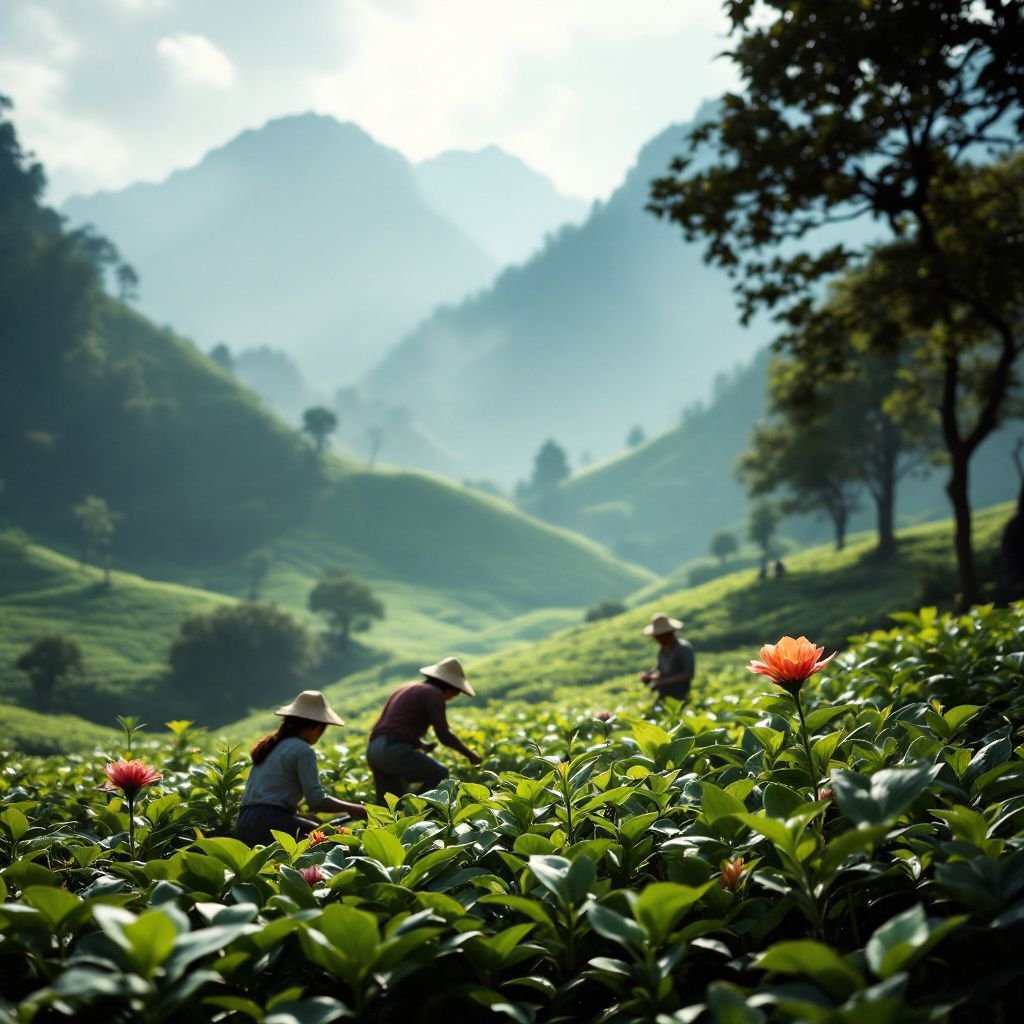
The origins of the Himalayan tea rituals date back centuries, interwoven with the cultural and spiritual practices of the region. These ceremonies have been influenced by both Tibetan Buddhist traditions and Indian spiritual practices. The silent tea ceremony is not merely about drinking tea; it is a form of meditation, a path to spiritual enlightenment. This practice reflects the serene landscapes of the Himalayas, where the majestic mountains provide a backdrop for introspection and peace.
The Meditative Practice of Silent Tea Meditation
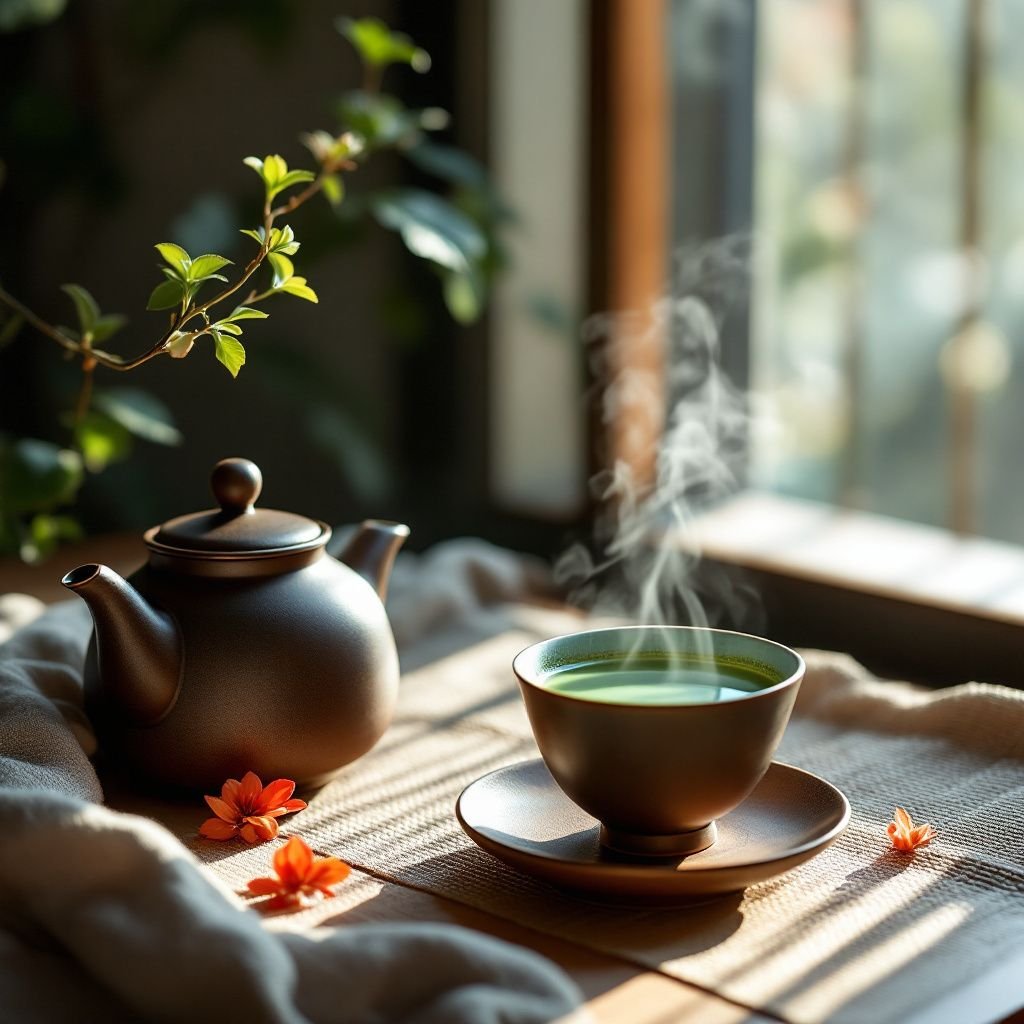
Silent tea meditation is a practice that requires participants to focus entirely on the present moment. The process begins with the careful selection of tea leaves, often sourced from the local Himalayan gardens. Each step, from boiling water to pouring tea, is carried out with mindful attention, creating a space for reflection and inner peace. The absence of verbal communication enhances the sensory experience, allowing the subtle flavors and aromas of the tea to be fully appreciated.
Tea and Spirituality: A Deep Connection
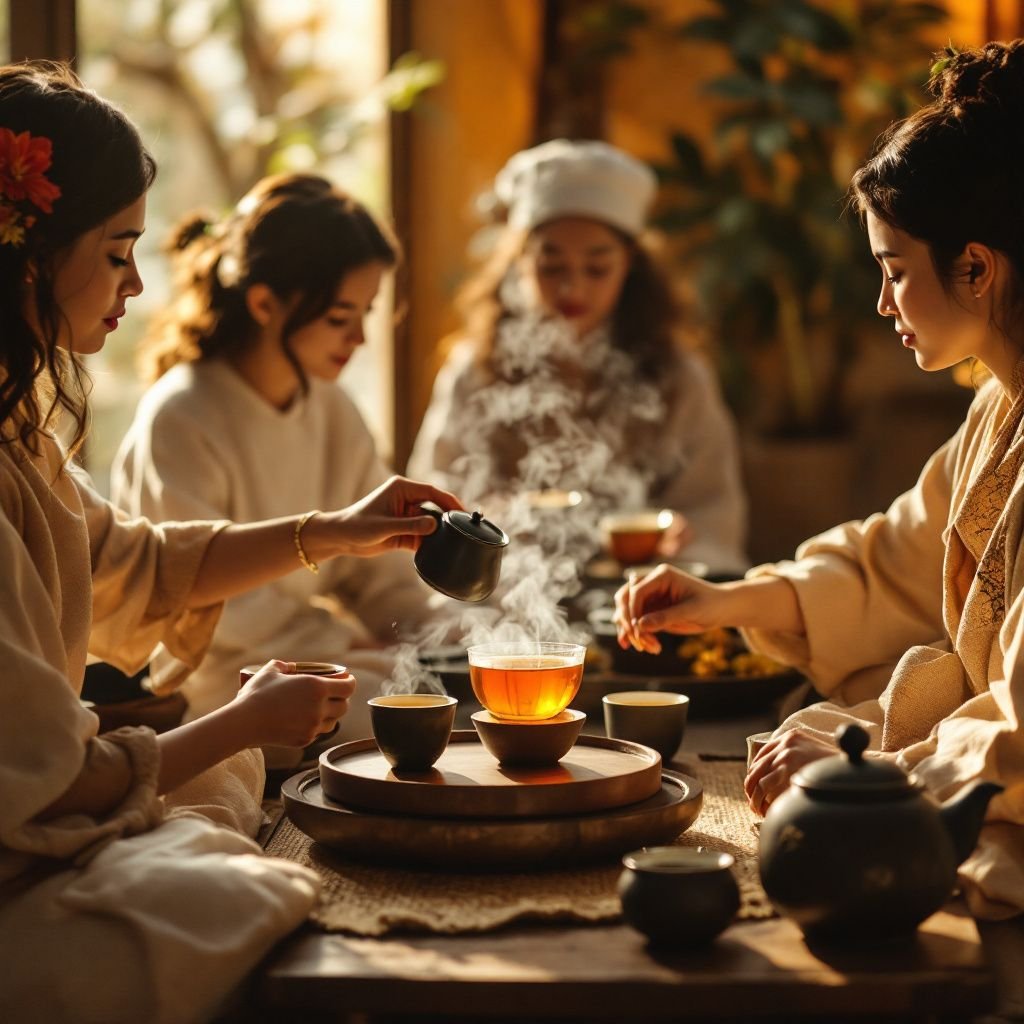
Tea is more than a beverage in the Himalayas; it is a conduit for spiritual connection. The practice of preparing and consuming tea in silence fosters a deep spiritual awareness. Participants often describe a heightened sense of clarity and a stronger connection to their spiritual journey. This mindfulness tea ceremony is a reminder of the simplicity and profundity of life, echoing the teachings of many spiritual traditions. For those drawn to tea ceremony traditions, the Zen tea ceremony experiences in Kyoto temples offer a similarly contemplative practice.
Experiencing a Himalayan Silent Tea Ceremony
Travelers interested in experiencing a Himalayan silent tea ceremony can find several retreats and centers offering this unique practice. These sessions are often held in serene settings, surrounded by the natural beauty of the Himalayas. Participants are guided through the ceremony by experienced practitioners who provide insights into the traditions and meanings behind each step. The experience is both calming and enlightening, leaving a lasting impression on those who partake. You may also explore our curated list of tea wellness retreats worldwide for more mindful travel options.
Best Time to Visit the Himalayas for a Tea Ceremony
The best time to visit the Himalayas for a meditative tea ceremony is during the spring (March to May) and autumn (September to November) months. During these times, the weather is mild, and the landscapes are lush and vibrant, providing the perfect setting for such a reflective experience. The clear skies and pleasant temperatures enhance the overall ambiance, making it an ideal time for spiritual retreats and mindfulness practices.
How to Get There: Journey to the Himalayas
Traveling to the Himalayas for a silent tea ceremony can be an adventure in itself. Most travelers fly into major cities like Kathmandu in Nepal or Delhi in India, from where they can take domestic flights or overland travel to reach the Himalayan foothills. Local transportation options include buses, private taxis, and guided tours, which can be arranged through travel agencies specializing in spiritual and cultural tours.
Where to Stay: Accommodations for Tea Enthusiasts
Accommodations range from budget-friendly guesthouses to luxury retreats set in the hills. Many tea estates offer lodging options where guests can immerse themselves in the local culture and participate in tea-related activities. Staying at these estates provides a unique opportunity to learn about tea cultivation and the significance of tea in local traditions. For a more immersive experience, consider staying at a meditation retreat that offers a comprehensive program of mindfulness practices along with the silent tea ceremony.
Costs and Budgeting for a Himalayan Tea Journey
The cost of experiencing a silent tea ceremony in the Himalayas varies depending on the type of accommodation and activities chosen. On average, travelers can expect to spend between $50 to $200 per day, including accommodations, meals, and participation in the tea ceremony. Budget travelers can find affordable options, while those seeking luxury can opt for high-end retreats offering personalized experiences.
Sample Itineraries for a Mindful Tea Retreat
- 3-Day Itinerary: Arrive in the Himalayas, settle into your accommodation, and participate in your first silent tea ceremony. Spend the next day exploring local tea gardens, learning about the tea-making process, and engaging in mindfulness practices. Conclude with a reflective session on the final day before departure.
- 5-Day Itinerary: In addition to the activities outlined in the 3-day itinerary, include visits to nearby spiritual sites and meditation centers. Participate in daily yoga sessions and guided silent walks through the scenic landscapes.
- 7-Day Itinerary: Extend your stay with more in-depth workshops on tea and spirituality, including guided meditations and discussions on the history and traditions of tea in the Himalayas. Use the additional time to explore the surrounding areas, including hikes and cultural excursions.
Related Guides
For more information on tea ceremonies and spiritual retreats, check out our guides to Tea Ceremonies in Japan and Spiritual Retreats in Asia.
Frequently Asked Questions
What is a silent tea ceremony?
