
Introduction to Planning Your First Tea Tour
Whether you’re a seasoned tea enthusiast who has visited Darjeeling tea tours or or just beginning your journey into the world of tea, planning a tea tour can be a delightful adventure. This guide provides a comprehensive step-by-step approach to planning your first tea-focused international vacation, ensuring you experience the best of what tea tourism has to offer.
Deciding on Your Tea Destination
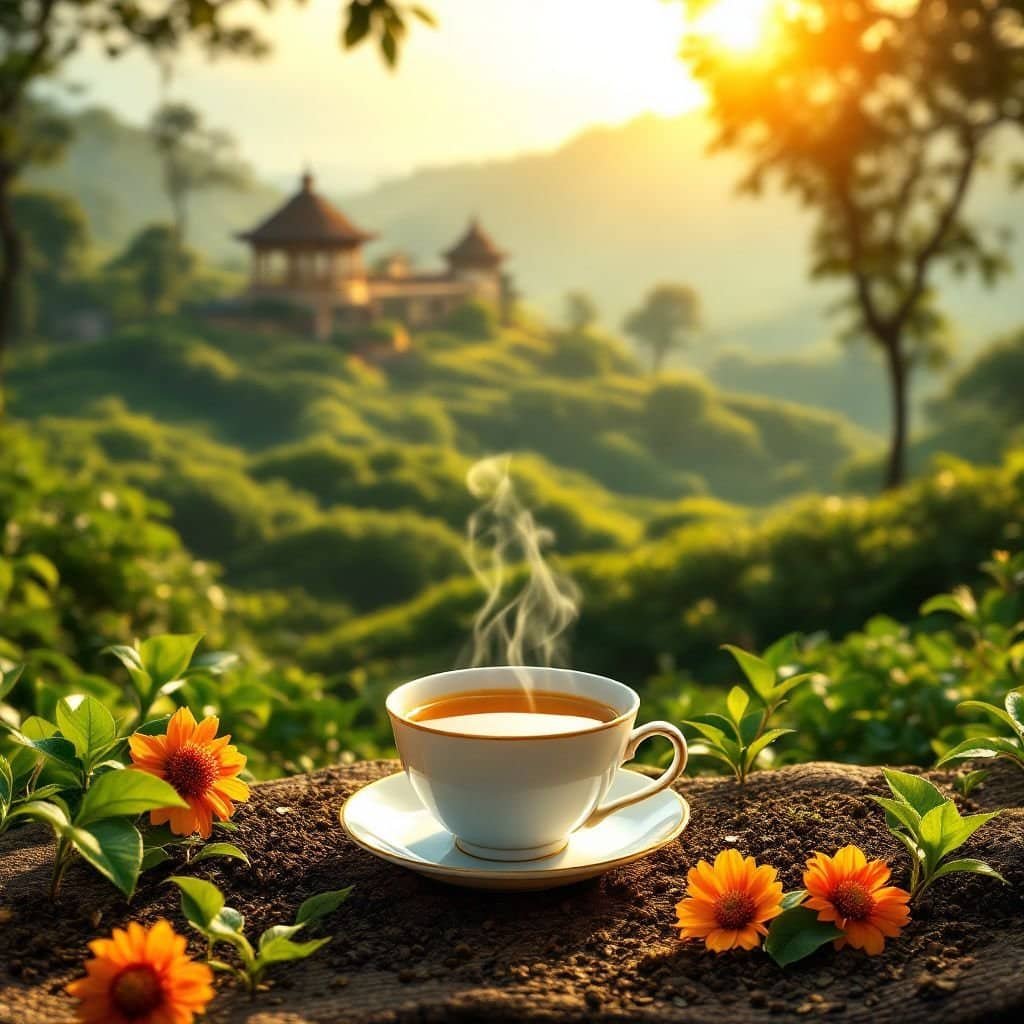
The first step to plan a tea tour is choosing your destination. Consider places known for their rich tea culture and production. Popular destinations include China, Japan, India, Sri Lanka, and Taiwan. Each of these countries offers unique experiences, from visiting ancient tea gardens in China to participating in a traditional Japanese tea ceremony. When selecting a destination, consider the types of tea you enjoy and wish to learn more about. Research the local tea culture and identify whether the region specializes in black, green, oolong, or other types of tea.
China: The Birthplace of Tea
China is the ultimate destination for tea lovers, offering a diverse range of tea types such as green tea from Hangzhou, black tea from Yunnan, and white tea from Fujian. Consider visiting the Longjing tea plantations in Hangzhou or the Pu-erh tea markets in Yunnan.
Japan: The Art of Tea
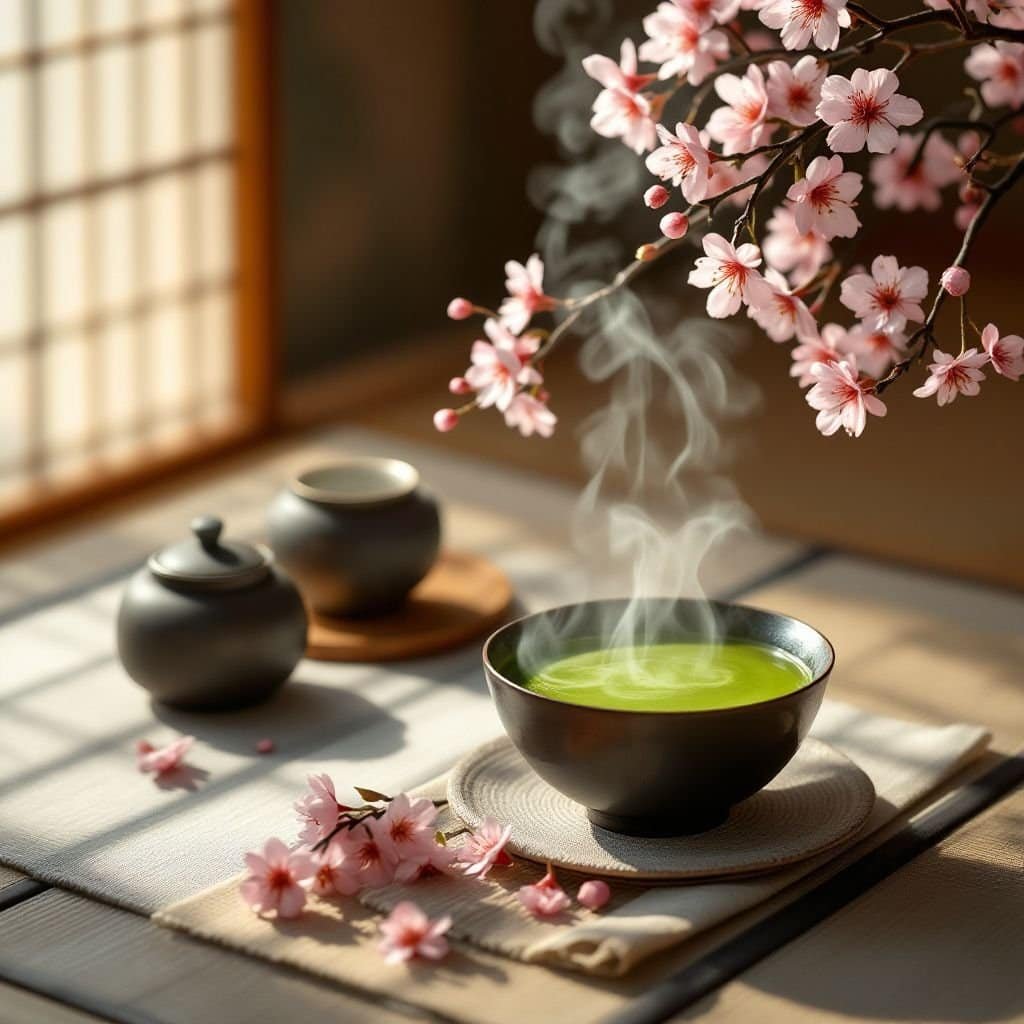
Japan is renowned for its meticulous tea ceremonies and matcha production. A visit to Uji or Shizuoka can provide insight into the cultivation and preparation of high-quality Japanese teas.
Researching Tea Tours and Experiences
Once you’ve chosen a destination, the next step is to research different tea tours and experiences available in the region. Look for tours that offer a blend of educational and immersive experiences, such as guided plantation walks, tea tastings, and workshops. Websites like Tea Tourism and Tea In Focus provide valuable insights into various tea tours worldwide.
Guided Tours vs. Self-Guided Adventures
Decide whether you prefer a structured guided tour or a self-guided exploration. Guided tours often include transportation, meals, and expert-led sessions, offering a hassle-free experience. Alternatively, self-guided tours allow flexibility and the freedom to explore at your own pace.
Crafting Your Tea Travel Itinerary
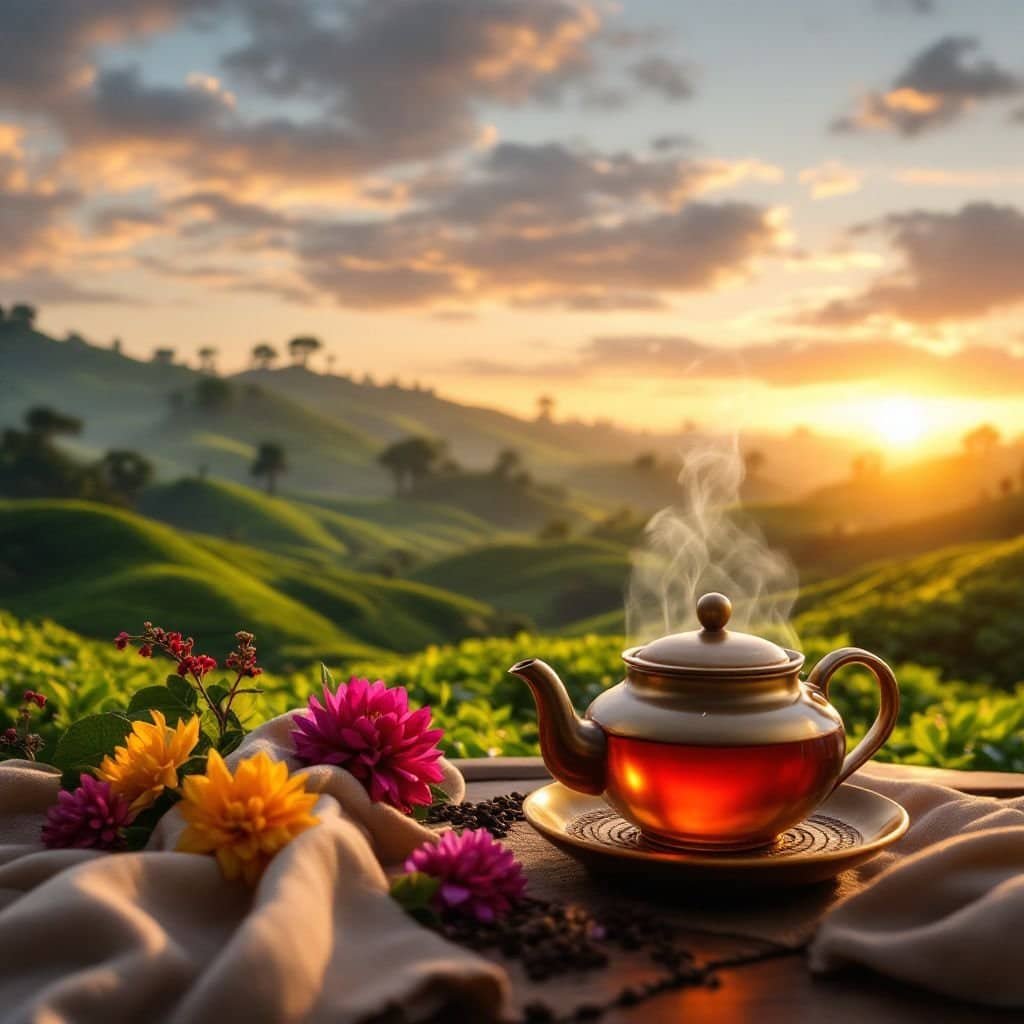
Creating a detailed tea travel itinerary is crucial for a successful trip. Start by listing the key tea gardens and factories you wish to visit, along with any cultural or historical sites. Allocate time for each visit, keeping in mind the travel distances and opening hours of attractions. Consider including rest days to absorb the local culture and explore non-tea related attractions.
Sample Itinerary for a Week-Long Tea Tour in China
- Day 1-2: Arrive in Hangzhou, visit the Longjing tea plantations and the China National Tea Museum.
- Day 3-4: Travel to Fujian for a tea tasting tour of white and oolong teas.
- Day 5-6: Explore the tea markets of Yunnan, focusing on Pu-erh tea.
- Day 7: Leisure day in Shanghai, exploring local markets and tea houses.
Understanding the Best Time for Tea Travel
The timing of your tea tour can significantly impact your experience. Tea harvesting seasons vary by region and type of tea. For instance, the first flush of Darjeeling tea in India occurs from March to April, while the best time to visit Japanese tea plantations is during the spring harvest in May. Research the harvesting periods for your chosen destination to ensure you witness the tea production process at its peak.
Arranging Transportation and Accommodation
Transportation and accommodation are essential components of your tea tour. Book flights well in advance to secure the best rates. Consider local transport options such as trains, buses, or private car hires for getting around once you arrive. For accommodation, look for places that offer proximity to tea gardens or estates. Many regions boast charming homestays, luxury resorts, or eco-lodges situated amidst tea plantations, providing an immersive experience. Explore our guide to the best tea estate stays for inspiration.
Budgeting for Your Tea Tour
Having a clear budget is crucial when planning a tea tour. Costs can vary significantly depending on the destination, tour type, and personal preferences. Consider expenses such as flights, accommodation, tour fees, meals, and souvenirs. It’s advisable to set aside a contingency fund for unexpected costs. On average, a tea tour in Asia can range from $100 to $300 per day, depending on your choices.
Preparing for Cultural Etiquette and Language
Understanding the local culture and language can enhance your tea tour experience. Research the cultural norms and etiquette related to tea drinking in your chosen destination. Learning a few basic phrases in the local language can also be beneficial. Resources like Culture Trip offer insights into cultural practices and language tips for travelers.
Packing Essentials for a Tea Tour
When packing for a tea tour, consider the climate of your destination and the nature of your activities. Essentials include comfortable clothing, sturdy footwear for plantation visits, and a travel journal for documenting your experiences. Don’t forget a camera to capture the stunning landscapes and moments from your tour. For a complete checklist, see our tea travel packing list.
Sample Tea Tour Checklist
- Choose your tea destination
- Research tea tours and experiences
- Plan your itinerary
- Book transportation and accommodation
- Set a budget
- Learn about cultural etiquette
- Pack essentials
Related Guides
- How to Brew the Perfect Cup of Tea
- Exploring Tea Cultures Around the World
- Top Tea Gardens to Visit in Asia
- Tea Ceremonies You Must Experience
- The History of Tea and Its Global Impact
Frequently Asked Questions
What is the best time of year to plan a tea tour?
The best time depends on the tea harvest seasons of your chosen destination.
How can I ensure my tea tour is eco-friendly?
Choose eco-friendly accommodations, support local businesses, and opt for tours that prioritize sustainability and conservation efforts.
Are there tea tours suitable for families?
Yes, many tea tours offer family-friendly activities such as educational workshops and interactive experiences suitable for all ages.
Do I need to speak the local language to enjoy a tea tour?
While knowing the local language can enhance your experience, many tour guides speak English, and basic phrases can be easily learned before your trip.
Can I combine a tea tour with other travel experiences?
Absolutely!
