
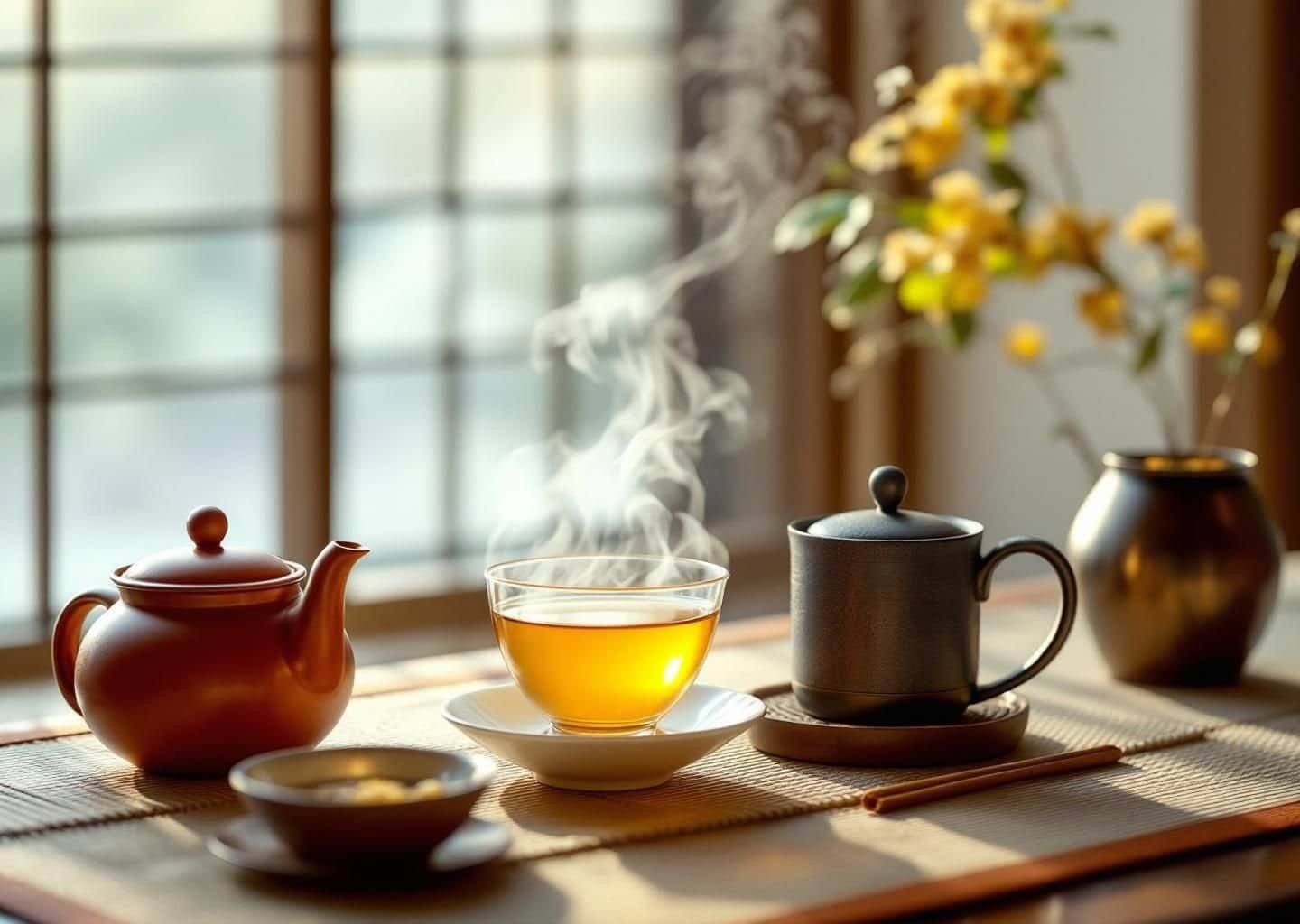
Japan has long been revered as the spiritual home of tea, but in recent years a new hospitality movement has emerged that takes the country’s tea culture far beyond the traditional tea house. Boutique tea hotels — intimate, design-forward properties that integrate tea experiences into every aspect of a guest’s stay — are redefining what it means to travel as a tea lover in Japan. From Kyoto’s historic districts to the misty slopes of Shizuoka, these properties offer immersive experiences that combine luxury accommodation with authentic tea ceremonies, private tea gardens, and even tea-infused spa treatments.
What Is a Boutique Tea Hotel?
Table of Contents
- Overview
- Kyoto Tea Hotels
- Shizuoka Tea Hotels
- Uji Matcha Hotels
- Booking Tips
- Frequently Asked Questions
- Plan Your Stay
Quick Overview: Boutique tea hotels in Japan blend traditional tea culture with modern luxury, offering immersive experiences from Kyoto to Shizuoka. This guide covers the best tea-themed accommodations, booking tips, and what to expect.
Unlike conventional hotels that might serve a cup of green tea at check-in, boutique tea hotels are purpose-built or thoughtfully renovated properties where tea is the central theme. These hotels typically employ resident tea sommeliers who curate tea pairings for meals, guide guests through formal tea ceremonies, and recommend regional teas based on the season and the guest’s palate.
The design of these properties also reflects tea culture. Many feature traditional Japanese architectural elements such as tatami mat floors, shoji screens, and tokonoma alcoves displaying seasonal tea utensils. Some have converted historic machiya townhouses or former tea merchant residences, preserving the original timber beams, courtyard gardens, and kura storehouses.
Kyoto: The Heart of Japanese Tea Hospitality
Kyoto, the ancient capital and birthplace of the Japanese tea ceremony, naturally leads the boutique tea hotel movement. Properties in the Gion, Higashiyama, and Uji districts offer unparalleled access to historic tea houses, matcha-producing regions, and centuries-old tea families.
Some of the most distinctive properties have transformed former ochaya (tea houses where geiko and maiko once entertained guests) into exclusive micro-hotels with just two or three suites. These intimate settings allow guests to experience the refined hospitality culture of Kyoto’s entertainment districts while enjoying daily tea ceremonies conducted by licensed tea masters.
The Uji district, located just south of Kyoto, is Japan’s most famous matcha-producing region. Boutique hotels here often overlook the Uji River and offer guests the chance to participate in hands-on matcha grinding workshops, visit centuries-old tea gardens, and taste ceremonial-grade koicha (thick tea) prepared in the traditional style.
Shizuoka: Tea Fields and Mountain Views
Shizuoka Prefecture produces approximately 40% of Japan’s tea, and the region’s boutique hotels take full advantage of their proximity to the sprawling tea plantations of the Makinohara Plateau. Properties here often feature floor-to-ceiling windows overlooking row upon row of manicured tea bushes, with Mount Fuji visible on clear days.
Many Shizuoka tea hotels offer “tea farm stay” experiences where guests can join local farmers for early-morning harvesting, learn the art of hand-rolling tea leaves, and participate in the first-flush tasting rituals that mark the beginning of the tea season each spring. The region’s onsen (hot spring) culture also pairs beautifully with tea — some hotels offer rotenburo (open-air baths) infused with green tea extracts, believed to soften the skin and promote relaxation.
Nara and Lesser-Known Tea Destinations
While Kyoto and Shizuoka dominate the spotlight, Nara Prefecture offers a quieter, more contemplative tea hotel experience. The town of Uda, located in the mountainous interior, has a 700-year history of tea cultivation and is home to several family-run guesthouses where guests can learn the regional Yamato tea traditions.
Tokyo, too, has entered the boutique tea hotel market, with a handful of properties in the Yanaka and Asakusa neighborhoods offering urban tea retreats. These city-based hotels typically feature minimalist design, in-room tea preparation stations with carefully curated selection of seasonal teas, and partnerships with nearby tea houses for guided tasting experiences.
What to Expect During Your Stay
A typical day at a Japanese boutique tea hotel begins with a morning tea service rather than coffee. Guests are often presented with a selection of seasonal teas — perhaps a light sencha in spring, a refreshing gyokuro in summer, or a roasted hojicha in autumn — accompanied by traditional Japanese breakfast items such as grilled fish, miso soup, and pickled vegetables.
Many properties schedule formal tea ceremonies (chaji or chakai) in dedicated tea rooms. These are not tourist demonstrations but authentic rituals that may last several hours, involving the preparation of matcha, seasonal wagashi sweets, and meditative silence. Guests are usually given guidance on proper etiquette beforehand, including how to enter the tea room, how to receive the tea bowl, and the significance of each movement.
Evening experiences might include tea-pairing dinners, where each course of a kaiseki meal is matched with a specific tea. A delicate shincha (new tea) might accompany a sashimi course, while a robust kukicha (stem tea) could be paired with grilled vegetables. Tea-infused cocktails and desserts are also increasingly popular, with creative concoctions like matcha gin fizz and hojicha crème brûlée appearing on hotel menus.
When to Visit
Spring (March–May) is the most popular season for tea hotel stays, coinciding with the first-flush harvest and the cherry blossom season. Autumn (September–November) offers equally pleasant weather, stunning fall foliage, and the chance to experience the second-flush harvest. Winter stays have their own charm — imagine sipping a bowl of frothy matcha while watching snow fall over a stone garden.
Advance booking is essential, particularly for the smaller properties with only a handful of rooms. Many boutique tea hotels require reservations two to three months ahead, and some accept guests only through personal referral or membership programs.
What is the average cost per night at a boutique tea hotel in Japan?
Rates typically range from ¥25,000 to ¥80,000 per night ($170–$550 USD) depending on the property, location, and inclusions. High-end properties in Kyoto may exceed ¥100,000 per night, while family-run guesthouses in rural tea regions can be as affordable as ¥12,000 per night.
Do I need to know Japanese tea etiquette before staying?
No prior knowledge is required. Reputable boutique tea hotels provide orientation sessions and gentle guidance during tea ceremonies. However, learning basic customs — such as bowing when receiving the tea bowl and rotating it before drinking — will enhance your experience and is appreciated by hosts.
Can children stay at boutique tea hotels?
Policies vary by property. Some hotels welcome families and offer simplified tea experiences for children, while others maintain an adults-only atmosphere to preserve the contemplative environment. Always check with the property in advance if traveling with children.
Are meals included in the stay?
Most boutique tea hotels offer half-board or full-board packages that include breakfast and dinner. Meals are typically kaiseki-style multi-course affairs featuring local, seasonal ingredients. Tea-pairing upgrades are often available for an additional fee.
How do I book a boutique tea hotel?
Many properties can be booked through their own websites, Japanese luxury hotel platforms, or through specialized tea travel agencies. For the most exclusive properties, particularly those in Kyoto’s historic districts, contacting the hotel directly via email is often the best approach. English-language concierge services are increasingly common.
What should I pack for a tea hotel stay?
Comfortable clothing that allows you to sit on tatami mats is essential. Many hotels provide yukata (casual kimono) for in-room wear. If you plan to participate in formal tea ceremonies, avoid strong perfumes and wear clean socks, as you will be removing your shoes.
Ready to experience Japan’s most distinctive hospitality trend? Explore our complete Japan tea tourism guide for more itineraries, region-by-region breakdowns, and practical travel tips. Or discover more tea destinations around the world.
Quick Summary: Boutique tea hotels in Japan offer travelers an immersive blend of luxury accommodation and authentic tea culture. Found in Kyoto, Shizuoka, Nara, and Tokyo, these properties feature resident tea sommeliers, guided tea ceremonies, private tea gardens, and tea-infused spa treatments. Best visited in spring (March–May) or autumn (September–November), they represent Japan’s most distinctive hospitality niche for tea enthusiasts seeking a deeper cultural connection.
Frequently Asked Questions
What is a boutique tea hotel in Japan?
A boutique tea hotel integrates tea culture into the guest experience, offering in-room tea ceremonies, curated tea tastings, tea-infused cuisine, and proximity to historic tea regions.
Which Japanese cities have the best tea hotels?
Kyoto leads with traditional ryokan tea experiences, followed by Uji (matcha capital), Shizuoka (Japan’s largest tea producer), and Kanazawa for historic tea house stays.
How much do Japanese tea hotels cost per night?
Mid-range tea hotels average $150–300/night. Luxury properties with private tea masters and garden views range from $400–800/night. Budget options start around $80/night.
Do tea hotels offer tea ceremony experiences?
Most premium tea hotels offer daily tea ceremonies led by certified tea masters. Some include hands-on matcha preparation classes and guided tea farm visits.
When is the best time to visit tea hotels in Japan?
Spring (April–May) for fresh-harvest season and cherry blossoms. Autumn (October–November) for fall foliage over tea fields. Winter offers the quietest, most meditative stays.
Can non-Japanese speakers enjoy tea hotel experiences?
Yes. Many boutique tea hotels employ English-speaking staff and offer translated tea ceremony explanations. Major tea regions like Uji and Kyoto are increasingly international-friendly.
Plan Your Japanese Tea Hotel Stay
Discover the perfect blend of tradition and luxury. Explore our Japan Tea Travel Guide for regional insights, or browse our guide to Kyoto tea experiences. For accommodation inspiration, see our picks for the best tea estate stays worldwide.