
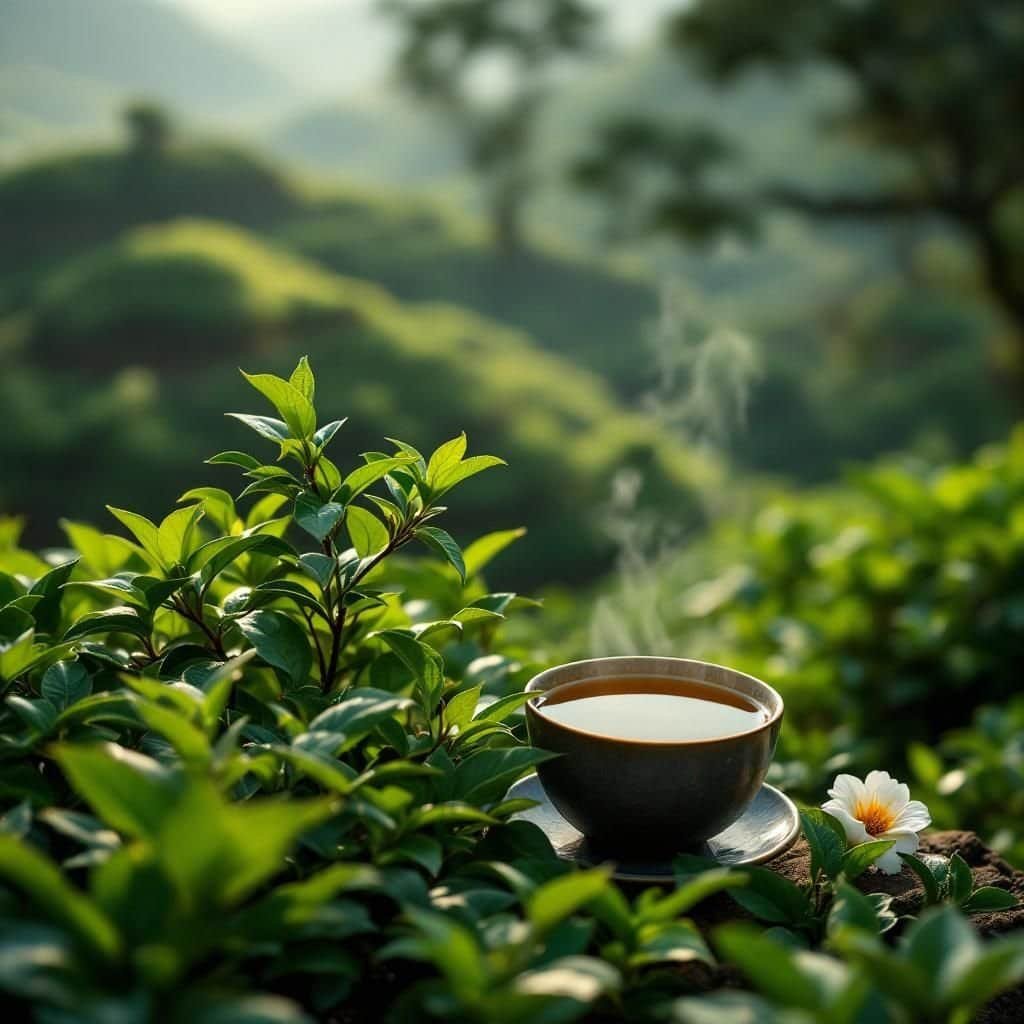
Summary: Xishuangbanna in southern Yunnan, China, is the birthplace of Pu-erh tea, home to ancient tea forests over 1,000 years old. Visitors can explore Yiwu, Bulang, and Nannuo mountains, taste raw and ripe Pu-erh, stay at tea estates, and experience traditional tea ceremonies in Dai and Bulang villages.
Quick Facts Box
- Country: China
- Region: Xishuangbanna, Yunnan
- Best Time to Visit: March to May, September to November
- Currency: Chinese Yuan (CNY)
- Language: Mandarin, local dialects
- Visa Requirements: Tourist visa required for most nationalities
Introduction to Xishuangbanna
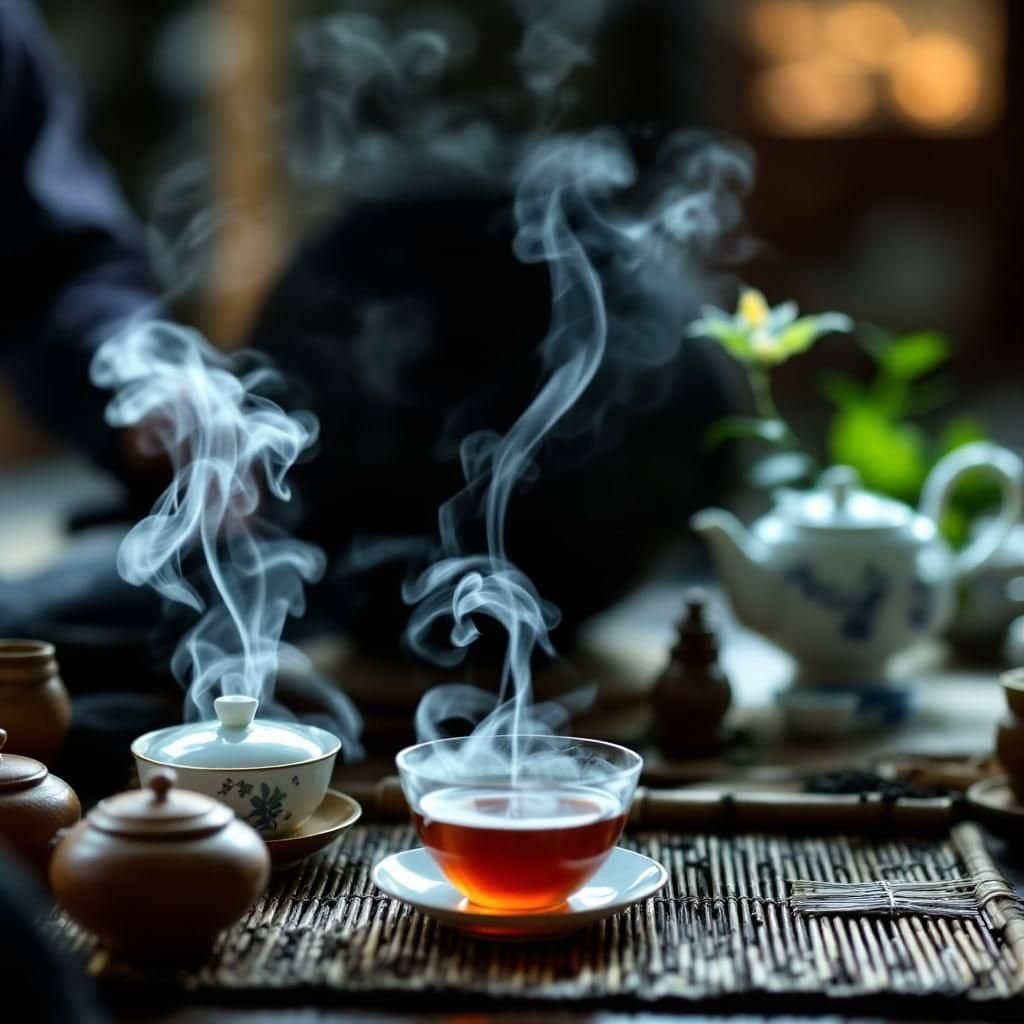
Set in the southern tip of Yunnan Province, Xishuangbanna is a lush, tropical paradise renowned for its ancient tea forests. This region is the cradle of Pu-erh tea, one of the most revered and historic teas in the world. A Xishuangbanna tea tour offers travelers a unique opportunity to explore the rolling hills and verdant landscapes where tea has been cultivated for centuries. The area’s rich cultural tapestry and diverse ethnic groups add layers of intrigue to any visit. As you wander through this enchanting landscape, you’ll discover the deep-rooted traditions that have shaped the tea culture in China.
Best Tea Regions to Visit
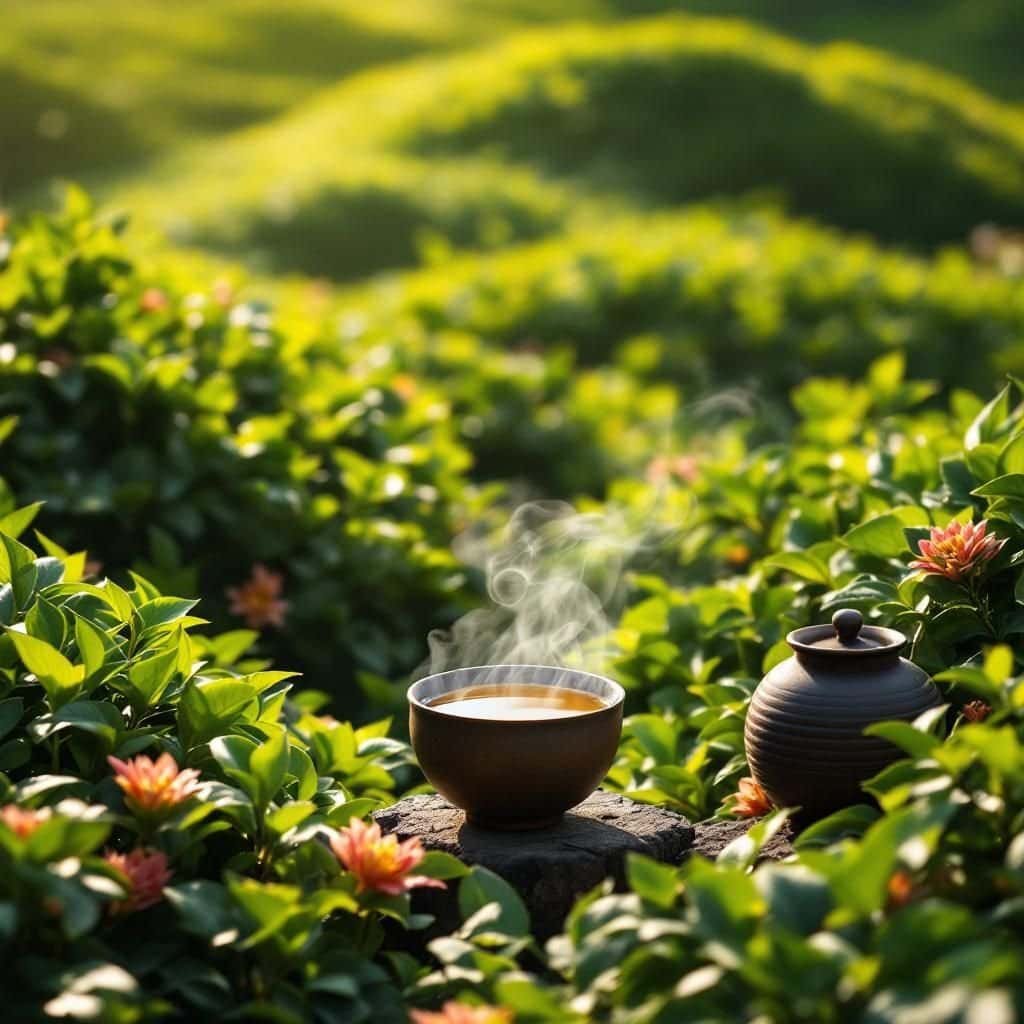
When embarking on a Xishuangbanna tea tour, there are several key tea mountains and villages that should top your itinerary. Yiwu Mountain is perhaps the most famous, known for its sweet and mellow Pu-erh teas. The ancient town of Yiwu is surrounded by tea gardens that have been producing tea for over a thousand years. Bulang Mountain is another must-visit destination, offering robust and earthy tea profiles. The local Bulang people have been cultivating tea here for generations, and their deep knowledge of tea production is evident in every cup. Lastly, the scenic Nannuo Mountain provides a picturesque setting with its terraced tea fields and traditional villages. Each mountain offers a distinct flavor profile and unique cultural insights, making them essential stops on your journey.
Types of Tea Produced in Xishuangbanna

Xishuangbanna is predominantly known for Pu-erh tea, a fermented tea that develops complex flavors with age. There are two primary types of Pu-erh: Sheng (Raw) and Shou (Ripe). Sheng Pu-erh is known for its bright, floral notes and can be aged to develop a rich, mellow character. Shou Pu-erh, on the other hand, is smoother and earthier due to its accelerated fermentation process. The ancient tea trees in this region also produce a variety of other teas, including green and black teas, each with their own unique tasting notes. The diversity of tea production in Xishuangbanna provides a full spectrum of flavors for travelers to explore. Explore more about Chinese tea culture in our guide to Exploring the Ancient Tea Horse Road in Yunnan: A Historic China Tea Journey.
Beyond Pu-erh, Xishuangbanna produces several lesser-known tea varieties. Dai green tea, crafted by the Dai ethnic minority, features a delicate, vegetal flavor with subtle sweetness. Ancient tree black tea (Hong Cha) from 300+ year-old trees offers a malty, cocoa-rich profile unlike any factory-produced black tea. The region’s high altitude (1,200–1,800m), mineral-rich red soil, and abundant rainfall create ideal conditions for tea cultivation. Many farmers still use traditional sun-withering and stone-pressing techniques passed down through generations.
Tea Tourism Experiences
A Xishuangbanna tea tour is not complete without immersing yourself in the local tea culture. Start with a visit to the Menghai Tea Factory, where you can witness the intricate process of tea production, from leaf to cup. Guided tours offer insights into the traditional methods used to create Pu-erh tea. Engage in tea tasting sessions where you can sample different varieties and learn from expert tea masters. For a more hands-on experience, participate in a tea picking activity on one of the tea mountains. Many local families offer home-stay opportunities, allowing you to experience daily life in a tea-producing community and participate in traditional tea ceremonies.
Best Time to Visit Xishuangbanna
The best time to embark on a Xishuangbanna tea tour is during the spring and autumn months, from March to May and September to November. During these periods, the weather is mild and conducive to outdoor activities. Spring is particularly special, as tea leaves are freshly harvested, offering the freshest brews. Autumn provides a cooler climate and the opportunity to witness the lush landscapes in full bloom. Avoid the summer months when the region experiences heavy rainfall, which can hinder travel and outdoor excursions.
How to Get There
Getting to Xishuangbanna is relatively straightforward. The region’s main gateway is Jinghong Airport, which offers flights from major Chinese cities such as Kunming, Beijing, and Shanghai. From the airport, you can hire a taxi or arrange for a private transfer to your accommodation. For those preferring train travel, the high-speed rail network connects Kunming to Jinghong, offering a scenic journey through Yunnan’s picturesque landscapes. Local transport within Xishuangbanna includes buses and taxis, although hiring a private car is recommended for exploring the tea mountains at your own pace. Also see Ancient Tea Horse Road: Yunnan Trek Guide for related tea travel inspiration.
Where to Stay
Accommodation options in Xishuangbanna range from budget-friendly hostels to luxurious resorts. For a unique experience, consider staying at a tea estate such as the Jingmai Mountain Tea House, where you can enjoy breathtaking views and participate in tea-related activities. In Jinghong, the Crowne Plaza Xishuangbanna Parkview offers modern amenities and easy access to local attractions. For budget travelers, the Dai Garden Hotel provides comfortable lodging at an affordable price. Regardless of where you choose to stay, the warmth and hospitality of the local people will enhance your visit.
Costs and Budgeting
Traveling in Xishuangbanna can be tailored to fit a variety of budgets. On average, a daily budget of 300-500 CNY will cover meals, transportation, and mid-range accommodation. If you plan to indulge in luxury experiences, such as private guided tours and high-end hotels, your budget may increase to 1000-1500 CNY per day. Local food is affordable and abundant, with street food options available for as little as 10 CNY per meal. Consider purchasing tea directly from local producers to support the community and enjoy authentic Pu-erh at reasonable prices.
Sample Itineraries
3-Day Itinerary
Day 1: Arrive in Jinghong, visit the Menghai Tea Factory. Day 2: Explore Yiwu Mountain and participate in a tea-picking activity. Day 3: Travel to Nannuo Mountain for a tea tasting session.
5-Day Itinerary
Day 1: Arrive in Jinghong, visit Tropical Botanical Garden. Day 2: Explore Bulang Mountain, stay with a local family. Day 3: Visit Yiwu Mountain, attend a traditional tea ceremony. Day 4: Travel to Nannuo Mountain, participate in a tea-making workshop. Day 5: Relax in Jinghong, shop for local teas and crafts.
7-Day Itinerary
Day 1: Arrive in Jinghong, explore night market. Day 2: Visit Menghai Tea Factory, participate in a tea tasting. Day 3: Explore Yiwu Mountain, stay overnight in a traditional village. Day 4: Travel to Bulang Mountain, learn about ethnic culture. Day 5: Visit Nannuo Mountain, enjoy a local tea festival. Day 6: Relax at a tea estate, participate in tea picking. Day 7: Return to Jinghong, visit local temples and gardens.
Related Guides
- Exploring Yunnan: The Heart of Chinese Tea
- The Cultural Heritage of Pu-erh Tea
- An Introduction to Chinese Tea Ceremonies
- Best Tea Travel Destinations in Asia
- How to Brew the Perfect Cup of Pu-erh Tea
Frequently Asked Questions
What is the best time of year to visit Xishuangbanna?
The best time to visit is during the spring and autumn months, March to May and September to November.
How can I arrange a local guide for a Xishuangbanna tea tour?
Many hotels and travel agencies in Jinghong offer guided tours.
Are there any cultural customs I should be aware of when visiting the tea villages?
Respect local customs by dressing modestly and asking for permission before taking photographs of locals.
Can I purchase tea directly from the producers?
Yes, many tea estates and local markets offer the opportunity to buy tea directly from producers, ensuring authenticity.
What types of accommodation are available for travelers?
Options range from budget hostels to luxury resorts, with unique stays available at tea estates.

Plan Your Xishuangbanna Tea Journey
Ready to walk among thousand-year-old tea trees? Browse our complete Yunnan tea travel guides and start planning your adventure to China’s most ancient tea forests.
Explore All Destinations