
Quick Facts Box
- Country: Vietnam
- Region: Son La Province
- Best Time to Visit: March to May, September to November
- Currency: Vietnamese Dong (VND)
- Language: Vietnamese
- Visa Requirements: Visa required for most nationalities; e-visa available
Introduction with Destination Overview
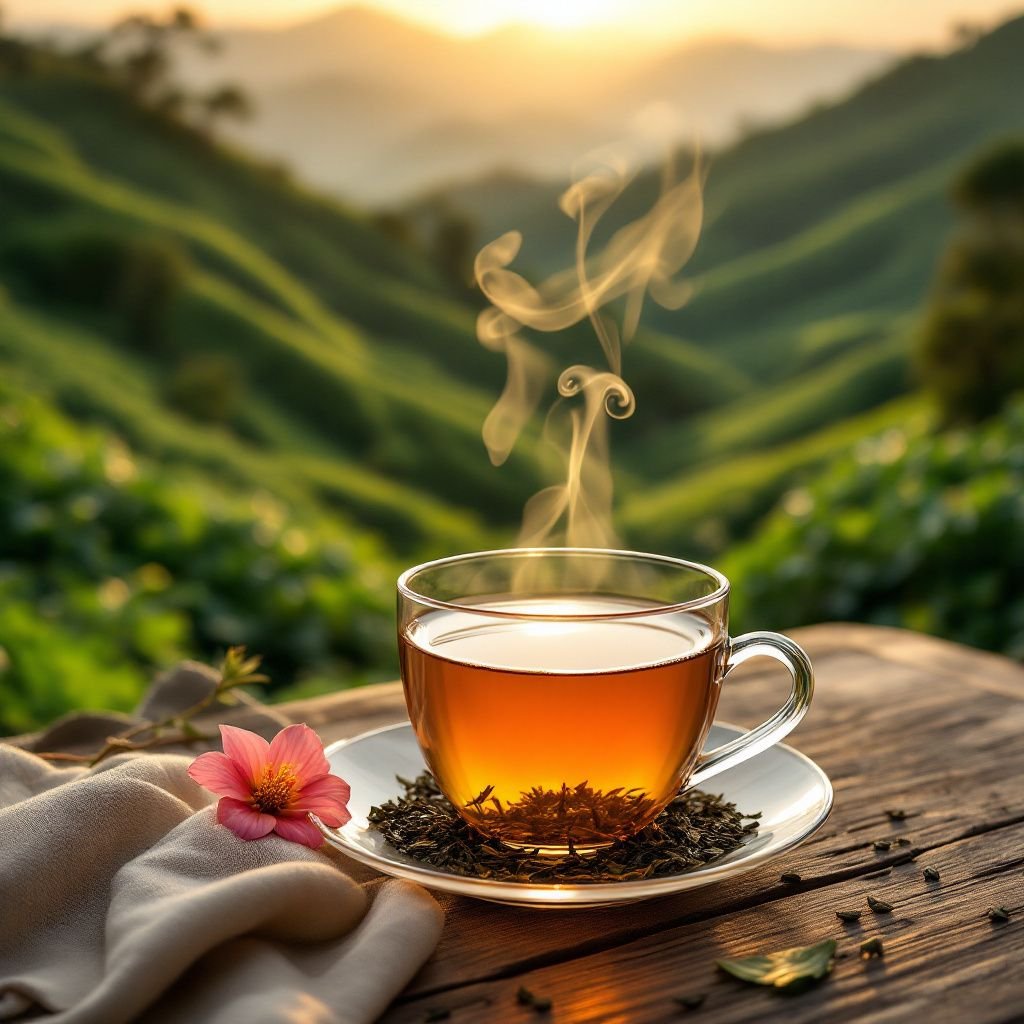
Set in the northwestern part of Vietnam, Son La Province unfolds a picturesque landscape where misty valleys and lush green hills are adorned with ancient Shan Tuyet tea trees. This little-visited corner of Vietnam tea travel (similar to the Ha Giang wild tea forests) offers a unique blend of cultural immersion and natural beauty, making it a must-visit for tea enthusiasts and adventurers alike. The region is home to several ethnic minority groups whose traditions enrich the tea culture, offering a glimpse into a lifestyle deeply intertwined with tea cultivation. As you traverse through the valleys, you will encounter the serene vistas of tea gardens sprawled across the hills, where the air is filled with the delicate fragrance of tea leaves.
Best Tea Regions
Son La Province has several renowned tea-growing areas, each with its own unique characteristics. The Ta Xua tea area is particularly famous for its centuries-old Shan Tuyet trees, which thrive at high altitudes and produce tea with a distinctive flavor profile. This region is often shrouded in mist, creating ideal conditions for tea cultivation. Another significant area is the Moc Chau tea hills, located nearby, which are known for their expansive tea gardens and lush landscapes. These regions not only offer breathtaking views but also provide an opportunity to witness traditional tea processing methods that have been passed down through generations.
Types of Tea Produced
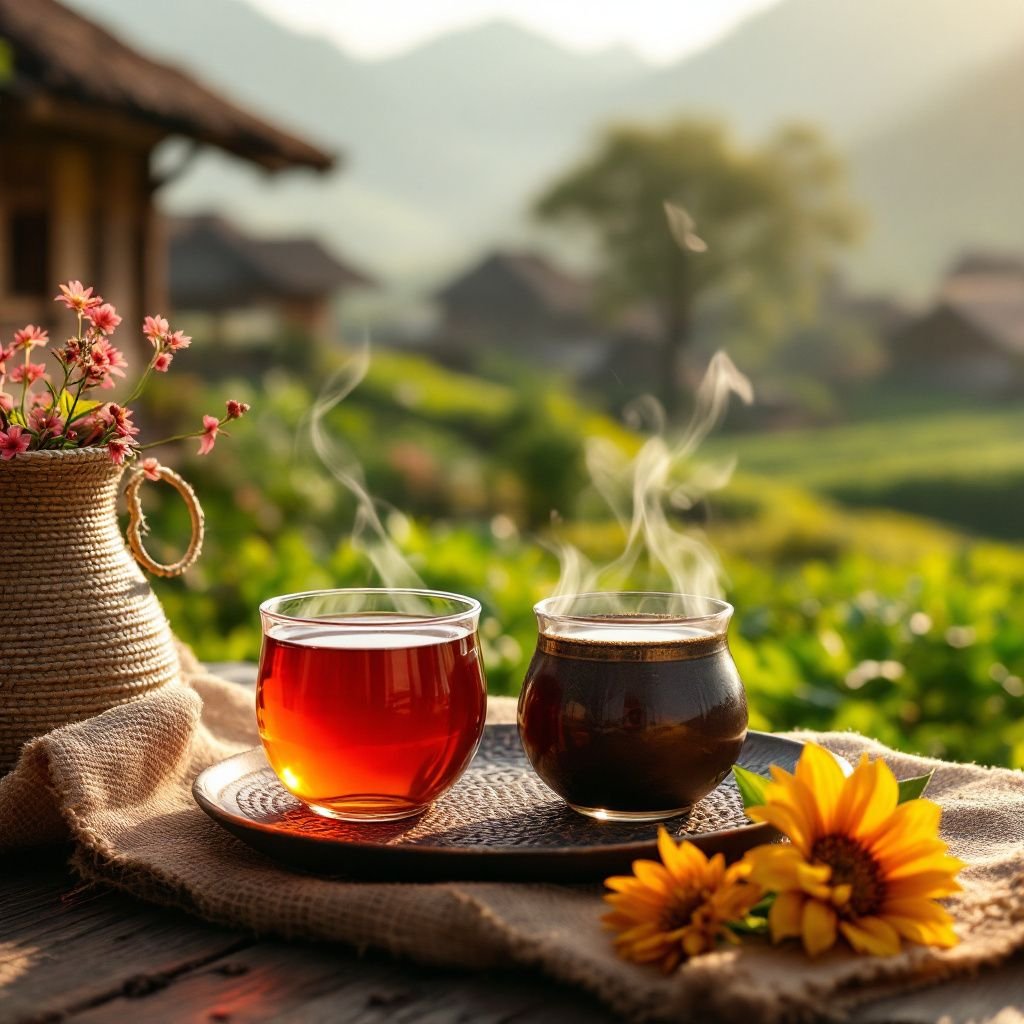
The tea produced in Son La is primarily from the Shan Tuyet variety, known for its large, silvery leaves. Tea lovers interested in the broader Asian tea heritage should also explore our China tea travel guide. This type of tea is celebrated for its robust flavor and aromatic qualities. Tasting notes include a subtle sweetness with hints of floral and earthy undertones, offering a complex yet smooth palate. The high-altitude growth conditions contribute to the tea’s unique character, making it a prized possession among tea connoisseurs. Additionally, the region also produces green and white teas, each with its own distinctive taste and aroma, reflecting the diverse microclimates of Son La.
Tea Tourism Experiences
Tea tourism in Son La offers a variety of enriching experiences. Visitors can partake in tea tastings that highlight the nuanced flavors of the region — similar to the immersive experiences found at tea wellness retreats across Asia’s teas. Guided tours of the tea factories provide insights into the intricate processing techniques, from plucking to drying, and ultimately to packaging. For those interested in cultural experiences, participating in traditional tea ceremonies led by local ethnic minority groups offers a deeper understanding of the region’s tea heritage. These ceremonies are often accompanied by traditional music and dance, allowing travelers to fully immerse themselves in the local culture.
Best Time to Visit
The best time to visit Son La for tea tourism is during the spring (March to May) and autumn (September to November) months. If you’re planning a longer tea journey, consider combining your visit with one of the best tea estate stays in Asia. During these periods, the weather is pleasant with moderate temperatures and minimal rainfall, creating optimal conditions for exploring the tea valleys. Spring is particularly beautiful as the tea trees are lush and vibrant, while autumn offers a stunning palette of changing foliage against the backdrop of the green tea gardens.
How to Get There
Traveling to Son La from Hanoi, Vietnam’s capital, is relatively straightforward. Visitors can opt for a domestic flight to the nearby city of Dien Bien Phu, followed by a scenic bus or car ride to Son La. Alternatively, direct bus services from Hanoi to Son La are available, providing a more economical option. The journey, though lengthy, offers spectacular views of the Vietnamese countryside, making it an integral part of the travel experience. Once in Son La, local transport options such as taxis and motorbike rentals are readily available to explore the region.
Where to Stay
Accommodation options in Son La range from budget-friendly guesthouses to more luxurious eco-lodges. For a truly immersive experience, consider staying at one of the tea estate accommodations, where guests can wake up to the serene views of tea gardens and actively participate in daily tea-picking activities. Some popular options include the eco-friendly Mountain Lodge in Moc Chau and the culturally rich homestays in Ta Xua that offer a closer connection to the local ethnic communities.
Costs and Budgeting
Traveling to Son La can be quite affordable, with daily budgets ranging from $30 to $100 USD, depending on your accommodation and activity choices. Budget travelers can find inexpensive guesthouses and enjoy local meals at modest prices, while those seeking comfort can opt for mid-range accommodations and guided tours. Tea tours and tastings usually cost between $10 to $20 USD per person. Before you go, check out our guide on what to pack for a tea tour, providing an excellent value for the depth of experience offered. It is advisable to carry cash, as card facilities may not be widely available in rural areas.
Sample Itineraries
- 3-Day Itinerary: Day 1: Arrive in Son La, visit Ta Xua tea gardens; Day 2: Explore Moc Chau hills, participate in a tea ceremony; Day 3: Visit local ethnic minority villages, return to Hanoi.
- 5-Day Itinerary: Day 1-2: Follow 3-day itinerary; Day 3: Take a day trip to Dai Yem Waterfall; Day 4: Trek to Pha Luong peak; Day 5: Relax in local hot springs.
- 7-Day Itinerary: Extend the 5-day itinerary by adding a visit to the nearby Black River Reservoir and a day of leisure exploring the local markets of Son La city.
Related Guides
- Exploring Taiwan’s Tea Culture
- A Complete Guide to Vietnam Tea Travel
- Discovering the Moc Chau Tea Hills
- Understanding Ethnic Minority Tea Culture
- World’s Oldest Tea Trees and Their Stories
Frequently Asked Questions
What is the best way to experience Son La’s tea culture?
Engaging in tea tastings and participating in traditional tea ceremonies are the best ways to experience the rich tea culture of Son La.
Are there any cultural festivals related to tea in Son La?
Yes, the Ban Flower Festival in spring celebrates local culture and often features tea ceremonies and ethnic minority performances.
What is unique about Shan Tuyet tea?
Shan Tuyet tea is unique due to its high-altitude growth, large silvery leaves, and its complex flavor profile with floral and earthy notes.
Can I buy tea directly from the producers in Son La?
Yes, many tea estates offer their products for sale, allowing visitors to purchase fresh, locally-produced tea directly from the source.
Is it possible to visit Son La year-round?
While Son La can be visited year-round, the best times are during spring and autumn when the weather is most favorable.
