
Quick Facts Box
- Country: China
- Region: Fujian Province
- Best Time to Visit: April to October
- Currency: Chinese Yuan (CNY)
- Language: Mandarin Chinese
- Visa Requirements: Tourist visa required for most nationalities
Introduction with Destination Overview
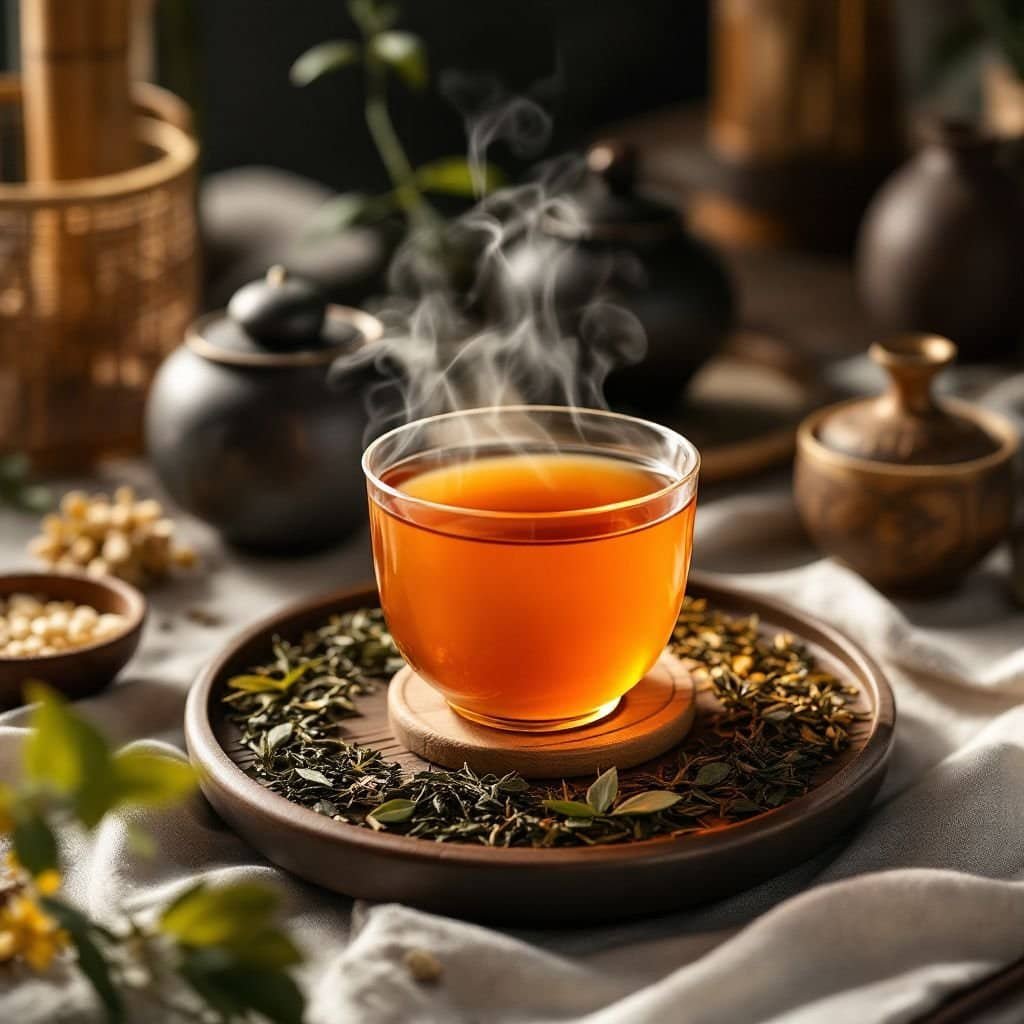
Set on the southeastern coast of China, Fuzhou, the capital of Fujian Province, is a city steeped in rich tea traditions and cultural heritage. Known as the birthplace of jasmine tea, Fuzhou’s lush landscapes and favorable climate create the perfect environment for cultivating this aromatic beverage. A Fuzhou jasmine tea tour offers travelers an immersive journey into China’s floral heritage, revealing the intricate processes and cultural significance behind one of the world’s most beloved teas. For more, see our guide to Taiwanese oolong tea traditions.
Quick Answer: Fuzhou, China is the birthplace of jasmine tea, where night-blooming jasmine flowers are layered with green or white tea leaves in a centuries-old scenting process. The best time to visit is April to October, with peak jasmine bloom from April to June. Key experiences include guided tours at Guling Tea Plantation, hands-on scenting workshops, and traditional tea ceremonies in historic teahouses.
Best Tea Regions
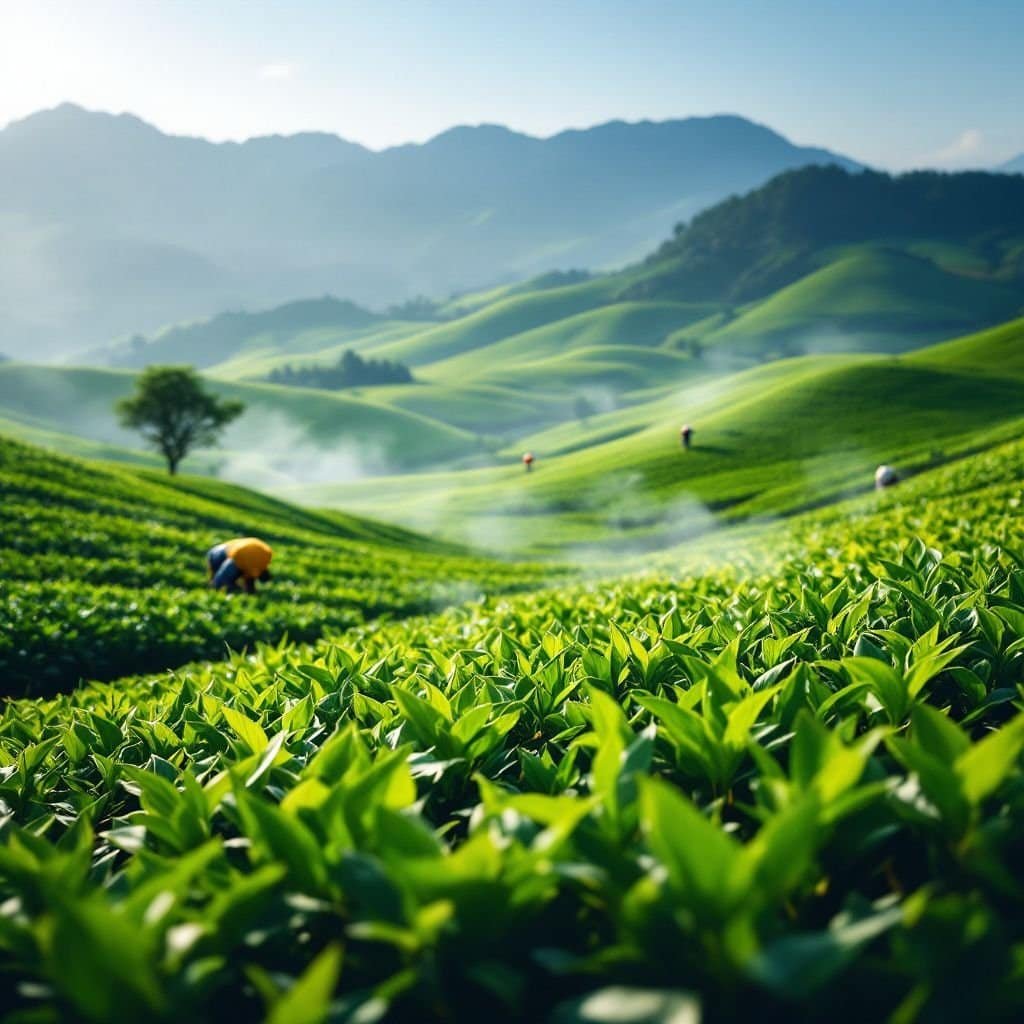
Fuzhou is home to numerous tea gardens and estates where jasmine tea is cultivated and processed. Among the most notable is the Guling Tea Plantation, located in the mountainous region of Fuzhou. This plantation is renowned for its high-quality jasmine tea and offers guided tours that showcase the entire tea-making process, from plucking to scenting. Another must-visit is the Fuzhou Jasmine Tea Cultural Village, where visitors can enjoy breathtaking views of terraced tea fields while learning about traditional tea-growing techniques. For more, see our guide to exotic teas from around the world.
Types of Tea Produced
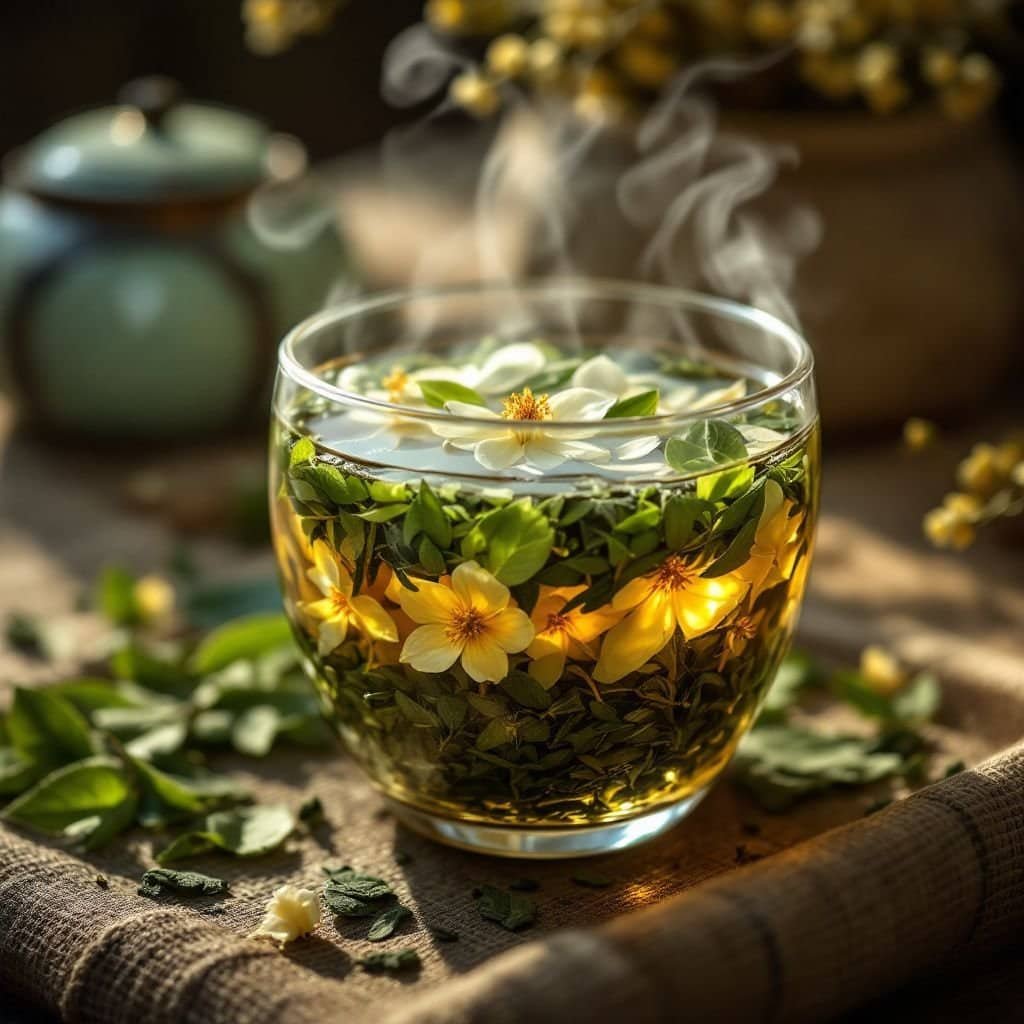
Fuzhou specializes in jasmine-scented teas, which are typically crafted using a base of green tea or white tea. The process involves layering freshly picked jasmine blossoms with tea leaves, allowing the delicate floral aroma to infuse the tea. The resulting brew is light with a pale golden hue, offering a fragrant bouquet and a sweet, lingering aftertaste. Tasting notes often include notes of honey, gardenia, and a subtle vegetal undertone, making it a favorite among tea connoisseurs worldwide. For more, see our guide to how to taste and appreciate tea.
The most prized variety is Yin Hao Jasmine Tea, made with tender silver-tipped tea buds that absorb the jasmine fragrance over seven to nine scenting cycles. This labor-intensive process can take several weeks and results in an exceptionally aromatic brew with a smooth, honeyed finish. Another notable variety is Jasmine Pearl (Zhen Zhu), where leaves are hand-rolled into tight pearls that unfurl dramatically when steeped, releasing waves of floral perfume.
Fuzhou also produces Jasmine Mao Feng, which uses slightly larger leaves for a bolder flavor profile, and Jasmine Pekoe, a more affordable everyday option that still delivers excellent aroma. For white tea enthusiasts, Jasmine Silver Needle offers a luxurious pairing of delicate white tea buds with jasmine fragrance, creating one of the most elegant teas in the world.
Tea Tourism Experiences
Travelers embarking on a Fuzhou jasmine tea tour can indulge in a variety of tea tourism experiences. Many tea estates offer guided tours that include tastings, allowing visitors to savor the nuanced flavors of different jasmine teas. Additionally, tea-making workshops provide hands-on experiences where one can learn the art of tea scenting. For those interested in cultural experiences, traditional tea ceremonies offer a glimpse into the rituals and etiquette surrounding tea drinking in China. For more, see our guide to Chinese tea culture and traditions.
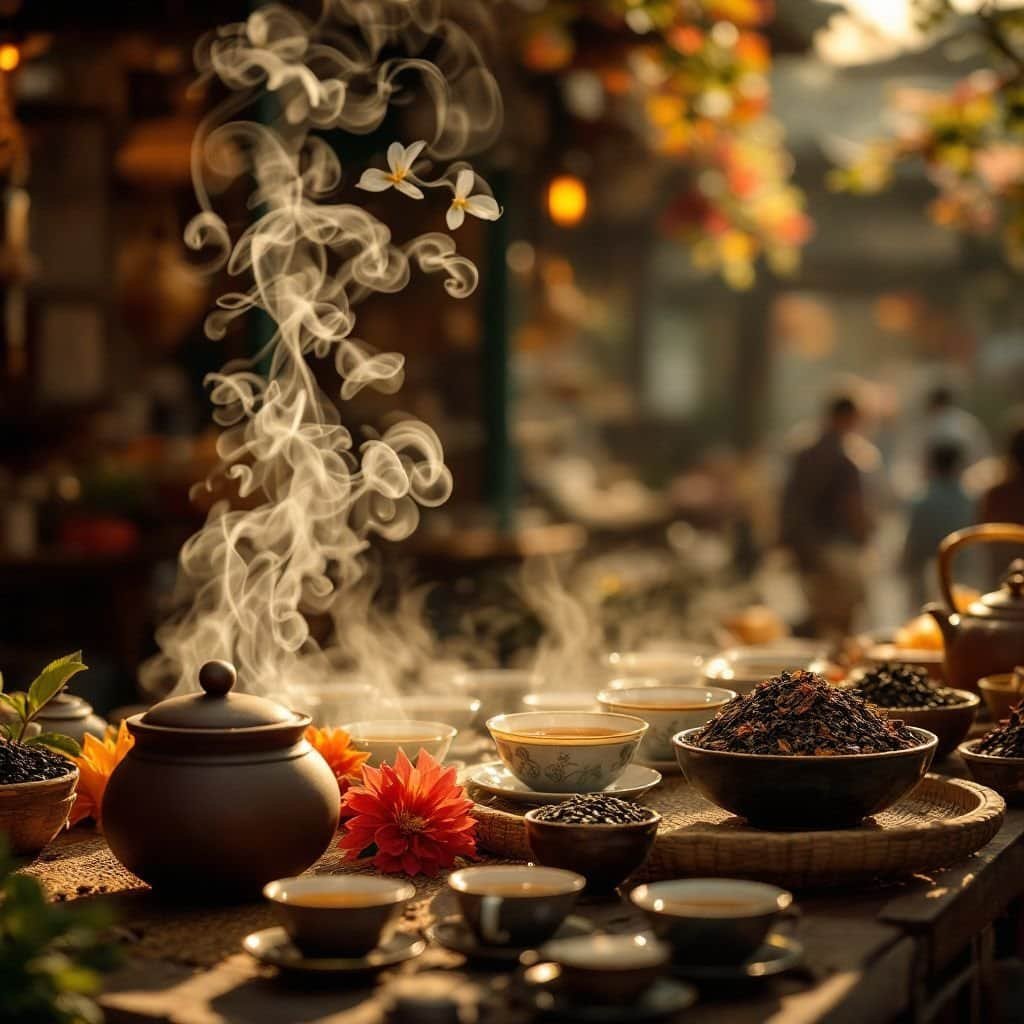
Beyond the gardens, Fuzhou’s tea culture extends into its bustling tea markets. The Wuyi Tea Market and the Old Town Tea Street are must-visit destinations where you can sample dozens of jasmine blends, negotiate prices directly with vendors, and discover rare tea varieties not found outside the region. Many vendors have been family-run for generations and are eager to share the stories behind their signature blends.
For the more adventurous traveler, consider joining a jasmine harvest during the peak blooming season. Local farms often welcome visitors to help pick jasmine blossoms at dawn — the optimal time for fragrance. This immersive experience offers a deeper appreciation for the labor-intensive process that creates your favorite cup of jasmine tea. Some farms also offer homestay programs, allowing you to live alongside tea-farming families and participate in daily activities.
Best Time to Visit
The best time to visit Fuzhou for a jasmine tea tour is between April and October. During these months, the weather is mild, and the jasmine flowers are in full bloom, ensuring visitors can witness the scenting process at its peak. The spring and early summer months, from April to June, are particularly ideal as they coincide with the tea harvest season, offering the most vibrant and aromatic tea experiences.
How to Get There
Fuzhou is accessible via Fuzhou Changle International Airport, which offers both domestic and international flights. From the airport, travelers can take a taxi or a shuttle bus to the city center. Alternatively, Fuzhou is well-connected by rail, with high-speed trains linking it to major cities such as Beijing, Shanghai, and Guangzhou. Within Fuzhou, public transport options such as buses and taxis provide convenient access to tea gardens and cultural sites.
Where to Stay
Accommodations in Fuzhou range from budget-friendly hostels to luxury hotels. For a unique experience, consider staying at a tea estate guesthouse, such as those offered at the Guling Tea Plantation. These stays provide an immersive experience, allowing guests to wake up to the serene beauty of tea fields and participate in daily tea-making activities. In the city, international hotel chains and boutique hotels offer comfortable stays with easy access to local attractions.
Costs and Budgeting
Traveling in Fuzhou can suit a variety of budgets. Daily expenses can range from 300 to 800 CNY, depending on accommodation and dining choices. Budget travelers can find affordable meals at local eateries, while those seeking luxury can dine at high-end restaurants that offer gourmet interpretations of local cuisine. Entrance fees for tea gardens and cultural sites are generally modest, making Fuzhou an accessible destination for tea enthusiasts.
Sample Itineraries
3-Day Itinerary
Day 1: Arrive in Fuzhou, visit the Fuzhou Jasmine Tea Cultural Village, enjoy a traditional tea ceremony.
Day 2: Explore Guling Tea Plantation, participate in a tea-making workshop, visit West Lake Park.
Day 3: Take a day trip to the Wuyi Mountains, known for their scenic beauty and historic tea gardens.
5-Day Itinerary
Day 1: Arrive and explore Fuzhou’s historical sites, such as the Three Lanes and Seven Alleys.
Day 2: Visit Fuzhou National Forest Park, followed by a tea tasting session at a local tea house.
Day 3: Spend a full day at the Guling Tea Plantation, with guided tours and tastings.
Day 4: Day trip to the Wuyi Mountains for hiking and tea estate visits.
Day 5: Relax and enjoy shopping for tea souvenirs in Fuzhou’s bustling markets.
7-Day Itinerary
Day 1-3: Follow the 3-day itinerary.
Day 4: Explore the scenic Minjiang River, enjoy a boat cruise.
Day 5: Visit Yongtai Changle Drum Tower and experience local culture.
Day 6: Explore Fuzhou’s museums and art galleries, such as Fujian Museum.
Day 7: Leisure day for shopping and exploring local cuisine.
What makes Fuzhou jasmine tea unique?
Fuzhou jasmine tea is renowned for its delicate scenting process, using night-blooming jasmine flowers to infuse tea leaves with their fragrance. The cool mountain climate and mineral-rich soil of the Fuzhou region create ideal growing conditions that cannot be replicated elsewhere, giving the tea its distinctive sweet, lingering aftertaste.
Can I visit tea gardens in Fuzhou?
Yes, several tea gardens such as Guling Tea Plantation and the Fuzhou Jasmine Tea Cultural Village offer guided tours and tastings for visitors. Many estates welcome walk-in visitors during business hours, though booking a guided tour in advance ensures access to workshops and behind-the-scenes scenting demonstrations.
Is prior experience required to participate in tea-making workshops?
No, workshops are designed for beginners and provide a hands-on introduction to tea scenting. Experienced tea masters guide participants through each step, from selecting fresh jasmine blossoms to the proper layering technique. Most workshops conclude with a guided tasting session.
What is the best time to see jasmine flowers in bloom?
The best time to see jasmine flowers in bloom is from April to June, though the scenting season extends into October. April and May offer the most spectacular displays, with entire hillsides covered in fragrant white blossoms. Early morning visits provide the most aromatic experience.
Are there other attractions in Fuzhou besides tea gardens?
Yes, Fuzhou offers historical sites such as the Three Lanes and Seven Alleys, West Lake Park, the Minjiang River scenic area, and numerous Buddhist temples. The city also has excellent local cuisine, vibrant night markets, and museums documenting the region’s rich tea heritage.
How much does a jasmine tea tour cost in Fuzhou?
Guided tea garden tours typically cost 50-150 CNY per person, while hands-on scenting workshops range from 200-400 CNY. Full-day immersive experiences including tastings, lunch, and transportation usually cost 500-800 CNY. Budget travelers can explore public tea gardens and markets for free.
Can I buy authentic Fuzhou jasmine tea to take home?
Absolutely. The Wuyi Tea Market and Old Town Tea Street offer the widest selection, from everyday drinking tea to premium Yin Hao and Jasmine Pearl varieties. Look for vendors who allow tasting before purchase, and ask for vacuum-sealed packaging to preserve freshness during travel.
Related Guides
- Hangzhou Longjing Tea Guide
- Anhui Huangshan Maofeng
- Yunnan Pu-erh Tea Tour
- Guangdong Oolong Guide
- Sichuan Tea Trails
🍵 Plan Your Fuzhou Tea Journey
Ready to discover the birthplace of jasmine tea? Subscribe to our newsletter for exclusive tea travel itineraries, Fuzhou trip planning guides, and insider tips for visiting China’s most fragrant tea region.
Join the Steeped Travels Community →
Also explore: Chinese Tea Culture Guide | Tea Tasting Basics | Taiwan Oolong Guide
