
Table of Contents
Understanding the Japanese Tea Ceremony
The Japanese tea ceremony, known as chanoyu, sado, or chado, is a traditional ritual that epitomizes Japan’s cultural ethos. Rooted deeply in Zen Buddhism, the ceremony is a blend of etiquette, spirituality, and artistry, where every movement and gesture is performed with mindful precision. The tea ceremony is not merely about drinking tea but is a spiritual practice that embodies harmony, respect, purity, and tranquility. As a participant, you are not just a spectator but an integral part of a profound cultural experience that has been meticulously preserved over centuries.
The origins of the tea ceremony date back to the 9th century when tea was introduced to Japan from China. However, it was in the 15th century that the tea ceremony, as we know it today, began to take shape under the influence of tea masters like Sen no Rikyū. His philosophy emphasized simplicity and the importance of the host-guest relationship, elements that remain central to the ceremony today.
Quick Answer: The Japanese tea ceremony (chanoyu) is a Zen-rooted ritual emphasizing harmony, respect, purity, and tranquility. In Kyoto, travelers can experience authentic ceremonies at historic tea houses like Urasenke Chado Research Center, participate in matcha-making workshops, or combine tea with Zen meditation at temples. Spring (March–May) and autumn (September–November) are the best seasons to visit, with ceremonies costing 2,000–10,000 JPY per person.
types of tea Ceremony Experiences in Kyoto
Kyoto, the cultural heart of Japan, offers a variety of tea ceremony experiences that cater to different levels of understanding and involvement. One popular option is a traditional tea ceremony held in a historic tea house, where visitors can immerse themselves in the authentic setting and learn from experienced tea masters. These sessions often include explanations of the ceremonial tools and the symbolism behind each ritual gesture.
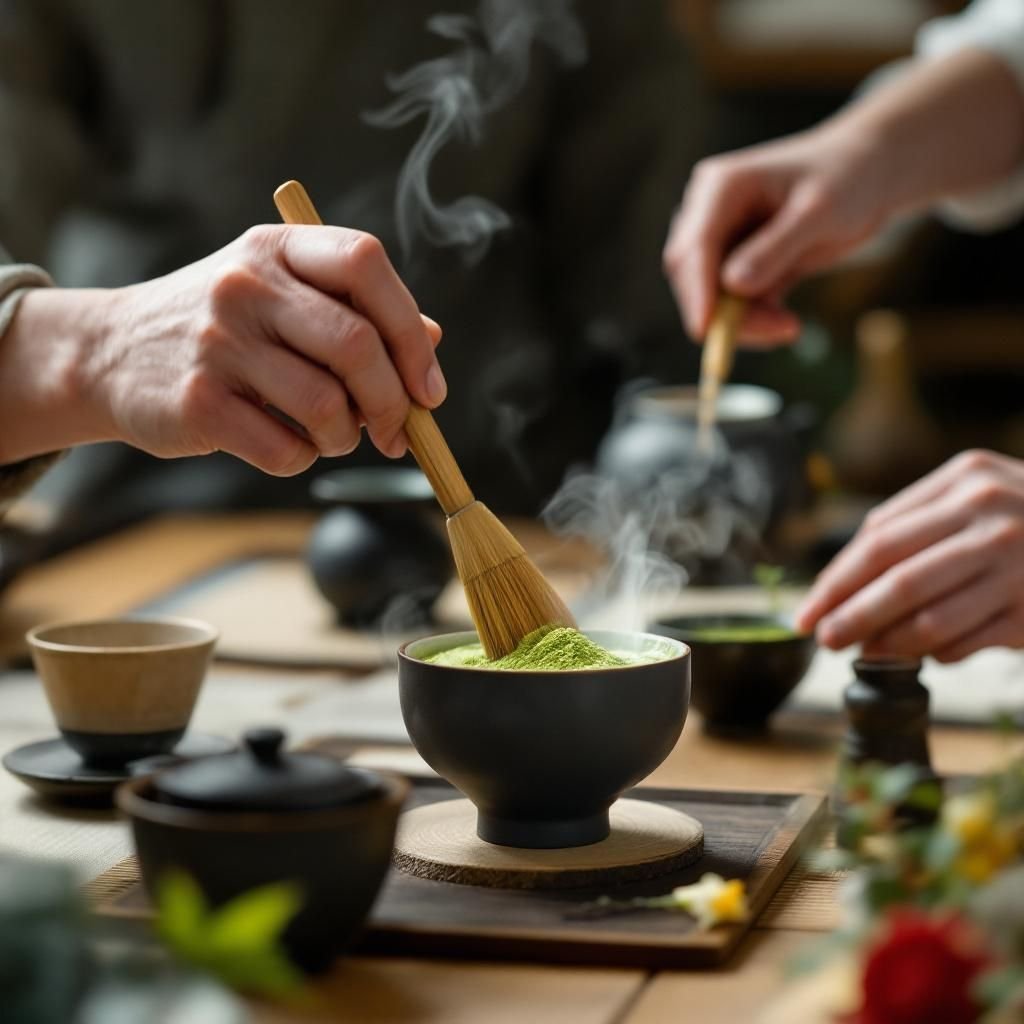
For those seeking a more interactive experience, there are workshops where participants can engage directly in the preparation of matcha, the powdered green tea used in the ceremony. These workshops often take place in serene gardens or beautifully restored machiya (traditional wooden townhouses), providing a perfect backdrop for the calming practice. To learn more about the types of Japanese green tea used in ceremonies, explore our dedicated guide.
Additionally, some temples and shrines in Kyoto offer tea ceremonies that integrate Zen meditation, offering a unique spiritual dimension to the experience. These sessions usually begin with a brief meditation, followed by the tea ceremony, allowing participants to fully engage with the present moment.
Participating in an Authentic Tea Ceremony in Japan
Participating in an authentic tea ceremony in Japan is an experience that requires respect and attentiveness. When selecting where to participate in a tea ceremony in Kyoto, consider the authenticity of the experience, the setting, and the formality of the ceremony. Some well-established venues include the Urasenke Chado Research Center and the Konnichian Tea House, both renowned for their commitment to preserving the traditional aspects of the ceremony.
Many participants are drawn to the intimate setting of a tea room, which often features tatami-mat flooring and a tokonoma (alcove) displaying seasonal flowers and a calligraphy scroll. These elements are carefully chosen to enhance the atmosphere of the room and reflect the season, a key aspect of the tea ceremony.
When attending a tea ceremony, it is customary to wear modest attire, often with long sleeves, as a sign of respect. Participants are usually seated on the floor, and it is important to follow the host’s lead in terms of the correct way to sit, hold the tea bowl, and consume the tea.
Best Time to Visit Kyoto for Tea Ceremonies
The best time to visit Kyoto for tea ceremonies depends largely on what kind of environment you wish to experience. Spring (March to May) and autumn (September to November) are particularly popular due to the pleasant weather and stunning natural scenery. In spring, cherry blossoms create a picturesque backdrop, while autumn offers vibrant foliage, both of which enhance the aesthetic and spiritual ambiance of the tea ceremony.
Summer (June to August) can also be an enchanting time for tea ceremonies, especially those held in gardens or open-air settings where the lush greenery provides a refreshing escape from the heat. However, it’s important to note that summer is also the peak tourist season, so booking in advance is essential.
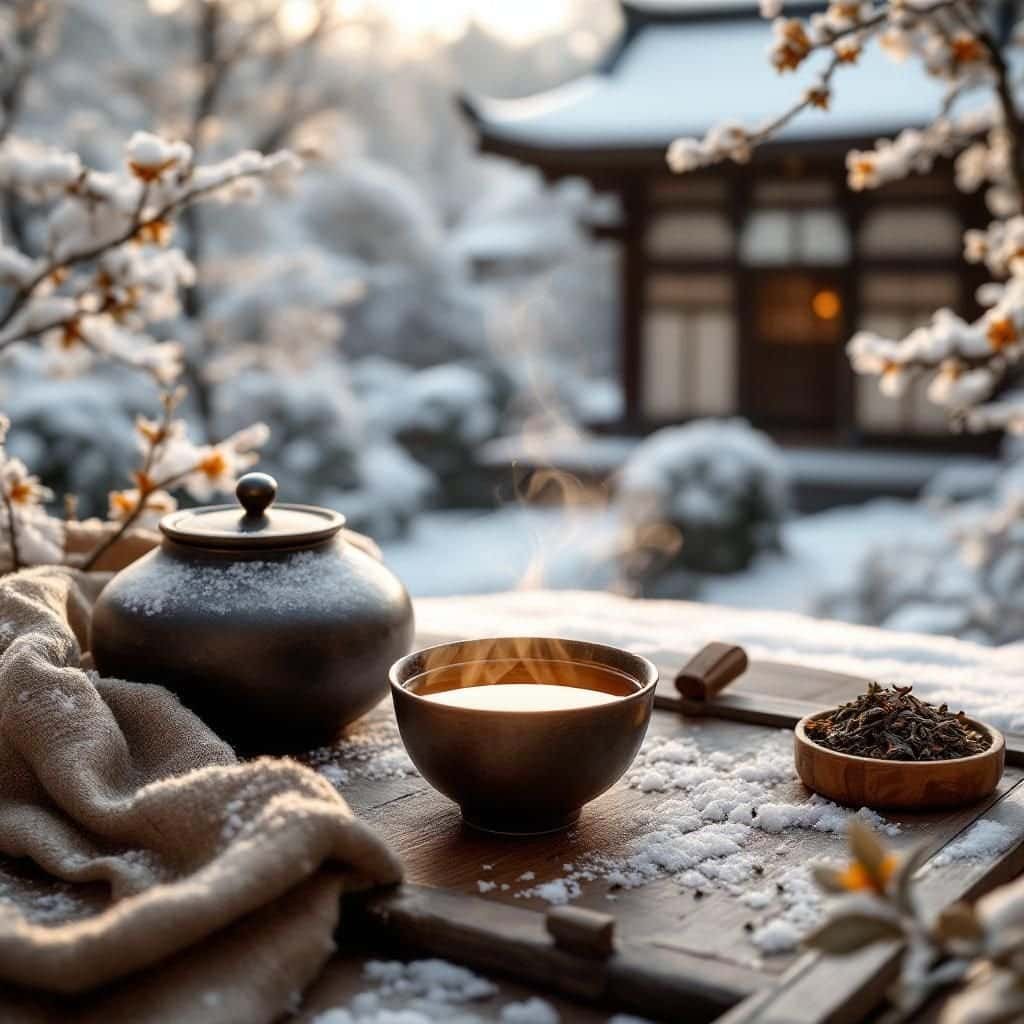
Winter (December to February), though less popular with tourists, offers a serene and often more intimate tea ceremony experience. The quiet, snowy landscapes and the warmth of the tea room create a unique atmosphere that is both tranquil and profound.
How to Get to Kyoto
Reaching Kyoto is relatively straightforward, with several options available depending on your starting point. If you’re flying internationally, the nearest major airport is Kansai International Airport (KIX), located about 75 minutes by train from Kyoto. From Tokyo, the Shinkansen (bullet train) offers a fast and scenic route, taking approximately 2.5 to 3 hours to reach Kyoto Station. For a broader overview of tea travel in Japan, see our Japan Tea Travel Guide 2026.
Once in Kyoto, the city’s public transportation system, including buses and trains, is efficient and easy to navigate. Many tea ceremony venues are located near popular attractions and are easily accessible by public transport. Alternatively, taxis are a convenient option, especially if you’re traveling in a group or carrying luggage.
Where to Stay in Kyoto
Kyoto offers a wide range of accommodation options, from budget-friendly hostels to luxury hotels, and even traditional ryokan (Japanese inns), which provide a unique cultural experience. For those specifically interested in tea ceremonies, staying in a ryokan can enhance your overall experience, as many offer in-house tea ceremonies or are located near renowned tea houses.
For budget travelers, hostels and guesthouses around the Gion district provide affordable lodging with easy access to many of Kyoto’s historic sites. Mid-range hotels are plentiful around Kyoto Station, offering convenience and comfort with excellent transport links.
For a luxurious stay, consider the Ritz-Carlton Kyoto or the Aman Kyoto, both of which offer stunning views, exceptional service, and proximity to many cultural attractions.
Costs and Budgeting for a Tea Ceremony Experience
The cost of a tea ceremony experience in Kyoto varies depending on the type of ceremony and the venue. Traditional tea ceremonies at reputable tea houses can range from 3,000 to 10,000 JPY per person. Workshops where participants can make their own tea might be slightly less expensive, around 2,000 to 5,000 JPY.
When planning your budget, consider additional costs such as transportation, accommodation, and meals. Kyoto offers a wide range of dining options, from affordable street food to high-end kaiseki (traditional multi-course Japanese dinner).
For those traveling on a budget, there are many free or low-cost cultural activities available, such as exploring Kyoto’s beautiful temples and gardens.
Sample Itineraries for Tea Enthusiasts
3-Day Itinerary: Spend your first day exploring the historic Gion district, followed by an afternoon tea ceremony at the Urasenke Chado Research Center. On the second day, visit the Kinkaku-ji (Golden Pavilion) and participate in a workshop at a nearby tea house. Conclude your trip with a visit to the Fushimi Inari Shrine and a tea ceremony at a temple. For tea lovers planning a broader Japan trip, the Shizuoka tea region is another must-visit destination.
5-Day Itinerary: Begin with the 3-day itinerary, then extend your stay to include a visit to Arashiyama’s bamboo groves and Tenryu-ji Temple. Participate in a tea ceremony at Tenryu-ji’s garden. Spend your final day exploring the Philosopher’s Path and enjoy a private tea ceremony in a traditional machiya.
7-Day Itinerary: Follow the 5-day itinerary, then add a day trip to Uji, famous for its green tea. Participate in a tea picking experience and visit the Byodo-in Temple. Spend your final day relaxing at a ryokan, enjoying in-house tea ceremonies and spa treatments.
What is the dress code for a tea ceremony in Kyoto?
Most tea ceremonies require modest dress. Long sleeves are recommended, and shoes are usually removed before entering the tea room. Avoid shorts, sleeveless tops, or overly casual clothing. Some high-end venues may provide traditional kimono-style overgarments for guests.
Can tourists participate in a tea ceremony?
Yes, many tea houses and cultural centers in Kyoto offer tea ceremonies specifically designed for tourists. English-speaking guides are available at most major venues, and beginners are warmly welcomed. No prior knowledge of Japanese culture is required.
How long does a typical tea ceremony last?
A standard tea ceremony lasts about 30 minutes to an hour, though longer and more elaborate ceremonies can last several hours. Workshop-style experiences typically run 60–90 minutes and include hands-on matcha preparation.
Do I need to book a tea ceremony in advance?
It is highly recommended to book in advance, especially during peak tourist seasons (spring cherry blossom and autumn foliage periods). Many popular venues fill up weeks ahead. Booking online through the venue’s website or reputable travel platforms ensures your spot.
Are there English-speaking guides available?
Many venues offer English-speaking guides or provide explanations in English to help international visitors understand the rituals. The Urasenke Chado Research Center and several machiya-based workshops have bilingual staff.
What is matcha, and why is it used in the tea ceremony?
Matcha is a finely ground powder made from shade-grown green tea leaves. In the tea ceremony, it is whisked with hot water using a bamboo chasen (whisk) until frothy. Its preparation is a meditative practice central to chanoyu, symbolizing mindfulness and the beauty of imperfection.
Can children participate in a Kyoto tea ceremony?
Yes, many venues welcome children and offer family-friendly sessions with simplified rituals. Some tea houses have special programs for younger participants that focus on the sensory experience of tea rather than strict formal etiquette.
Related Guides
- Japan Tea Travel Guide
- Exploring Uji: Japan’s Tea Capital
- Tokyo Tea Experiences: A Modern Take on Tradition
- Discovering Shizuoka: Japan’s Tea Country
- Tea Ceremony Etiquette Guide
Plan Your Kyoto Tea Journey
Ready to experience authentic Chanoyu in Kyoto? Explore our complete guides to Japanese tea culture, from Uji matcha fields to Shizuoka tea farms.
Explore Japan Tea Guides →
yes
