
Quick Facts Box
- Country: China
- Region: Zhejiang Province
- Best Time to Visit: March to May, September to November
- Currency: Chinese Yuan (CNY)
- Language: Mandarin Chinese
- Visa Requirements: Visa required for most countries
Introduction to Hangzhou’s Luxury Tea Retreats
Hangzhou, known as the “Paradise on Earth,” is a serene city in China’s Zhejiang Province, renowned for its picturesque landscapes and historical richness. It’s no surprise that Hangzhou is home to some of the most luxurious tea hotels and retreats, offering an immersive experience in the world of Longjing tea. These retreats provide not only opulent accommodations but also a direct connection to the lush tea plantations that are the pride of the region. In this guide, we explore the top luxury tea hotels in Hangzhou that promise a blend of comfort, culture, and exquisite tea experiences.
Best Tea Regions in Hangzhou
Longjing Tea Village
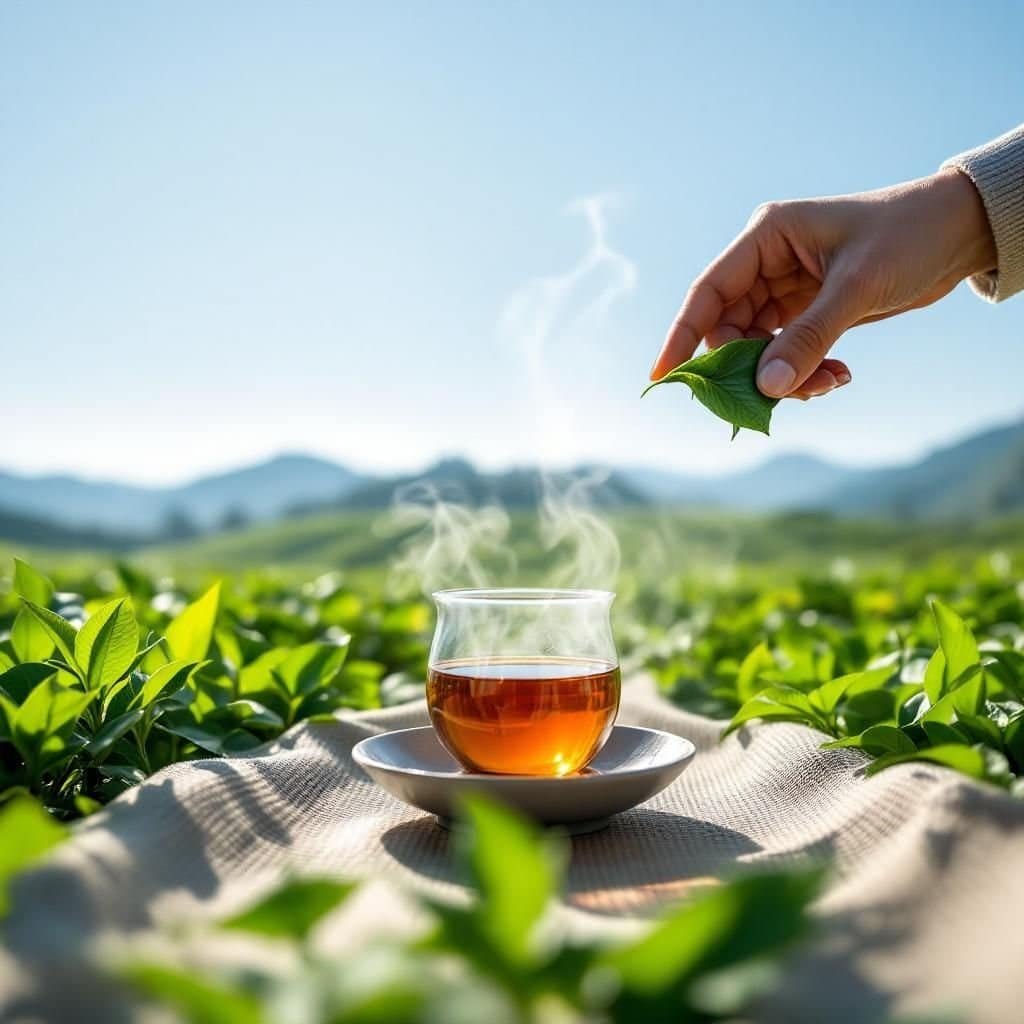
Longjing, or “Dragon Well,” is one of China’s most famous green teas, and its origins lie in the lush hills surrounding Hangzhou. The Longjing Tea Village is a must-visit for any tea enthusiast. Here, you can witness the meticulous process of tea picking and pan-frying, which is essential for producing the distinctive flat, emerald-green leaves synonymous with Longjing tea. Staying in accommodations here means you are just steps away from these historic fields, providing an authentic tea experience.
West Lake Area
The West Lake area is not only famous for its scenic beauty but also for being a hub of tea culture. Surrounded by rolling hills and calm waters, West Lake is dotted with tea houses and hotels that offer guests the chance to enjoy their morning tea with breathtaking views. The combination of natural beauty and cultural significance makes this area a perfect spot for tea tourism.
Types of Tea Produced in Hangzhou
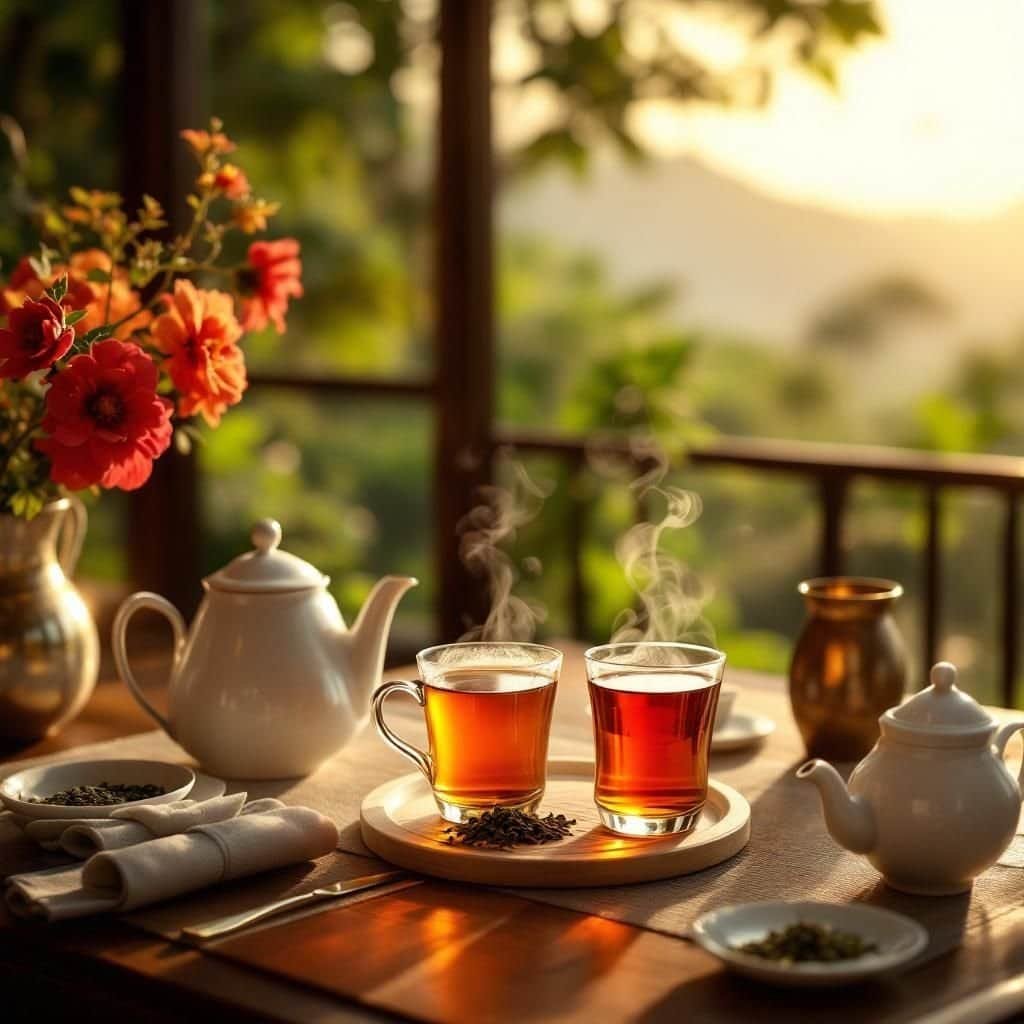
Longjing Tea
Longjing tea, also known as Dragon Well tea, is the crown jewel of Hangzhou’s tea production. It’s celebrated for its flat, smooth leaves and a fresh, delicate aroma that provides a mellow, slightly sweet flavor. The best Longjing tea is hand-harvested during the spring, offering a light, refreshing taste that tea connoisseurs cherish. When staying in Hangzhou, guests have the opportunity to taste various grades of Longjing tea, each offering subtle differences in flavor and aroma.
Other Local Varieties
While Longjing dominates, Hangzhou also produces other notable teas, such as Anji Bai Cha, a rare green tea known for its tender, white leaves and mild, sweet taste. Additionally, the region is known for its fragrant Jasmine tea, which combines green tea leaves with jasmine flowers, offering a beautifully aromatic brew.
Tea Tourism Experiences in Hangzhou
Tea Tasting and Workshops
Many luxury hotels in Hangzhou offer curated tea tasting sessions where guests can sample a variety of local teas under the guidance of a tea master. These sessions often include workshops on the art of tea brewing, allowing guests to learn the intricacies of making the perfect cup of Longjing tea.
Factory Tours and Tea Picking
For those interested in the production side, several retreats offer tours of tea processing facilities, where visitors can observe the traditional methods of tea production. During the harvest season, guests can even participate in tea picking, a hands-on experience that provides insight into the labor-intensive process of creating premium teas.
Best Time to Visit Hangzhou for Tea Tourism
The optimal time to visit Hangzhou for tea tourism is during the spring months of March to May. This is when the Longjing tea leaves are at their finest, and the weather is pleasant for exploring the tea fields. Autumn, from September to November, is also a great time as the weather remains mild, and the tea fields are lush with growth, making it ideal for scenic tours and outdoor activities.
Summary: Hangzhou, China is home to the legendary Longjing (Dragon Well) tea, one of the world’s most celebrated green teas. Luxury tea retreats near the Longjing fields offer travelers immersive experiences including tea-picking tours, traditional brewing workshops, and serene hillside accommodations. This guide covers the best tea hotels, optimal visiting seasons, and how to plan your perfect Hangzhou tea getaway.
How to Get to Hangzhou
Flights
Hangzhou Xiaoshan International Airport is the main gateway for international travelers. It offers direct flights from major cities across Asia and connections from other parts of the world. From the airport, luxury hotels often provide shuttle services or private transfers to ensure a comfortable journey to your accommodation.
Trains
Hangzhou is well-connected by China’s high-speed rail network. The Hangzhou East Railway Station is a major hub with services to and from Shanghai, Beijing, and other key cities. The train journey from Shanghai takes approximately an hour, making it a convenient option for travelers in the region.
Local Transport
Within Hangzhou, taxis and ride-sharing services are widely available and offer a convenient way to navigate the city and its surrounding tea regions. Bicycles are also popular, providing a scenic and leisurely way to explore the West Lake area and nearby tea villages.
Where to Stay: Luxury Tea Hotels in Hangzhou
Amanfayun
Amanfayun is a tranquil retreat set in a valley near West Lake, surrounded by tea fields and forests. This luxury resort offers a unique experience with its traditional village-style accommodations, beautifully restored from historic structures. Guests can enjoy the Amanfayun tea experience, which includes exclusive tastings and visits to nearby tea plantations.
Four Seasons Hotel Hangzhou at West Lake
Located on the banks of West Lake, the Four Seasons offers unmatched luxury with its elegant rooms and suites, many of which have private terraces overlooking the lake and gardens. The hotel provides curated tea experiences, including guided tours to the Longjing tea fields and private tea ceremonies.
Banyan Tree Hangzhou
Set in the wetlands of Xixi National Wetland Park, Banyan Tree Hangzhou is a serene escape with a focus on wellness and relaxation. The resort offers a variety of tea-related activities, from in-room tea services to guided excursions to nearby tea gardens, ensuring guests enjoy an immersive tea experience.
Costs and Budgeting for Hangzhou Tea Retreats
Luxury accommodations in Hangzhou can range from $300 to $800 per night, depending on the level of service and exclusivity. Meals at these retreats typically range from $50 to $150 per person, especially if indulging in gourmet dining experiences. Tea tours and private tastings can cost anywhere from $50 to $200 per session, offering a range of options for different budgets.
Sample Itineraries for Hangzhou Tea Travel
3-Day Itinerary
- Day 1: Arrive in Hangzhou, check in at Amanfayun, explore nearby tea fields.
- Day 2: Visit Longjing Tea Village, participate in a tea picking experience, and enjoy a private tasting session.
- Day 3: Explore West Lake, attend a tea ceremony at Four Seasons, and relax with a spa treatment.
5-Day Itinerary
- Day 1-2: Follow the 3-day itinerary.
- Day 3: Tour Xixi National Wetland Park, enjoy a tea-infused lunch at Banyan Tree.
- Day 4: Engage in a tea workshop, learn about tea history at a local museum.
- Day 5: Visit the China National Tea Museum, shop for premium teas.
7-Day Itinerary
- Day 1-5: Follow the 5-day itinerary.
- Day 6: Day trip to the nearby city of Suzhou for a different tea perspective.
- Day 7: Relax at your hotel, final shopping, and departure from Hangzhou.
Related Guides
- Explore Tea Culture in China
- Guide to Chinese Tea Varieties
- Best Tea Estates in Asia
- Luxury Destinations for Tea Lovers
- How to Brew Longjing Tea
Plan Your Hangzhou Tea Retreat Today
Ready to walk the legendary Longjing tea fields? Explore our complete China tea travel guides for more destination inspiration, or read our Longjing Village day trip guide for a perfect add-on experience. Start planning your journey now and discover why Hangzhou remains the tea capital of China.
Frequently Asked Questions
What is the best time to visit Hangzhou for tea tourism?
The best time to visit is from March to May and September to November when the weather is pleasant and the tea fields are in full bloom.
Can I participate in tea picking at the luxury hotels?
Yes, many luxury hotels offer tea picking experiences as part of their tea tourism packages.
What is the average cost of staying at a luxury tea hotel in Hangzhou?
The average cost ranges from $300 to $800 per night, depending on the hotel and the season.
Are there guided tours available to explore the tea regions?
Yes, most luxury hotels provide guided tours to the tea fields and offer private tasting sessions.
How can I get to Hangzhou from Shanghai?
You can travel by high-speed train, which takes about an hour, or by flight, although the train is more convenient.

