
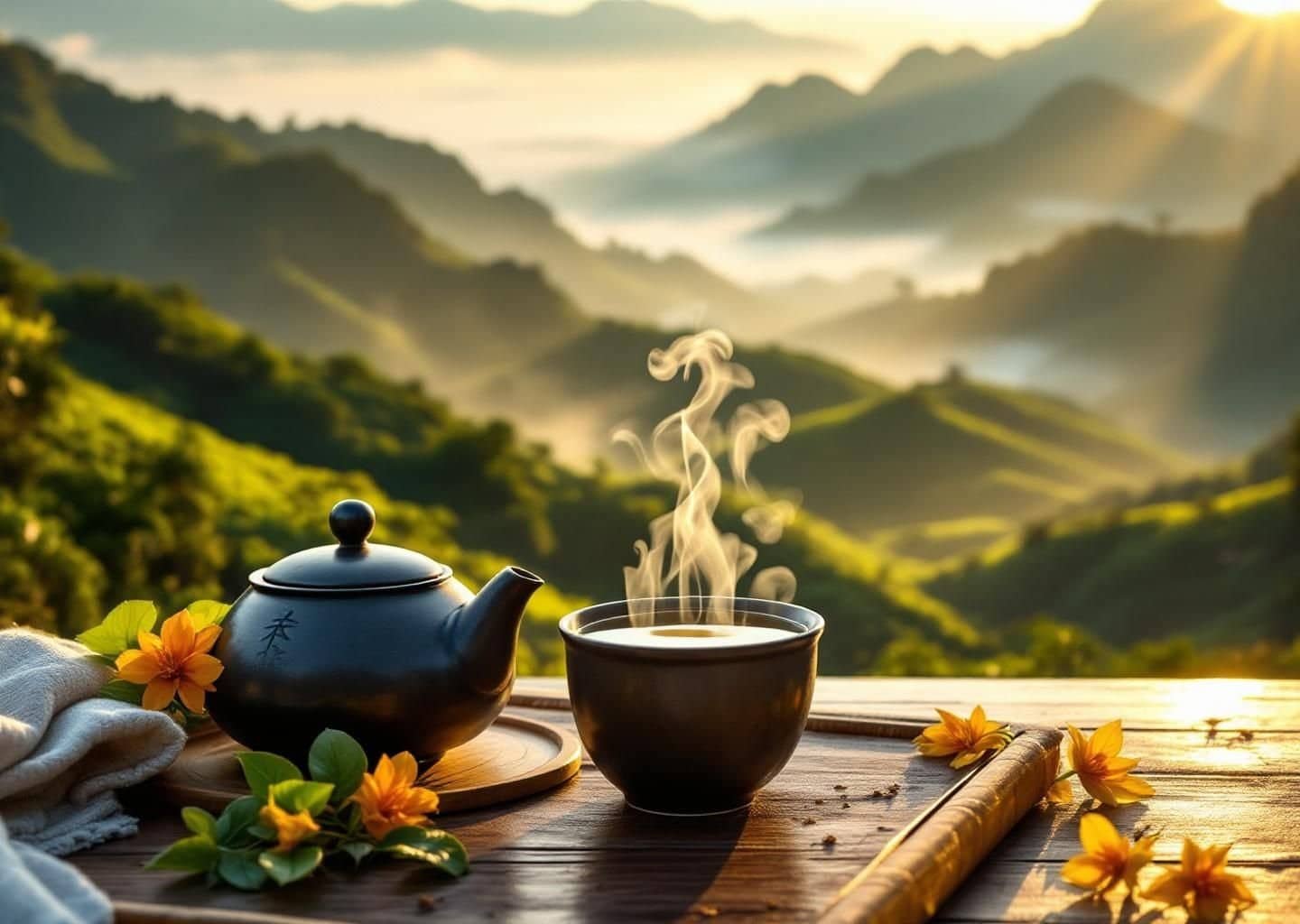
Quick Answer: The Wuyi Mountains in Fujian Province, China, are a UNESCO World Heritage Site and the birthplace of Da Hong Pao oolong tea. Luxury tea estate stays here combine immersive tea culture with scenic mountain landscapes, offering guided tastings, traditional ceremonies, and accommodation on working tea farms. The best time to visit is March to May or September to November.
Quick Facts Box
- Country: China
- Region: Fujian Province
- Best Time to Visit: March to May and September to November
- Currency: Chinese Yuan (CNY)
- Language: Mandarin Chinese
- Visa Requirements: Visa required for most nationalities
Introduction with Destination Overview
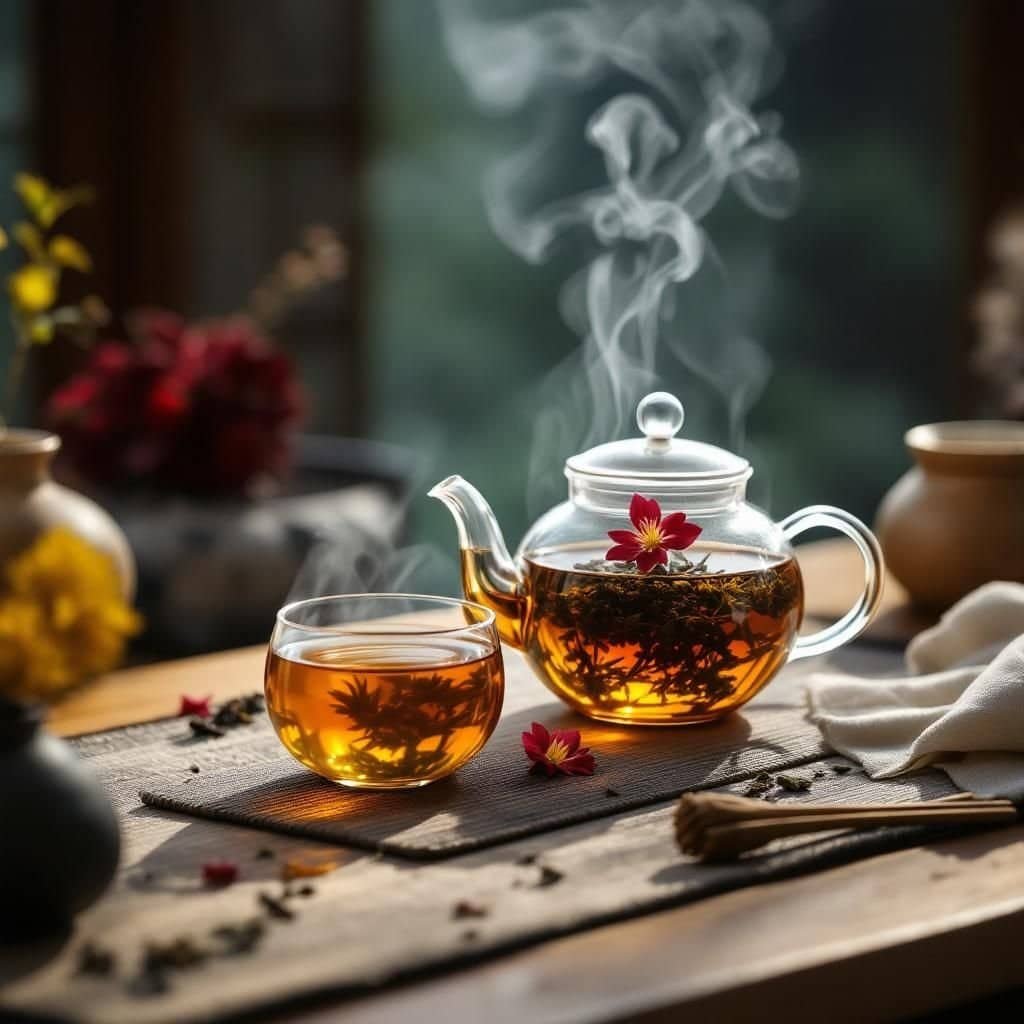
Set in the northeast of Fujian Province, the Wuyi Mountains are renowned as one of China’s most picturesque landscapes and a UNESCO World Heritage Site. Offering a blend of luxury and tradition, the Wuyi Mountain tea estates provide an immersive experience into the world of opulent tea travel. These estates are perfect for travelers seeking a unique blend of luxury and cultural enrichment, surrounded by the lush tea gardens that produce some of the world’s most esteemed teas, including the legendary Da Hong Pao.
Table of Contents
- Quick Facts Box
- Introduction with Destination Overview
- Best Tea Regions
- Types of Tea Produced
- Tea Tourism Experiences
- Best Time to Visit
- How to Get There
- Where to Stay
- Costs and Budgeting
- Sample Itineraries
- Related Guides
- Frequently Asked Questions
Best Tea Regions
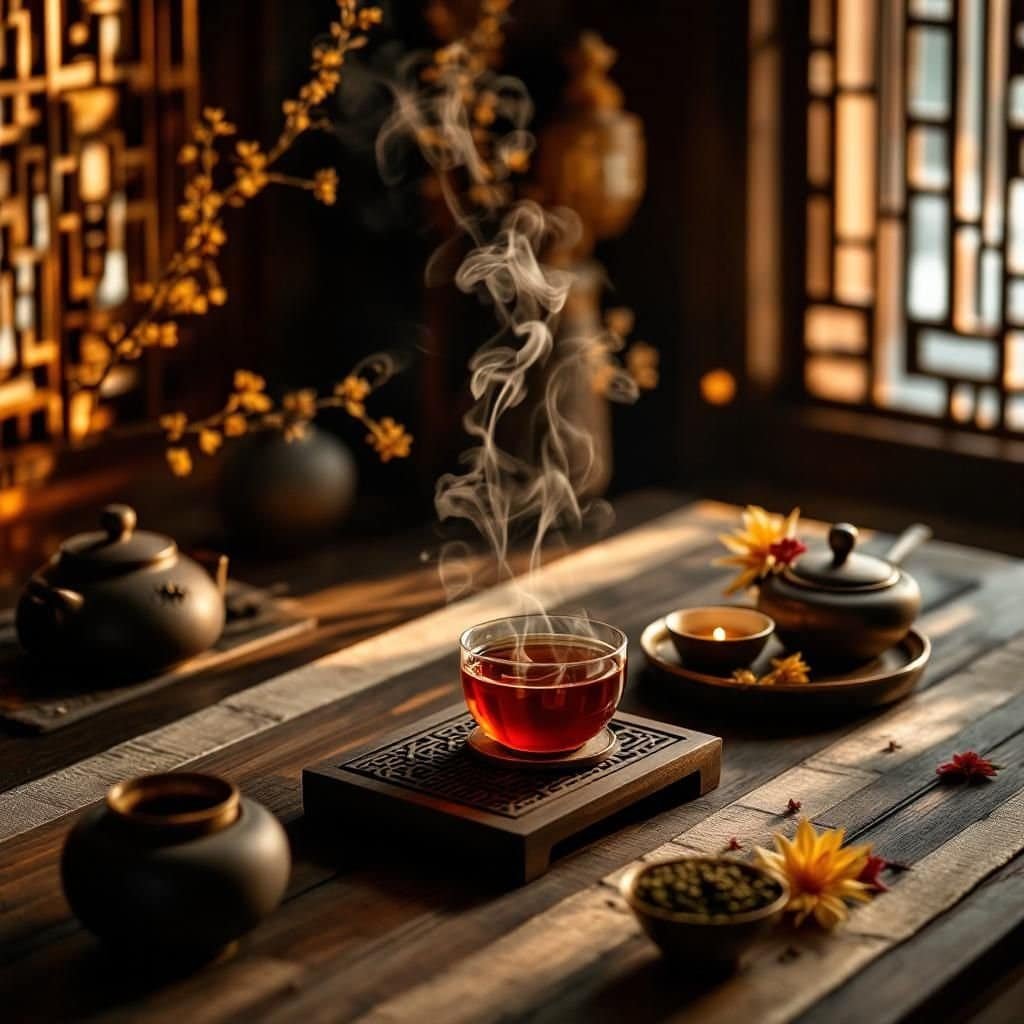
The Wuyi Mountains are home to several prestigious tea estates that specialize in crafting high-quality oolong teas. Among the standout regions are the Nine-Bend River area and the Tianxin Rock Tea Garden. These areas are known for their unique terroir, which contributes to the distinctive flavor profiles of the teas produced here. The Nine-Bend River area is particularly famous for its scenic beauty and ideal tea-growing conditions, where the combination of altitude, climate, and mineral-rich soil results in teas with complex flavors and aromas.
Types of Tea Produced
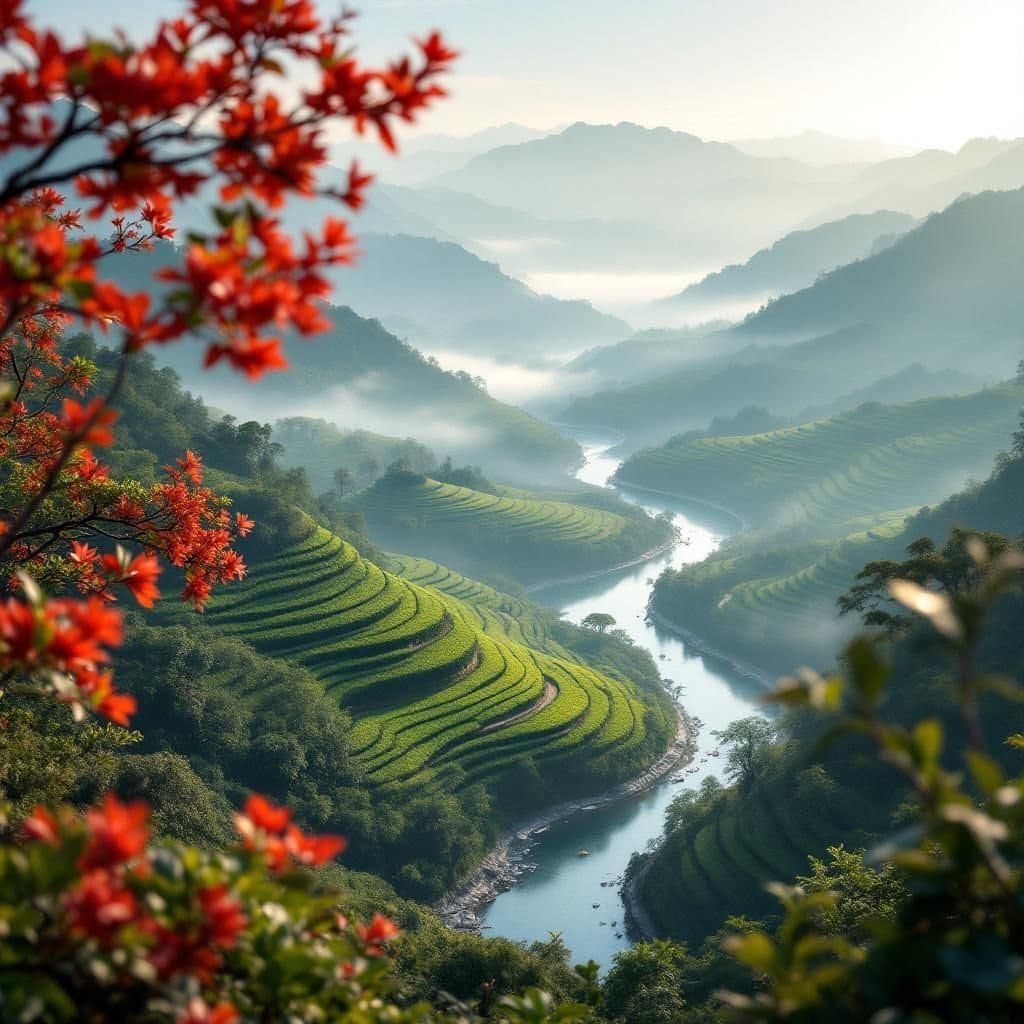
Wuyi Mountain tea estates are celebrated for producing a variety of oolong teas, with Da Hong Pao being the most illustrious. Known as the “king of teas,” Da Hong Pao is prized for its rich, robust flavor and smooth finish. Other notable teas from this region include Rou Gui, with its cinnamon-like aroma, and Shui Xian, which offers a floral and fruity profile. These teas are often characterized by their dark amber liquor and intricate taste, making them a must-try for any tea aficionado.
Tea Tourism Experiences
Visitors to the Wuyi Mountain tea estates can indulge in a variety of tea-related activities. Many estates offer guided tours that provide insight into the tea production process, from plucking the leaves to the final stages of roasting. Tasting sessions are a highlight, allowing guests to savor the nuances of different oolong teas. Some estates also host traditional Chinese tea ceremonies, offering a serene and educational experience in the art of tea appreciation. Furthermore, engaging workshops on tea blending and brewing provide hands-on learning for those eager to deepen their knowledge.
Best Time to Visit
The optimal time to visit the Wuyi Mountains is during the spring (March to May) and autumn (September to November). During these seasons, the weather is mild and conducive to outdoor exploration, with the added benefit of witnessing the tea harvest in action. Spring offers the opportunity to see the first flush of tea leaves, while autumn provides a chance to enjoy the vibrant foliage that adds an extra layer of beauty to the landscape.
How to Get There
Travelers can reach the Wuyi Mountains by flying into Wuyishan Airport, which has regular domestic flights from major cities like Beijing and Shanghai. From the airport, a taxi or shuttle service can take you directly to your accommodation. Alternatively, high-speed trains connect Wuyishan with other parts of China, offering a scenic journey through the countryside. Once in the region, local transportation options, including buses and private car hires, make it easy to explore the various tea estates and attractions.
Where to Stay
The Wuyi Mountains offer accommodation for every budget, from luxury resorts with private tea gardens to family-run guesthouses in Wuyishan town. Here are the best places to stay in 2026:
- Banyan Tree Wuyishan (Luxury): Lavish villas with private terraces overlooking the Nine-Bend River. Features an on-site tea house, spa with tea-infused treatments, and guided estate walks. Rates from 2,800 CNY/night ($390 USD). Book 2–3 months ahead for spring harvest season.
- Songfenggu Villa (Boutique): A restored traditional Fujian courtyard house with just 8 rooms. Offers personalized tea ceremonies with the owner, a certified tea master. From 800 CNY/night ($110 USD). Highly rated for its authentic cultural immersion.
- Wuyi Mountain Tea Culture Hotel (Mid-Range): Modern hotel with tea-themed decor, in-house tasting room, and shuttle to major estates. From 450 CNY/night ($62 USD). Great for first-time visitors.
- Da Hong Pao Tea Farmstay (Budget-Experience): Stay directly on a working Da Hong Pao tea farm with basic but clean rooms. Includes daily breakfast and a guided farm tour. From 200 CNY/night ($28 USD). Best for tea enthusiasts who want hands-on experience.
- Wuyishan Town Guesthouses (Budget): Dozens of family-run guesthouses near the bus terminal. From 120 CNY/night ($17 USD). Convenient for independent travelers using public transport.
For more luxury tea estate recommendations across Asia, see our guide to 10 Best Tea Estate Stays.
Costs and Budgeting
Visiting the Wuyi Mountains can be tailored to suit various budgets. Here is a realistic cost breakdown for a 5-day tea-focused trip in 2026:
| Category | Budget (CNY) | Mid-Range (CNY) | Luxury (CNY) |
|---|---|---|---|
| Accommodation (5 nights) | 600–1,000 | 2,250–6,000 | 14,000+ |
| Meals (5 days) | 500–800 | 1,500–2,500 | 3,000–5,000 |
| Tea Estate Tours (3 tours) | 600–1,200 | 1,500–2,400 | 3,000–5,000 |
| Transport (local) | 200–400 | 600–1,000 | 1,500–2,500 |
| Tea Purchases | 200–500 | 500–1,500 | 2,000+ |
| Total (5 days) | 2,100–3,900 | 6,350–13,400 | 23,500+ |
Money-saving tip: Many estates offer free tastings with no purchase required. Book accommodation and tours as a package through local operators for 15–20% savings.
Sample Itineraries
3-Day Itinerary
- Day 1: Arrival in Wuyishan, check into your accommodation, and enjoy a welcome tea tasting session.
- Day 2: Visit the Nine-Bend River tea estates, participate in a guided tea production tour, and enjoy a traditional tea ceremony.
- Day 3: Explore the Tianxin Rock Tea Garden and engage in a tea blending workshop before departing.
5-Day Itinerary
- Day 1: Arrival and check-in, followed by a leisurely afternoon tea.
- Day 2: Guided tour of the Wuyi Mountain National Park, including a visit to the Da Hong Pao tea bushes.
- Day 3: Spend the day at the Wuyishan Scenic Area, incorporating a visit to the local tea market.
- Day 4: Participate in a tea brewing workshop and enjoy a relaxed afternoon at your resort.
- Day 5: Morning hike through the tea gardens, concluding with a farewell lunch.
7-Day Itinerary
- Day 1: Arrival and check-in, with an evening tea tasting event.
- Day 2: Full-day tour of the major tea estates, including the famous Da Hong Pao bushes.
- Day 3: Cultural excursions to nearby historical sites and temples.
- Day 4: Tea blending and brewing workshop, with time for relaxation.
- Day 5: Explore the Wuyi Mountain National Park and enjoy a picnic lunch.
- Day 6: Visit the local tea markets and engage in a private tea ceremony.
- Day 7: Departure, with a final morning tea session.
Related Guides
- China Tea Travel Guide: Exploring the Birthplace of Tea
- 10 Best Tea Estate Stays for a Relaxing Getaway
- How to Taste Tea Like a Pro: A Beginner’s Guide
- Types of Tea Explained: A Complete Beginner’s Guide
- Tea & Wellness: A Guide to a Rejuvenating Tea Retreat
Frequently Asked Questions
What is the best time to visit Wuyi Mountain tea estates?
The best time to visit is March to May (spring harvest) or September to November (autumn harvest). Spring offers the first flush of tender tea leaves, while autumn provides vibrant foliage and mild temperatures ideal for hiking between estates.
What is Da Hong Pao tea and why is it famous?
Da Hong Pao (Big Red Robe) is a legendary Wuyi rock oolong grown in the mineral-rich soil of the Wuyi Mountains. It is prized for its complex, roasted flavor with notes of stone fruit, orchid, and dark chocolate. Authentic Da Hong Pao from the original mother bushes commands prices exceeding $1,400 per gram at auction.
How do I get to the Wuyi Mountains from major Chinese cities?
Fly into Wuyishan Airport (WUS) from Beijing, Shanghai, or Guangzhou. High-speed trains also connect Wuyishan North Station to Shanghai (3 hours) and Fuzhou (1.5 hours). From the airport or station, taxis and hotel shuttles reach the tea estates in 20–40 minutes.
Can I participate in tea picking and processing at Wuyi estates?
Yes, several estates offer hands-on experiences during harvest season. Visitors can join guided plucking sessions, watch the withering and roasting process, and even尝试 (try) hand-rolling tea leaves. Songfenggu Villa and Da Hong Pao Tea Farmstay both offer immersive workshops.
What should I budget for a luxury tea retreat in Wuyi Mountains?
A 5-day luxury tea retreat costs approximately 23,500+ CNY ($3,250+ USD), including accommodation at Banyan Tree Wuyishan, private guided tours, gourmet dining, and premium tea purchases. Mid-range travelers can expect 6,350–13,400 CNY ($880–1,860 USD), while budget trips start around 2,100 CNY ($290 USD).
Are Wuyi Mountain tea estates suitable for families with children?
Yes, many estates welcome families. Banyan Tree Wuyishan offers family villas and kid-friendly activities. The Wuyishan Scenic Area has gentle walking trails suitable for children. Note that some tea ceremony workshops have minimum age requirements (typically 8+ years).
What other teas are produced in the Wuyi Mountains besides Da Hong Pao?
The Wuyi Mountains produce several prized oolong varieties including Rou Gui (cinnamon aroma), Shui Xian (narcissus/floral), Tie Luo Han (iron arhat), and Bai Ji Guan (white cockscomb). Each variety reflects the unique mineral terroir of the region’s rocky cliffs.


Plan Your Tea Journey
Ready to explore the world’s most extraordinary tea destinations? Get in touch for personalized tea travel itineraries, estate stay recommendations, and insider access to the finest tea experiences across Asia, Africa, and beyond.