
Introduction to Guangzhou’s Tea Markets
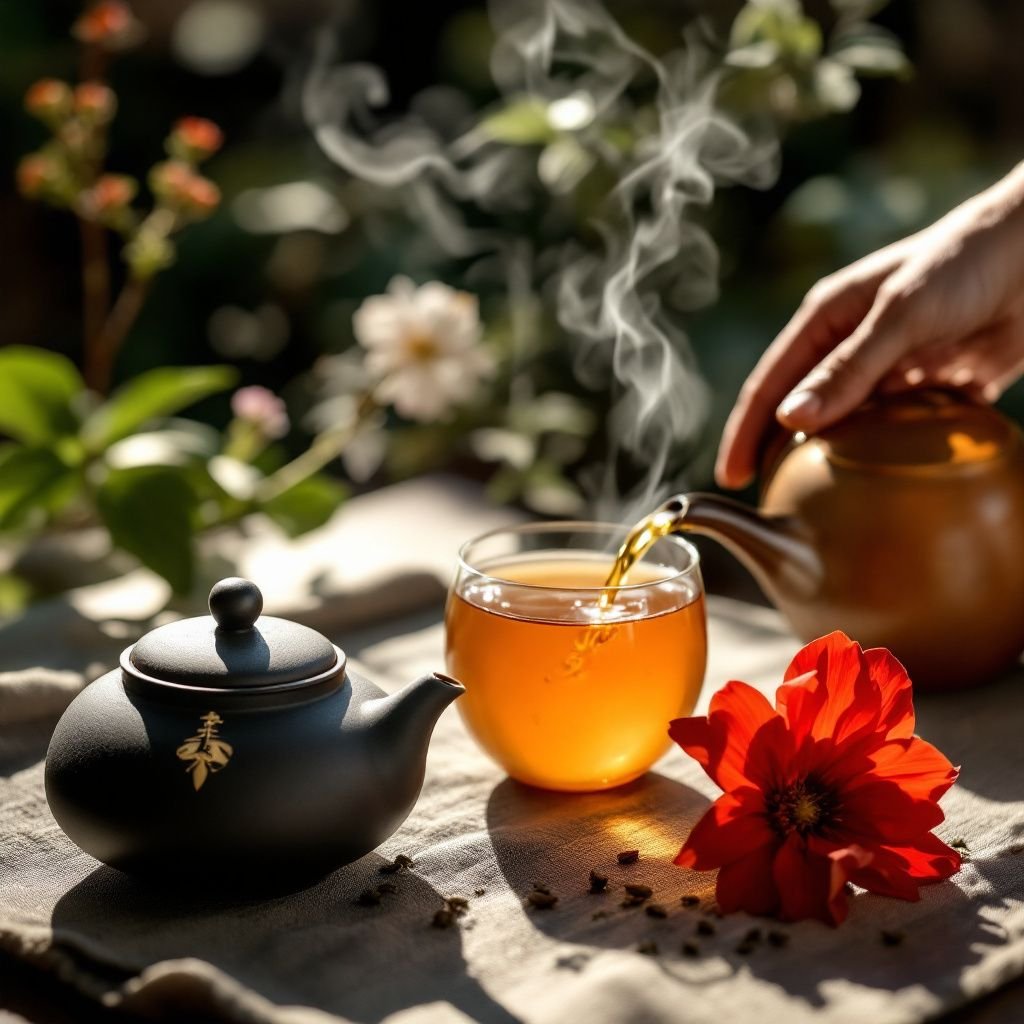
Situated in the heart of southern China, Guangzhou is home to some of the world’s largest and most vibrant tea markets. Known as the epicenter of tea trade in China, Guangzhou offers an unparalleled experience for tea enthusiasts. Whether you’re a tea connoisseur or a casual drinker, navigating these bustling markets can be both exhilarating and overwhelming. This guide aims to help you plan your journey through Guangzhou’s tea markets, offering practical advice on purchasing, bargaining, and shipping your tea treasures home. To deepen your understanding of Chinese tea culture before your visit, read our comprehensive China Tea Travel Guide.
Understanding the Market Layout

Fangcun Tea Market
The Fangcun Tea Market, also known as Fangcun Tea Wholesale Market, is perhaps the most famous of Guangzhou’s tea markets. Spanning several streets, this market is a labyrinth of shops, stalls, and warehouses. It is the largest tea wholesale market in the world, offering a wide variety of teas, from traditional Chinese green teas to exotic blends. Many vendors specialize in specific types of tea, making it a haven for those looking to expand their tea palate.
Market Structure and Layout
The market is divided into different sections, each dedicated to particular types of tea and related products. Some streets focus on loose leaf teas, while others may specialize in tea accessories like teapots and cups. Familiarizing yourself with the layout can save you time and help you focus on the areas most relevant to your interests.
Types of Tea Available
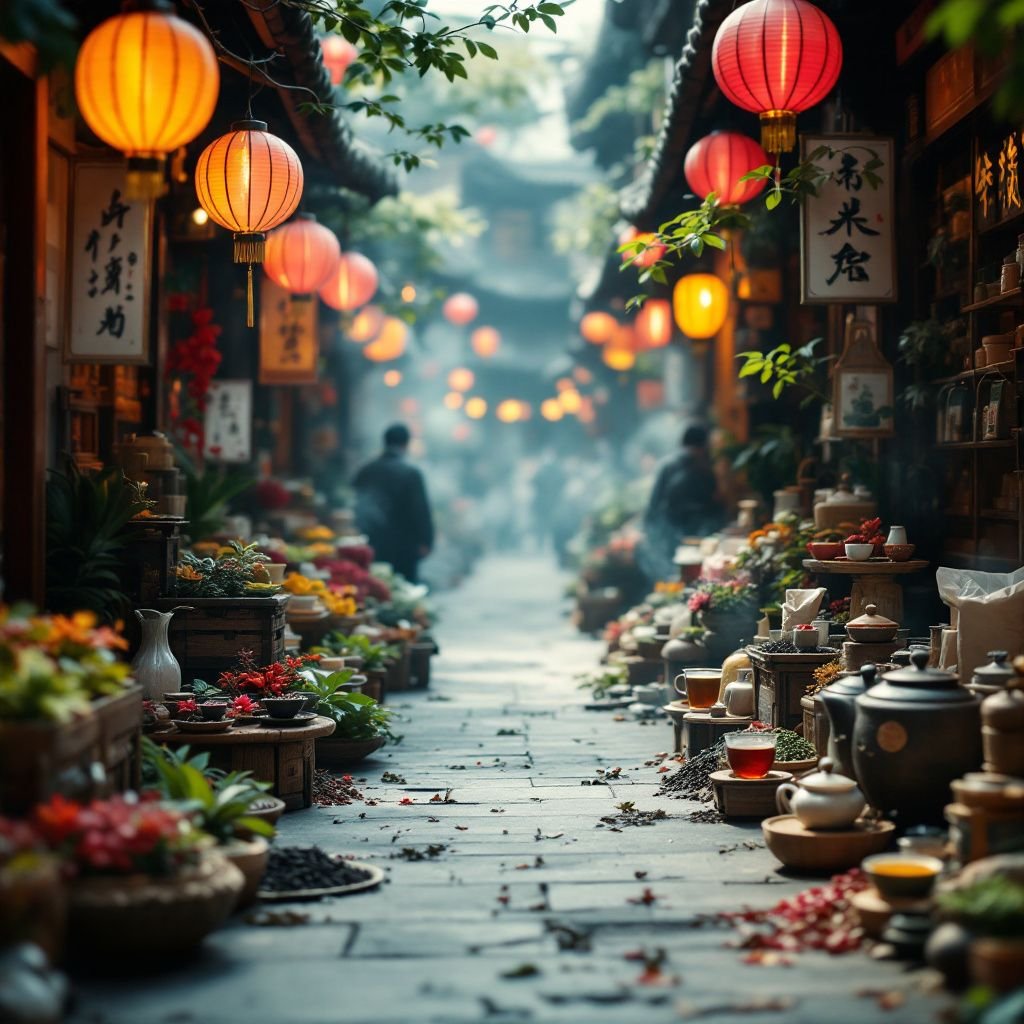
Guangzhou’s tea markets offer an extensive range of teas. You’ll find classic Chinese teas such as Longjing (Dragon Well), Tieguanyin (Iron Goddess), and Pu-erh, alongside lesser-known varieties like White Peony and Yellow Tea. Each type of tea has its own unique flavor profile, brewing requirements, and health benefits. Vendors often provide tasting sessions, allowing you to sample the teas before making a purchase. For a deeper dive into the history and traditions behind these teas, explore our guide to Chinese tea culture.
Tasting Notes and Recommendations
For those new to Chinese teas, it might be helpful to start with some universally popular options. Longjing is renowned for its sweet and nutty flavor, while Tieguanyin offers a floral and creamy taste. Pu-erh is known for its earthy undertones and is often aged for a richer flavor. Be sure to ask vendors for brewing recommendations to achieve the best flavors.
Bargaining Tips and Etiquette
Bargaining is a common practice in Guangzhou’s tea markets, and mastering the art can lead to significant savings. Start by researching average prices to ensure you have a baseline for negotiations. Always be polite and respectful; haggling is part of the cultural experience, and maintaining a friendly demeanor can go a long way. Offering a price that is too low might offend the seller, so aim for a realistic discount instead. If you discover unusual varieties during your visit, our guide to exotic teas from around the world can help you identify and appreciate them.
Where to Buy Tea in Guangzhou: Which Fangcun Markets Sell to Visitors
“Fangcun Tea Market” is not a single building. It is a collection of separate indoor markets and side streets on both sides of Fangcun Boulevard (Fangcun Dadao) in Liwan District, with thousands of shops, most of them selling Pu-erh and other dark teas. You do not need a trade account to buy here: individual shops sell wholesale and by the small bag, and vendors expect you to sit down and taste before you decide. If Guangzhou is one stop on a longer trip, our China tea travel guide covers the other tea regions.
Getting There by Metro
Take Metro Line 1 west to Fangcun station, leave by Exit C and turn right along Fangcun Boulevard. Tea and teaware shops begin within a few minutes’ walk. After 10 to 15 minutes you cross a bridge, and the larger indoor markets sit on either side of the road beyond it, surrounded by more street-level shops.
Where to Start
Nanfang Tea Market (South Tea Market), listed at 810 Qishi Road (Dongqishi Road) in Fangcun, is the easiest single hall for a first visit: roughly 20,000 square metres and around 300 shops selling tea, tea sets and teaware under one roof. Beyond it, the streets between the halls hold shops that specialise in one category, such as a whole shop of Hunan dark tea or of Yingde black tea from Guangdong, and that is where the less common finds are.
How to Buy in Small Quantities
- Ask to taste first. Sampling is the norm, and most shops will brew for you at a small table before any money changes hands.
- Most shops specialise in one kind of tea, so buy a small amount from several shops rather than everything from one.
- Compare the same style of tea across two or three shops before you buy; the Costs and Budgeting section below sets expectations for what a day here costs.
- If you buy more than fits in your luggage, shops are used to posting tea. Our guide to shipping tea internationally covers customs and costs.
Sources checked September 2026: the MudandLeaves Fangcun Tea Market guide (metro directions and market layout), the Nannuoshan Fangcun travelogue (single-category shops and tasting) and the Wanderlog listing for Nanfang Tea Market (size, shop count and address).
Shipping Your Tea Home
Once you’ve selected your teas, the next challenge is getting them home. Many vendors offer shipping services — for a full breakdown of costs and customs rules, see our guide on how to ship tea internationally, which can be a convenient option if you’re purchasing in bulk. Ensure that the vendor packages the tea properly to preserve its freshness. It’s also wise to check shipping regulations in your home country regarding the import of tea to avoid any issues upon arrival.
Customs and Regulations
Before shipping, familiarize yourself with your country’s customs regulations concerning tea imports. Some countries have restrictions on the types or quantities of tea that can be brought in. Ensuring compliance with these regulations can prevent your tea from being delayed or seized at customs.
Local Transportation and Accessibility
Guangzhou is easily accessible by air, with the Guangzhou Baiyun International Airport serving as a major hub. From the airport, the city’s efficient metro system can take you directly to the tea markets. The Fangcun Tea Market is conveniently located near the Fangcun metro station on Line 1, making it easily accessible for travelers.
Accommodation Options
Guangzhou offers a wide range of accommodation options to suit all budgets. For the ultimate tea experience, consider staying in a hotel near the markets. Budget travelers can find affordable guesthouses and hostels, while luxury seekers might prefer upscale hotels offering premium amenities. Staying close to the market gives you more time to explore and indulge in the tea culture.
Costs and Budgeting
Visiting the tea markets of Guangzhou can be as budget-friendly or extravagant as you choose. Basic accommodations in the city start at around $30 per night, while high-end hotels can exceed $200. Meals range from $5 in local eateries to $50 in fine dining establishments. The cost of tea varies widely depending on the type and quality, with prices typically ranging from $10 to $100 per kilogram.
Sample Itineraries
3-Day Itinerary
- Day 1: Arrive in Guangzhou, check into your hotel, and take an introductory stroll around the Fangcun Tea Market.
- Day 2: Spend a full day exploring the market, sampling teas, and learning about different varieties.
- Day 3: Finalize your purchases and arrange for shipping. Consider visiting a nearby cultural site, such as the Chen Clan Ancestral Hall.
5-Day Itinerary
- Day 1-2: Similar to the 3-day itinerary with additional time to explore more sections of the market.
- Day 3: Visit a tea plantation tour outside Guangzhou for a firsthand look at tea production.
- Day 4-5: Return to Guangzhou and spend time exploring other markets and attractions, such as Shamian Island and the Pearl River Cruise.
7-Day Itinerary
- Day 1-3: Follow the 5-day itinerary steps.
- Day 4: Take a day trip to the scenic Baiyun Mountain for a hike and panoramic views of Guangzhou.
- Day 5-7: Explore more of Guangzhou’s cultural attractions, such as the Guangdong Museum and the Temple of the Six Banyan Trees.
Frequently Asked Questions
What is the best time to visit the Fangcun Tea Market?
The market is open year-round, but the best time to visit is during the spring and autumn seasons when the weather is pleasant and new tea leaves are available.
Can I purchase small quantities of tea at the market?
Yes, while Fangcun is a wholesale market, many vendors are happy to sell smaller quantities for personal use.
Are there English-speaking vendors in the market?
Some vendors speak basic English, but it’s helpful to have a translation app or a local guide if you don’t speak Mandarin.
Can I taste the tea before buying?
Most vendors offer tastings, allowing you to sample different teas before making a purchase decision.
What payment methods are accepted at the market?
Cash is widely accepted, but more vendors are beginning to accept credit cards and mobile payments like Alipay and WeChat Pay.
