
Introduction to Tea Plantation Photography
Tea plantations offer some of the most picturesque landscapes for photographers seeking to capture natural beauty and vibrant culture. From the rolling hills of Assam to the misty highlands of Darjeeling, these regions are a photographer’s paradise. In this guide, we delve into expert tips for capturing stunning photos of tea plantations, focusing on elements such as lighting, composition, and cultural sensitivity. For those planning a tea travel adventure, our guide to the Rooibos Harvest in South Africa offers stunning photography opportunities.
Understanding the Charm of Tea Plantations
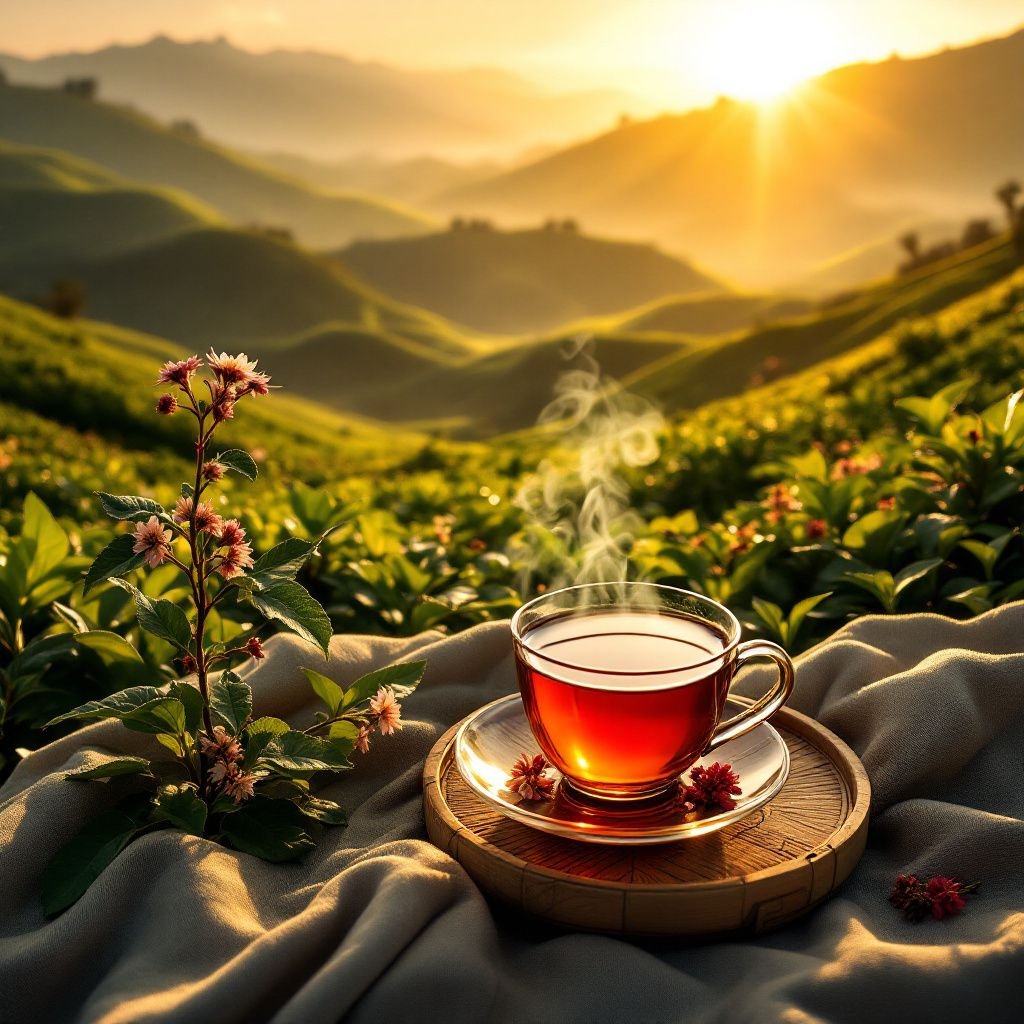
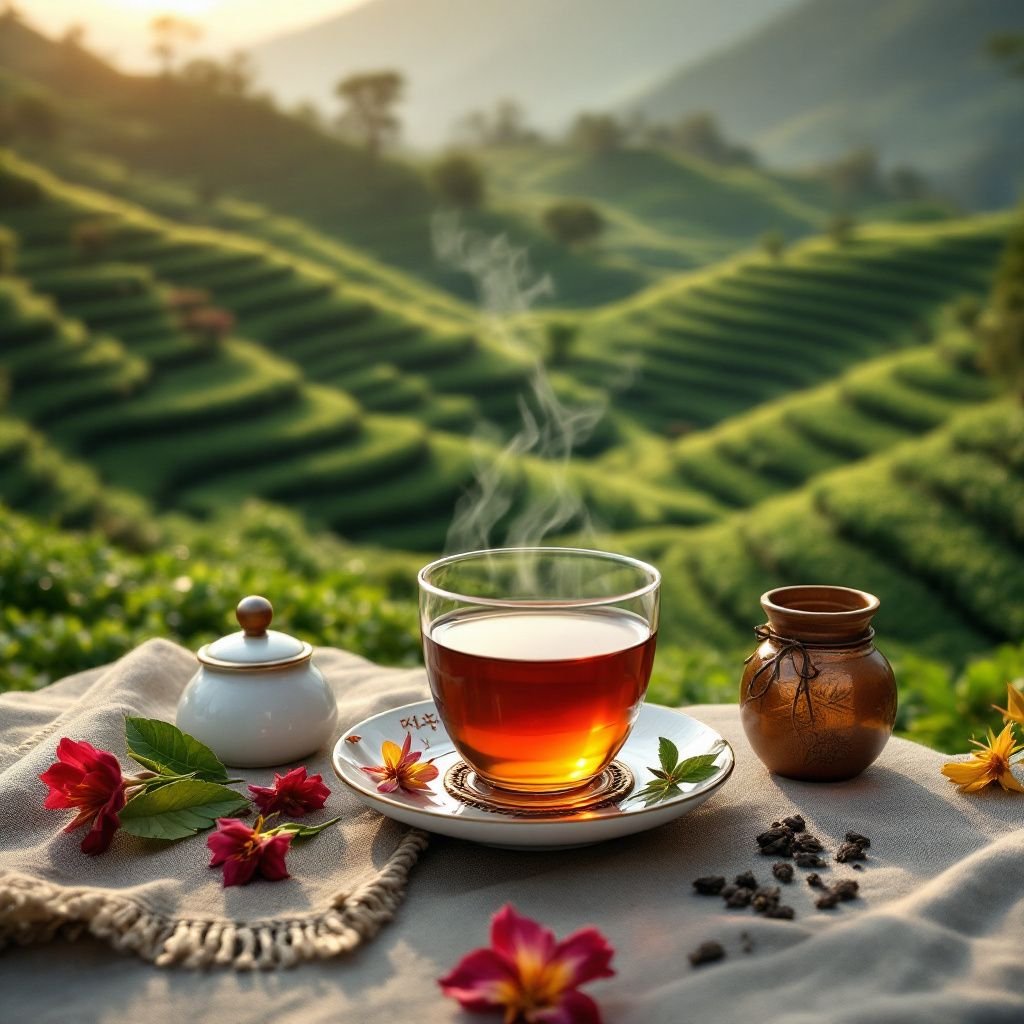
Tea plantations are not just about endless rows of lush greenery. They represent a blend of picturesque landscapes, deep heritage, and cultural significance. The vibrant green hues of tea bushes set against mist-laden mountains create a mesmerizing contrast that beckons photographers from around the world. Understanding this charm is essential for capturing the essence of these landscapes in your photographs.
The Impact of Light and Weather
Light plays a crucial role in tea plantation photography. Early mornings and late afternoons provide soft, diffused lighting that enhances the natural beauty of the tea leaves. The mist that often envelops these areas adds a mystical quality to your images. Capturing this requires patience and the willingness to explore different times of the day. Consider investing in a polarizing filter to reduce glare and enhance color saturation. Explore the breathtaking landscapes of Lishan High Mountain Tea in Taiwan for dramatic high-altitude shots.
Essential Photography Gear for Tea Plantations
Having the right photography gear is crucial when venturing into tea plantations. A versatile DSLR or mirrorless camera with interchangeable lenses will give you the flexibility needed to capture both wide landscapes and intricate details. Consider carrying a tripod for stability, especially when shooting in low light conditions or capturing panoramic views. A lightweight bag and weather-resistant gear are also recommended, given the often unpredictable weather conditions in these regions.
Recommended Lenses and Accessories
A wide-angle lens is ideal for capturing sweeping landscapes and the vastness of tea plantations. For close-ups and capturing the intricate details of tea leaves, a macro lens can be invaluable. Don’t forget extra batteries and memory cards, as these remote locations may not have easy access to charging facilities. The ancient tea heritage of Anhua Black Tea in Hunan provides rich cultural photography subjects.
Techniques for Capturing Tea Pickers
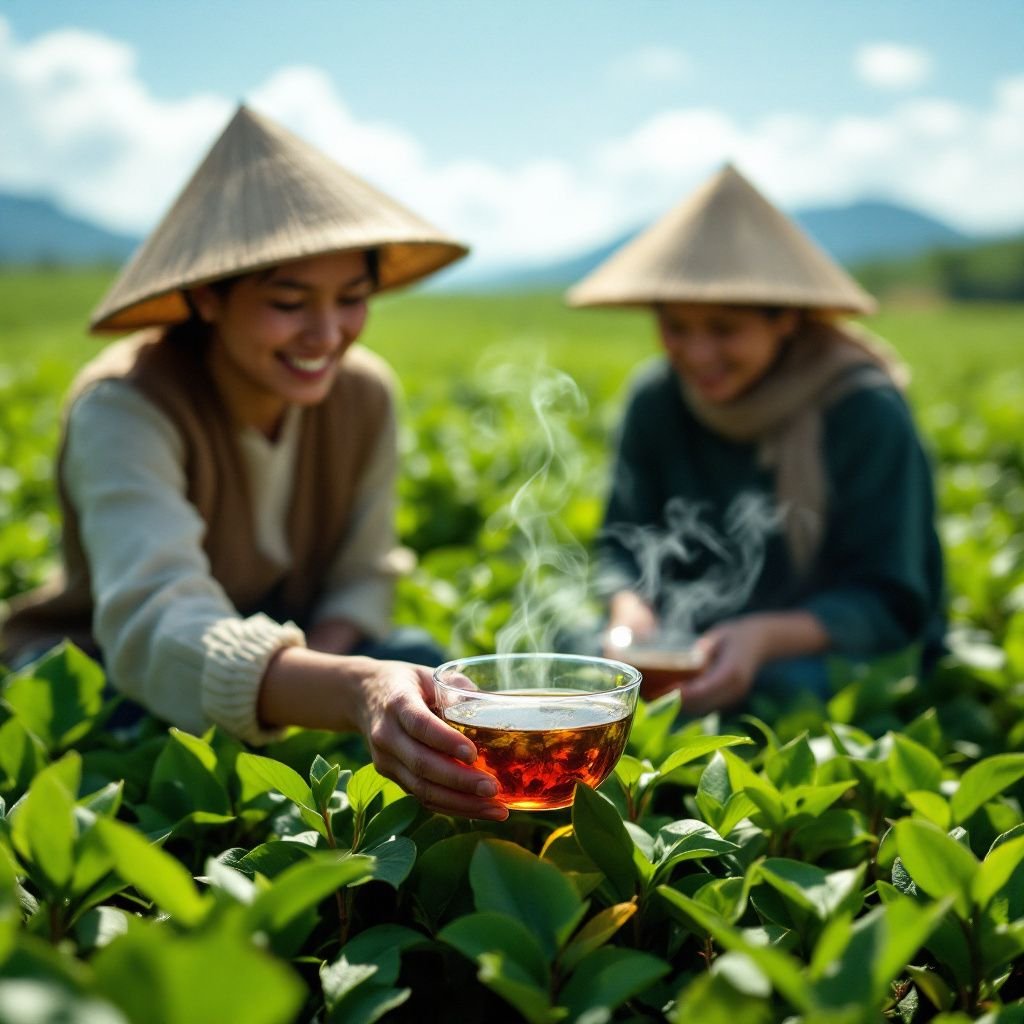
Photographing tea pickers requires a sensitive approach. It’s important to respect their privacy and seek permission before taking pictures. Aim to capture candid moments that reflect their daily life and the hard work involved in tea harvesting. Use a longer focal length to photograph from a distance, allowing for natural expressions and movements.
Maintaining Cultural Sensitivity
Always approach tea pickers with respect and cultural sensitivity. Learning a few words in the local language can go a long way in building rapport. Offer to share your photos with them, which often helps in gaining their trust and cooperation.
Composition Tips for Tea Farm Photography
Composition is key to creating engaging photographs. Use leading lines to guide the viewer’s eye through the image, such as the paths between tea rows. The rule of thirds can help balance your composition, placing the horizon or key subjects off-center. Experiment with different angles, such as shooting from a lower perspective to emphasize the height and expanse of the tea bushes.
Incorporating Human Elements
Including people in your shots can add a sense of scale and narrative to your images. Capture the interaction between workers and their environment to tell a story. This not only creates visually interesting images but also highlights the cultural and human aspects of tea plantations.
Dealing with Mist and Overcast Skies
Mist is a common feature in tea-growing regions, offering a unique atmospheric quality to your photographs. Embrace the mist to add depth and mood to your images. Adjust your camera settings to compensate for the lower contrast and light levels. Overcast skies can serve as a natural diffuser, softening shadows and enhancing colors.
Using Mist to Your Advantage
When shooting in misty conditions, focus on silhouettes and outlines to create dramatic effects. Capture the layers of mist to add depth to your landscapes, and use it to highlight the textures and patterns in the tea fields.
Best Practices for Mountain Landscape Photography
Mountain landscapes surrounding tea plantations provide a stunning backdrop. To capture these effectively, use a wide-angle lens and position yourself to include layers of hills in the frame. Pay attention to the play of light and shadow across the landscape throughout the day. Early morning and late afternoon are the best times to capture the warm glow of the sun on the mountains.
Capturing Dynamic Range
High-contrast scenes are common in mountain landscapes. Use HDR (high dynamic range) techniques to balance exposure between the bright sky and darker foreground. This can be achieved by bracketing your exposures and merging them in post-processing.
Conclusion: Bringing It All Together
Tea plantation photography is a rewarding endeavor that combines travel, nature, and culture in a unique way. By understanding the nuances of light, composition, and cultural sensitivity, you can capture stunning images that tell the story of these enchanting landscapes. Remember to respect the local communities and always seek permission before photographing individuals. With patience and practice, you can create a portfolio that not only showcases the beauty of tea plantations but also the rich cultural tapestry that surrounds them.
External Resources
Frequently Asked Questions
What is the best time of day for tea plantation photography?
Early morning and late afternoon are ideal for tea plantation photography due to the soft, diffused lighting and the possibility of capturing mist.
What camera gear is essential for tea plantation photography?
A versatile DSLR or mirrorless camera with interchangeable lenses, a wide-angle lens, and a tripod are essential. Consider weather-resistant gear due to unpredictable conditions.
How can I photograph tea pickers respectfully?
Seek permission before photographing individuals, use a longer focal length to maintain distance, and approach with cultural sensitivity.
How do I capture the vibrant greens of tea plantations?
Use a polarizing filter to enhance color saturation and reduce glare. Shoot during times of day with optimal natural lighting.
What techniques can I use to capture mist in my photos?
Focus on silhouettes and outlines to create dramatic effects. Use mist to add depth and mood to your images, capturing layers for a textured effect.
