
Quick Facts Box

- Country: Sri Lanka
- Region: Hill Country
- Best Time to Visit: December to March
- Currency: Sri Lankan Rupee (LKR)
- Language: Sinhala, Tamil
- Visa Requirements: ETA visa required for most travelers
Introduction to Sri Lanka’s Tea Trail
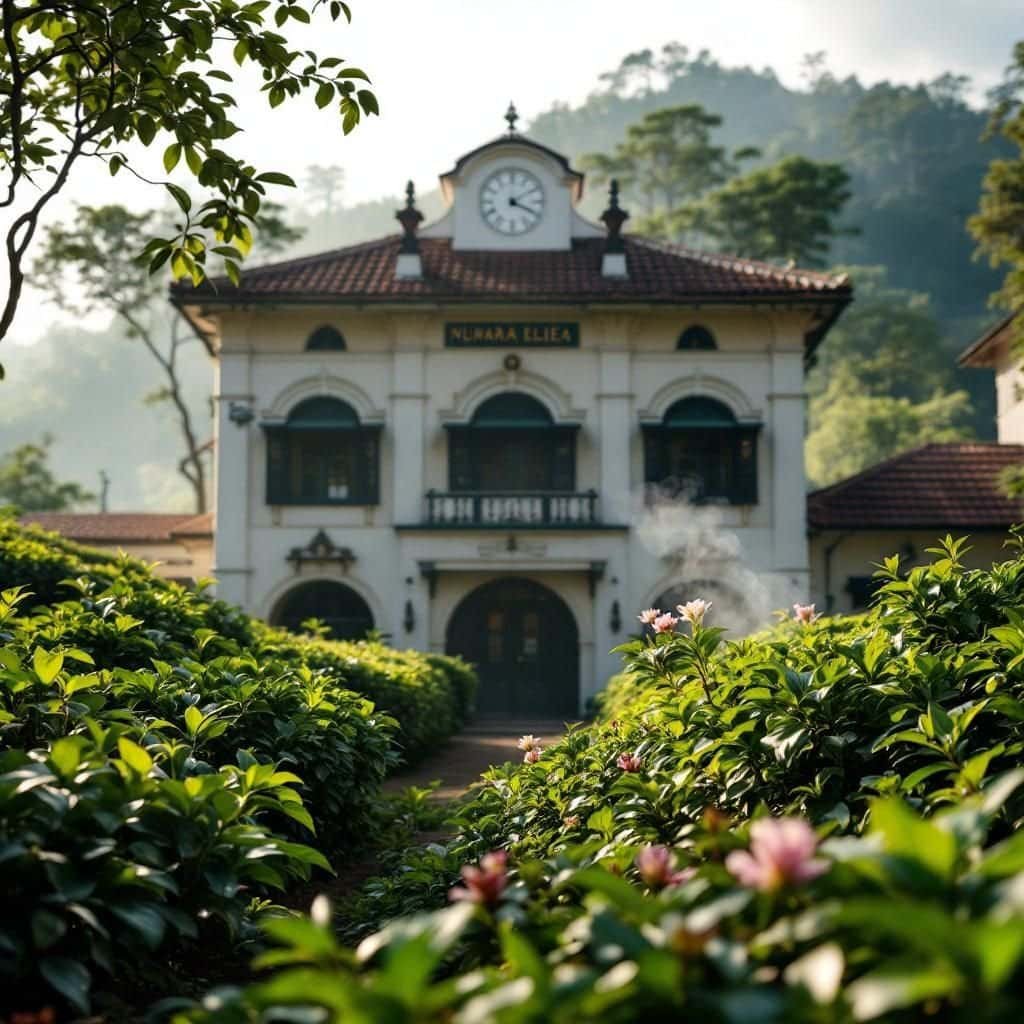
Set in the heart of Sri Lanka’s Hill Country, the Sri Lanka Tea Trail offers an unparalleled blend of breathtaking landscapes and rich cultural heritage. As one of the world’s premier tea-producing regions, this trail invites travelers to explore the lush tea estates, historic factories, and colonial-era bungalows. The trail encompasses the renowned regions of Nuwara Eliya, Ella, and Haputale, each offering unique experiences, from hiking through verdant hills to indulging in tea tastings. Whether you’re a hiking enthusiast or a tea connoisseur, this guide will help you navigate the best routes, accommodations, and experiences the Sri Lanka Tea Trail has to offer.
Best Tea Regions: Nuwara Eliya, Ella, and Haputale
Quick Answer: The Sri Lanka Tea Trail is a 4-day guided hiking route through the Hill Country’s iconic Ceylon tea estates, connecting Dickoya to Hatton via Nuwara Eliya. Hikers traverse lush tea plantations, colonial bungalows, and misty mountain paths while experiencing authentic tea culture firsthand. Best visited January–April during the dry season.
The Hill Country of Sri Lanka is a tapestry of emerald-green tea plantations, with Nuwara Eliya, Ella, and Haputale being the most notable regions. Nuwara Eliya, often referred to as “Little England,” is known for its cool climate and picturesque landscapes. The tea estates here, such as Pedro tea estate, offer guided tours and tastings. Moving south, Ella is famed for its stunning views from the Ella Rock and Nine Arches Bridge, with the Halpewatte Tea Factory providing insight into the tea-making process. Haputale, perched at a higher elevation, offers mesmerizing views from the Lipton’s Seat and tours at the Dambatenne Tea Factory, founded by the legendary Sir Thomas Lipton. Each region not only offers exceptional tea but also a glimpse into the colonial history and craftsmanship that define Sri Lanka’s tea industry.
types of tea Produced in Sri Lanka
Sri Lanka, formerly known as Ceylon, is renowned for producing some of the world’s finest teas. The island’s diverse climate allows for the production of several types of tea, including black, green, and white tea. Black tea, known for its robust flavor and bright color, is the most commonly produced and exported. Nuwara Eliya’s high-grown teas are particularly prized for their delicate flavor and floral aroma, while the mid-grown teas from Kandy offer a rich, full-bodied taste. Green tea, produced in lesser quantities, is known for its fresh and light characteristics. White tea, also known as Silver Tips, is the most delicate and expensive, made from the youngest buds. Each type of tea offers a unique tasting experience, reflecting the terroir of its region.
Tea Tourism Experiences
Setting out on a tea tourism adventure in Sri Lanka is a sensory delight. Visitors can engage in guided tours through the lush tea estates, where the intricate process of tea cultivation and plucking is explained. Many estates, such as the renowned Mackwoods Labookellie Tea Centre, offer factory tours where you can witness the transformation of tea leaves into the final product. Tea tastings provide an opportunity to savor the subtle nuances between different types and grades of tea. For a more immersive experience, participate in a traditional Sri Lankan tea ceremony, a ritual that highlights the cultural significance and artistry of tea preparation.
Best Time to Visit
The optimal time to explore Sri Lanka’s tea trail is from December to March when the weather is cooler and drier, particularly ideal for hiking and outdoor activities. The monsoon season, from May to September, brings heavy rains to the Hill Country, making some trails challenging. However, the lush landscape during this period is a sight to behold, offering a different kind of beauty. Regardless of when you visit, the region’s charm and hospitality remain constant, ensuring a memorable experience.
How to Get There
Reaching the Hill Country from Colombo, Sri Lanka’s capital, is a journey through scenic landscapes. The most popular mode of transport is by train, with the route from Kandy to Ella being particularly famous for its breathtaking views. Trains are comfortable and offer different classes to suit various budgets. Alternatively, private taxis and buses are available for a more direct route. Once in the region, tuk-tuks and local buses provide convenient means to explore the tea estates and attractions.
Where to Stay: Tea Estate Accommodation in Sri Lanka
Accommodation options in Sri Lanka’s tea country range from budget-friendly hostels to luxury colonial bungalows. For a unique experience, consider staying at a tea estate bungalow, such as those offered by the Ceylon Tea Trails. These bungalows provide a luxurious retreat with sweeping views of the plantations, personalized service, and gourmet dining. Budget travelers can find comfortable guesthouses and hotels in towns like Nuwara Eliya and Ella, offering easy access to local attractions and hiking trails.
Costs and Budgeting
Traveling through Sri Lanka’s tea country can be surprisingly affordable. Daily budgets can range from $30 to $100, depending on accommodation choices and activities. Budget travelers can find meals for as low as $2 at local eateries, while mid-range restaurants offer meals for around $10. Entrance fees for tea factory tours are typically modest, and public transport is inexpensive. Luxury travelers can indulge in high-end experiences with budget considerations for private tours and upscale accommodations.
Sample Itineraries
3-Day Itinerary
Day 1: Arrive in Nuwara Eliya. Visit Pedro Tea Estate and explore the town’s colonial architecture.
Day 2: Travel to Ella. Hike Ella Rock and visit the Nine Arches Bridge.
Day 3: Experience a tea factory tour at Halpewatte Tea Factory. Return to Colombo.
5-Day Itinerary
Day 1: Arrive in Nuwara Eliya. Stay at a tea estate bungalow.
Day 2: Visit Horton Plains National Park for a nature hike.
Day 3: Travel to Ella. Hike Little Adam’s Peak.
Day 4: Explore Ravana Falls and visit the Halpewatte Tea Factory.
Day 5: Head to Haputale. Visit Lipton’s Seat and Dambatenne Tea Factory.
7-Day Itinerary
Day 1: Arrive in Colombo, travel to Nuwara Eliya.
Day 2: Explore Pedro Tea Estate and Victoria Park.
Day 3: Visit Horton Plains and Baker’s Falls.
Day 4: Travel to Ella, hike Ella Rock.
Day 5: Visit Nine Arches Bridge and Ravana Falls.
Day 6: Travel to Haputale, visit Lipton’s Seat.
Day 7: Visit Dambatenne Tea Factory, return to Colombo.
Related Guides
- 10 Best Tea Estate Stays for a Relaxing Getaway
- How to Pack for an International Tea Tour: Gear & Etiquette
- 10 Essential Tips for Planning Your First International Tea Tour
- Sustainable Tea Havens: 5 Eco-Friendly Tea Accommodations Worldwide
- The History of Tea: From Ancient China to Global Phenomenon
Frequently Asked Questions
What is the Pekoe Trail?
The Pekoe Trail is a series of hiking routes through Sri Lanka’s tea country, showcasing the stunning landscapes and tea plantations of the Hill Country.
Can I visit a tea factory in Sri Lanka?
Yes, many tea factories, such as the Nuwara Eliya Tea Factory and Halpewatte Tea Factory, offer guided tours for visitors.
What should I pack for hiking in Sri Lanka’s tea country?
Pack comfortable hiking shoes, lightweight clothing, a waterproof jacket, and a hat. Don’t forget sunscreen and insect repellent.
Are there guided tours available?
Yes, various tour operators offer guided hikes and tea plantation tours, which can be booked in advance.
How safe is hiking in Sri Lanka?
Hiking in Sri Lanka is generally safe, but it is recommended to stay on marked trails and travel with a guide if unfamiliar with the area.
What is the best time of year to hike the Sri Lanka Tea Trail?
The best time to hike the Sri Lanka Tea Trail is during the dry season from January to April, when the Hill Country experiences clear skies and cooler temperatures ideal for trekking. The months of January to March also offer good conditions. Avoid the southwest monsoon season (May–August in coastal areas) and the northeast monsoon (October–January in the Hill Country), as heavy rains can make trails slippery and obscure the mountain views.
Do I need a guide to hike the Sri Lanka Tea Trail?
While experienced hikers can navigate parts of the trail independently, hiring a local guide is strongly recommended for first-time visitors. Guides provide invaluable knowledge about tea cultivation, local culture, and safe trail navigation. They also facilitate access to private tea estate sections and arrange authentic tea tastings with estate managers. Most tea estate bungalows can arrange guided hikes as part of their accommodation packages.
🌿 Plan Your Sri Lanka Tea Journey
Ready to hike the Ceylon tea trails? Explore our complete guides to Sri Lanka’s tea country, from Nuwara Eliya to the Ella highlands — and discover the best tea estate stays for your trip.

