
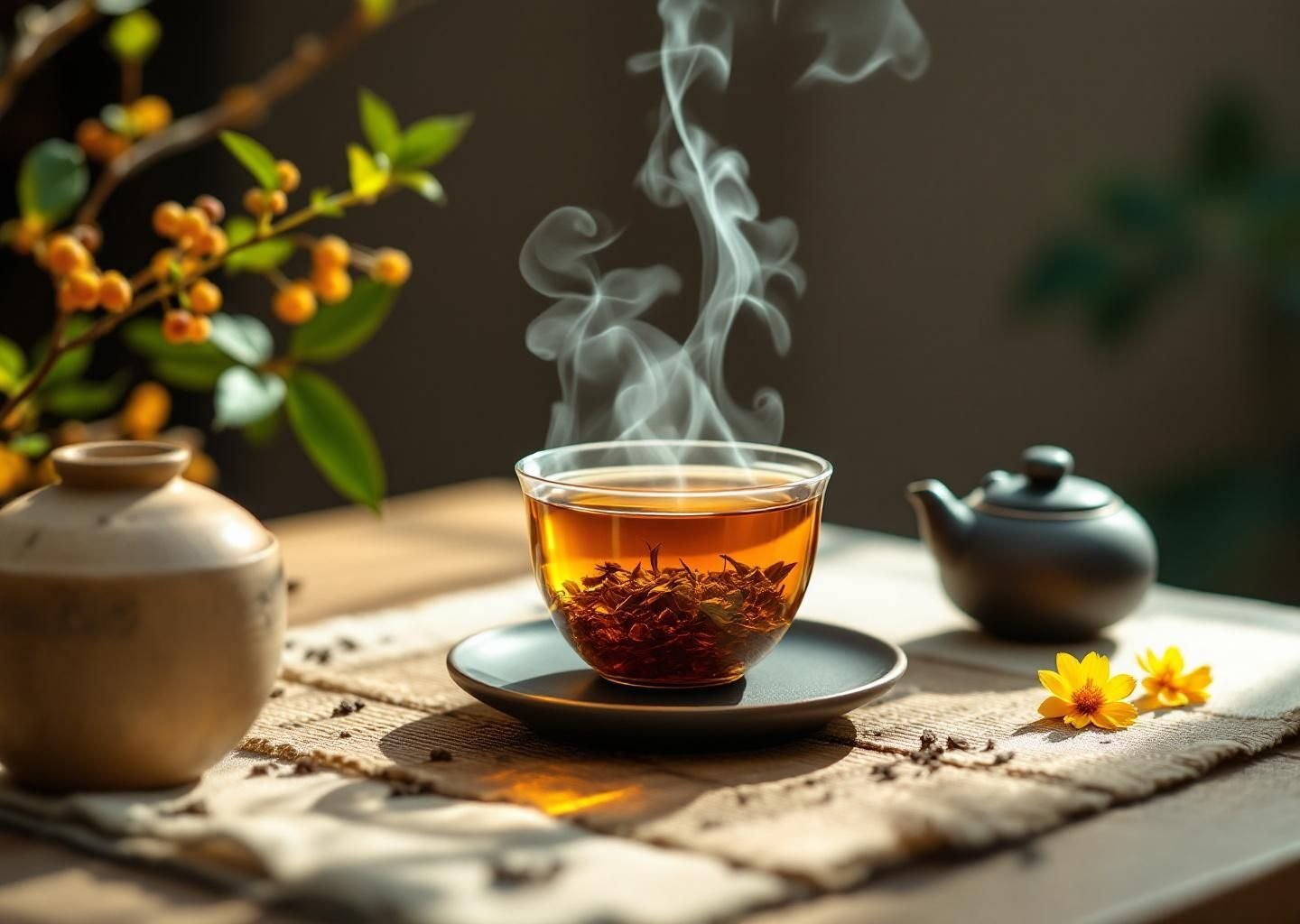
Quick Summary: Tea pets are small clay figurines used in Chinese tea ceremonies, traditionally made from Yixing clay. They are “fed” tea during each session, gradually developing a rich patina and absorbing the tea’s essence over years of use. Popular shapes include frogs, dragons, and mythical creatures. Tea pets are both decorative companions and symbols of good luck in Chinese tea culture.
What Are Tea Pets?
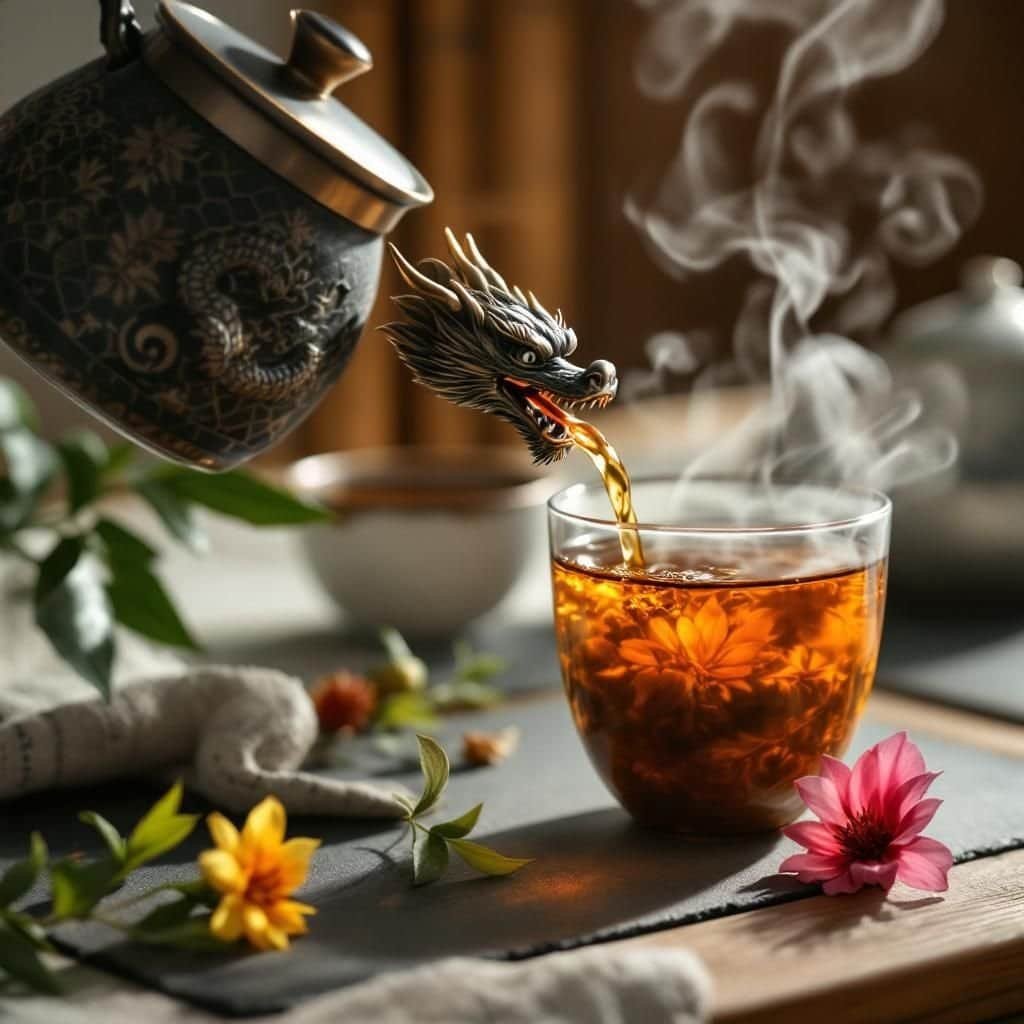
Tea pets, also known as ‘cha chong’ in Chinese, are small clay figures traditionally kept by tea enthusiasts during their tea ceremonies. These charming companions are made primarily from Yixing clay, a unique material known for its ability to absorb the essence of tea over time, enhancing the pet’s appearance and character. Tea pets come in various shapes and designs, including animals, mythical creatures, and auspicious symbols.
The primary purpose of a tea pet is not just decorative; they are believed to bring good luck and fortune to their owners. During tea ceremonies, the tea pet is placed on the tea tray and is occasionally doused with leftover tea, which is thought to nourish the clay and bring out its natural beauty. As the tea pet absorbs tea, it develops a patina that reflects the owner’s tea habits, making each tea pet a unique family heirloom.
Tea pets are an integral part of the traditional Chinese tea culture, acting as silent companions that grow and change with each tea session. They serve as a bridge between the physical ritual of tea brewing and the spiritual connection to the history and artistry of tea culture.
History and Meaning of Tea Pets
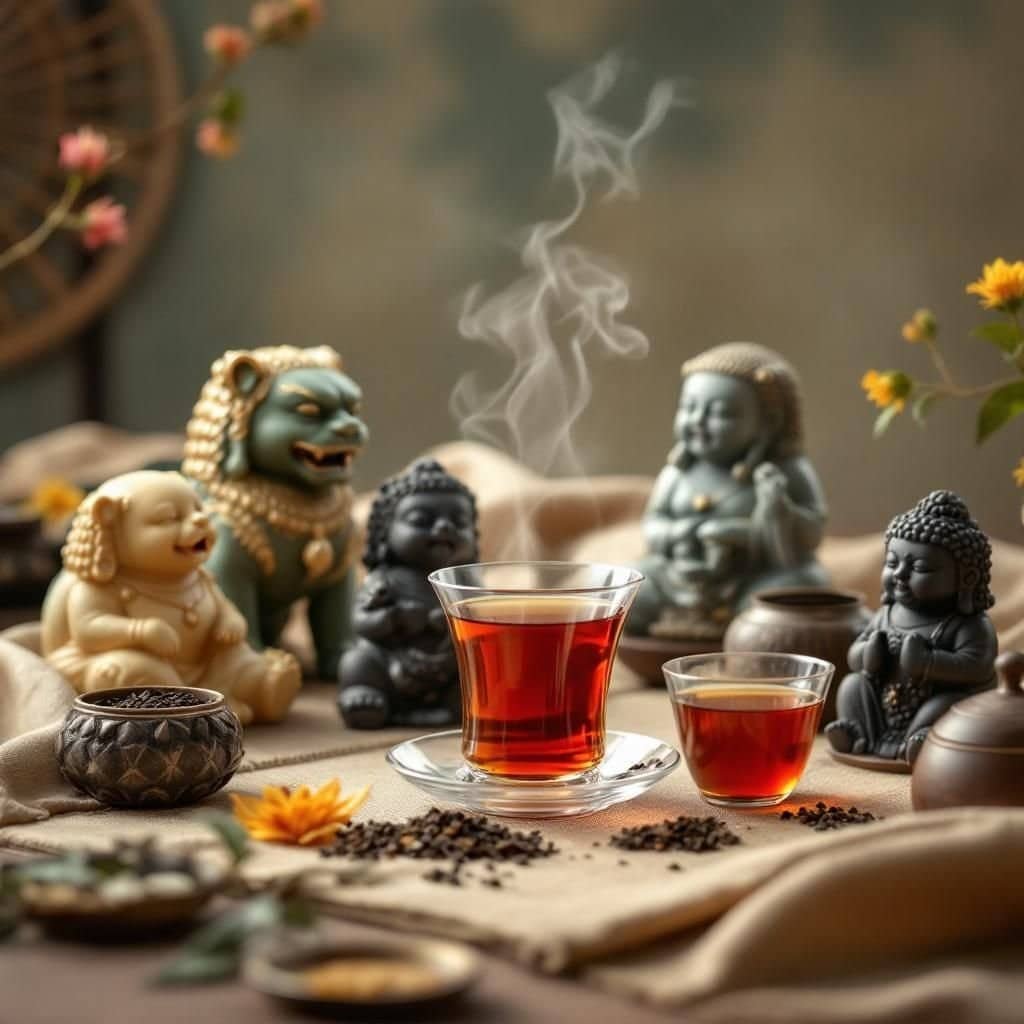
The history of tea pets dates back to the Ming Dynasty (1368–1644), a period when Yixing clay was first discovered in China’s Jiangsu province. This clay quickly became popular for crafting teapots due to its porous nature and ability to enhance the flavor of tea. As the culture of tea brewing evolved, tea enthusiasts began crafting small figurines to accompany them during their tea rituals. Explore the long history of tea in our China Tea Travel Guide.
Historically, tea pets were seen as symbols of prosperity, wisdom, and protection. The most common figures include lions, dragons, and toads, each carrying its own symbolic meaning. For instance, the three-legged toad, or ‘Chan Chu’, is a popular tea pet believed to attract wealth and good fortune. Similarly, dragon tea pets are thought to represent power and strength.
The use of tea pets reflects a deep cultural appreciation for personal growth and mindfulness. As the tea pet absorbs tea over time, it symbolizes the owner’s journey and personal development. This spiritual connection to tea pets continues to be a cherished aspect of Chinese tea culture, providing a sense of continuity and tradition. Enhance your tea ritual with our guide on how to taste tea like a pro.
Popular Tea Pet Types
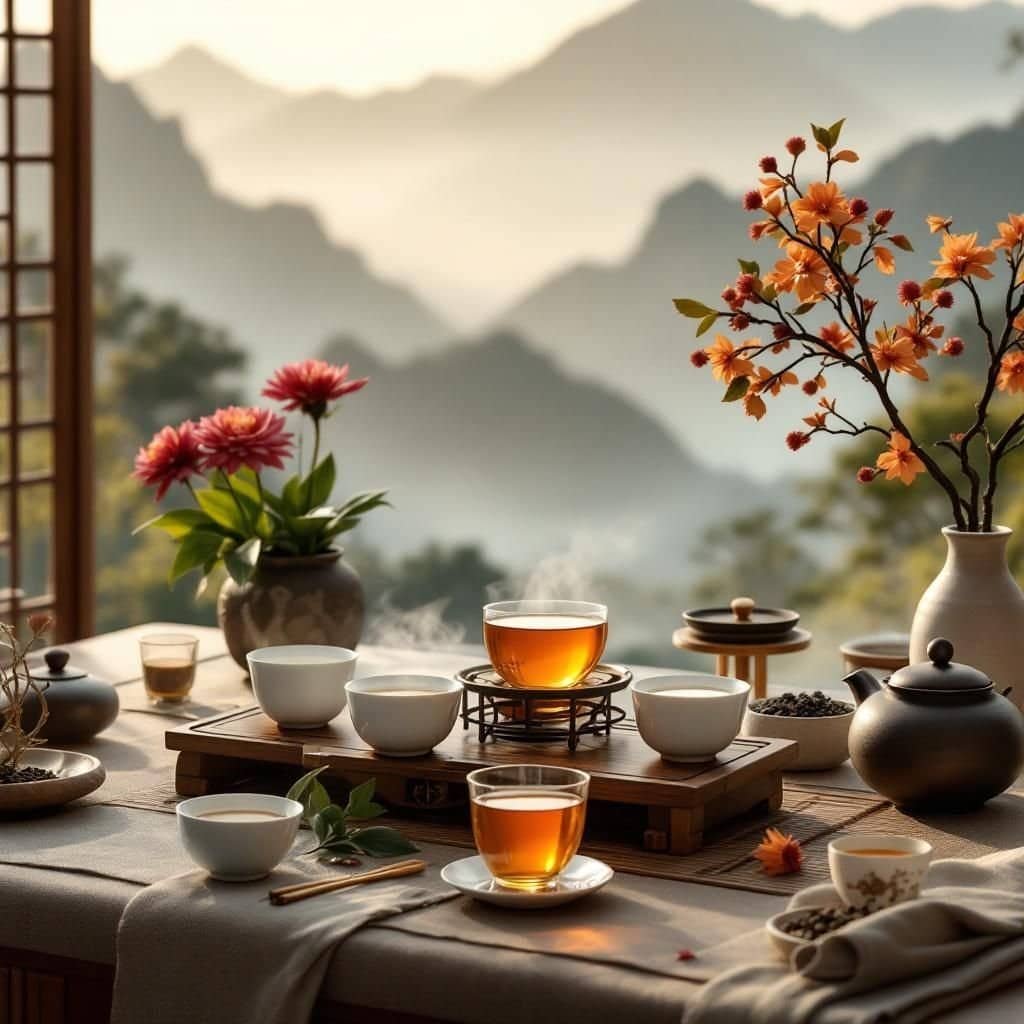
Tea pets come in a myriad of forms, each with its own charm and significance. Some of the most popular types include:
- Three-Legged Toad (Chan Chu): Known for its association with wealth, this tea pet often features a coin in its mouth and is a favorite among those seeking prosperity.
- Lions: Symbolizing protection and bravery, lion tea pets are commonly used to ward off negative energy and bring strength to the tea practice.
- Dragons: Representing power and majesty, dragon tea pets are revered for their ability to inspire courage and leadership.
- Pixiu: A mythical creature believed to bring wealth and ward off evil spirits, Pixiu tea pets are particularly popular in Feng Shui practices.
- Buddhas and Monks: These figures represent wisdom and enlightenment, often used to enhance the meditative aspect of tea ceremonies.
Each tea pet type carries its own cultural significance and is chosen based on the personal preferences and spiritual goals of the tea practitioner. The diversity in tea pet designs allows for a personalized tea experience that reflects the unique journey of its owner.
How to Care for Your Tea Pet
Caring for your tea pet is a rewarding process that enhances its beauty and connection to your tea practice. Here are some essential tips for maintaining your tea pet:
- Use only tea: Avoid using water or other liquids on your tea pet, as this can harm the clay. Instead, regularly pour leftover tea onto the pet during your sessions.
- Gently clean the pet: Rinse your tea pet with warm tea and use a soft brush to gently scrub away any dirt or residue. Avoid using soap or harsh cleaners.
- Allow it to dry naturally: After each tea session, let your tea pet dry in a well-ventilated area. This helps maintain its natural patina.
- Handle with care: Tea pets are delicate, so handle them gently to avoid breakage. Store them in a safe place when not in use.
- Embrace the patina: Over time, your tea pet will develop a unique sheen that reflects your personal tea journey. Embrace this transformation as part of its charm.
By following these care tips, your tea pet will continue to be a cherished companion in your tea rituals, growing more beautiful with each session.
FAQs About Tea Pets
What is the purpose of a tea pet?
Tea pets serve as decorative companions during tea ceremonies, believed to bring good luck, fortune, and spiritual connection to the tea practitioner.
How do I choose a tea pet?
Choose a tea pet that resonates with your personal beliefs and goals. Consider symbolism, such as wealth, wisdom, or protection, when selecting a figure.
Can I use any type of tea with my tea pet?
Yes, you can use any type of tea. The type of tea you use will affect the color and patina of your tea pet over time, adding to its unique character.
How long does it take for a tea pet to develop a patina?
The time it takes for a tea pet to develop a patina varies based on frequency of use and type of tea. Regular use will enhance its sheen more quickly.
Are tea pets only made from Yixing clay?
While Yixing clay is the most traditional material, tea pets can also be made from other types of clay or ceramics, each offering different aesthetic qualities.
Related Guides
- Guide to Yixing Teapots
- Understanding the Chinese Tea Ceremony
- Mastering Gongfu Tea Brewing
- An Introduction to Chinese Tea Culture
- Collectibles in the World of Tea
For further reading, explore the rich culture of tea through our related guides and insights into traditional practices that enrich the tea experience.
yes
Daily Tea Pet Rituals & Patina Care
Proper care of your tea pet ensures it develops a beautiful patina and remains a cherished companion for years to come. Unlike other decorative items, tea pets require regular attention and interaction as part of your tea practice.
Daily Tea Pet Rituals
- Pour tea over your pet at the start of each session — use the first rinse of your tea leaves
- Use quality tea — oolong, pu-erh, and dark teas develop the richest patinas on Yixing clay
- Avoid soap — never wash your tea pet with detergent, as this strips the accumulated tea oils
- Rinse with hot water after each session to remove loose tea residue
- Air dry naturally — do not use towels or cloths that may leave fibers
Building the Patina Over Time
The patina (called “bao jiāng” in Chinese) is the hallmark of a well-loved tea pet. It develops as the porous Yixing clay absorbs tea oils and tannins over hundreds of tea sessions. A tea pet with a deep, lustrous patina is considered more valuable and meaningful than a new one — it carries the history of every tea ceremony it has witnessed.
Expect to see noticeable changes after 6-12 months of regular use. The clay will darken, develop a subtle sheen, and may even change color depending on the teas used. Pu-erh tea tends to create darker, earthier patinas, while oolong produces lighter, more golden tones.
Deepen Your Chinese Tea Journey
Tea pets are just one fascinating element of China’s rich tea culture. If you’re inspired to explore further, from the ancient tea houses of Chengdu to the oolong gardens of Fujian, our guides will help you plan an unforgettable tea travel experience.
- 🍵 Explore our China Tea Travel Guide
- 🏮 Discover Chinese Tea Culture: History & Traditions
- ✉️ Subscribe to our newsletter for weekly tea travel inspiration from around the world