
Introduction to Rooibos Harvest Season
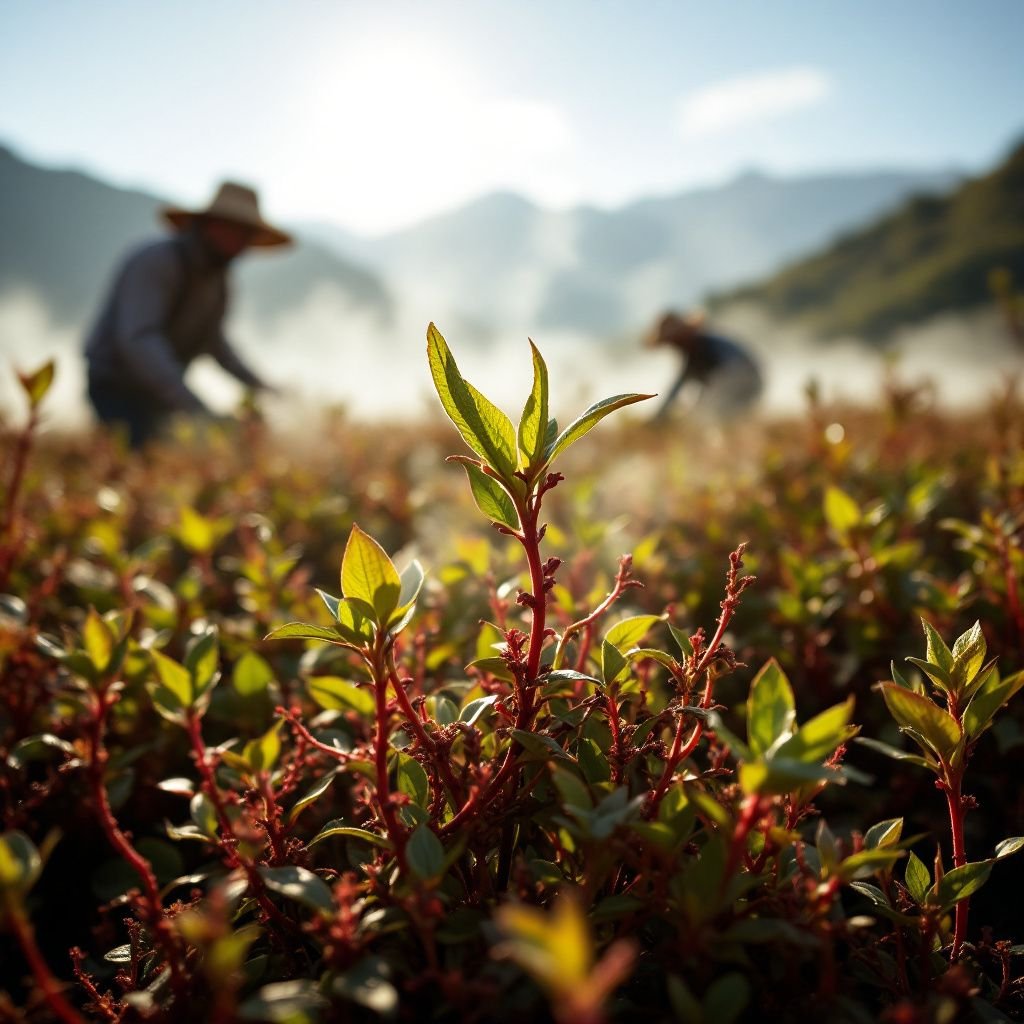
Set in the picturesque Cederberg region of South Africa lies the heart of the world’s rooibos tea production. For an in-depth look at visiting the farms, our guide to Cederberg rooibos farm tours covers everything you need to know. Known for its unique red hue and sweet, earthy flavor, rooibos has become a popular choice for tea enthusiasts around the globe. For travelers planning to explore the Cederberg, understanding the rooibos harvest season can significantly enhance the experience — and booking Cederberg rooibos farm tours in advance is highly recommended. This guide offers a comprehensive month-by-month breakdown of what to expect during the rooibos harvest, ensuring visitors can make the most of their journey. For stunning visual documentation of your journey, see our guide to tea plantation photography.
January: The Preparation Begins
The new year marks the beginning of preparation for the upcoming rooibos harvest. During January, farmers in the Cederberg region focus on ensuring optimal growing conditions. This involves maintaining the health of the soil and monitoring the plants for any signs of stress or disease. Travelers visiting in January can witness the meticulous planning and dedication that goes into cultivating rooibos. While the fields may not be bustling with activity, this is an excellent time for those interested in the agricultural aspects of tea production. Additionally, the summer in Cederberg offers warm temperatures and clear skies, perfect for outdoor exploration and hiking in the surrounding mountains.
February: Growth and Monitoring
As the summer sun continues to bathe the Cederberg region, February is a crucial month for monitoring the growth of rooibos plants. Farmers pay close attention to the plants, ensuring they receive adequate water and nutrients. This month is also ideal for visiting the region’s many rooibos farms, where travelers can engage with locals and gain insights into the daily routines of tea cultivation. The landscape is lush and vibrant, offering a stunning backdrop for photography enthusiasts. February also allows visitors to experience the local culture, with various South African tea festivals showcasing the nation’s rich tea heritage. Tea travelers also love the high-altitude experience of Lishan oolong tea in Taiwan.
March: The Harvest Commences

March signals the beginning of the rooibos harvest season, a period of bustling activity and excitement. The fields come alive as workers begin to cut the ripened rooibos plants. This is a fantastic time for travelers to experience the harvest firsthand, participating in immersive rooibos harvest experiences that allow them to engage directly with the harvesting process. Visitors can learn about traditional and modern methods of harvesting the tea, providing a deeper appreciation for the work involved in bringing rooibos to their cups. The Cederberg’s natural beauty during this time is also a draw, with its rugged mountains and expansive vistas offering ample opportunities for exploration and adventure.
April: Processing and Fermentation
With the harvest in full swing, April focuses on the processing and fermentation of the rooibos leaves. After the plants are cut, they are spread out to dry under the African sun, a process that enhances their distinctive flavor and red color. Travelers visiting in April can tour processing facilities to witness these crucial stages. Guided tours often include tastings, allowing visitors to sample fresh rooibos and understand the subtle differences in flavor profiles. This month also highlights the cultural significance of rooibos in South Africa, with numerous festivals and events celebrating this unique tea and its heritage. Explore more tea origins with our guide to Darjeeling Tea Estate Stays: World’s Finest Tea.
May: Quality Control and Packaging
As the harvest season winds down, May is dedicated to quality control and packaging. This month, producers ensure that only the best rooibos reaches the market. Visits to farms during this period offer insights into the rigorous quality checks and the methods used to package the tea for both local and international distribution. Travelers can explore the various ways rooibos is enjoyed, from traditional brewing methods to modern culinary uses. The cooler weather in May also makes it a pleasant time to explore the Cederberg region’s many attractions, including rock art sites and hiking trails.
June to August: Off-Season Activities
Although the harvest season has ended, the winter months of June to August offer unique experiences for travelers. This period allows for a quieter exploration of the Cederberg region. While the rooibos fields lie dormant, visitors can focus on the natural beauty and biodiversity of the area. Winter in the Cederberg is characterized by cooler temperatures and occasional rainfall, creating a lush landscape. Travelers can participate in guided hikes, visit local wildlife reserves, and explore the cultural history of the region through its museums and galleries. These months also provide an opportunity to enjoy local hospitality, with cozy accommodations and hearty South African cuisine.
September: Preparing for New Growth
As spring arrives, September marks the start of preparations for the next cycle of rooibos cultivation. Farmers begin to prepare the fields, ensuring they are ready for planting. This is a great time for visitors to learn about the sustainable practices employed by rooibos farmers, including soil conservation and water management techniques. September’s mild weather is perfect for enjoying outdoor activities and taking in the stunning spring blooms that dot the Cederberg landscape. It’s also a time when local communities host events and markets, offering a taste of the region’s fresh produce and artisanal goods.
October to December: Planting and Growth
The final months of the year are dedicated to planting new rooibos crops and nurturing their growth. October through December is a period of renewal and excitement as farmers sow seeds and tend to young plants. Visitors can engage in farm tours that showcase the planting process and highlight the innovations in sustainable agriculture. These months also coincide with the start of the summer in Cederberg, offering warm weather and vibrant landscapes. The region’s natural beauty is at its peak, providing endless opportunities for outdoor adventures and cultural explorations.
When to Visit Cederberg for the Best Rooibos Experience
While each month offers unique insights into the rooibos harvest cycle, the best time to visit Cederberg depends on what travelers wish to experience. March and April are ideal for those wanting to see the harvest and processing in action, while September offers a glimpse into the preparation for a new cycle. For those interested in festivals and cultural events, February’s South African tea festivals provide a vibrant introduction to the country’s tea culture. Each season in Cederberg has its charm, making it a year-round destination for tea enthusiasts and nature lovers alike.
How to Get There
Reaching the Cederberg region involves a scenic journey through the Western Cape. To make the most of your visit, consider following the South African Rooibos Tea Route, which connects the region’s top farms and attractions. Travelers can fly into Cape Town International Airport, which is well-connected to major cities around the world. From Cape Town, the Cederberg is approximately a three-hour drive. Renting a car is recommended for those who wish to explore the region at their own pace. Public transport options are limited, but guided tours are available for those preferring a more structured itinerary. The journey itself offers breathtaking views of South Africa’s diverse landscapes, making it a memorable part of the travel experience.
Where to Stay
Accommodation in the Cederberg region ranges from budget-friendly options to luxurious retreats. For a truly immersive experience, consider staying at a working rooibos farm where visitors can participate in daily farm activities — the South African Rooibos Tea Route offers a curated selection of farm stays. There are also charming guesthouses and lodges that offer comfortable stays with stunning views of the surrounding mountains. For those seeking a touch of luxury, several high-end resorts provide all the amenities needed for a relaxing getaway. Regardless of budget, the warm hospitality of the Cederberg region ensures a memorable stay.
Costs and Budgeting
Traveling to the Cederberg region can be tailored to suit various budgets. Daily expenses can range from modest to more luxurious, depending on accommodation and activities chosen. Budget travelers can expect to spend around $50-$100 per day, covering basic accommodation, meals, and local transportation. Mid-range travelers might budget $100-$200 daily, allowing for more comfortable lodging and additional activities. For a luxury experience, travelers should budget upwards of $200 per day. It’s advisable to factor in extra costs for guided tours, tastings, and souvenirs, which enhance the overall travel experience.
Sample Itineraries
3-Day Itinerary: Spend your first day exploring a rooibos farm, participating in a guided tour and tasting session. On day two, hike through the Cederberg mountains, taking in the stunning scenery and visiting ancient rock art sites. Conclude your visit with a day of relaxation, enjoying a spa treatment or a leisurely drive through the region’s picturesque landscapes.
5-Day Itinerary: Begin with two days at a working rooibos farm, engaging in the harvest and processing activities. Spend the next two days exploring the natural wonders of the Cederberg, with guided hikes and visits to local wildlife reserves. Wrap up your trip with a day devoted to cultural experiences, attending a local festival or visiting a museum dedicated to the region’s history.
7-Day Itinerary: Immerse yourself in the rooibos culture with three days on a farm, learning about sustainable agriculture and participating in hands-on activities. Spend the next two days exploring the Cederberg’s outdoor attractions, including river rafting and rock climbing. Conclude with two days focused on relaxation and cultural exploration, including visits to local markets and artisan workshops.
Frequently Asked Questions
What is the best time to visit the Cederberg region for the rooibos harvest?
The best time to visit for the rooibos harvest is from March to April, when the harvesting and processing activities are in full swing.
How do I get to the Cederberg region?
The Cederberg can be reached by driving from Cape Town, which is about a three-hour journey.
Are there any festivals related to rooibos in South Africa?
Yes, February hosts several South African tea festivals celebrating rooibos and other local teas, offering a great cultural experience for visitors.
Can I participate in the rooibos harvesting process?
Many farms offer guided tours during the harvest season, allowing visitors to observe and sometimes participate in the harvesting and processing activities.
What should I pack for a visit to the Cederberg region?
Pack comfortable clothing suitable for outdoor activities, sun protection, and sturdy hiking shoes.
