
What to Expect from a Russian Samovar Tea Ceremony
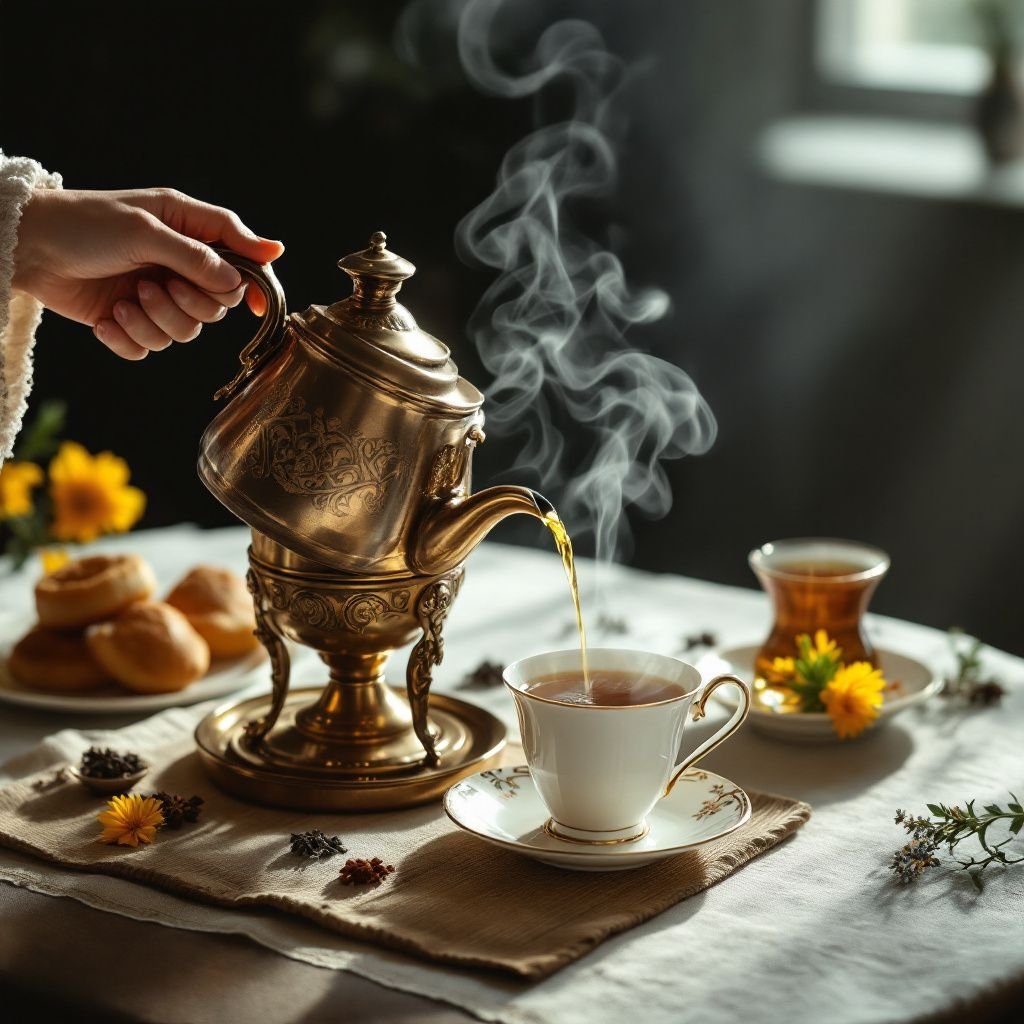
The Russian samovar tea ceremony is a fascinating tradition that offers a window into the rich tapestry of Russian culture. At its heart is the samovar, a unique metal container used to boil water, traditionally fueled by a small charcoal fire. This ceremony is as much about the social experience as it is about the tea itself. Expect to see the samovar taking the place of a centerpiece, with its gleaming, ornate structure exuding warmth and hospitality.
During a typical ceremony, guests gather around the samovar, engaging in lively conversation, sharing stories, and enjoying the rich aroma of the tea. The atmosphere is relaxed and convivial, reflecting centuries-old practices that emphasize community and friendship. Tea is prepared using zavarka, a strong tea concentrate that is diluted with boiling water from the samovar to achieve the desired strength.
Accompanying the tea are traditional Russian snacks such as pryaniki (honey spice cookies), blini (thin pancakes), and varenye (fruit preserves). These treats not only complement the tea but also enhance the overall sensory experience, making the ceremony a delightful journey through Russian culinary traditions.
Booking Information: How to Experience a Samovar Tea Ceremony
To experience a Russian samovar tea ceremony, you can book a session at one of Moscow’s renowned tea houses, which often host these traditional events. Advance booking is recommended, especially during peak tourist seasons. Many establishments offer package deals that include a guided tour of the premises, an introduction to the history of the samovar, and a detailed explanation of the tea-making process.
For a more personalized experience, consider joining a small group tour. These tours are often led by knowledgeable guides who are passionate about Russian tea traditions and can provide deeper insights into the cultural significance of the samovar. Alternatively, some cultural museums in Russia offer samovar tea ceremonies as part of their exhibits, providing a historical context to the experience.
When booking, inquire about what is included in the package. Typically, you can expect a full tea service with traditional Russian snacks, an overview of the samovar’s workings, and possibly even a small souvenir to take home. Prices can vary depending on the location and the extent of the service offered.
Costs and What is Included in a Samovar Tea Ceremony
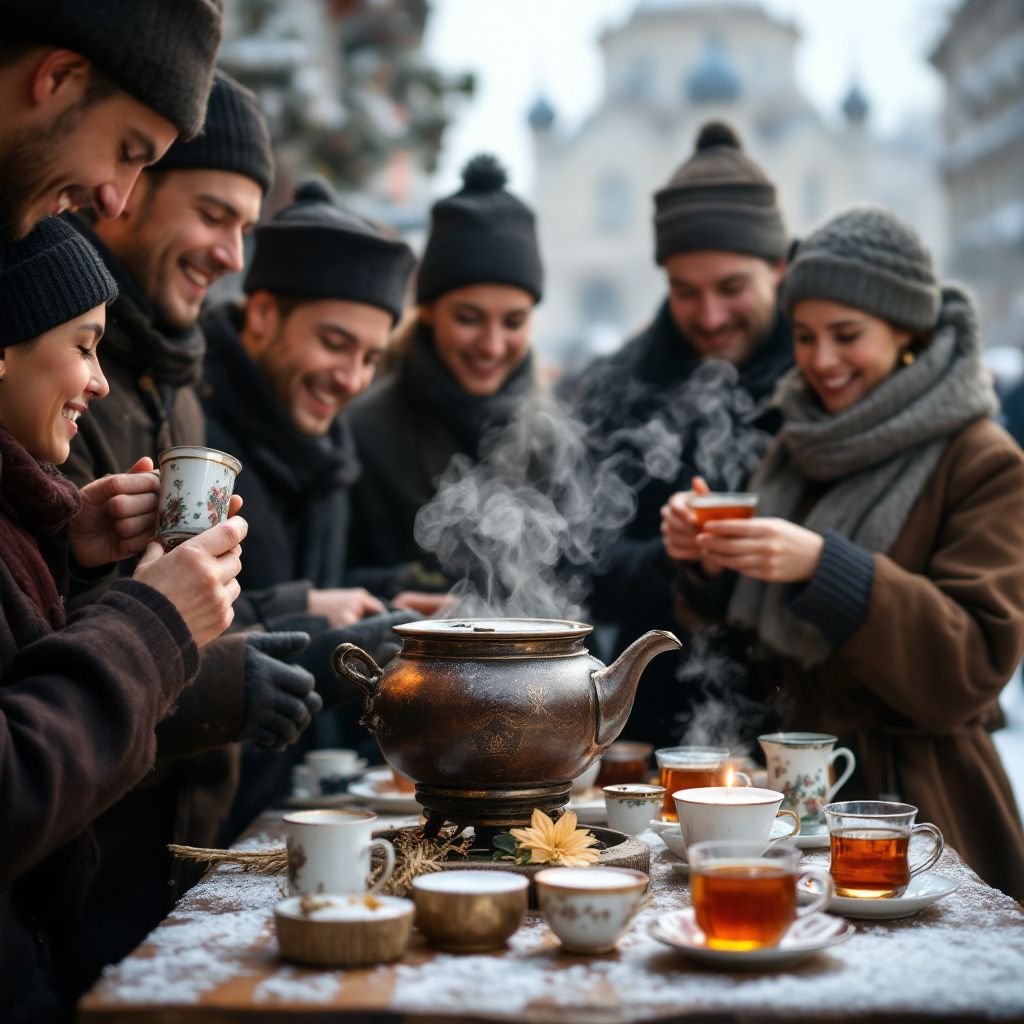
The cost of participating in a samovar tea ceremony can vary widely based on location and the level of service. On average, expect to pay between $20 and $50 per person for a session in a tea house, which usually includes the tea, snacks, and a guided explanation of the ceremony.
In some high-end establishments, the price might be higher, but this often includes a more elaborate selection of snacks, such as caviar or smoked salmon, and a more extensive array of teas. Alternatively, if you attend a ceremony at a cultural museum, the cost may be bundled with the entrance fee, which can be a more budget-friendly option.
Always check what is included in the price before booking. A standard package generally includes a serving of zavarka tea concentrate, access to the samovar for brewing, and a selection of traditional snacks. Some venues also offer additional extras like guided tours of the tea house or a brief history lesson on Russian tea culture.
Tips for First-Timers Attending a Samovar Tea Ceremony
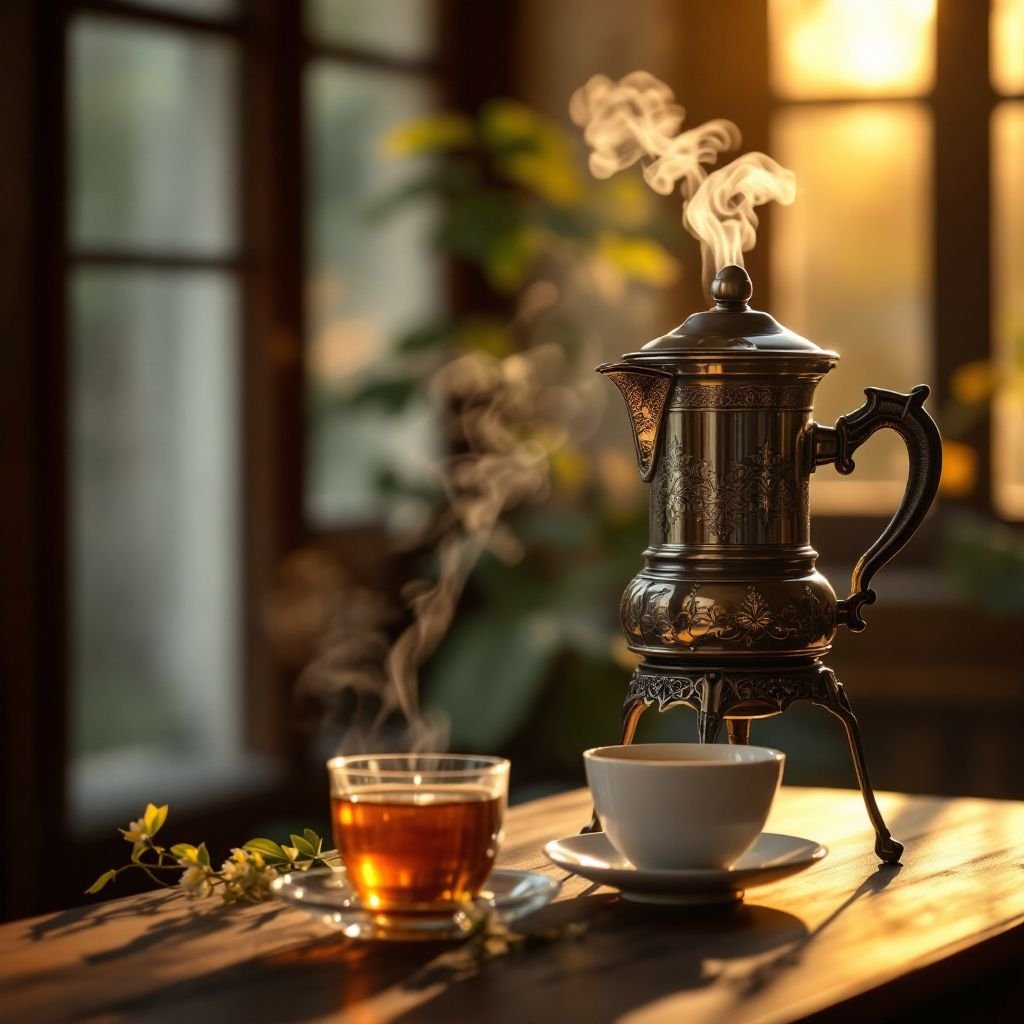
If it’s your first time attending a samovar tea ceremony, here are some tips to enhance your experience. First, be open to the communal nature of the event. Russian tea drinking is a social activity, so engage with your fellow guests and enjoy the shared experience.
Second, be prepared for a leisurely pace. The ceremony is not rushed; it’s a time to relax and savor both the tea and the company. Don’t hesitate to ask questions about the samovar or the tea itself—hosts are usually more than happy to share their knowledge.
Lastly, pay attention to the etiquette. When offered a cup of tea, it’s customary to accept the first cup even if you don’t plan to drink much, as this is considered polite. Also, avoid adding too much sugar or milk to your tea, as Russian tea is typically enjoyed with minimal additions to preserve its natural flavors.
Best Time to Go for a Russian Tea Ceremony
The best time to participate in a Russian tea ceremony is during the autumn and winter months. As the temperatures drop, the warmth and comfort of a steaming cup of tea from a samovar become particularly appealing. The cozy ambiance of a tea house, combined with the hearty flavors of Russian tea, creates a perfect setting for escaping the chill.
That said, these ceremonies are available year-round, and each season offers its own unique charm. In spring and summer, some tea houses might set up outdoor settings where guests can enjoy the ceremony in the fresh air, surrounded by the blossoming beauty of Russian gardens.
If you plan your visit during a Russian holiday, you may also experience special tea ceremonies that incorporate festive elements, providing an even richer cultural immersion.
Alternatives and Similar Experiences to the Russian Samovar Tea Ceremony
While the Russian samovar tea ceremony is a unique experience, there are several other tea traditions around the world that offer similar communal and cultural experiences. One such alternative is the Chinese Gongfu tea ceremony, which emphasizes the art of brewing and the appreciation of fine tea.
In Japan, the traditional tea ceremony, or Chanoyu, is a highly ritualized practice that focuses on the aesthetics of tea preparation. Similarly, in Morocco, the preparation and serving of mint tea is an integral part of social gatherings, known for its elaborate pouring technique and sweet flavor.
These ceremonies, like the Russian samovar experience, highlight the universal role tea plays in bringing people together, offering a glimpse into the traditions and values of different cultures.
Discover more tea cultures around the world: Chinese tea culture and ceremonies, exotic teas from around the world, and how to taste tea like a pro.
Frequently Asked Questions
What is a samovar?
A samovar is a traditional Russian tea kettle, often ornate, used to boil water and brew tea.
How is zavarka made?
Zavarka is a tea concentrate made by steeping a large amount of tea leaves in a small volume of water.
What should I expect at a Russian tea ceremony?
Expect a social gathering centered around a samovar, with tea, snacks, and lively conversation.
Are there any special etiquettes to follow?
Yes, it’s polite to accept the first cup of tea offered and to enjoy it with minimal additions.
Can I experience a samovar tea ceremony outside of Russia?
Yes, some Russian cultural centers and tea houses around the world offer samovar tea ceremonies.
