
Table of Contents
Quick Answer: Gongfu tea ceremony etiquette involves specific gestures, seating arrangements, and utensil handling that honor Chinese tea traditions. This guide explains the key symbols and practices for respectful participation.
Ready to explore tea origins? Start planning your trip with our free tea tour planning guide.
What to Expect in a Gongfu Tea Ceremony
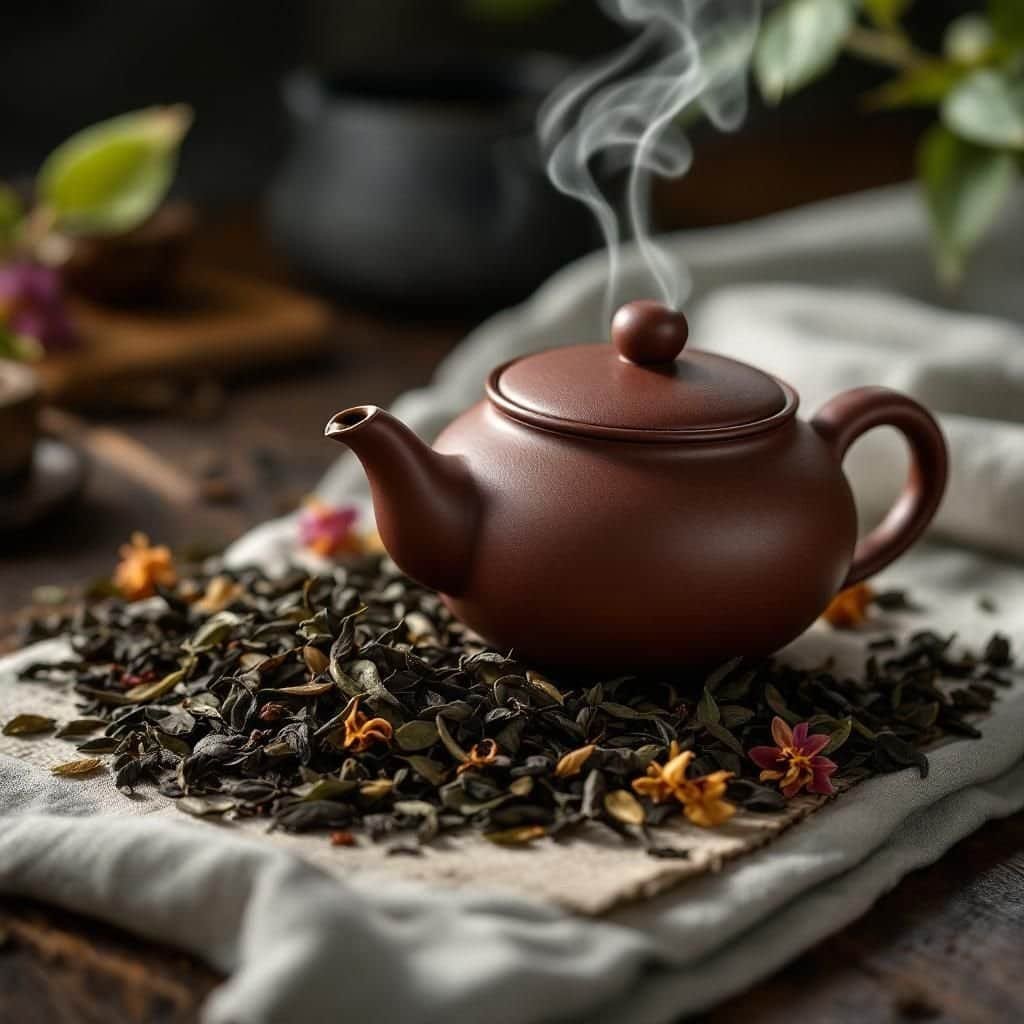
Participating in a Gongfu tea ceremony is an immersive experience that transcends the basics of brewing tea, offering a unique glimpse into Chinese culture and philosophy. The ceremony is traditionally performed with oolong tea, although pu-erh and other Chinese teas are also used. It emphasizes precision, aesthetics, and the art of patience. The term “Gongfu” itself translates to “skill” or “art,” highlighting the meticulous nature of the process.
Expect to witness the use of small teapots, often made from Yixing clay, which are renowned for their ability to retain heat and develop a seasoning unique to each tea variety. The tea is brewed in multiple short infusions, with each steep revealing a new layer of flavor. The host will often demonstrate a series of flowing, graceful movements, pouring hot water over the teapot and cups to warm them before introducing the tea leaves. Each step is carefully orchestrated to appreciate the tea’s aroma, appearance, and taste.
Booking Information
To partake in a Gongfu tea ceremony, it is best to book in advance, especially if you want a guided session with an experienced tea master. Many tea houses in China offer these experiences, particularly in regions known for tea production like Fujian and Guangdong. Online platforms such as Viator and Klook can be useful for scheduling a session ahead of time. Prices vary depending on the location and the level of personalization involved in the ceremony.
If you are planning to visit a specific tea house, it’s advisable to check their schedule and availability. Some establishments may offer group sessions, while others provide private ceremonies for a more intimate experience. It is also possible to arrange Gongfu tea ceremonies in cultural centers and during particular festivals celebrating tea culture.
Costs and What is Included
The cost of a Gongfu tea ceremony can range from $20 to $100 per person, depending on the venue and the intricacy of the experience. Typically, the price includes a selection of high-quality teas, the expertise of a tea master, and sometimes small snacks or sweets that complement the tea. In more bespoke settings, you might also receive a detailed overview of the tea’s history and its significance in Chinese culture.
Many tea houses include a short educational session about the different types of teas used in the ceremony, such as Tie Guan Yin or Da Hong Pao. You can also expect to learn about the significance of the tea set’s components, including the choice of Yixing teapot and the small, delicate cups that are integral to the ceremony.
Tips for First-Timers
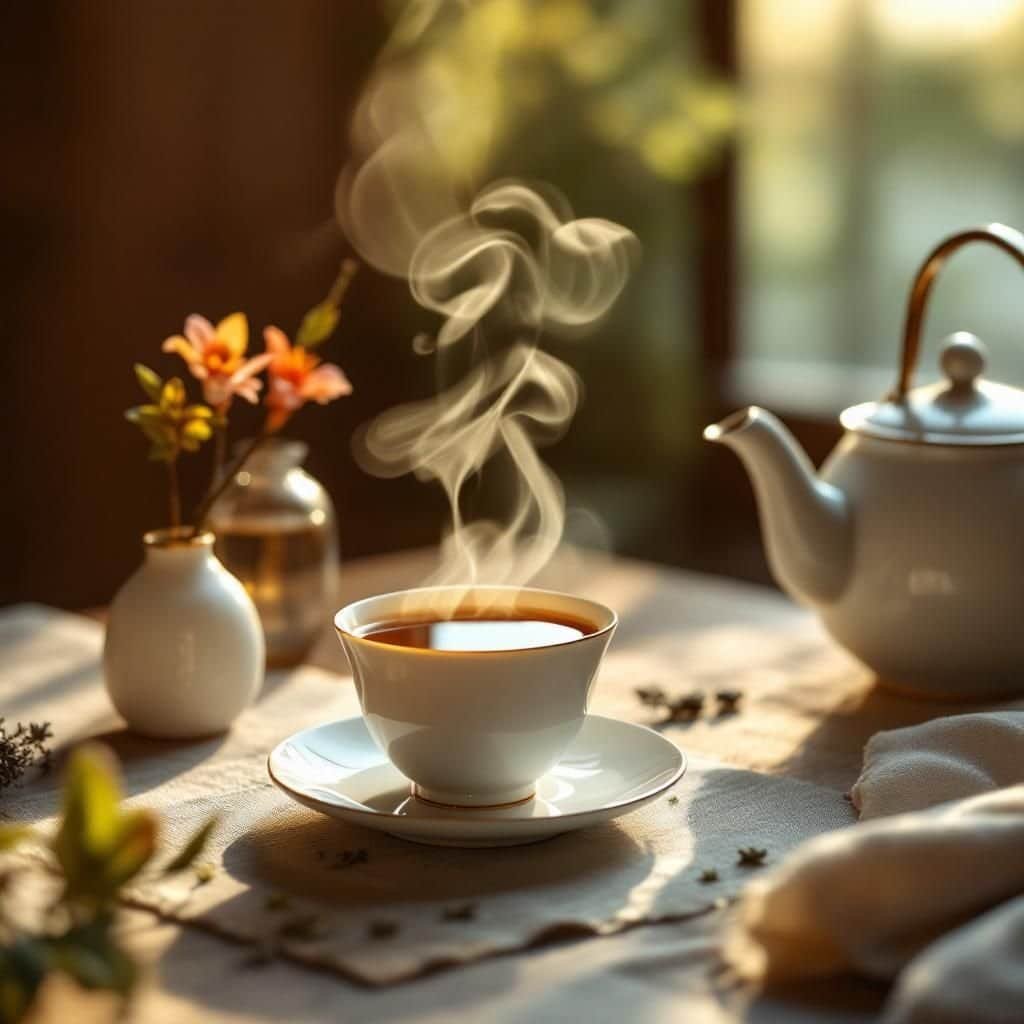
If it’s your first time attending a Gongfu tea ceremony, here are some tips to enhance your experience:
- Listen and Observe: Pay close attention to the tea master’s movements. Each gesture has meaning and contributes to the ceremony’s overall aesthetic and function.
- Ask Questions: Don’t hesitate to inquire about the tea’s origin, the choice of teaware, or the significance of specific gestures. Hosts are usually happy to share their knowledge.
- Relax and Enjoy: The ceremony is as much about enjoying the process as it is about tasting the tea. Allow yourself to be present and savor each moment.
- Respect the Culture: Follow the host’s lead regarding etiquette. For instance, when offered a cup of tea, it is customary to accept it with both hands as a sign of respect.
Best Time to Go
The Gongfu tea ceremony can be enjoyed year-round, but the best time to experience it may depend on your location in China. Spring and autumn are ideal seasons to visit tea-producing regions such as Fujian and Guangdong. During these times, the weather is mild, and you can witness tea picking and processing firsthand.
Spring, in particular, is celebrated for the fresh harvest of green teas, while autumn offers the rich flavors of oolong and black teas. Many tea festivals coincide with these seasons, offering additional cultural activities and insights into Chinese tea traditions.
Alternatives and Similar Experiences
If a traditional Gongfu tea ceremony doesn’t fit into your travel schedule, there are several alternatives and similar experiences available:
- Tea Tasting Sessions: Many tea houses offer shorter, less formal tea tastings, where you can sample a variety of teas and learn about their properties.
- Tea Workshops: These sessions often include a hands-on experience where you can practice the art of tea making under the guidance of a tea expert.
- Tea Festivals: Attending a tea festival provides a broader cultural context and usually features multiple tea ceremonies, tastings, and market stalls.
- Visit Tea Plantations: A visit to a tea plantation can offer insight into the agricultural aspects of tea production and often includes a tour of the facilities and a tasting session.
What is the purpose of a Gongfu tea ceremony?
The Gongfu tea ceremony is designed to elevate the appreciation of tea, focusing on the sensory experience and the aesthetic presentation. It emphasizes the art of brewing tea with skill and precision.
Why is Yixing teapot care important?
Yixing teapots are valued for their ability to enhance the flavor of tea over time. Proper care, including frequent use and gentle cleaning, helps develop a patina that contributes to the pot’s unique seasoning.
How can I learn to perform a Gongfu tea ceremony at home?
To perform a Gongfu tea ceremony at home, start by acquiring a basic tea set, including a Yixing teapot and small cups. Follow online tutorials or attend workshops to learn the specific steps and gestures involved.
What are common tea table manners in China?
Common tea table manners include showing respect by using both hands to receive a cup, gently tapping the table with fingers as a sign of gratitude, and appreciating the tea’s aroma before tasting.
How does the Gongfu tea ceremony differ from Japanese tea ceremonies?
The Gongfu tea ceremony emphasizes brewing skill and sensory enjoyment, often using oolong or pu-erh teas. In contrast, the Japanese tea ceremony is more ritualistic and meditative, often focusing on matcha green tea.


Frequently Asked Questions
What is the proper way to hold a gongfu tea cup?
Use your thumb and index finger to grip the cup by the rim, while your middle finger supports the bottom. This three-finger grip (the ‘three dragon’ hold) allows precise control and is considered respectful.
Should I bow before drinking gongfu tea?
A slight nod or hand gesture (placing fingertips together in a lotus position) is appreciated but not strictly required. The host may offer a cup with both hands, which you should receive with both hands as a sign of gratitude.
What do the finger tapping gestures mean in gongfu tea?
The guest taps two or three fingers on the table to thank the host for pouring. This tradition originated from a Qing dynasty emperor who used this gesture to discreetly acknowledge his servant’s service.
How do I handle the tea pet on the tea table?
Tea pets are decorative clay figurines that receive tea poured over them during brewing. Never touch or move another person’s tea pet unless invited, as it is considered part of their personal tea set.
What is the significance of the tea towel placement?
The tea towel is placed to the right of the tea tray and is used to wipe excess tea from cups and utensils. Keeping it neatly folded shows respect for the tea ceremony space and the host’s preparation.
Is there a specific order for drinking from the tea cups?
Yes, the host typically serves the first infusion to the most senior or honored guest first. If you are the guest, wait for the host to indicate you may drink before picking up your cup.
What does the tea boat or tea tray symbolize?
The tea tray (chapan) represents the earth that supports the tea ceremony. Water overflowing onto it during rinsing is not waste but rather a blessing, symbolizing abundance and the flow of good fortune.