

Quick Facts Box
Quick Answer: The Cederberg Rooibos Route in South Africa’s Western Cape is the world’s only region where rooibos grows wild. Visitors can tour organic farms, taste fresh rooibos at source, hike through fynbos landscapes, and stay on working tea estates between September and April.
- Country: South Africa
- Region: Cederberg, Western Cape
- Best Time to Visit: September to April
- Currency: South African Rand (ZAR)
- Language: Afrikaans, English
- Visa Requirements: Visa-free for many nationalities for stays up to 90 days
Introduction with Destination Overview

South Africa’s Cederberg region is not only renowned for its rugged landscapes and ancient rock art but is also the heartland of rooibos tea production. The Cederberg Rooibos Route offers travelers an immersive experience into the world of rooibos, a plant indigenous to South Africa, known for its sweet, aromatic flavor and numerous health benefits. This guide explores the enchanting journey through rooibos farms, tasting rooms, and the rich cultural heritage that surrounds this unique tea. It’s a must-visit for tea enthusiasts and those keen on exploring South Africa’s diverse natural beauty. For more, see our Cederberg tea tourism guide.
Best Tea Regions
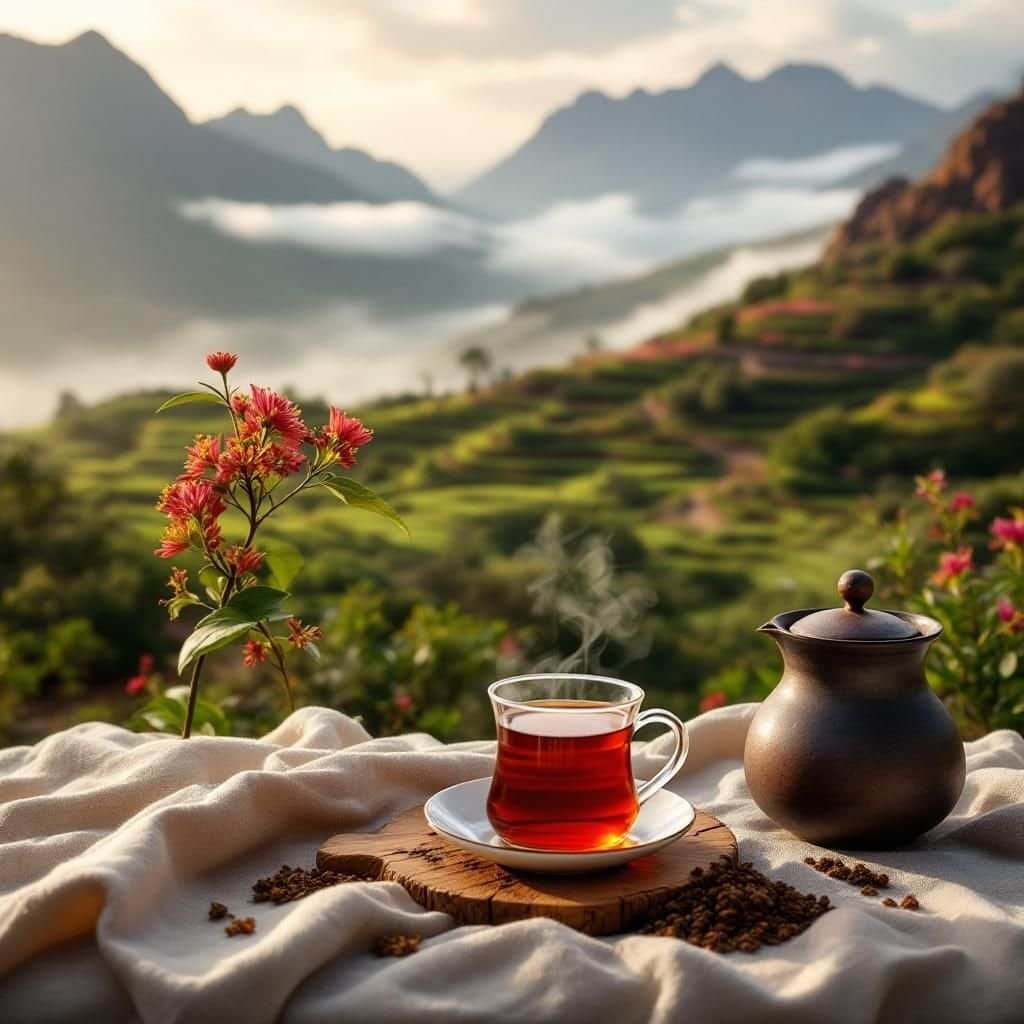
The Cederberg Mountains are the epicenter of rooibos cultivation. Within this region, several key estates offer insights into the tea’s production. The Skimmelberg Estate, for instance, provides guided tours that reveal the meticulous process from plant to tea cup. Another notable stop is the Rooibos Limited Farm, where visitors can learn about sustainable farming practices that preserve the region’s unique biodiversity. Located near Clanwilliam, these farms are surrounded by breathtaking landscapes, making them ideal for both learning and leisure. For more, see our rooibos farm tours in the Cederberg.
Types of Tea Produced
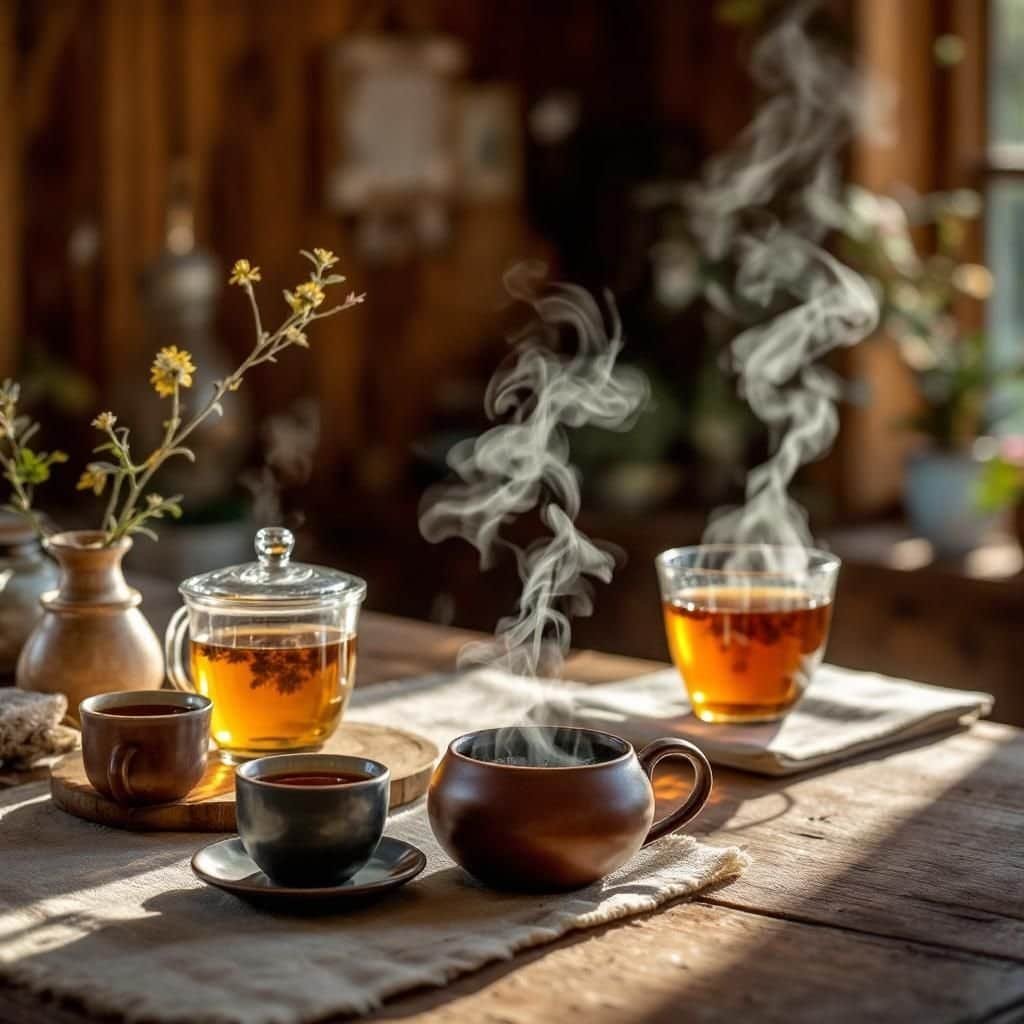
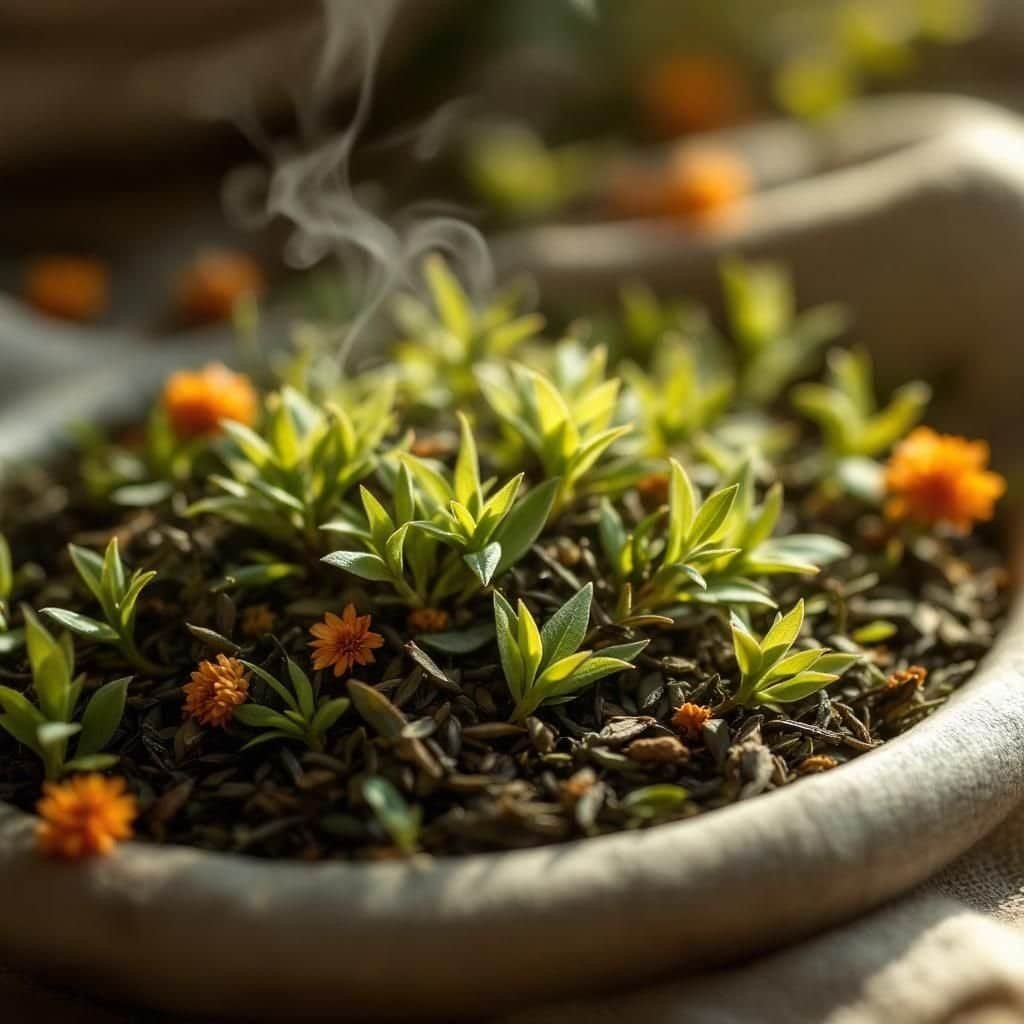
Rooibos tea is celebrated for its versatility and comes in several varieties. Traditional rooibos is known for its rich, red hue and sweet, earthy flavor. Green rooibos, an unfermented version, offers a lighter, more grassy taste with higher antioxidant levels. Tasting notes often include hints of honey, vanilla, and a smooth, nutty finish. Many producers in the Cederberg area also experiment with flavored rooibos, infusing natural ingredients like citrus, mint, and ginger, which enhance its natural profile. For more, see our best tea estate stays.
Tea Tourism Experiences
The Cederberg Rooibos Route offers an array of engaging experiences for tea enthusiasts. At the Rooibos Tea House in Clanwilliam, visitors can sample a wide variety of rooibos blends while enjoying a traditional South African tea ceremony. The house also offers workshops on brewing techniques and the history of rooibos. Additionally, the Bushman’s Kloof Wilderness Reserve & Wellness Retreat provides a luxurious experience where guests can indulge in rooibos-infused spa treatments and gourmet meals featuring rooibos as a key ingredient.
Best Time to Visit
The optimal time to explore the Cederberg Rooibos Route is between September and April, during South Africa’s spring and summer months. This period offers the best weather for outdoor activities, with warm temperatures and minimal rainfall. The spring months, in particular, bring the added spectacle of wildflower blooms, enhancing the natural beauty of the region. Visitors during this time can also participate in the annual Rooibos & Buchu Day, a celebration of local herbs and cultural heritage.
How to Get There
Most visitors begin their journey to the Cederberg Rooibos Route from Cape Town, located about 250 kilometers away. The most convenient way to reach the region is by car, offering the flexibility to explore at your own pace. Alternatively, you can take a bus or train to Clanwilliam, the gateway town to the rooibos route. Once there, local transport options such as taxis or guided tours can help you navigate the various attractions and estates.
Where to Stay
The Cederberg region offers a range of accommodation options to suit different budgets. For an immersive experience, consider staying at a tea estate like the Hebron Guesthouse, which offers charming rustic accommodations amidst the rooibos fields. For a more luxurious stay, the Bushman’s Kloof Wilderness Reserve provides a world-class retreat with spa services and gourmet dining. Budget travelers can find cozy guesthouses in Clanwilliam, offering easy access to the rooibos route.
Costs and Budgeting
Traveling the Cederberg Rooibos Route can be tailored to fit a variety of budgets. On average, daily expenses can range from ZAR 500 for budget travelers to ZAR 2000 for those seeking a more luxurious experience. Costs typically include accommodation, meals, and entry fees for tours and attractions. Many farms offer free tastings, while workshops and special events may incur additional charges. It’s advisable to budget a little extra for purchasing rooibos products directly from farms.
Sample Itineraries
3-Day Itinerary: Begin with a visit to the Rooibos Tea House in Clanwilliam, followed by a tour of the Skimmelberg Estate. Spend the evening at a local guesthouse. On day two, explore the Bushman’s Kloof Wilderness Reserve and enjoy a spa treatment. Conclude with a scenic drive through the Cederberg Mountains.
5-Day Itinerary: Start with the 3-day itinerary, then add visits to the Rooibos Limited Farm and a hike in the Cederberg Wilderness Area. Spend a day exploring local rock art sites and finish with a sunset dinner at a mountain lodge.
7-Day Itinerary: Extend the 5-day itinerary by including a day trip to the nearby West Coast National Park, known for its stunning coastal views and wildlife. Return to the Cederberg for a final day of relaxation and exploration of any remaining tea farms or local attractions.
History of Rooibos in the Cederberg

Rooibos (Aspalathus linearis) has been part of the Cederberg landscape for millennia. The indigenous Khoisan people — particularly the San — were the first to harvest and brew the needle-like leaves, using them for medicinal and ceremonial purposes long before European settlers arrived. In the 18th century, Swedish botanist Carl Thunberg documented the plant, but it wasn’t until the early 20th century that Russian immigrant Benjamin Ginsberg commercialized rooibos cultivation, blending traditional knowledge with modern farming techniques. Today, the Cederberg remains the only place on Earth where rooibos grows commercially, protected by South Africa’s Geographical Indication status.
Walking the rooibos route, you’ll find traces of this layered history everywhere — from San rock art depicting plant gathering to family-run farms that have passed cultivation secrets through four generations. The Rooibos Heritage Centre in Clanwilliam offers the most comprehensive look at this journey, with exhibits on indigenous knowledge, early trade routes, and the modern organic certification movement that now defines the industry.
Health Benefits of Rooibos
Rooibos is more than a flavorful cup — it is one of the most antioxidant-rich beverages in the world. Unlike traditional Camellia sinensis teas, rooibos is naturally caffeine-free and low in tannins, making it gentle on the stomach and suitable for all ages. Key health benefits include:
- Rich in antioxidants: Rooibos contains aspalathin and nothofagin, rare antioxidants that help combat oxidative stress and inflammation.
- Supports heart health: Studies suggest rooibos may help lower blood pressure and improve cholesterol levels.
- Promotes better sleep: Because it is caffeine-free, rooibos is an ideal evening beverage that supports relaxation without disrupting sleep cycles.
- Skin-friendly: The anti-inflammatory properties make rooibos popular in skincare — many Cederberg spas offer rooibos-infused treatments.
- Diabetic-friendly: Aspalathin has shown potential in balancing blood sugar levels, making rooibos a smart choice for those monitoring glucose.
Many farms along the route offer wellness-focused experiences where visitors can learn about these benefits firsthand — from tasting green rooibos (higher in antioxidants) to enjoying rooibos body scrubs at local spas.
Practical Tips for 2026
Planning your Cederberg Rooibos Route trip in 2026? Here is what you need to know:
- Currency & Payments: South African Rand (ZAR). Most farms accept cash and card, but carry cash for small roadside vendors. As of June 2026, 1 USD ≈ 18 ZAR.
- Getting Around: A rental car is essential — there is no public transport between farms. Cape Town to Clanwilliam is 250 km (3 hours) via the N7. A 4×4 is recommended for farm tracks after rain.
- Booking Farm Tours: Reserve guided tours at least 2 weeks ahead via the Cederberg Rooibos Farm Tours page or contact farms directly. Harvest season (January–March) fills fastest.
- Weather & Packing: Summer days reach 35°C (95°F) but nights drop to 10°C (50°F). Pack layers, sun protection, and sturdy hiking boots. Winter (June–August) brings rain and occasional snow on high peaks.
- Visa Requirements: Many nationalities (including USA, UK, EU, Australia) receive 90-day visa-free entry. Check current requirements before travel as policies may shift.
- Health & Safety: The Cederberg is malaria-free. Bring insect repellent for ticks in fynbos areas. Cell signal is patchy — download offline maps before arrival.
- Sustainable Travel: Choose organic-certified farms (look for the Rooibos GI mark). Bring a reusable water bottle — tap water is safe to drink.
Related Guides
- South Africa Tea Travel Guide
- Clanwilliam Rooibos Tour
- Rooibos Tea Heritage
- West Coast South Africa Travel
- Cederberg Mountain Hiking
Frequently Asked Questions
What makes rooibos unique to South Africa?
Rooibos is indigenous to the Cederberg region of South Africa and is not grown commercially anywhere else in the world.
Can I visit the Cederberg Rooibos Route year-round?
Yes, but the best time is between September and April when the weather is most favorable.
Are there guided tours available?
Yes, several farms and local operators offer guided tours that include tastings and educational experiences.
Is rooibos tea caffeine-free?
Yes, rooibos naturally contains no caffeine, making it a popular choice for those seeking a relaxing beverage.
How can I purchase rooibos tea?
You can buy rooibos directly from farms on the route or at local shops in Clanwilliam and surrounding areas.
What is the best Cederberg rooibos route itinerary for first-time visitors?
First-time visitors should follow a 3-day itinerary centered on Clanwilliam: Day 1 at the Rooibos Tea House and Heritage Centre, Day 2 at Skimmelberg Estate with a wellness treatment, and Day 3 hiking in the Cederberg Wilderness Area before departure. This covers tastings, education, and scenic exploration without rushing.
Where should I stay when visiting the Cederberg tea region?
For an authentic experience, stay at Hebron Guesthouse on a working rooibos farm (mid-range, ZAR 850/night). Luxury travelers prefer Bushman’s Kloof Wilderness Reserve with spa and gourmet dining (ZAR 4,500/night). Budget options include Cederberg Oasis Backpackers (ZAR 280/night) and Clanwilliam Hotel (ZAR 650/night). Book 4–6 weeks ahead for January–March harvest season.

Plan Your Cederberg Rooibos Adventure
Ready to walk the only rooibos route in the world? Start with our South Africa Tea Travel Guide for visa tips, packing lists, and transport logistics. Then browse our Cederberg Rooibos Farm Tours guide for detailed farm-by-farm recommendations. Subscribe to the Steeped Travels newsletter for seasonal harvest alerts and exclusive tea travel deals.
