
Quick Answer: Tisanes (herbal teas) are caffeine-free infusions made from herbs, flowers, fruits, and spices — not from the Camellia sinensis tea plant. Popular varieties include chamomile, peppermint, hibiscus, and rooibos. Each offers unique health benefits and flavors, making them ideal for tea travelers seeking caffeine-free alternatives.
What Is Tisane? Understanding Herbal Tea
Tisanes, often referred to as herbal teas, are infusions made from leaves, flowers, seeds, or roots of various plants other than the Camellia sinensis plant, which is the source of traditional teas such as black, green, or oolong. Unlike these ‘true teas’, tisanes do not contain caffeine, making them a popular choice for those seeking a relaxing beverage at any time of the day. For those who prefer some caffeine with their wellness routine, green tea with ginger offers a powerful health combination. The term ’tisane’ is derived from the Greek word ‘ptisane’, which originally referred to a drink made from pearl barley. Today, it encompasses a wide variety of beverages derived from the natural world, celebrated for their diverse flavors and health benefits.
Herbal tisanes can be made from a single plant or a blend of different botanicals and are appreciated not only for their flavors but also for their potential health benefits. Popular examples include chamomile, known for its calming properties; peppermint, which aids digestion (similar to fennel tea, another popular digestive herbal infusion); and hibiscus, celebrated for its rich vitamin C content. Each type of herbal tisane comes with its own unique set of benefits and uses, providing a natural remedy for various ailments or simply offering a flavorful alternative to traditional tea.
Tisane vs True Tea: The Difference
The primary difference between tisanes and true teas lies in their source. True teas are derived from the leaves of the Camellia sinensis plant, whereas tisanes come from a variety of different plants. This distinction also leads to differences in caffeine content, flavor profiles, and preparation methods. Tisanes, being caffeine-free, are ideal for those who are sensitive to caffeine or prefer not to consume it, especially in the evenings.
True teas undergo specific processing methods such as oxidation and fermentation, which contribute to their unique flavors and caffeine levels. In contrast, tisanes are typically dried and steeped, allowing the natural flavors of the botanicals to shine through. The absence of caffeine in tisanes means they often have a milder flavor compared to the robust and sometimes astringent how to taste tea like a pro of true teas. Furthermore, the absence of tannins, which are present in true teas, makes tisanes less likely to become bitter if steeped for extended periods.
Types of Herbal Tisanes
The world of tisanes is incredibly diverse, with options to suit every taste and preference. Unlike true teas, which all derive from the Camellia sinensis plant, tisanes draw from hundreds of botanical species across every continent. Here are the most popular categories and specific varieties:
Floral Tisanes
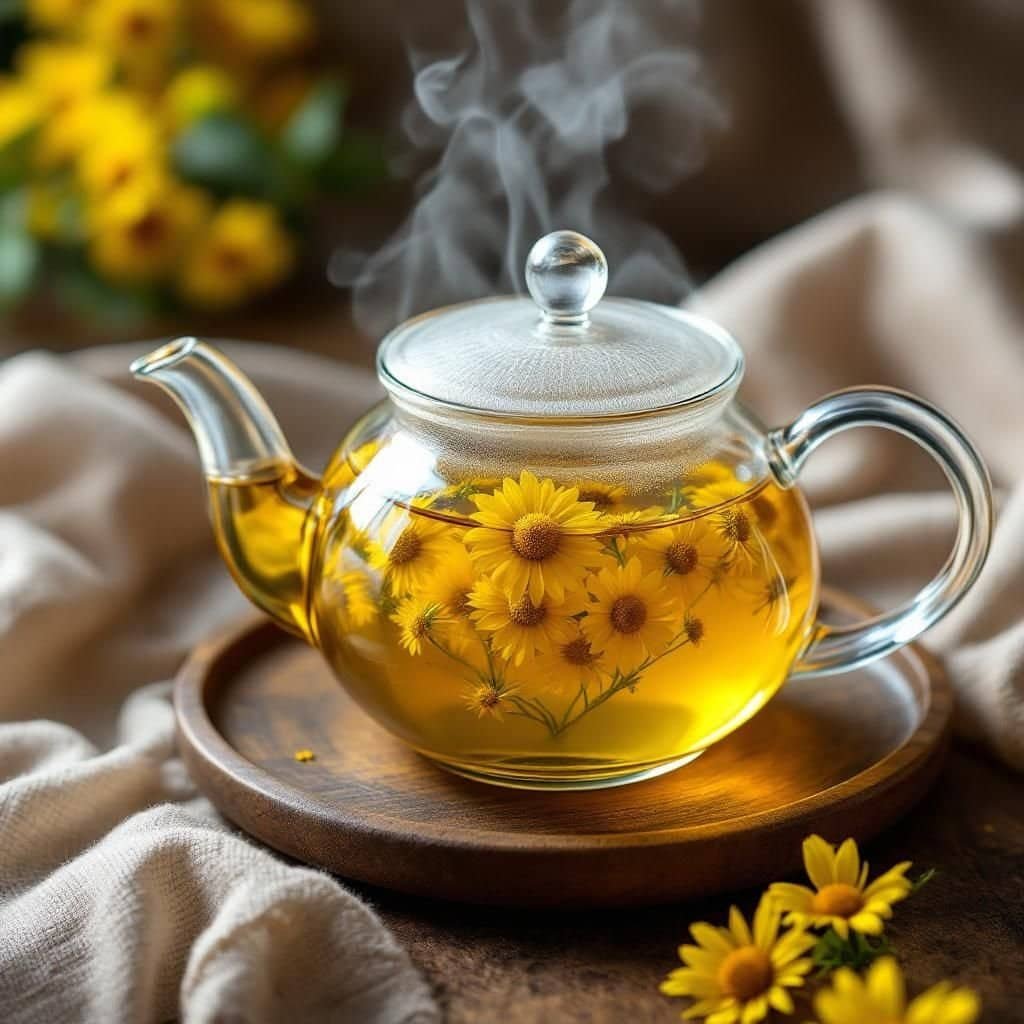
Chamomile: Made from dried chamomile flowers, this golden infusion is prized for its gentle apple-like sweetness and powerful calming effects. German chamomile (Matricaria recutita) is the most common variety used for tea.
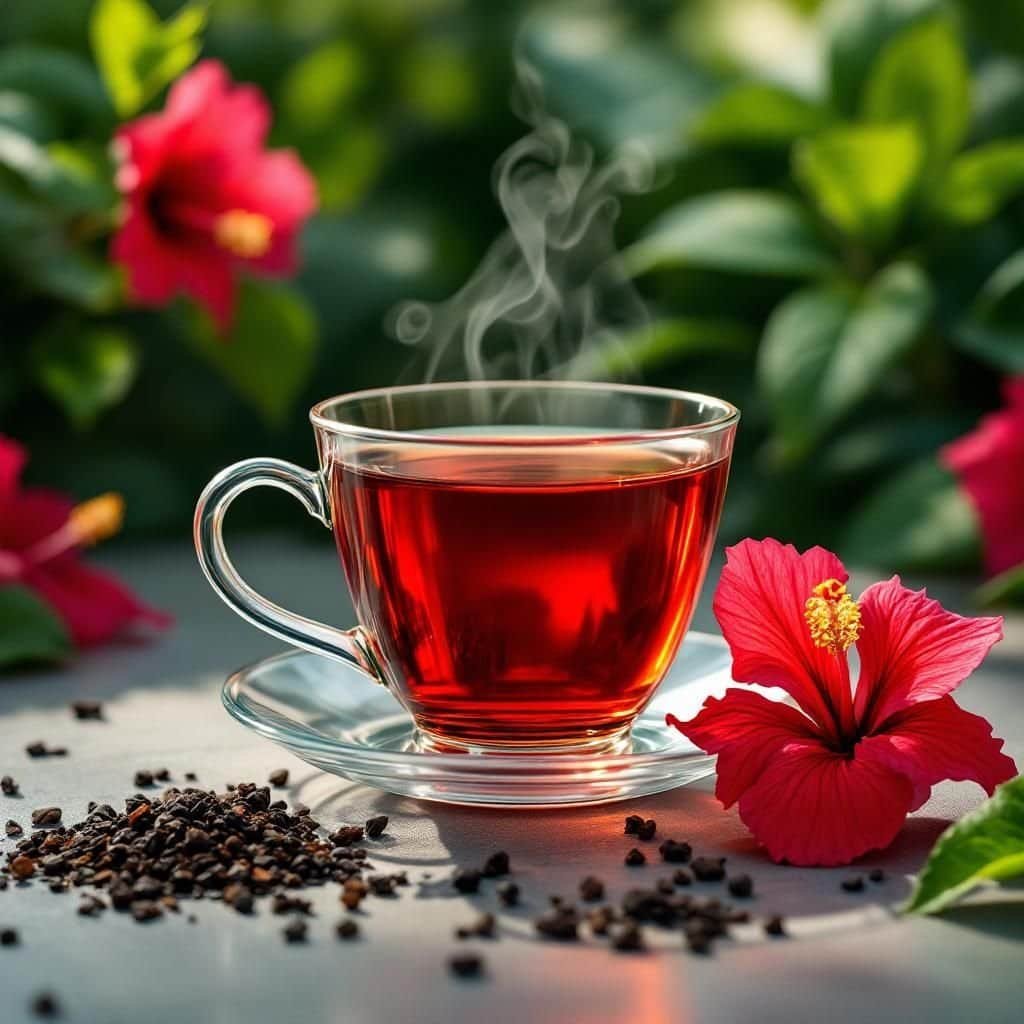
Hibiscus: Vibrant crimson in color with a tart, cranberry-like flavor. Hibiscus sabdariffa is rich in vitamin C and anthocyanins. It is the national drink of Sudan (karkade) and beloved across North Africa and the Caribbean.
Lavender: Provence, France, produces some of the world’s finest culinary lavender. The dried buds create a fragrant, slightly sweet infusion known for promoting relaxation and improving sleep quality.
Leaf and Herb Tisanes
Peppermint: A cross between watermint and spearmint, peppermint (Mentha × piperita) delivers a bold, cooling sensation. It is one of the most widely consumed herbal teas globally, especially after meals for digestive support.
Lemongrass: Popular in Southeast Asian cuisine and traditional medicine, lemongrass tea has a bright, citrusy flavor with subtle ginger notes. It is caffeine-free and rich in citral, an compound with antimicrobial properties.
Rooibos: Indigenous to South Africa’s Cederberg Mountains, rooibos (Aspalathus linearis) offers a naturally sweet, nutty flavor with zero caffeine and high antioxidant content. Green rooibos is unfermented and has a lighter, grassier taste.
Root and Spice Tisanes
Ginger: Fresh or dried ginger root creates a warming, spicy infusion that has been used for thousands of years in Ayurvedic and Traditional Chinese Medicine. It is particularly valued for soothing nausea and supporting digestion.
Turmeric: The bright orange rhizome of Curcuma longa is the base of golden milk, a traditional Ayurvedic drink. Turmeric tea is celebrated for its anti-inflammatory curcumin content, often combined with black pepper to enhance absorption.
Popular Tisane Blends
Many tea companies create signature blends combining multiple botanicals. Classic combinations include:
- Sleepytime blends: Chamomile + valerian + lemon balm + passionflower
- Digestive blends: Peppermint + fennel + ginger + licorice root
- Immunity blends: Elderberry + echinacea + hibiscus + rose hips
- Detox blends: Dandelion root + burdock + milk thistle + nettle
- Chamomile: Known for its calming effects, chamomile tisane is often consumed before bedtime to promote relaxation and improve sleep quality.
- Peppermint: This refreshing tisane is renowned for its digestive benefits, making it an excellent choice after meals.
- rooibos tea side effects: Often referred to as red tea, rooibos is a South African herb that offers a rich, full-bodied flavor and is rich in antioxidants.
- Hibiscus: This tart and tangy tisane is beloved for its vibrant red color and high vitamin C content, supporting immune health.
- Ginger: Known for its warming properties, ginger tisane is often used to soothe nausea and support digestion.
Each of these tisanes brings its own unique flavor and set of benefits, allowing enthusiasts to explore a world of natural remedies and culinary delights.
Tisane Tea Benefits
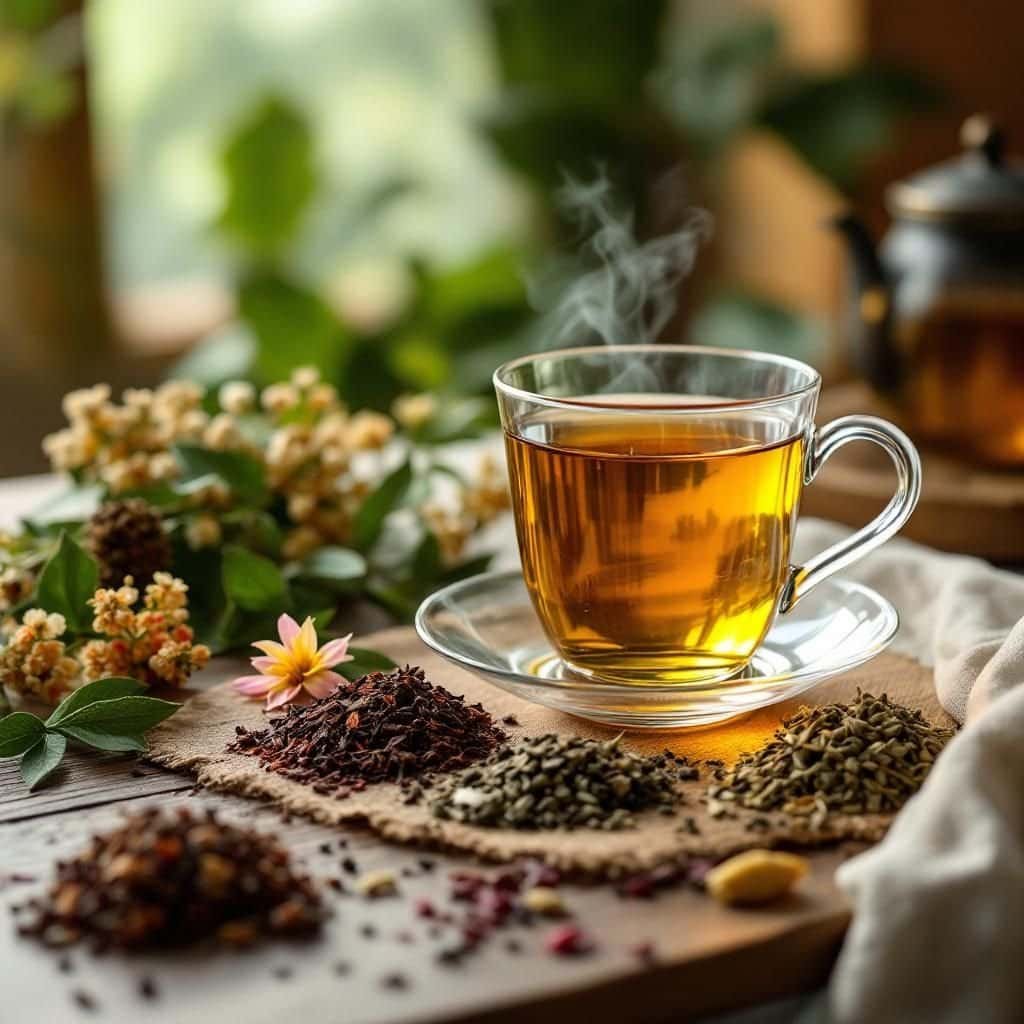
One of the main attractions of tisanes is their range of health benefits, which vary depending on the ingredients used. Chamomile, for example, is often used to reduce anxiety and promote sleep, while peppermint is known for its ability to soothe an upset stomach and alleviate indigestion. Hibiscus tisane may help lower blood pressure and improve liver health, thanks to its antioxidant properties.
Rooibos is particularly rich in antioxidants, which can help protect the body from oxidative stress and reduce inflammation. Meanwhile, ginger is celebrated for its anti-inflammatory effects and ability to ease nausea. These benefits make tisanes an attractive option for those seeking natural health remedies, as well as those interested in exploring diverse and flavorful beverages.
How to Brew the Perfect Tisane
Brewing the perfect tisane is a simple process that allows the natural flavors of the botanicals to shine. Here’s a basic guide to help you prepare a delicious cup of herbal tisane:
- Choose Your Ingredients: Select fresh or dried herbs, flowers, seeds, or roots based on your flavor preference or desired health benefits.
- Measure and Prepare: Use approximately one teaspoon of dried herbs or one tablespoon of fresh herbs per cup of water.
- Boil Water: Bring fresh, filtered water to a boil. The ideal water temperature for most tisanes is between 200°F to 212°F (93°C to 100°C).
- Steep: Pour the hot water over your chosen botanicals and let steep for 5 to 10 minutes, depending on the strength you prefer. Cover your cup to trap steam and preserve the essential oils.
- Strain and Serve: Strain the liquid to remove the botanicals, then serve your tisane hot or over ice, as desired.
Feel free to experiment with different steeping times and combinations of botanicals to find the blend that suits your taste.
Exploring Tisane Tea Destinations
For tea enthusiasts and travelers alike, exploring the origins and production of tisanes can be a delightful journey. While tisanes are crafted worldwide, certain regions are renowned for their unique offerings. South Africa, for instance, is famous for its rooibos plantations, while Egypt is known for its high-quality chamomile fields. Visiting these regions can provide an immersive experience, allowing travelers to witness the cultivation and preparation of these beloved herbal teas firsthand.
In addition to visiting plantations, many regions offer tea houses and festivals dedicated to celebrating their local tisanes. These events provide an opportunity to taste a variety of blends, learn about the health benefits of different herbs, and explore the cultural significance of tisanes in different societies. Whether you’re interested in the health benefits or simply enjoy a soothing cup of herbal tea, exploring tisane destinations can offer a fulfilling travel experience.
Related Guides
- The Ultimate Guide to Green Tea
- Exploring Black Tea Varieties
- Oolong Tea: A Journey Through Flavor
- Mastering Matcha: A Comprehensive Guide
- Tea and Wellness: Discovering the Health Benefits
Frequently Asked Questions
What is the difference between tisane and tea?
Tisanes are herbal infusions without caffeine, made from various plants, unlike true teas which come from the Camellia sinensis plant.
Are tisanes caffeine-free?
Yes, most tisanes are naturally caffeine-free, making them a great choice for those avoiding caffeine.
What are the health benefits of tisane tea?
Tisanes can offer various health benefits such as aiding digestion, reducing anxiety, and providing antioxidants depending on the ingredients.
How do you brew tisane tea?
To brew tisane tea, steep your chosen herbs in boiling water for 5-10 minutes and strain before serving.
Can I mix different herbs in a tisane?
Yes, mixing different herbs can create unique flavor profiles and enhance the health benefits of your tisane.
What are the most popular tisane flavors for beginners?
Beginners often enjoy chamomile for its mild, calming flavor, peppermint for its refreshing taste, and rooibos for its naturally sweet, nutty profile. Hibiscus offers a tart, cranberry-like experience, while ginger provides a warming, spicy kick.
Can children drink tisane tea?
Most caffeine-free tisanes are safe for children, but avoid herbs with strong medicinal properties like valerian or senna. Chamomile, peppermint, and mild fruit blends are generally considered safe for children over 2 years old. Always consult a pediatrician before introducing herbal teas to young children.
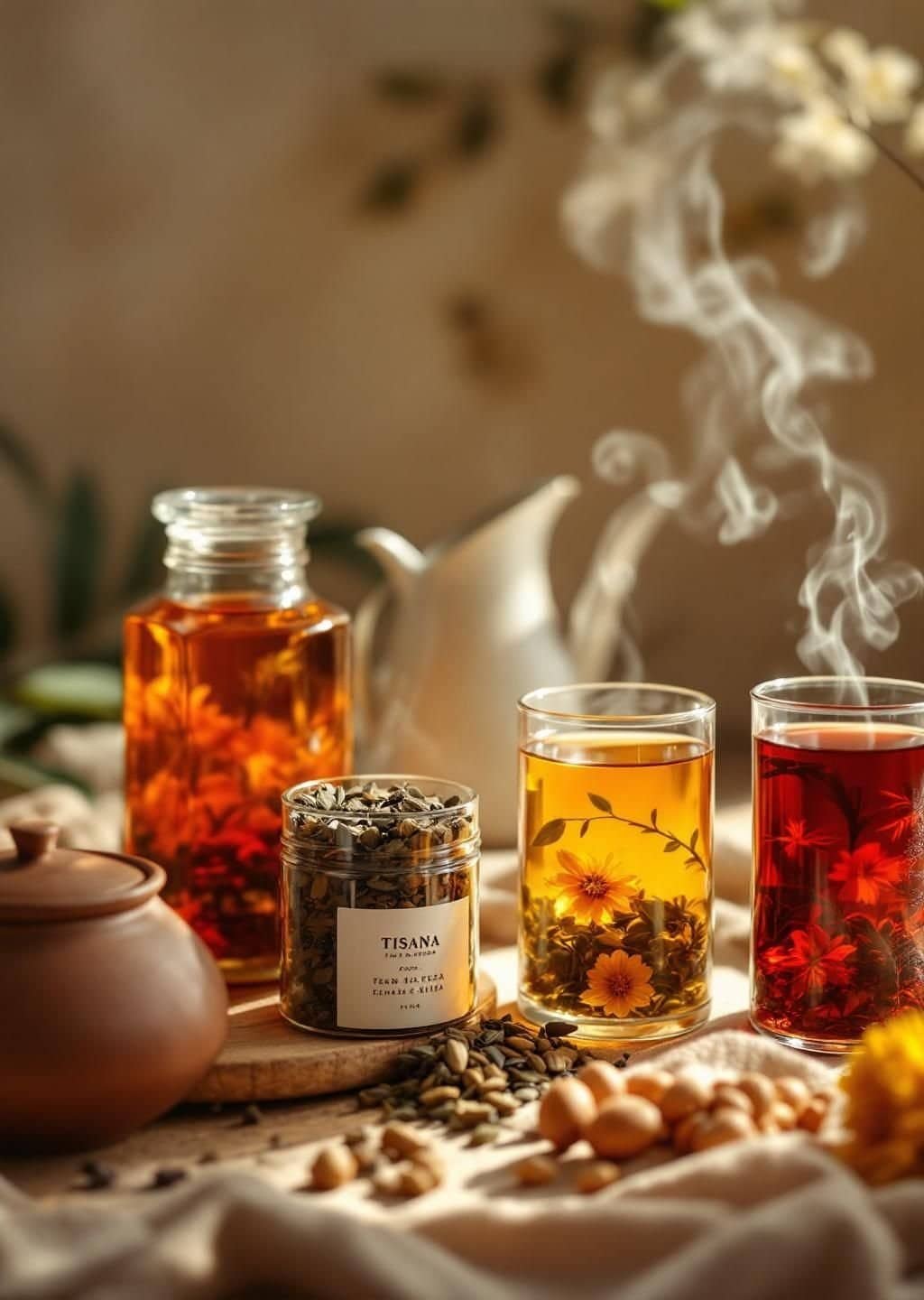
Tisane Tea Tourism: Where to Experience Herbal Teas Around the World
For tea travelers, tisanes offer a fascinating window into local botanical traditions. Unlike Camellia sinensis teas grown in specific highland regions, herbal teas are cultivated across diverse climates and cultures worldwide, making them a uniquely accessible form of tea tourism.
Chamomile: Egypt’s Nile Delta
Egypt’s Nile Delta produces some of the world’s finest chamomile, with the town of Kafr El-Sheikh at the heart of production. Visitors can tour chamomile fields during the April-May harvest season, when the air is thick with the apple-like fragrance of freshly picked flowers. Local cooperatives often welcome visitors for guided tours and traditional tea ceremonies.
Hibiscus: Mexico’s Oaxaca Region
Known locally as jamaica, hibiscus tea is deeply embedded in Mexican culture. Oaxaca’s markets overflow with dried hibiscus flowers, and the region’s agro-tourism scene includes visits to hibiscus farms where travelers can learn about traditional drying and brewing methods. The tart, cranberry-like flavor of fresh hibiscus agua fresca is an unmissable experience.
Peppermint: Morocco’s Mint Tea Culture
While Morocco’s famous mint tea (atay) blends gunpowder green tea with fresh spearmint, the country’s relationship with herbal infusions runs deep. The Meknes region grows much of Morocco’s mint, and tea ceremonies — poured from height to create a frothy top — are a cornerstone of Moroccan hospitality. Visiting a traditional riad and participating in a mint tea ceremony is an essential cultural experience.
Rooibos: South Africa’s Cederberg Mountains
Rooibos (Aspalathus linearis) grows exclusively in South Africa’s Cederberg region, making it one of the world’s most geographically unique tisanes. Farm tours during the January-March harvest season offer visitors the chance to see the needle-like leaves being harvested, oxidized, and dried in the mountain sun. Several estates offer tasting rooms and overnight accommodation for immersive rooibos experiences.
Ready to Explore the World of Herbal Tea?
Plan your herbal tea journey and discover more about the world’s most beloved tisanes. Explore our complete guides to tea destinations where you can experience chamomile fields in Egypt, hibiscus harvests in Mexico, and rooibos farms in South Africa’s Cederberg Mountains.
🌿 Start your tisane tea adventure — browse our destination guides and learn more about the health benefits, brewing techniques, and cultural traditions behind the world’s most popular herbal teas.
