
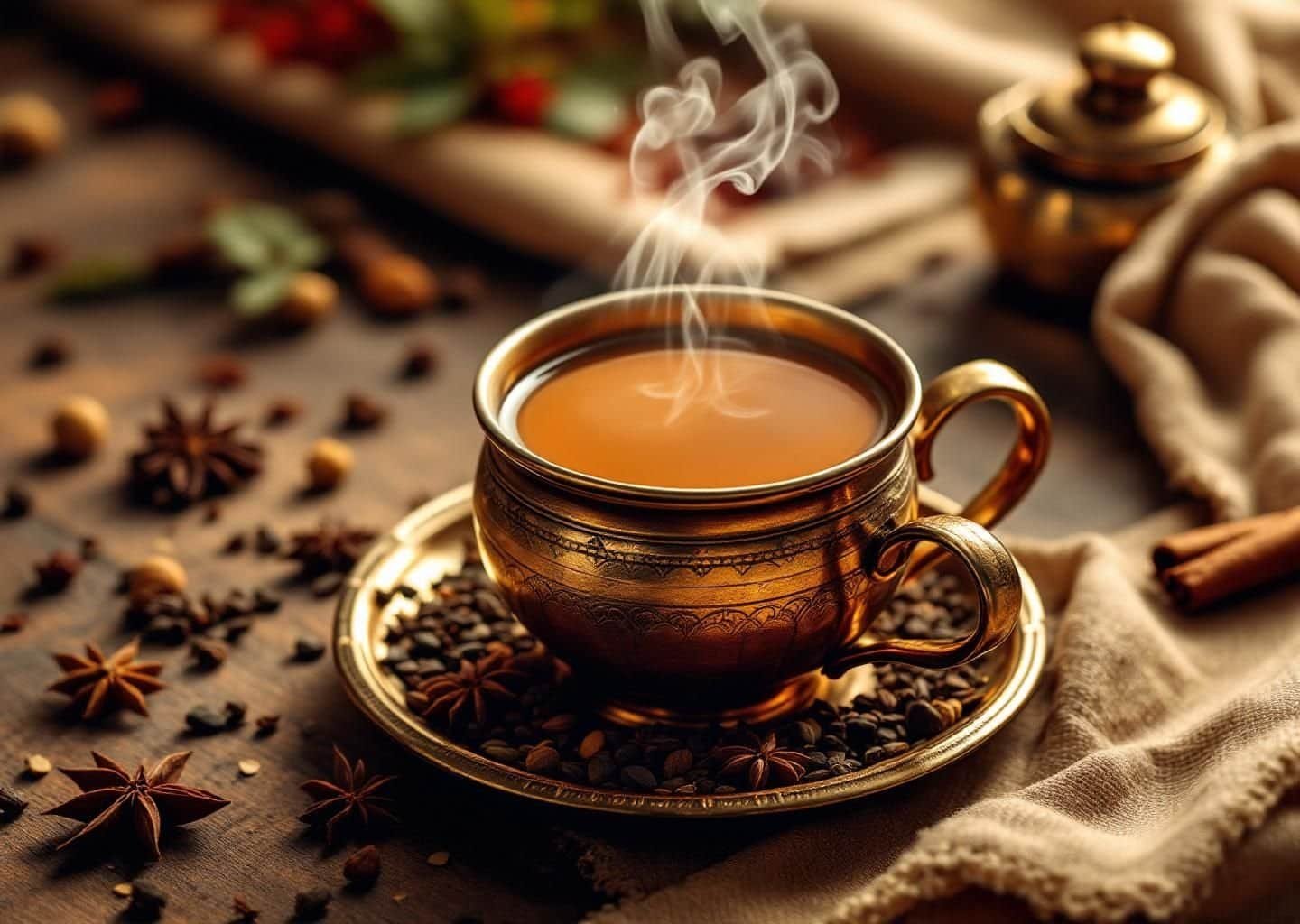
Quick Answer: Chai tea (or masala chai) is India’s iconic spiced tea made with black tea, milk, and warming spices like cardamom, ginger, cinnamon, cloves, and black pepper. There are dozens of regional varieties across India — from Kashmiri Kahwa (green tea with saffron) to Hyderabadi Irani Chai. Each region has its own unique recipe passed down through generations.
What Is Chai Tea?
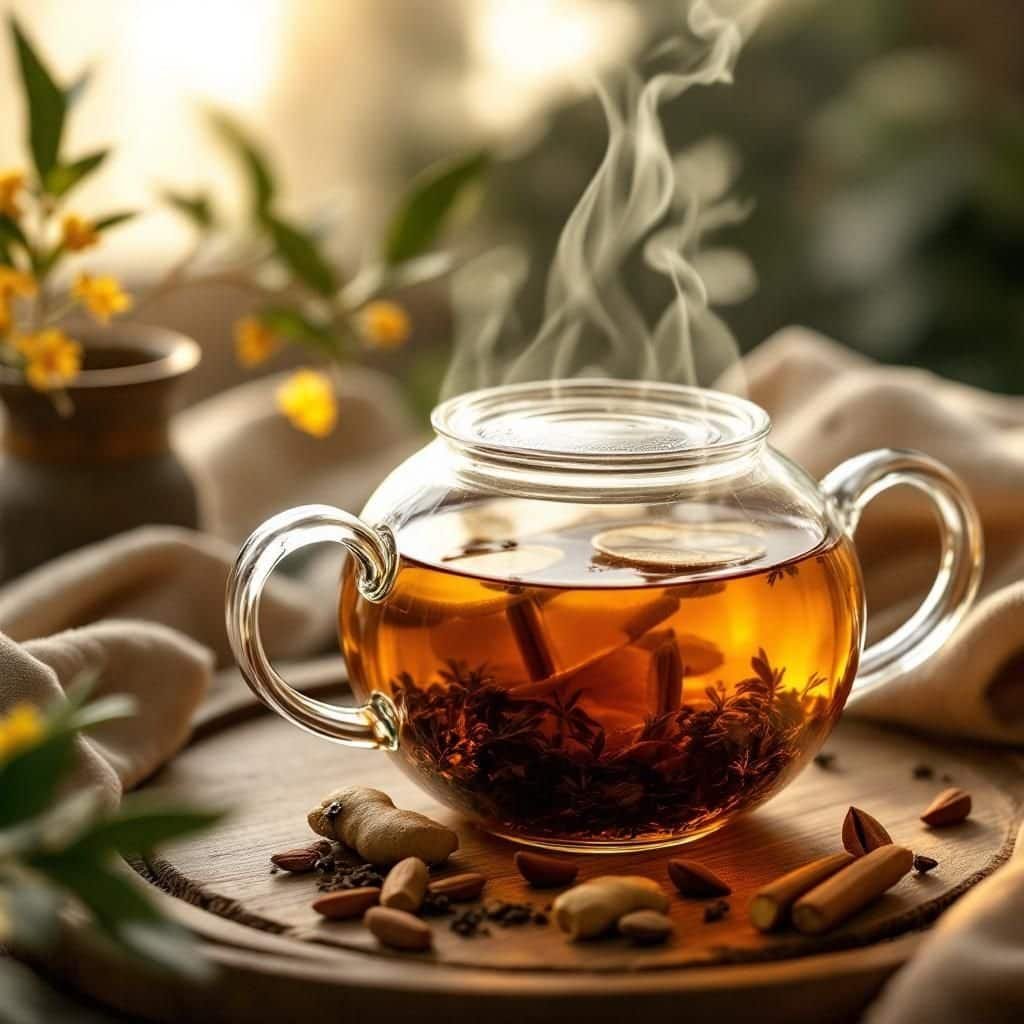
Chai tea, often simply referred to as ‘chai’ in India, is a staple beverage that combines black tea with a mixture of aromatic Indian spices and herbs. The word ‘chai’ actually means ‘tea’ in Hindi, and using the term ‘chai tea’ is somewhat redundant. However, in Western contexts, ‘chai tea’ refers to this spiced tea blend that has won hearts globally. The origins of chai date back over 5,000 years when it was used for Ayurvedic healing remedies. Today, chai tea is not just a drink; it is an integral part of Indian culture, a symbol of hospitality, and a daily ritual for many. Tea culture varies dramatically across Asia — while chai is central to Indian identity, Chinese tea culture offers a fascinating parallel tradition with its own rich ceremonies and philosophy.
The base of chai is typically a strong black tea, such as Assam, which is robust enough to hold its own when combined with spices and milk. Common spices in chai include cardamom, cinnamon, ginger, cloves, and black pepper. The exact blend of spices can vary widely depending on personal taste and regional preferences, leading to a myriad of chai tea varieties.
Types of Chai Tea
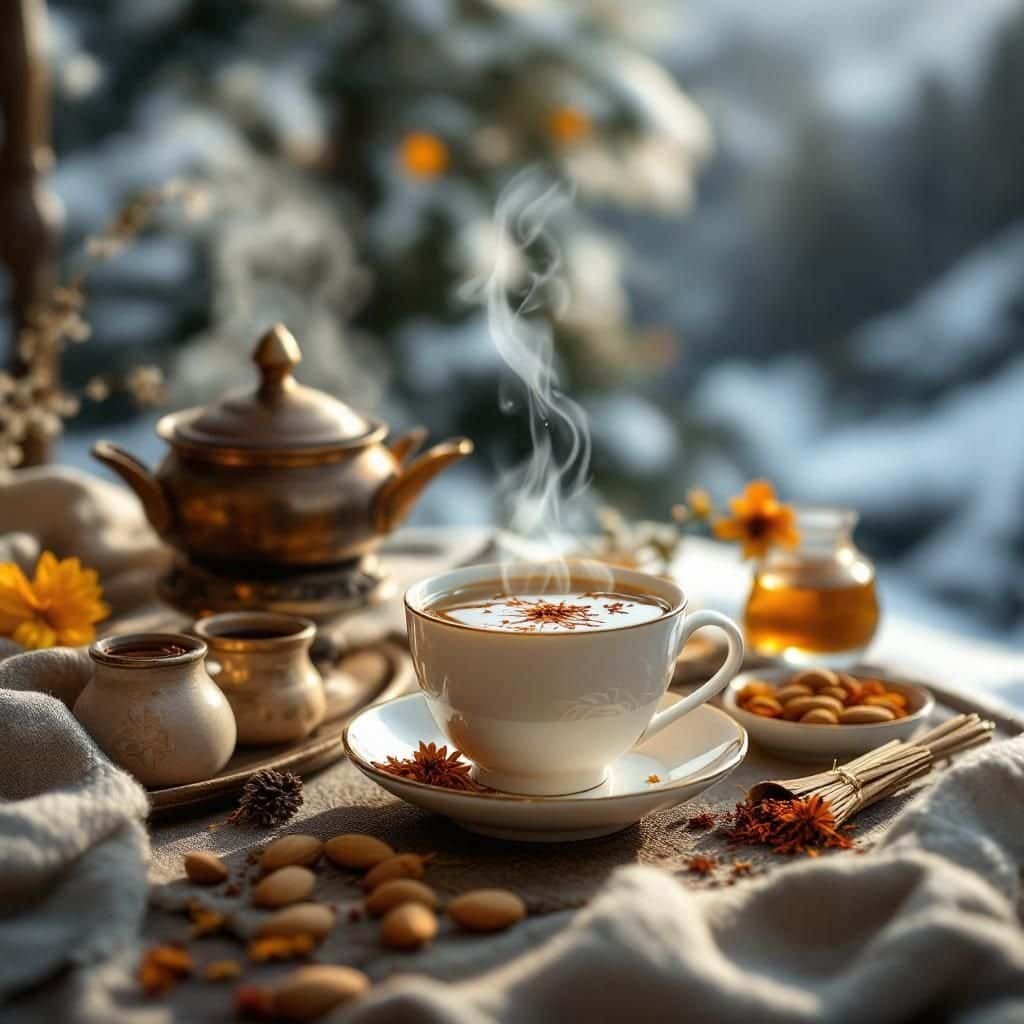
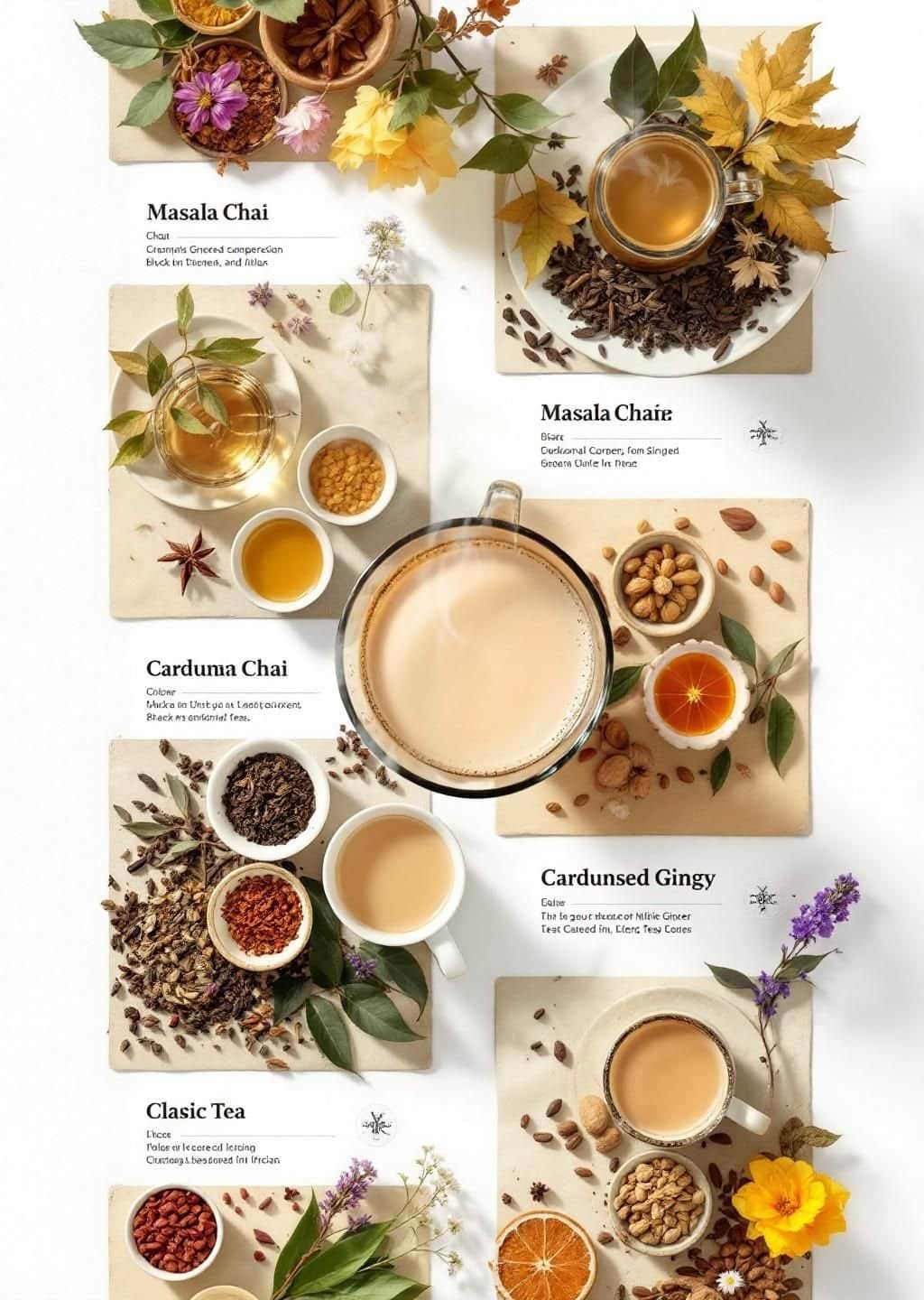
While masala chai is the most recognized type of chai, there are dozens of varieties across India and beyond. Here is a comprehensive guide to the main types of chai tea:
- Masala Chai: The classic. Black tea simmered with cardamom, ginger, cinnamon, cloves, and black pepper, then finished with milk and sugar. Every household has its own recipe — some add fennel, nutmeg, or star anise.
- Ginger Chai (Adrak Chai): Heavy on fresh ginger, this warming brew is India’s go-to remedy for colds and digestive issues. The ginger is often crushed rather than sliced to release maximum flavor.
- Cardamom Chai (Elaichi Chai): A fragrant, floral chai where cardamom is the star spice. Popular in Gujarat and Maharashtra, it has a sweeter, more delicate profile than masala chai.
- Tulsi Chai: Made with holy basil (tulsi), this Ayurvedic chai is prized for its immune-boosting properties. It has an earthy, slightly peppery flavor and is common in wellness-focused households.
- Turmeric Chai (Haldi Chai): A modern wellness favorite, this golden chai blends turmeric with black pepper (to activate curcumin), ginger, and cinnamon. Often made with plant-based milk.
- Mint Chai (Pudina Chai): Fresh mint leaves added to masala chai create a refreshing, cooling variation popular in Rajasthan and during summer months.
- Kashmiri Kahwa: Green tea-based, flavored with saffron, almonds, cardamom, and cinnamon. Served without milk, often with a rose petal garnish. A festive and ceremonial drink.
- Irani Chai: Hyderabad’s signature chai — slow-brewed for hours with condensed milk, creating an intensely creamy, caramel-like tea. Best enjoyed with Osmania biscuits.
For a deeper dive into tea’s healing properties, explore our guide to tea wellness retreats.
Masala Chai: The Classic
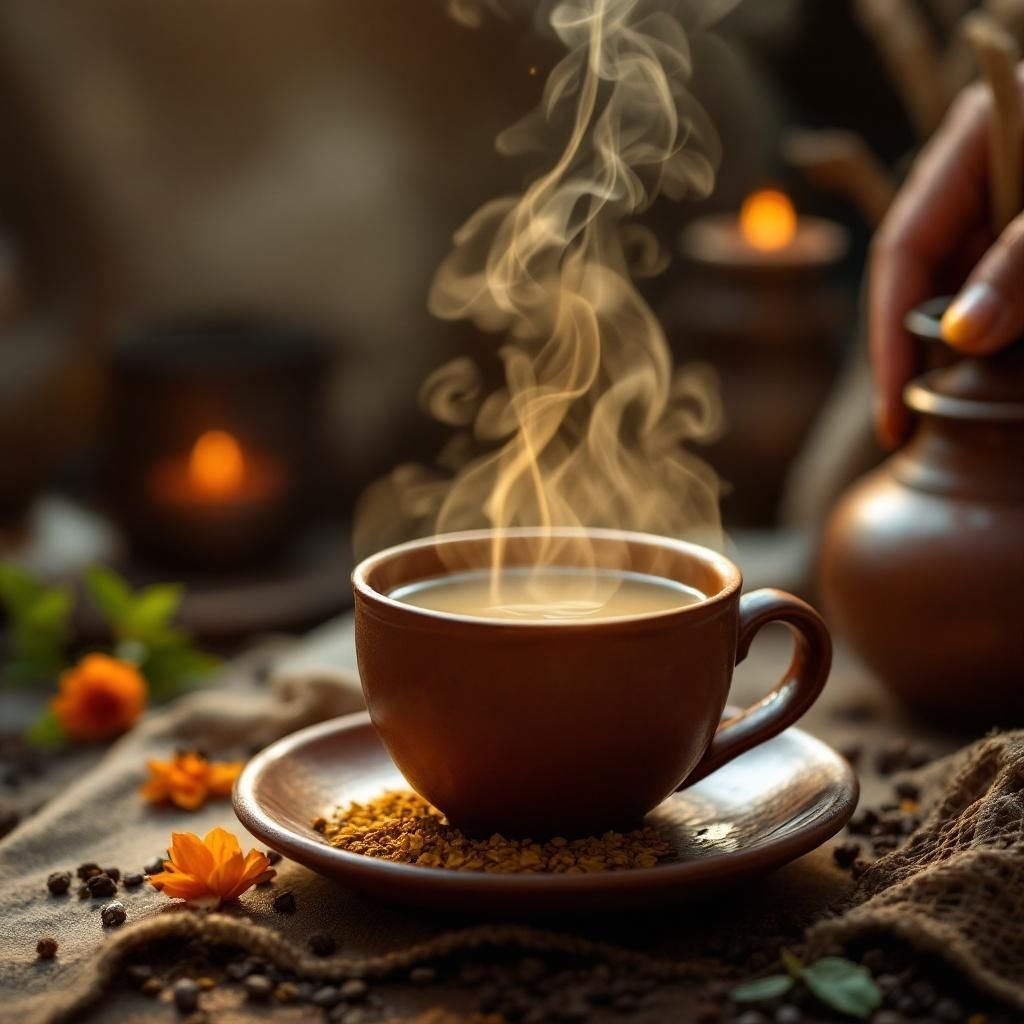
Masala chai is the quintessential version of chai tea, known for its robust flavor and invigorating aroma. The preparation of masala chai is an art itself, with each spice playing a crucial role in the overall profile of the tea.
The brewing process begins with boiling water and adding black tea leaves. Once the tea has brewed to a strong enough consistency, a blend of spices is added. The spices typically include freshly crushed cardamom pods, cinnamon sticks, ginger root, cloves, and black peppercorns. The mixture is then simmered to extract the flavors of the spices.
Milk is added to the concoction, creating a creamy texture and balancing the intense flavors of the spices. The tea is sweetened with sugar according to personal preference, though some might opt for jaggery for an authentic touch.
Masala chai is more than just a drink; it is a sensory experience that captures the essence of India’s culinary heritage. From the first sip, the warming spices and velvety milk create a comforting embrace that is both invigorating and soothing. Learn to fully appreciate these flavors with our guide on how to taste tea like a pro.
Regional Chai Variations in India
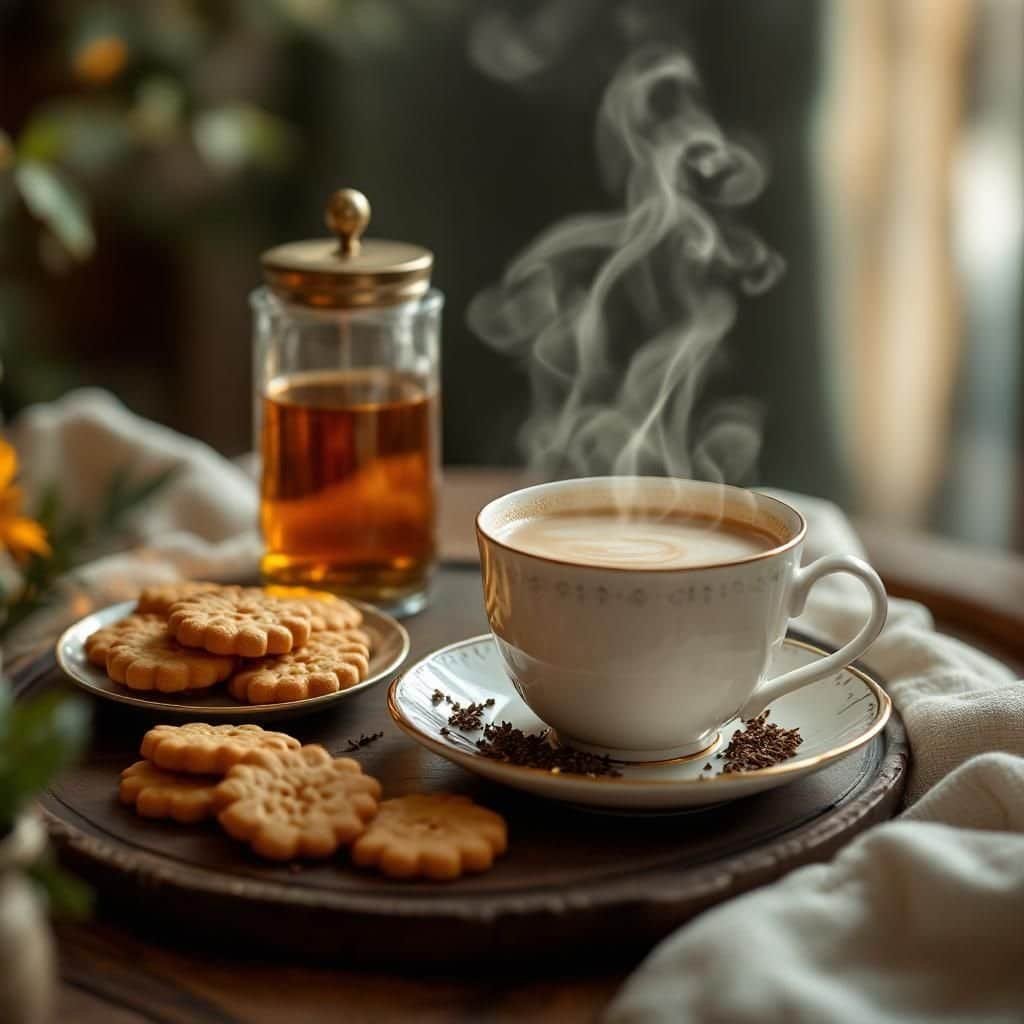
India’s diverse cultures and climates contribute to a wide variety of regional chai styles, each offering its own unique take on the beloved beverage. Here are some notable examples: To experience these regional chai traditions firsthand, consider visiting the source — our guide to Darjeeling tea estate stays shows how to immerse yourself in India’s tea culture.
Kashmiri Kahwa: Originating from the northernmost region of India, this chai is green tea-based and flavored with saffron, almonds, and cardamom. Kahwa is often served during festive occasions and is known for its fragrant aroma and delicate taste.
Rajasthani Masala Chai: Known for its rich and spicy profile, Rajasthani chai uses a generous amount of spices, including cloves, black pepper, and a hint of dried rose petals, providing a floral undertone.
Irani Chai: Found mainly in Hyderabad, this variation includes a slow-brewing process that results in a thicker, creamier consistency. It is often enjoyed with Osmania biscuits, creating a perfect balance of sweet and savory.
Adrak Chai: Popular across various regions, this ginger-infused chai is known for its warming properties and digestive benefits. The strong ginger flavor makes it a perfect choice for chilly mornings or rainy afternoons.
These regional varieties showcase the adaptability of chai and its ability to reflect the local tastes and traditions of India’s diverse regions.
How to Make Authentic Masala Chai
To make authentic masala chai at home, you will need the following ingredients:
- 2 cups of water
- 1 cup of milk
- 2 tablespoons of loose black tea leaves (preferably Assam)
- 2-3 cardamom pods, crushed
- 1 cinnamon stick
- 1-inch piece of fresh ginger, sliced
- 2-3 cloves
- 1-2 black peppercorns
- Sugar or jaggery to taste
Instructions:
- Bring water to a boil in a saucepan. Add the tea leaves and let it simmer for about 2 minutes.
- Add the crushed spices (cardamom, cinnamon, ginger, cloves, and peppercorns) to the tea and simmer for another 3-5 minutes.
- Add milk to the saucepan and bring the mixture to a boil. Stir occasionally to prevent the milk from scorching.
- Sweeten with sugar or jaggery to taste.
- Strain the chai into cups and serve hot.
This traditional recipe allows you to experience the authentic taste of masala chai, bringing a piece of India into your home.
Related Guides
- Exploring Assam Tea Gardens: A Traveler’s Guide
- Tea Culture in India: A Deep Dive into Tradition
- Spices of India: Aromatic Ingredients That Define a Nation
- A Guide to Indian Street Food: Flavors of the Subcontinent
- Understanding Tea Processing Methods: From Leaf to Cup
Explore India’s Tea Culture in Person
From the chai stalls of Mumbai to the tea gardens of Assam and Darjeeling, India offers extraordinary tea travel experiences. Discover our complete India tea travel guide.
Read the India Tea Travel Guide →
Frequently Asked Questions
What is chai tea?
Chai tea is a spiced tea beverage from India, combining black tea with spices like cardamom, cinnamon, and ginger.
How is masala chai different from regular chai?
Masala chai specifically refers to chai tea made with a blend of spices, whereas regular chai may not include spices.
What spices are typically used in chai tea?
Common spices in chai include cardamom, ginger, cinnamon, cloves, and black pepper, though recipes vary widely.
How do you make authentic masala chai at home?
Authentic masala chai is made by simmering black tea with spices, milk, and sweetener. See our detailed recipe for more.
Are there regional variations of chai in India?
Yes, India has many regional chai varieties, such as Kashmiri Kahwa, Rajasthani Masala Chai, and Irani Chai.
What is the difference between chai tea and chai latte?
Traditional chai tea (masala chai) is brewed by simmering loose black tea leaves with whole spices and milk directly in a pot. A chai latte, popular in Western coffee shops, is typically made with a concentrated chai syrup or powder mixed with steamed milk — it is sweeter and less complex than authentic masala chai. For the most authentic experience, seek out chai made from scratch with whole spices.
Which type of tea is best for making chai?
Assam CTC (Cut, Tear, Curl) black tea is the traditional choice for masala chai because its bold, malty flavor stands up to the strong spices and milk. Darjeeling tea is too delicate for chai. For a lighter chai, some use Ceylon tea. Kashmiri Kahwa uses green tea instead of black tea, making it a completely different style of chai.
yes
