
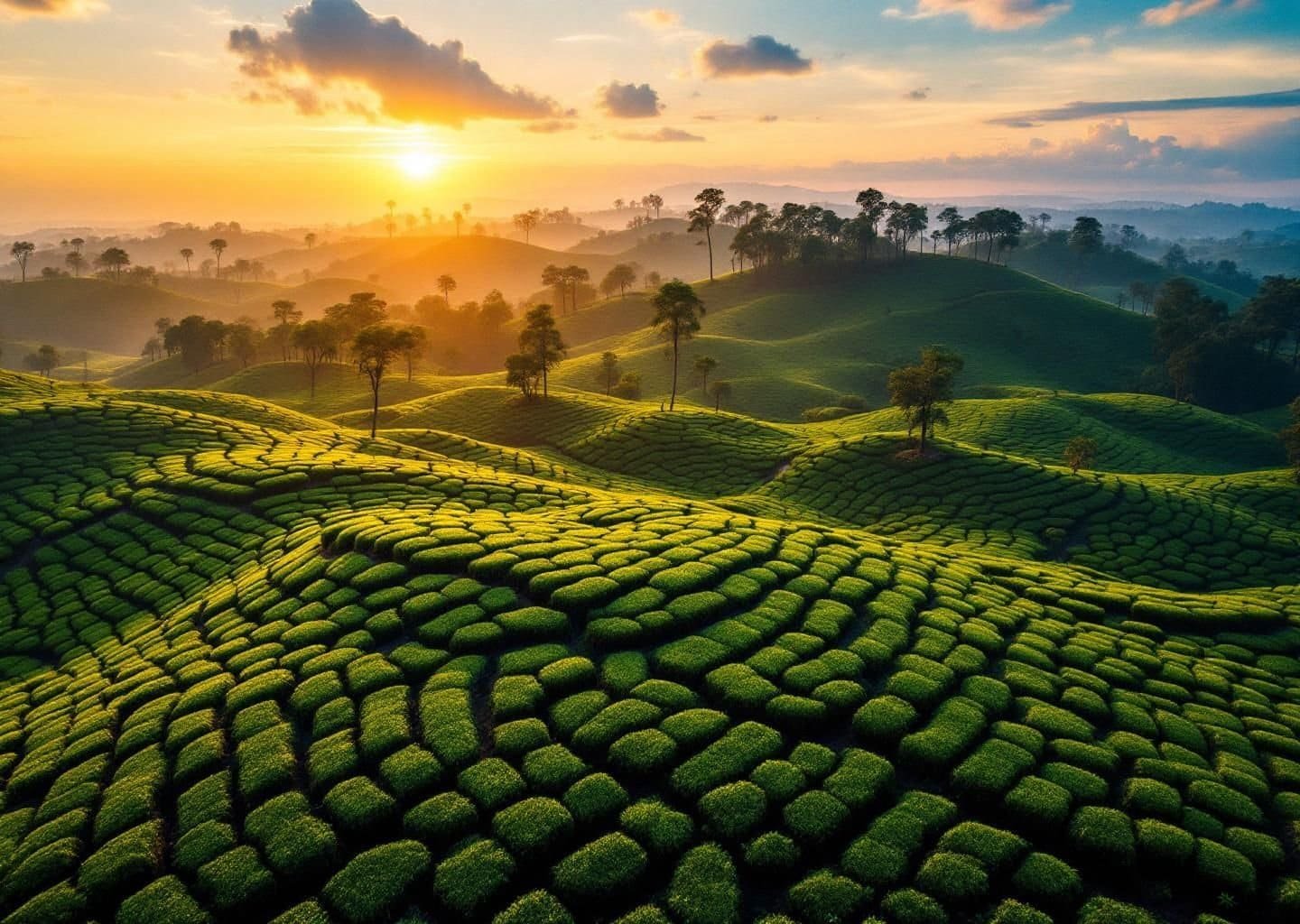
Quick Guide: Best Tea Estate Stays — The world’s top tea estate stays combine luxury accommodation with immersive tea experiences. Top picks include Glenburn Tea Estate (Darjeeling, India), Ceylon Tea Trails (Sri Lanka, from £579/night), and Tregothnan Estate (Cornwall, UK). Best visited during cooler harvest seasons (March–May or October–November).
Discover the Tranquility of Tea Estate Stays
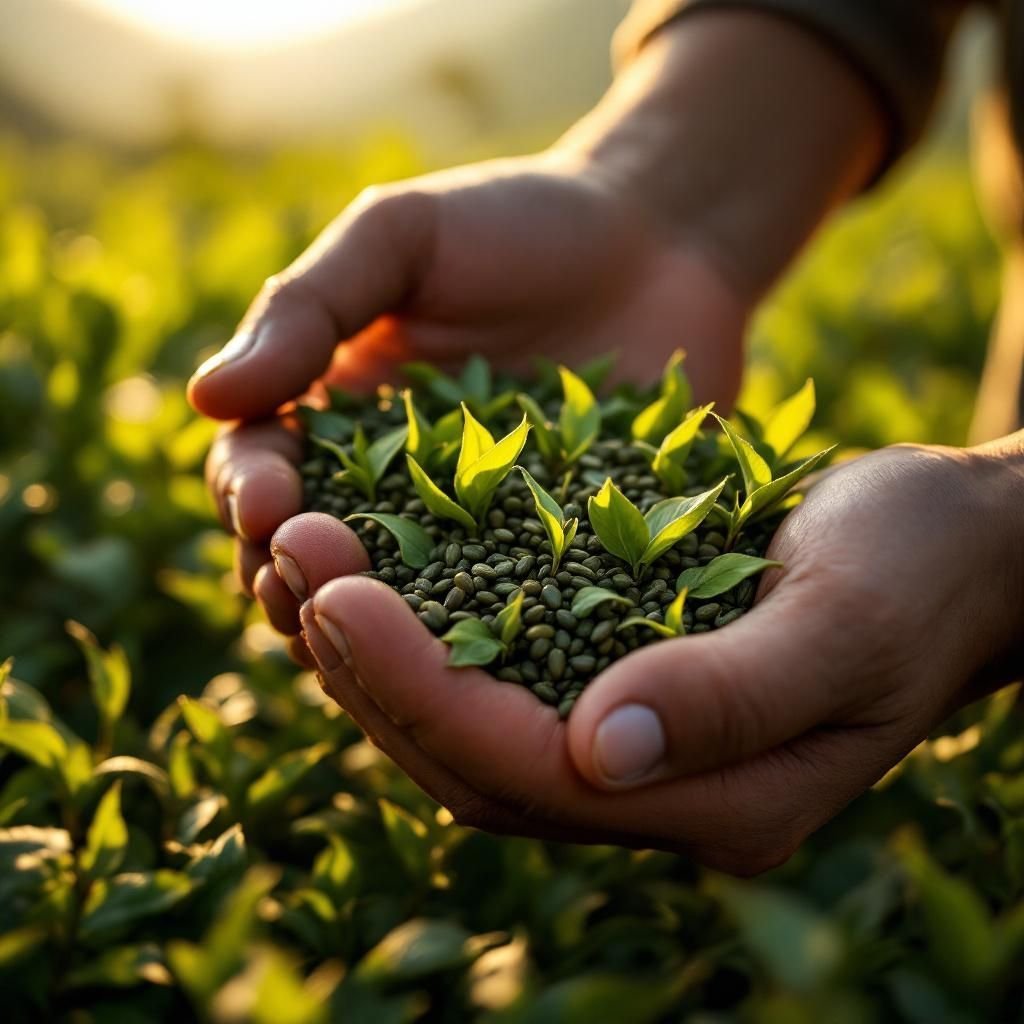
Imagine waking up to the serene beauty of lush green tea gardens, the air filled with the refreshing aroma of tea leaves, and the gentle sounds of nature. Tea estate stays offer this idyllic escape, combining luxury with the simplicity of nature. Whether you’re a tea connoisseur or simply seeking a peaceful retreat, we’ve curated a list of the top 10 tea estate stays around the world that promise an unforgettable experience.
Discover the world’s most enchanting tea estate stays, where luxury meets nature. From India’s Himalayan foothills to the rolling hills of Sri Lanka and beyond, these unique getaways offer immersive tea experiences, cultural insights, and serene landscapes—perfect for travelers seeking relaxation, adventure, and a deeper connection to the art of tea. For more, see our guide to Darjeeling Tea Estate Stays: Sleep Among the World’s Finest Tea.
Quick Summary: Tea estate stays offer immersive lodging at working tea plantations across India, Sri Lanka, Kenya, Mauritius, and beyond. Guests enjoy guided garden tours, tea tastings, factory visits, and cultural experiences. Prices range from about $50 to $900+ per night, with the best visits during harvest seasons. For more, see our guide to Assam Tea Gardens: A Guide to India’s Black Tea Heartland.
The Best Tea Estate Stays Around the World
1. Glenburn Tea Estate, India
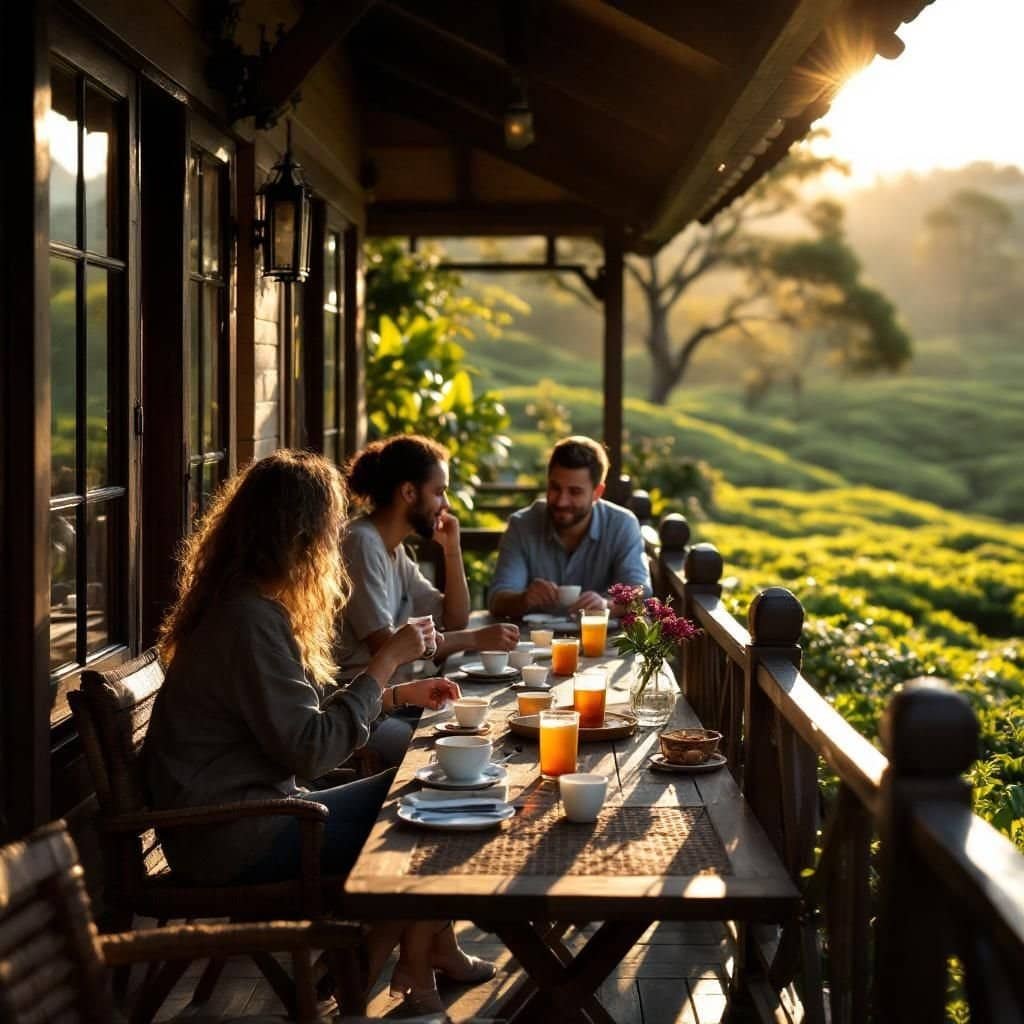
Located in the foothills of the Himalayas, Glenburn Tea Estate is one of India’s most prestigious tea plantations. This family-run estate offers breathtaking views of the snow-capped mountains and the River Rungeet.
Guests can enjoy a stay in one of the beautifully restored bungalows, each with its unique charm and character. Activities include guided nature walks, bird watching, and tea tasting sessions, providing an immersive experience into the world of tea. For more, see our guide to Exploring the Rolling Hills of Munnar’s Tea Plantations.
- Best Time to Visit: March to June and September to November for clear skies and pleasant weather.
- Estimated Cost: from £416 per night (including meals and activities).
- Local Tip: Try the estate’s signature Darjeeling teas and join a cooking class for authentic Bengali cuisine.
2. Ceylon Tea Trails, Sri Lanka
Set in the heart of Sri Lanka’s tea country, Ceylon Tea Trails is a collection of five luxurious colonial-era tea bungalows. Each bungalow is distinct in style and offers a personal butler service, ensuring an individualized experience. The estate provides a range of activities, from exploring the lush tea gardens to participating in the tea-making process. The stunning surroundings and impeccable service make it a top choice for travelers seeking tranquility and luxury.
- Best Time to Visit: December to April for the driest weather.
- Estimated Cost: from £579 per night (all-inclusive, with gourmet meals and excursions).
- Local Tip: Don’t miss the “Tea Planter’s Picnic” and a scenic bike ride through the plantations.
3. Bois Cheri Tea Plantation, Mauritius
Bois Cheri is the largest and oldest tea plantation in Mauritius, offering a unique combination of history, culture, and natural beauty. Guests can stay in charming lodges overlooking the tea gardens and volcanic landscape. The plantation offers guided tours, revealing the fascinating history of tea cultivation in Mauritius, and a chance to sample a variety of their teas.
- Best Time to Visit: May to December for cooler, drier weather.
- Estimated Cost: $120–$250 per night.
- Local Tip: Sample the famous vanilla-flavored black tea and visit the on-site tea museum.
4. Tea Trails, Kenya
Kenya is famous for its vibrant tea culture, and a stay at the Tea Trails provides an authentic experience of this. Located in the lush highlands, this estate offers cozy accommodations surrounded by sprawling tea fields. Guests can enjoy guided walks, tea factory tours, and cultural interactions with the local communities. The picturesque landscape and rich biodiversity make it a perfect spot for nature lovers.
- Best Time to Visit: January to March and June to October (dry seasons).
- Estimated Cost: $150–$350 per night.
- Local Tip: Join a sunrise walk for birdwatching and learn about Kenya’s unique CTC (crush-tear-curl) tea process.
5. Tregothnan Estate, England
Renowned for producing the only English tea, Tregothnan Estate offers a unique stay on its sprawling grounds in Cornwall. This historic estate combines traditional charm with modern comfort, providing guided tours of the tea gardens and insights into the production of English tea. The estate also features stunning botanical gardens, making it a paradise for horticulture enthusiasts.
- Best Time to Visit: April to September for garden blooms and mild weather.
- Estimated Cost: $200–$400 per night.
- Local Tip: Book a private tea tasting and explore the estate’s rare plant collections.
6. Araksa Tea Garden, Thailand
Set in the lush hills of Chiang Mai, Araksa Tea Garden is a serene getaway that offers guests a hands-on experience in tea cultivation. Visitors can participate in tea picking and processing, enjoy traditional Thai meals, and relax in simple yet elegant accommodations. The garden’s commitment to sustainable practices and community involvement enriches the experience.
- Best Time to Visit: November to February for cool, dry weather.
- Estimated Cost: $80–$180 per night.
- Local Tip: Take part in a Lanna-style cooking class and learn about local herbal teas.
7. Makaibari Tea Estate, India
Makaibari is one of the oldest and most famous tea estates in Darjeeling, known for its organic and biodynamic farming practices. Guests can stay in charming heritage bungalows surrounded by the estate’s verdant landscapes. Activities include tea tasting sessions, hiking trails, and cultural interactions with the local communities, offering a deep dive into the local way of life.
- Best Time to Visit: March to May and September to November.
- Estimated Cost: $100–$250 per night.
- Local Tip: Attend a tea plucking demonstration and visit nearby monasteries for a spiritual experience.
8. Heritance Tea Factory, Sri Lanka
This unique hotel in the Nuwara Eliya region of Sri Lanka was once a functioning tea factory. Now beautifully converted into a luxury hotel, it offers guests the opportunity to experience the life of a tea planter. From picking tea leaves to enjoying high tea with a panoramic view, the experience here is both educational and indulgent.
- Best Time to Visit: February to April for the best weather.
- Estimated Cost: $180–$350 per night.
- Local Tip: Try the “Tea Plucker’s Lunch” and take the vintage train to Nuwara Eliya town.
9. Amba Estate, Sri Lanka
Amba Estate is a small organic farm in the Uva Highlands of Sri Lanka, known for its artisanal teas. The estate offers simple, eco-friendly accommodations and an array of activities such as hiking, bird watching, and tea tasting. The commitment to sustainable tourism and high-quality tea production makes it a standout choice for eco-conscious travelers.
- Best Time to Visit: June to September for clear skies and lush scenery.
- Estimated Cost: $90–$200 per night.
- Local Tip: Join a tea-making workshop and explore the estate’s waterfalls and spice gardens.
10. Satemwa Tea Estate, Malawi
Satemwa is one of Malawi’s oldest tea estates, offering guests a chance to experience the rich tea culture of Africa. The estate features charming colonial-style accommodations and offers tours of its tea and coffee plantations. Guests can partake in tastings and learn about the estate’s sustainable farming practices, all set against the backdrop of Malawi’s stunning landscapes.
- Best Time to Visit: May to October (dry season).
- Estimated Cost: $100–$250 per night.
- Local Tip: Try the estate’s rare white teas and enjoy a sunset picnic overlooking the Shire Highlands.
Why Choose a Tea Estate Stay?
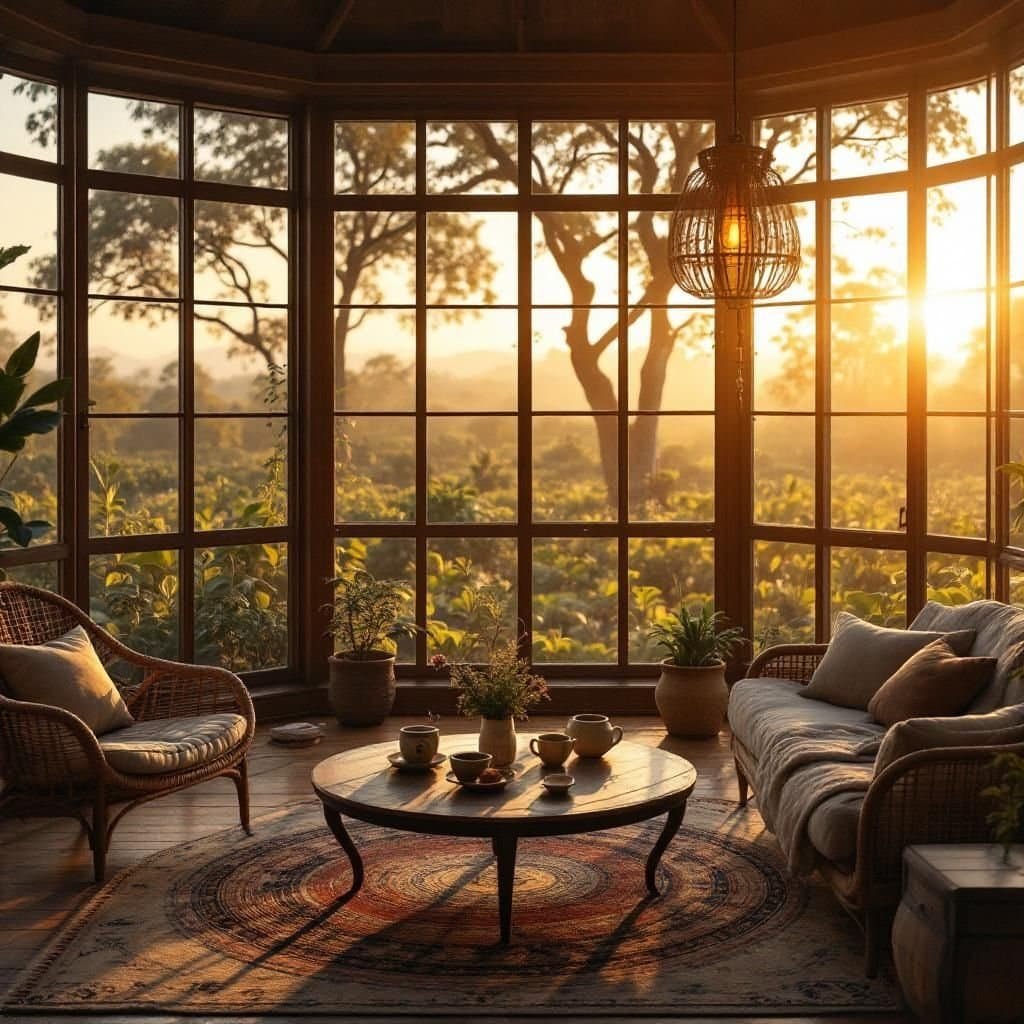
Staying at a tea estate offers a unique blend of relaxation and education. Guests not only enjoy luxurious accommodations but also gain insights into the art and science of tea cultivation. These estates often provide opportunities for engaging in the local culture, from culinary experiences to cultural tours, making it a holistic travel experience.
Tea estate stays are perfect for those seeking to unplug from digital distractions and reconnect with nature. The slow pace of life, fresh mountain air, and the gentle rhythm of tea picking create a meditative atmosphere. Many estates also offer wellness activities such as yoga, spa treatments, and forest bathing — explore our guide to tea wellness retreats around the world for more healing destinations.
For tea enthusiasts, these stays are a dream come true. You’ll have the chance to taste rare single-origin teas, learn about terroir, and even participate in blending your own tea. For families and groups, the educational aspect—learning about sustainable agriculture, biodiversity, and local traditions—adds depth to the travel experience.
Tips for Planning Your Tea Estate Getaway
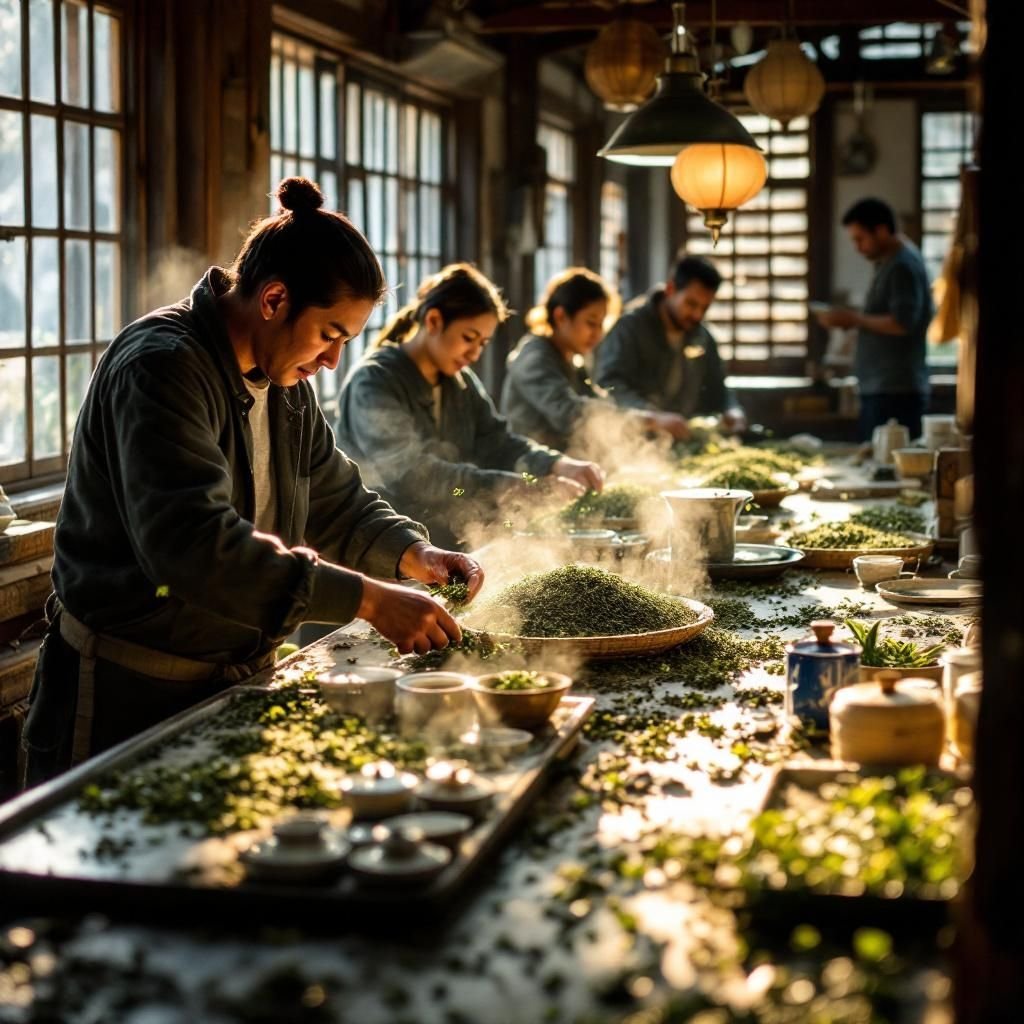
- Book in Advance: Tea estate stays are popular, especially during peak seasons. Booking early ensures you secure the best accommodations.
- Research the Climate: Understanding the local weather can help you pack appropriately for your trip. Tea regions can vary greatly in climate.
- Engage with Locals: Many estates are situated near small villages. Interacting with locals can enrich your experience and provide deeper insights into the area’s culture.
- Participate in Activities: Make the most of your stay by engaging in the various activities offered, from tea tastings to nature walks.
- Respect the Environment: Many tea estates focus on sustainable tourism. Be mindful of your environmental impact during your stay.
- Pack Smart: Bring layers for changing weather, sturdy shoes for plantation walks, and a reusable water bottle to stay hydrated.
- Check for Special Events: Some estates host tea festivals, harvest celebrations, or cultural performances—plan your visit to coincide with these for a richer experience.
- Understand Local Etiquette: In many tea-producing regions, modest dress and polite greetings are appreciated. Always ask before taking photos of people or private areas.
- Travel Insurance: Consider comprehensive travel insurance, especially if you plan to trek or participate in adventure activities.
- Connectivity: Many estates are in remote areas with limited Wi-Fi or mobile coverage—embrace the digital detox!
Cultural Context & Local Customs
Tea is more than a beverage—it’s a way of life in many of these regions. In India and Sri Lanka, tea is woven into daily rituals, hospitality, and even spiritual practices. For a unique cultural tea experience, the Boseong Green Tea Fields in Korea offer a stunning contrast to South Asian estates. Sharing a cup of chai or Ceylon tea is a gesture of welcome and friendship. In Kenya, tea breaks are a cherished tradition, while in England, afternoon tea is a refined social affair.
When visiting a tea estate, take time to learn about local customs. For example, in Darjeeling, it’s customary to greet workers with a friendly “Namaste.” In Sri Lanka, removing your shoes before entering a home or certain buildings is a sign of respect. In Malawi, sharing stories over tea is a beloved pastime. Participating in these traditions not only enriches your stay but also fosters meaningful connections with your hosts.
Many estates support local communities through fair wages, education, and healthcare initiatives. By choosing a tea estate stay, you’re often contributing to these positive social impacts. Don’t hesitate to ask your hosts about their community projects or ways you can support local artisans and farmers during your visit.
Costs & Best Times to Visit
The cost of a tea estate stay varies widely depending on location, level of luxury, and inclusions. Budget-friendly options in India and Thailand can start as low as $80 per night, while luxury estates in Sri Lanka and England may exceed $800 per night for all-inclusive experiences. Most stays include meals, guided tours, and tea tastings, but always confirm what’s covered before booking.
Best Times to Visit:
- India (Darjeeling, Assam): March–June and September–November for clear weather and active tea plucking.
- Sri Lanka: December–April (Hill Country), June–September (Uva region).
- Kenya: January–March and June–October (dry seasons).
- England: April–September for garden blooms and mild temperatures.
- Mauritius & Malawi: May–October for cooler, drier weather.
- Thailand: November–February for cool, comfortable conditions.
Visiting during harvest seasons (often spring and autumn) allows you to witness the full vibrancy of tea production and participate in special events. However, off-peak visits can offer quieter surroundings and lower rates.
Frequently Asked Questions
Tea Estate Stays Comparison: At a Glance
Use this quick reference table to compare the world’s top tea estate stay destinations by budget, experience type, and best season:
| Destination | Tea Type | Price/Night | Best Season | Best For |
|---|---|---|---|---|
| Darjeeling, India | First Flush Black Tea | $150–$400 | March–May, Oct–Nov | Luxury, heritage bungalows |
| Assam, India | Bold Black Tea | $100–$280 | Nov–March | Wildlife, river views |
| Munnar, India | Munnar (Kerala) Tea | $80–$250 | Oct–March | Ayurvedic wellness |
| Nuwara Eliya, Sri Lanka | Ceylon Tea | $80–$300 | Jan–April | Colonial charm, cool climate |
| Shizuoka, Japan | Sencha, Matcha | $200–$600 | April–June | Luxury ryokan, Mt. Fuji views |
| Cameron Highlands, Malaysia | Black Tea | $60–$180 | Year-round | Budget-friendly, scenic |
| Alishan, Taiwan | High Mountain Oolong | $120–$350 | April–June, Sept–Nov | Oolong enthusiasts, mist views |
| Cederberg, South Africa | Rooibos | $100–$250 | March–May, Aug–Oct | Unique origin, stargazing |
Prices are approximate per-night rates for double occupancy. Rates vary by season and room type.
What is a tea estate stay?
A tea estate stay involves lodging at a tea plantation, offering guests an immersive experience into tea cultivation and local culture while enjoying luxurious accommodations.
Which countries offer tea estate stays?
Popular countries for tea estate stays include India, Sri Lanka, Kenya, England, Thailand, and Malawi, each offering unique experiences and landscapes.
What activities can I do at a tea estate?
Activities at tea estates often include guided tours of the tea gardens, tea tastings, nature walks, cultural tours, and sometimes participation in the tea-making process.
Are tea estate stays suitable for families?
Yes, many tea estates offer family-friendly activities and accommodations, providing educational and engaging experiences for both adults and children.
When is the best time to visit a tea estate?
The best time to visit depends on the region. Generally, the cooler months are ideal, but it’s best to check the local climate and tea harvesting seasons for the best experience.
How much does a tea estate stay cost?
Tea estate stay costs vary by destination and luxury level. Budget-friendly options in India and Sri Lanka start from about $90–$250 per night. Mid-range estates typically cost $250–$500 per night including meals. Luxury all-inclusive estates like Ceylon Tea Trails in Sri Lanka start from £579 per night. Most prices include guided tours, tea tastings, and meals.
What should I pack for a tea estate stay?
Pack comfortable walking shoes for garden tours, light layers for variable mountain weather, insect repellent, a rain jacket (tea regions are often humid), and a reusable water bottle. Bring a camera for the stunning landscapes. Smart-casual attire is appropriate for estate dinners. Leave heavy luggage behind — most estates have laundry services.
Plan Your Tea Estate Journey
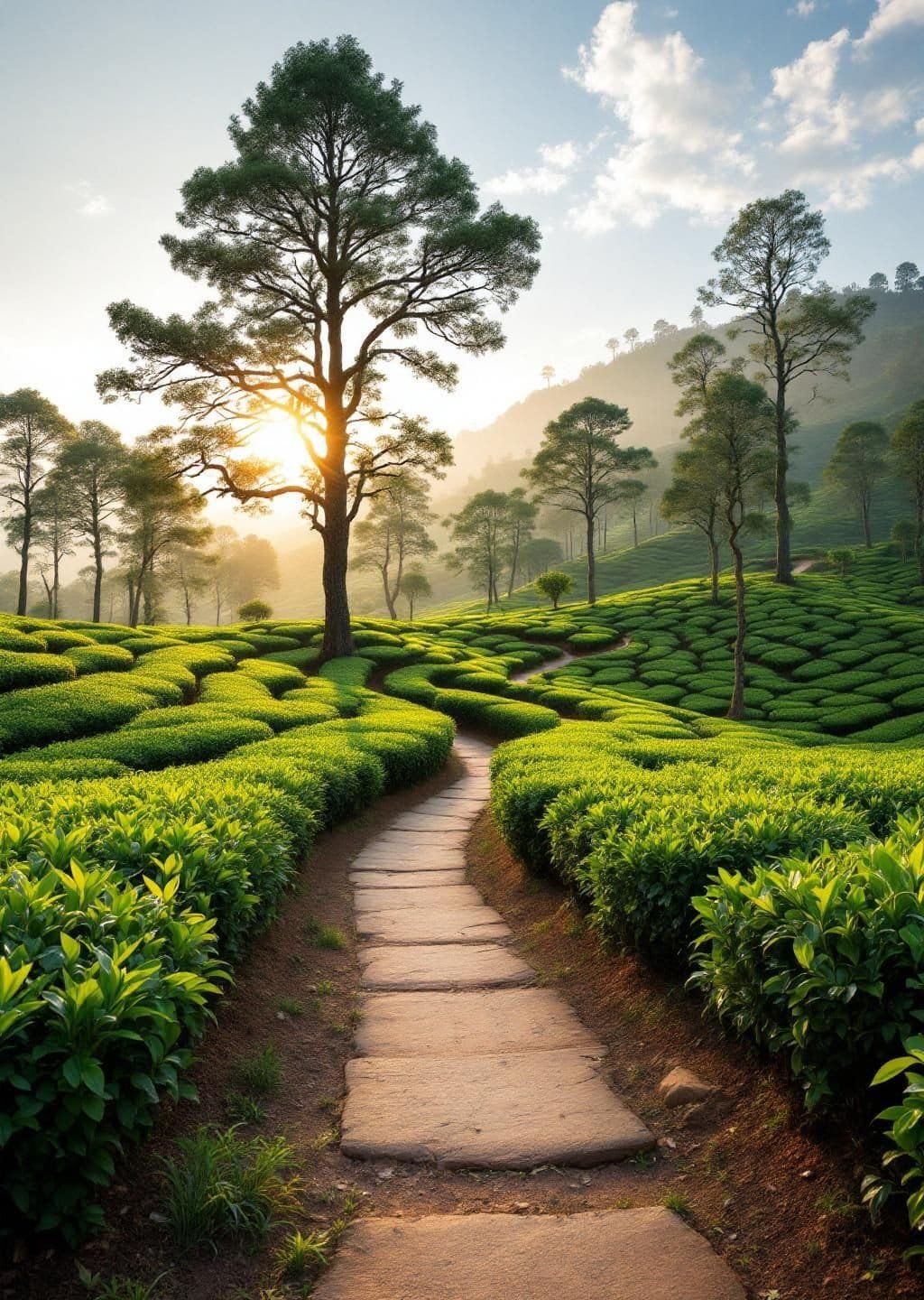
Ready to embark on a journey steeped in flavor, culture, and tranquility? Whether you’re dreaming of misty Himalayan mornings at Glenburn or sun-drenched African hills in Kenya, a tea estate stay promises memories that linger long after your last cup.
How to Plan Your Perfect Tea Estate Stay
Planning a tea estate stay requires more thought than a typical hotel booking. The best experiences combine the right season, the right estate type, and the right activities for your interests. Here’s everything you need to know before you book.
Best Seasons to Visit Tea Estates
Timing your visit around the tea harvest season transforms a pleasant stay into a truly immersive experience. Each region has its own harvest calendar:
- Darjeeling, India: First flush (March–April) and second flush (May–June) are the most celebrated. The spring first flush produces the most prized, delicate teas.
- Sri Lanka (Ceylon): Year-round production, but the best quality teas from Nuwara Eliya come during the dry season (January to April).
- Japan (Uji/Shizuoka): Shincha (new tea) season in April–May is the most exciting time to visit, when the first harvest of the year is processed.
- Taiwan: Spring (April–May) and winter (November–December) harvests produce the finest high-mountain oolongs.
- Kenya: Two main harvest seasons — March–June and October–December — offer the best quality teas from the Great Rift Valley estates.
What to Look for When Booking
Not all tea estate stays are created equal. When evaluating options, consider these key factors:
- Included experiences: The best estates include guided garden tours, tea tastings, and processing demonstrations in the room rate. Confirm what’s included before booking.
- Accommodation style: Options range from colonial bungalows and converted planter’s houses to modern eco-lodges. Choose based on your comfort preferences and budget.
- Group size: Many boutique estates have only 4–8 rooms, making them ideal for couples or small groups but requiring advance booking — sometimes 6–12 months ahead for peak season.
- Accessibility: Remote mountain estates often require 2–4 hour drives on winding roads from the nearest airport. Factor in travel time and consider hiring a local driver.
Budget Planning for Tea Estate Stays
| Budget Level | Price Range (per night) | What to Expect |
|---|---|---|
| Budget | $50–$150 | Basic guesthouse on estate grounds, shared facilities, simple meals |
| Mid-Range | $150–$350 | Comfortable bungalow, included breakfast, guided garden tour |
| Luxury | $350–$800+ | Heritage planter’s bungalow, all meals, private tastings, spa treatments |
Pro Tips for Booking Your Tea Estate Stay
Booking a tea estate stay requires a different approach than a standard hotel reservation. Most estates have limited rooms — often just 4–12 — and fill up months in advance during peak harvest seasons.
- Book 3–6 months ahead for Darjeeling first flush (March–April) and Sri Lanka’s Nuwara Eliya season (January–March)
- Contact estates directly for the best rates and to arrange custom experiences like private tastings or factory tours
- Ask about all-inclusive packages — many estates bundle meals, guided walks, and tastings at significant savings
- Check harvest calendars before booking — visiting during plucking season means you can participate in the harvest
- Verify accessibility — some estates require 4WD vehicles or involve steep mountain roads
What to Pack for a Tea Estate Stay
Tea estates are often located at altitude in tropical or subtropical climates, creating unique packing requirements. Mornings can be surprisingly cool and misty even in warm regions, while afternoons may be hot and humid. Layers are essential.
Bring comfortable walking shoes suitable for uneven terrain — you’ll be walking through rows of tea bushes on hillside slopes. A light rain jacket is essential year-round in most tea regions. For photography enthusiasts, the soft morning light filtering through tea gardens creates extraordinary opportunities, so bring your camera and a wide-angle lens.