
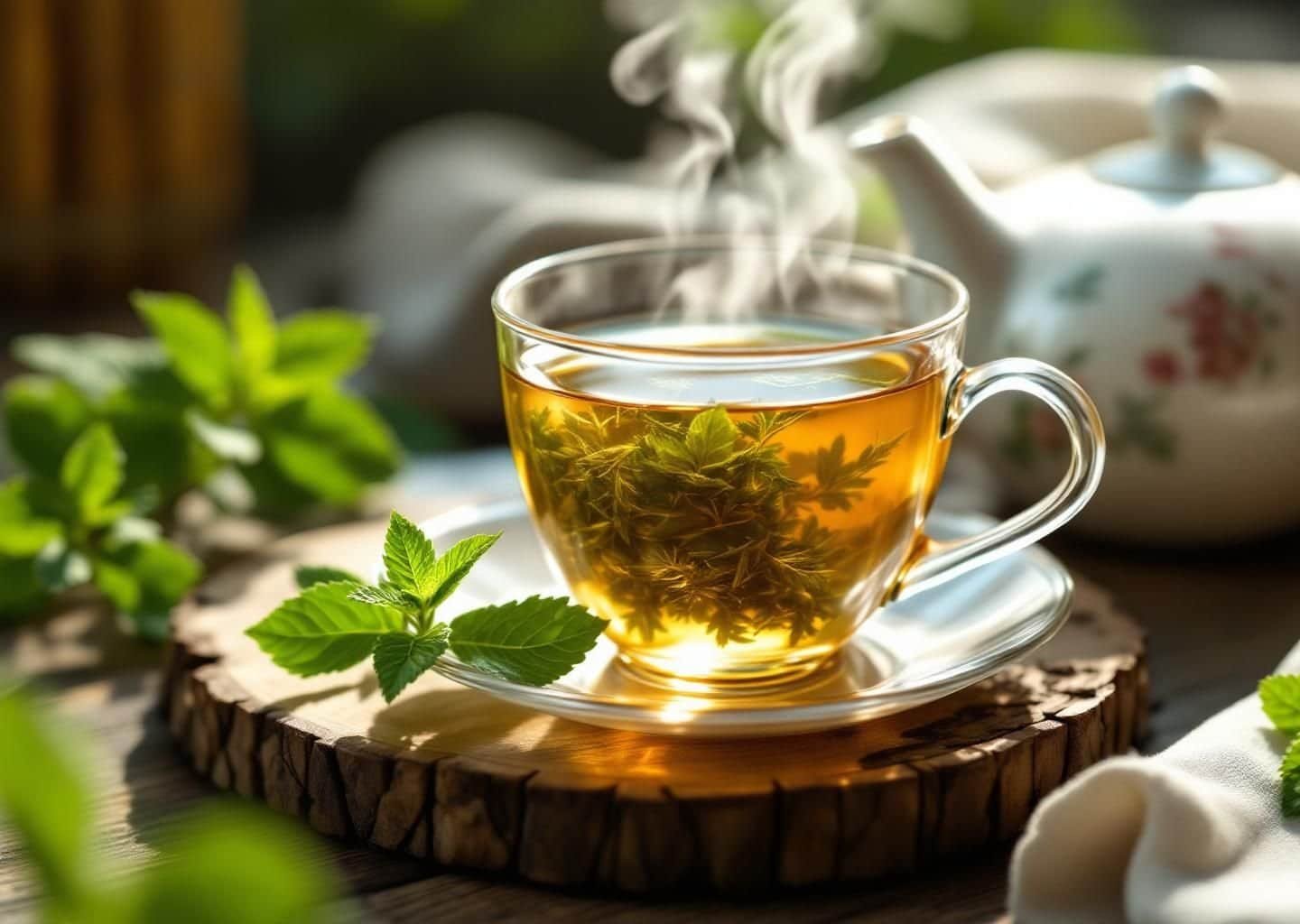
Spearmint tea is prepared by steeping fresh or dried spearmint leaves in hot water, resulting in a fragrant and soothing drink. The tea is characterized by its sweet, minty aroma and a mild, cooling taste. It is often consumed on its own or blended with other herbs like chamomile or lemon balm to enhance its flavor profile. In addition to its delightful taste, spearmint tea is revered for its numerous health benefits, making it a staple in wellness teas.
Top Benefits of Spearmint Tea

Spearmint tea is celebrated not just for its taste but also for its wide array of health benefits. One of the most notable benefits is its ability to aid in digestion. The natural compounds in spearmint, including carvone, have been shown to relax the digestive tract, thereby alleviating symptoms like bloating, gas, and nausea. This makes spearmint tea a popular choice after meals to promote digestive health. For more on related wellness teas, explore our guide to honey lemon tea.
Another significant benefit of spearmint tea is its potential to balance hormones, particularly in women. Studies suggest that spearmint tea may help reduce elevated levels of male hormones in women with conditions like polycystic ovary syndrome (PCOS). Regular consumption of spearmint tea has been linked to a decrease in hirsutism, a condition characterized by excessive hair growth in women.
Moreover, spearmint tea is rich in antioxidants, which play a crucial role in protecting the body against oxidative stress and inflammation. These antioxidants help neutralize free radicals, potentially reducing the risk of chronic diseases such as heart disease and cancer. Additionally, spearmint tea has been found to improve memory and cognitive function, making it a valuable addition to a brain-healthy diet. For more on related wellness teas, explore our guide to green tea with ginger.
Summary: Key Spearmint Tea Benefits at a Glance
- Digestive Relief: Reduces bloating, gas, and nausea by relaxing the digestive tract (carvone compound)
- Hormone Balance: May reduce elevated androgens in women with PCOS, decreasing hirsutism
- Antioxidant Protection: Rich in rosmarinic acid and flavonoids that fight oxidative stress
- Memory & Cognition: Studies show improved working memory and spatial memory with regular consumption
- Anti-Inflammatory: May reduce inflammation markers, beneficial for arthritis and joint pain
- Stress Relief: The natural menthol aroma has mild calming effects on the nervous system
- Caffeine-Free: Safe to drink in the evening without disrupting sleep
Potential Side Effects and Precautions
While spearmint tea is generally safe for most people, there are potential side effects and precautions to consider. One of the primary concerns is the possibility of allergic reactions. Individuals with allergies to mint or related herbs should exercise caution and consult with a healthcare provider before consuming spearmint tea.
Additionally, excessive consumption of spearmint tea may lead to digestive issues, such as stomach upset or diarrhea. Moderation is key to enjoying the benefits of spearmint tea without experiencing adverse effects. Pregnant or breastfeeding women should also consult their healthcare provider before consuming spearmint tea, as its effects during pregnancy are not well-studied.
For individuals with kidney disorders, it is advisable to limit intake, as spearmint contains compounds that could potentially exacerbate renal issues. It is always recommended to consult a healthcare professional, especially for those with pre-existing health conditions or those taking medications that could interact with herbal teas. For more on related wellness teas, explore our guide to ashwagandha tea.
How to Brew the Perfect Cup

To make the perfect cup of spearmint tea, start by boiling fresh, filtered water. Once the water reaches a rolling boil, allow it to cool slightly to about 190°F (87°C). Add one teaspoon of dried spearmint leaves or a small handful of fresh leaves to a teapot or infuser. Pour the hot water over the leaves and let them steep for 5 to 7 minutes, depending on your taste preference.
For a stronger flavor, you can steep the leaves for a few extra minutes, but be cautious as over-steeping can lead to a bitter taste. Once steeped, strain the tea into a cup and enjoy it hot. You can also add a touch of honey or lemon for additional flavor. Alternatively, spearmint tea can be served cold over ice for a refreshing iced tea experience.
Pro Tips for Enhancing Your Spearmint Tea Experience
To elevate your spearmint tea experience, consider blending it with other complementary herbs. For a calming blend, mix spearmint with chamomile or lavender. For a citrusy twist, add a few slices of lemon or orange. Experimenting with different herbs and flavors can create unique and enjoyable tea experiences.
If you prefer a sweeter tea, consider adding a natural sweetener like honey or agave syrup. However, be mindful of the amount as too much sweetener can overpower the delicate mint flavor. Using fresh spearmint leaves will yield the best flavor, but dried leaves are a convenient alternative, especially when fresh leaves are not available.
Common Mistakes to Avoid
One common mistake when preparing spearmint tea is using boiling water directly on the leaves. This can scorch the leaves and result in a bitter taste. Always let boiling water cool slightly before pouring it over the leaves. Another mistake is steeping the tea for too long, which can also lead to bitterness.
Another pitfall to avoid is not using enough leaves. Skimping on the amount of spearmint can result in a weak and underwhelming tea. Ensuring the right ratio of leaves to water will provide a flavorful and aromatic cup. Lastly, avoid storing spearmint leaves in damp or warm conditions, as this can lead to mold growth and spoilage. Properly storing the leaves in a cool, dark place will maintain their freshness and potency.
Variations and Alternatives
Spearmint tea can be enjoyed in various forms and blends, offering a versatile range of options to suit different preferences. For a refreshing alternative, try spearmint iced tea by brewing a strong batch and chilling it in the refrigerator. Adding slices of cucumber or berries can enhance the flavor and provide a delightful summer beverage.
For those looking for a caffeine-free morning boost, spearmint tea can be blended with rooibos or hibiscus, creating a vibrant and energizing drink. If you enjoy a spicier note, consider adding a small amount of ginger or cinnamon to your spearmint infusion. These variations not only offer different flavors but also additional health benefits.
Frequently Asked Questions
What is spearmint tea good for?
Spearmint tea is good for digestive health, hormonal balance in women with PCOS, stress relief, respiratory support, and oral health. Its high antioxidant content helps combat oxidative stress, while its natural anti-inflammatory properties may reduce symptoms of arthritis and other inflammatory conditions. Many people drink it regularly for its calming effects without the caffeine of traditional teas.
Is spearmint tea safe during pregnancy?
Spearmint tea is generally considered safe during pregnancy in moderate amounts (1-2 cups per day). However, because it may affect hormone levels, pregnant women should consult their healthcare provider before consuming it regularly. Unlike peppermint, which is sometimes discouraged in large quantities during pregnancy, spearmint is typically milder and better tolerated.
Does spearmint tea help with acne?
Research suggests spearmint tea may help reduce hormonal acne, particularly in women with elevated androgen levels. Studies have shown that drinking two cups of spearmint tea daily can significantly reduce free testosterone levels, which are often linked to acne breakouts. Results typically become noticeable after 4-6 weeks of consistent consumption, though individual responses vary.
How much spearmint tea should I drink per day?
Most adults can safely drink 2-3 cups of spearmint tea per day. For hormonal benefits like PCOS symptom management, clinical studies have used 2 cups daily. For general wellness and digestive support, 1-2 cups is typically sufficient. Avoid exceeding 4-5 cups per day, as excessive consumption may cause digestive upset or interact with certain medications.
What is the difference between spearmint and peppermint tea?
Spearmint tea has a milder, sweeter flavor compared to peppermint because it contains less menthol (0.5% vs 40% in peppermint). Spearmint is naturally sweeter and less intense, making it easier to drink without added sweeteners. While both support digestion, spearmint is particularly studied for hormonal benefits and PCOS, whereas peppermint is better known for digestive relief and headache management.
Can spearmint tea lower testosterone?
Yes, multiple clinical studies have shown that spearmint tea can reduce free testosterone levels in women. In one study, women with PCOS who drank spearmint tea twice daily for 30 days experienced a significant decrease in free testosterone while total testosterone remained stable. This anti-androgen effect is why spearmint tea is often recommended for women with hirsutism, acne, or PCOS.
How do you brew spearmint tea for maximum benefits?
For maximum benefits, use 1-2 teaspoons of fresh or dried spearmint leaves per cup of water. Heat water to 200-212°F (93-100°C), pour over the leaves, and steep for 5-7 minutes. Longer steeping extracts more antioxidants and essential oils. Cover the cup while steeping to prevent volatile oils from escaping. Drink without milk, as dairy proteins may bind to some beneficial compounds.
- Chamomile Tea Benefits and Side Effects
- Peppermint Tea: Health Benefits and Uses
- Ultimate Guide to Herbal Teas
- Green Tea: Origins and Varieties
- Mastering Tea Brewing Techniques
- What are the benefits of spearmint tea?
Spearmint tea offers numerous benefits including improved digestion, hormone balance, and antioxidant properties that help protect against oxidative stress.
- Can spearmint tea cause allergic reactions?
Yes, individuals allergic to mint or similar herbs may experience allergic reactions and should consult a healthcare provider before consumption.
-
While generally safe, pregnant or breastfeeding women should consult their healthcare provider before consuming spearmint tea.
- How often should I drink spearmint tea?
Moderation is key. Consuming 1-2 cups per day is typically safe for most people, but consult a healthcare provider for personalized advice.
- Can I drink spearmint tea to aid sleep?
Yes, spearmint tea is caffeine-free and can have a calming effect, making it a suitable choice for evening consumption to aid relaxation and sleep.
Discover More Wellness Tea Guides
From spearmint to matcha, green tea to herbal blends — explore our complete collection of tea wellness guides to find the perfect brew for your health goals.

yes

Explore More Tea Wellness Guides
Discover the health benefits of other herbal teas and traditional tea varieties from around the world. From rooibos to chamomile, green tea to matcha — our guides help you choose the perfect brew for your wellness goals.
Browse Tea Wellness Guides →