
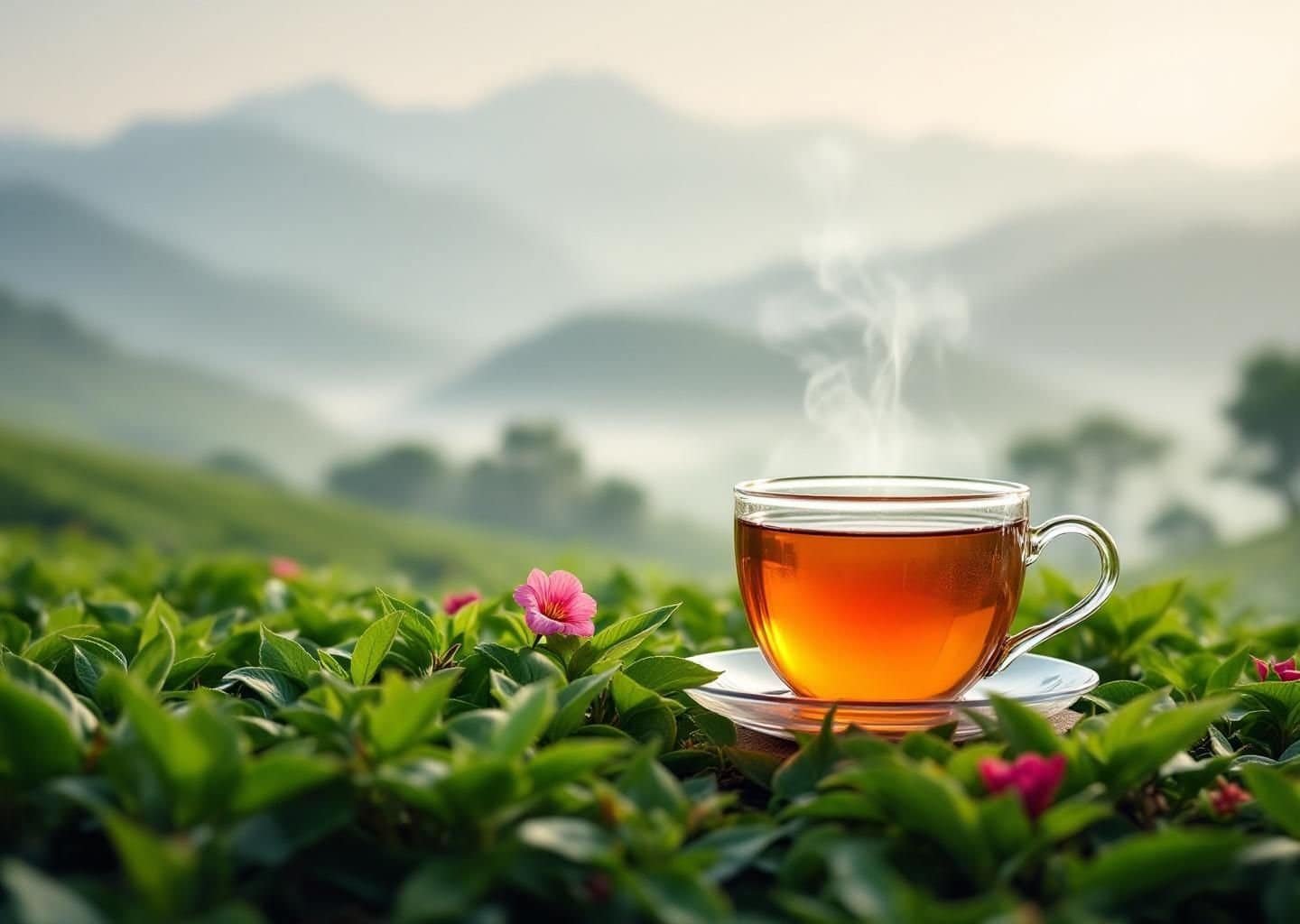
Darjeeling Tea Tours at a Glance: Darjeeling, India’s most celebrated tea region, is home to 80+ estates producing the world-famous “Champagne of Teas.” Visitors can tour estates like Glenburn, Makaibari, and Castleton, participate in tastings of first and second flush teas, and stay in colonial-era bungalows surrounded by Himalayan tea gardens. Best visited March–May or September–November. Fly into Bagdogra Airport, then take a 3-hour taxi or the UNESCO-listed Darjeeling Himalayan Railway (Toy Train) to reach the region.
Quick Summary: Darjeeling, India’s premier tea region, offers immersive tea tours across 80+ estates including Glenburn, Makaibari, and Castleton. Visit during March–May or September–November for first and second flush harvests. Tours include factory visits, tastings, and tea ceremonies, with estate stays from INR 8,000/night.
Quick Facts Box
- Country: India
- Region: Darjeeling
- Best Time to Visit: March to May and September to November
- Currency: Indian Rupee (INR)
- Language: Nepali, Bengali, Hindi, English
- Visa Requirements: Tourist visa required for most nationalities
Introduction with Destination Overview
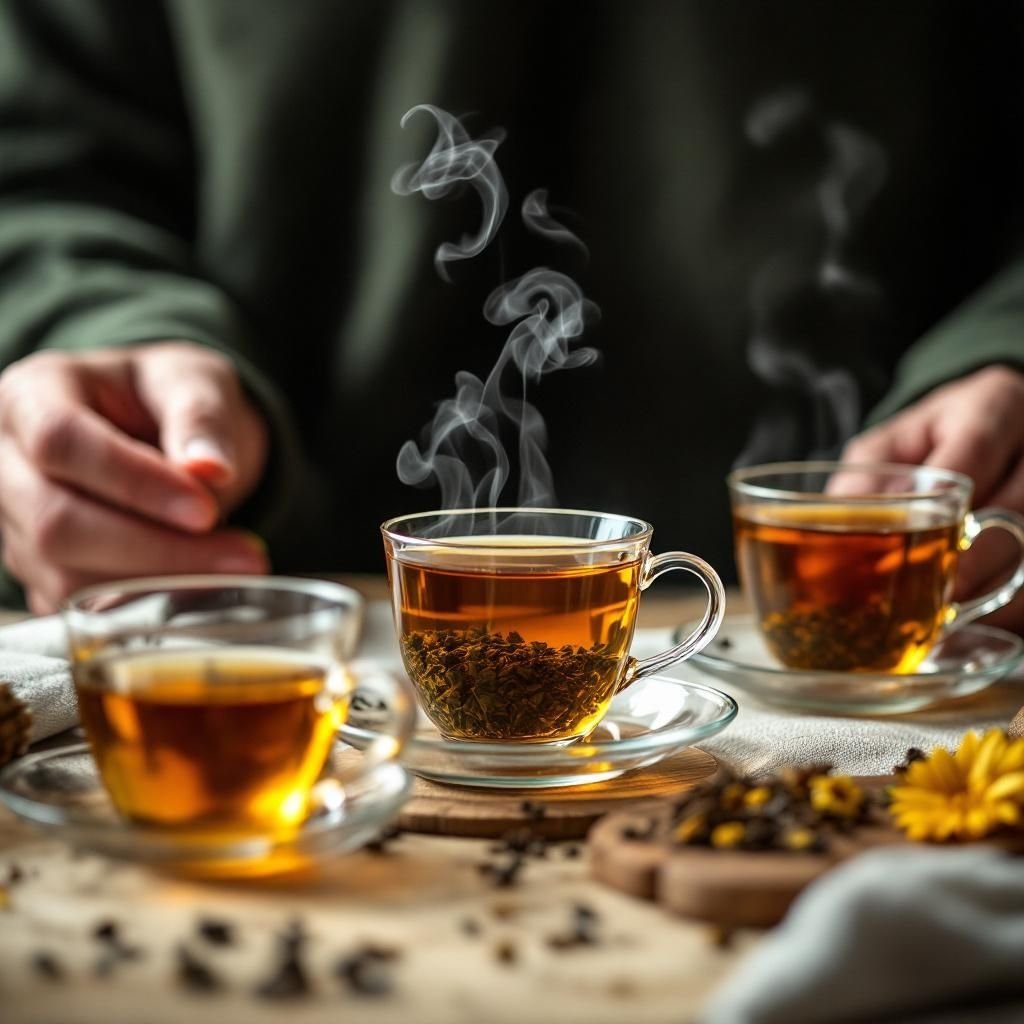
Set in the foothills of the Himalayas, Darjeeling is renowned worldwide for its scenic beauty and its exquisite tea. Often referred to as the “Champagne of Teas,” Darjeeling tea is distinguished by its floral aroma and unique muscatel flavor. The region’s tea estates reflect its deep colonial history and the artisanal craft of tea-making, attracting tea enthusiasts from across the globe. Whatever your level of tea knowledge, a Darjeeling tea tour offers an immersive experience into the world of tea.
Best Tea Regions
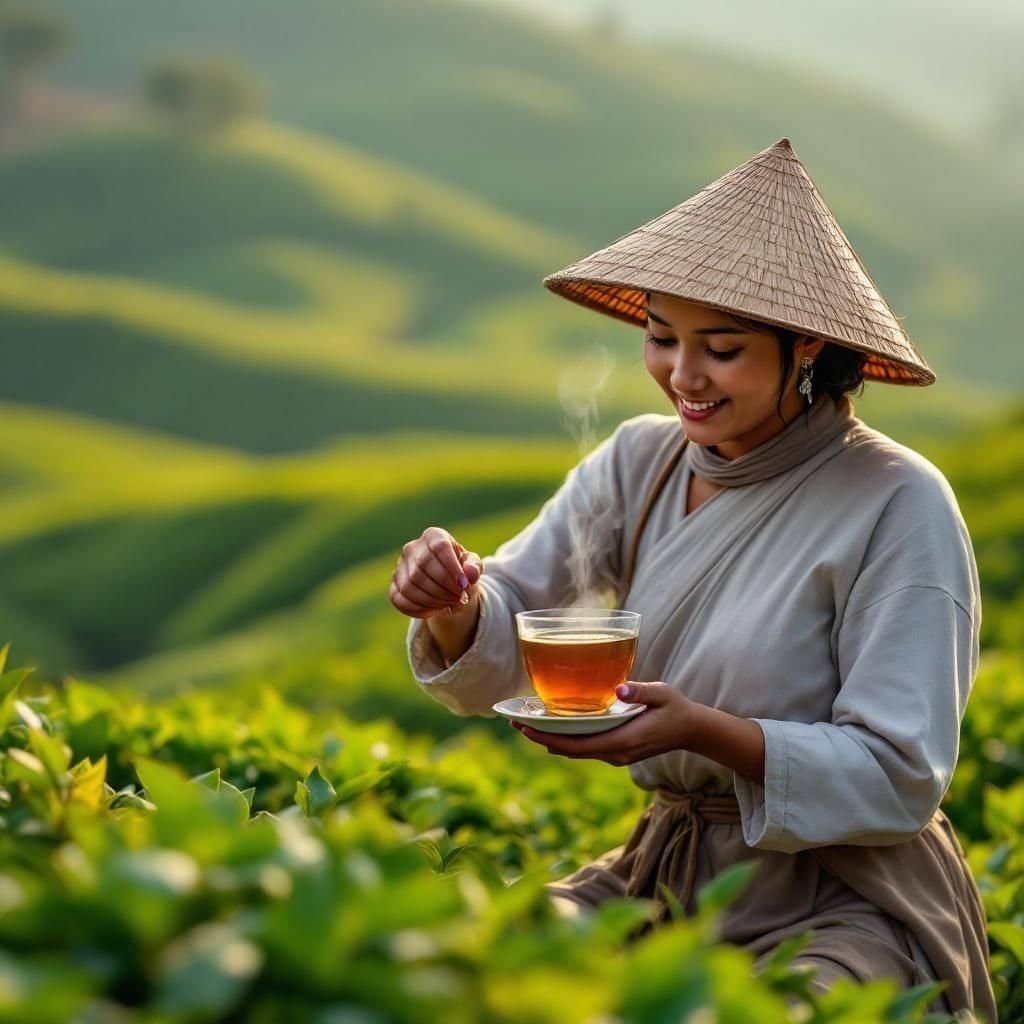
Darjeeling has over 80 tea estates, each with its own character and charm. Among the most notable is the Glenburn Tea Estate, established in 1859, offering not only breathtaking views of the Kanchenjunga mountain range but also a deep dive into the tea production process. The Makaibari Tea Estate, one of the oldest in Darjeeling, is known for its biodynamic farming practices and rich, full-bodied teas. Another must-visit is the Castleton Tea Estate, famous for its premium first and second flush teas, characterized by their bright, brisk flavors.
Types of Tea Produced
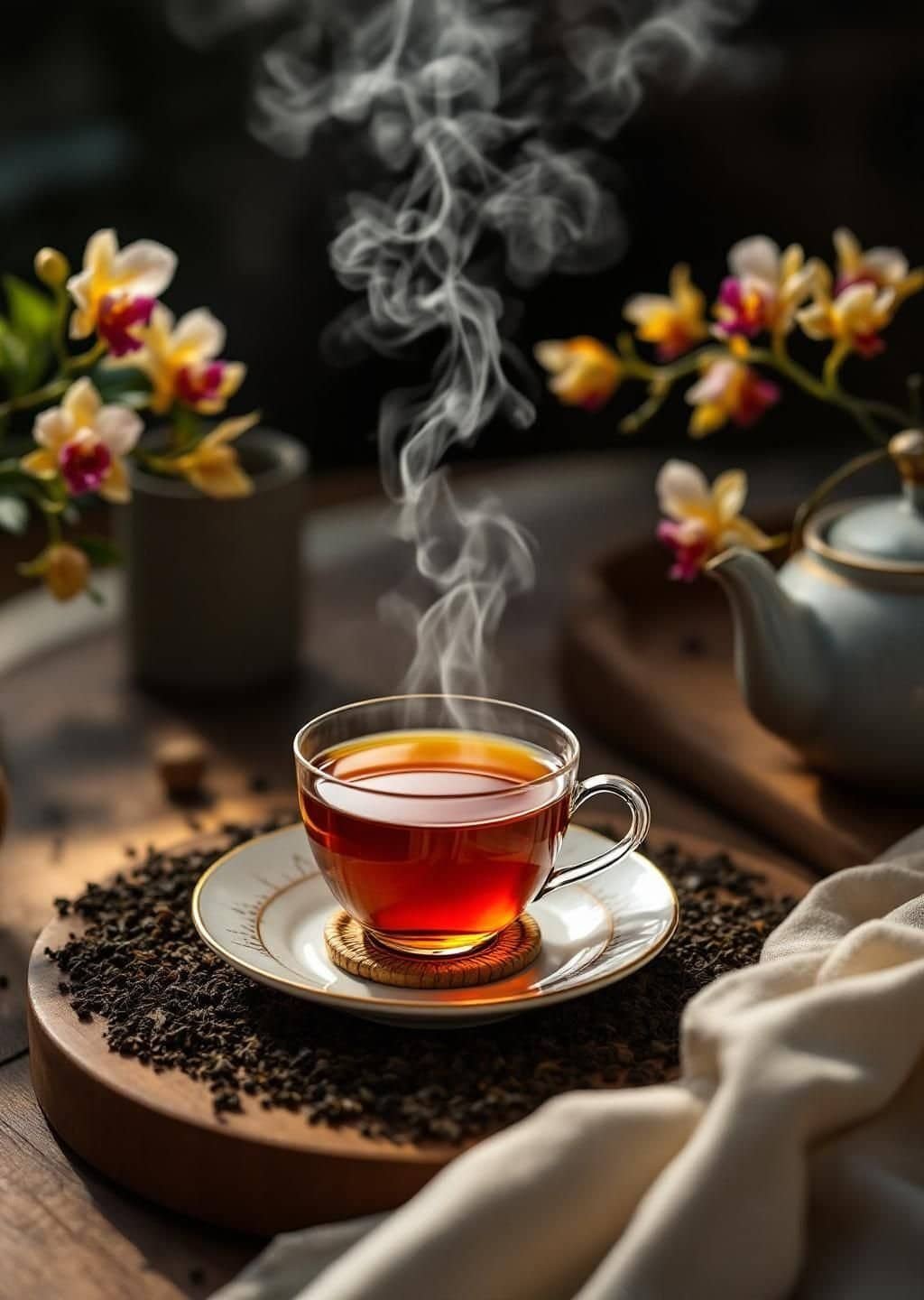
Darjeeling tea is primarily produced in four distinct flushes, each yielding a unique flavor profile. The first flush, harvested in early spring, is light, floral, and possesses a mild astringency. The second flush, known for its muscatel notes, is a favorite among tea enthusiasts for its full-bodied, robust character. The monsoon flush, often used in blends, offers a stronger, more astringent flavor, while the autumn flush produces a well-rounded, mellow tea. Tasting Darjeeling tea is akin to sampling fine wine, with each cup telling a story of the region’s terroir and craftsmanship.
Tea Tourism Experiences
A visit to Darjeeling would be incomplete without indulging in its tea tourism offerings. Many estates provide guided tours, allowing visitors to witness the intricate process of tea production—from plucking the delicate leaves to the artful crafting of the final product. Tasting sessions are a highlight, offering insights into the nuances of different flushes and brews. Additionally, some estates, like Glenburn, offer tea ceremonies that blend cultural traditions with a sensory exploration of tea, providing a holistic experience that goes beyond mere tasting.
Best Time to Visit
The ideal time to embark on a Darjeeling tea tour is during the spring (March to May) and autumn (September to November) seasons. These periods coincide with the first and second flush harvests, ensuring that visitors experience the freshest and most flavorful teas. The weather is also pleasant, with clear skies and moderate temperatures, perfect for exploring the lush tea gardens and enjoying the panoramic views of the Himalayas.
How to Get There
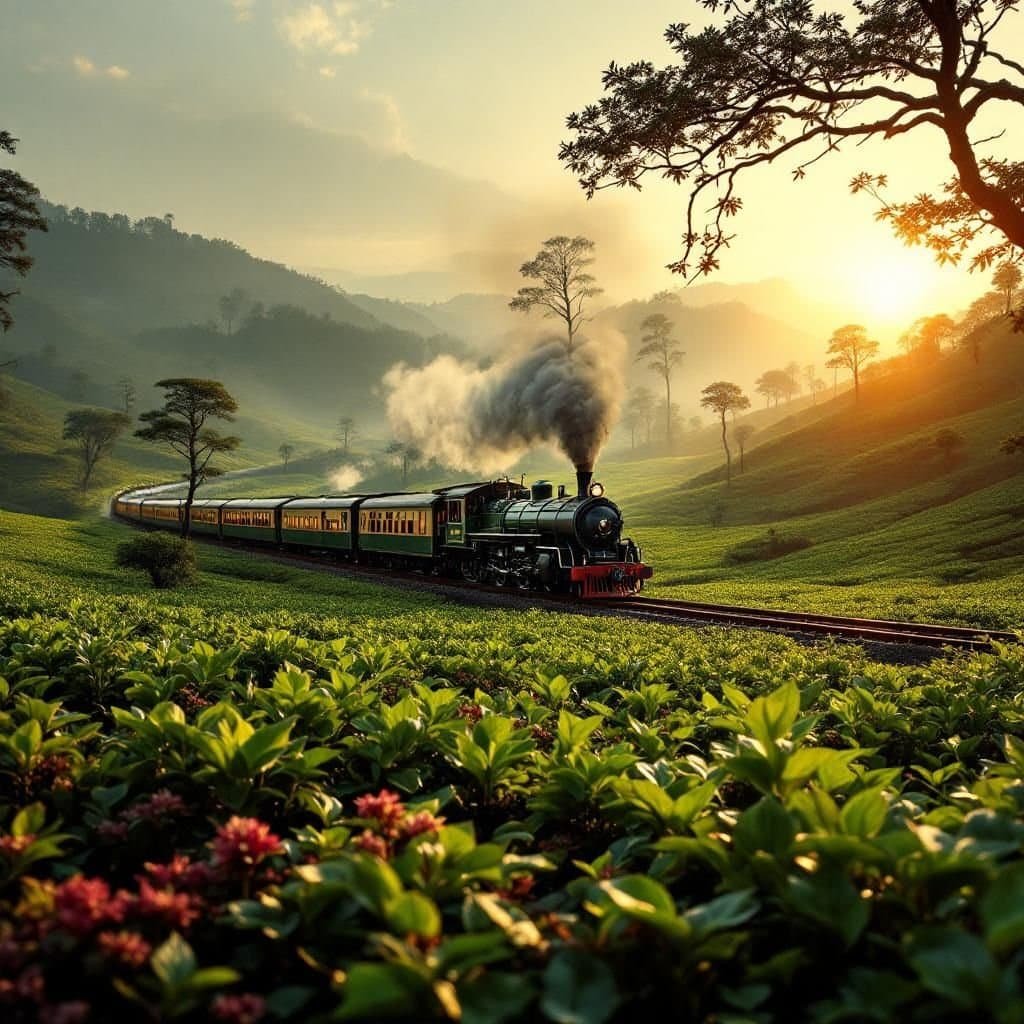
Reaching Darjeeling involves a scenic journey through the mountains. The nearest airport is Bagdogra, approximately 70 kilometers away, with regular flights from major Indian cities like Kolkata and Delhi. From Bagdogra, travelers can hire a taxi or take a shared jeep to Darjeeling, a journey that takes about 3 hours. Alternatively, the Darjeeling Himalayan Railway, a UNESCO World Heritage site, offers a charming and leisurely train ride from New Jalpaiguri to Darjeeling, providing a unique way to experience the region’s breathtaking landscapes.
Where to Stay
Accommodation options in Darjeeling range from budget-friendly guesthouses to luxurious heritage hotels. For an authentic experience, consider staying at a tea estate like Glenburn, where you can enjoy the comforts of colonial-style bungalows amidst the tea gardens. The Elgin Hotel, a former royal palace, offers luxury and history, with its elegant interiors and stunning views. For budget travelers, Zuko Hotel provides comfortable accommodations with modern amenities and easy access to the town center.
Costs and Budgeting
Darjeeling can be explored on a range of budgets. Daily expenses, including meals, accommodation, and local transportation, can range from INR 1,500 for budget travelers to INR 10,000 for those seeking luxury. Tea tours and tastings are often included in the accommodation packages at estate stays, but prices can vary if booked separately. It’s advisable to book tours directly through the estates or reputable travel agencies to ensure a quality experience.
Sample Itineraries
3-Day Itinerary
- Day 1: Arrive in Darjeeling, visit the local market and enjoy a traditional Nepali meal.
- Day 2: Tour Glenburn Tea Estate, participate in a morning tea tasting, and enjoy an afternoon hike.
- Day 3: Explore the town, visit the Himalayan Mountaineering Institute and the Tibetan Refugee Self Help Center.
5-Day Itinerary
- Day 1-2: Follow the 3-day itinerary.
- Day 3: Visit Makaibari Tea Estate and experience a traditional tea ceremony.
- Day 4: Take the Darjeeling Himalayan Railway to the town of Ghum, visit the Ghum Monastery.
- Day 5: Spend a day at leisure, exploring local cafes and shopping for tea souvenirs.
7-Day Itinerary
- Day 1-5: Follow the 5-day itinerary.
- Day 6: Visit the Singalila National Park for a day trek and picnic.
- Day 7: Relax with a spa day at a luxury hotel before departure.
Plan Your Darjeeling Tea Journey
From misty first-flush mornings to muscatel second-flush afternoons, Darjeeling offers the world’s most celebrated tea experiences. Explore our complete collection of tea travel guides.
Related Guides
- Exploring Assam: A Tea Lover’s Paradise
- Nilgiri Tea Tasting Adventures
- Sikkim Tea Retreats: Serenity and Flavor
- Travel From Kolkata to Darjeeling: A Scenic Journey
- The Himalayan Tea Trails: A Trekker’s Guide
What Makes Darjeeling Tea Unique
Darjeeling tea’s extraordinary reputation stems from a combination of geography, climate, and cultivar that cannot be replicated anywhere else on earth. The tea gardens sit at elevations between 600 and 2,000 meters in the foothills of the Himalayas, where cool temperatures, frequent mist, and well-drained slopes create the perfect conditions for slow leaf growth — the key to Darjeeling’s complex flavor development.
The dominant cultivar is the China jat (Chinese variety of Camellia sinensis), which produces smaller, more delicate leaves than the Assam variety. This cultivar, combined with the unique terroir of the Darjeeling hills, creates the famous muscatel character — a distinctive grape-like, wine-like quality found only in Darjeeling’s second flush teas.
Darjeeling tea holds a Geographical Indication (GI) tag, meaning only tea grown in the Darjeeling district of West Bengal can legally be called “Darjeeling tea.” Look for the Darjeeling logo (a tea cup with a woman picking tea) on packaging to ensure authenticity.
Top Tea Estates to Visit
While Darjeeling has over 80 estates, these stand out for their visitor experiences:
- Glenburn Tea Estate — Established 1859. Offers luxury estate stays, guided garden walks, factory tours, and multi-course tea tastings. One of the most immersive experiences in Darjeeling.
- Makaibari Tea Estate — One of the oldest estates (1859), known for biodynamic and organic farming. Offers homestays with local families, factory tours, and the chance to pick tea alongside workers.
- Castleton Tea Estate — Famous for producing some of the world’s most expensive second flush teas. Limited visitor access but worth arranging in advance.
- Happy Valley Tea Estate — Located just 3km from Darjeeling town, making it the most accessible estate for day visitors. Free factory tours available during harvest season.
- Namring Tea Estate — Offers guided tours and a charming tea house with panoramic views of the Kanchenjunga range.
Practical Tips for Tea Tourists
A few insider tips to make the most of your Darjeeling tea journey:
- Book estate tours in advance: During peak season (March–May), popular estates fill up quickly. Email or call directly at least 2–4 weeks ahead.
- Hire a local guide: A knowledgeable local guide can unlock access to smaller estates and provide context that transforms a factory visit into a genuine cultural experience.
- Buy tea at the source: Estate-direct purchases guarantee freshness and authenticity. Prices are often lower than in Darjeeling town shops, and you can taste before buying.
- Carry cash: Many estates and smaller shops don’t accept cards. ATMs are available in Darjeeling town but can be unreliable.
- Dress in layers: Darjeeling’s mountain weather changes rapidly. Even in summer, mornings and evenings can be cool, especially at higher elevations.
- Altitude awareness: Darjeeling sits at approximately 2,042 meters. If you’re coming from sea level, allow a day to acclimatize before strenuous activities.
Frequently Asked Questions
What is the best time to visit Darjeeling for a tea tour?
The best time to visit Darjeeling for a tea tour is during the first flush season (March to May) and the second flush season (May to June). Spring visits let you witness the delicate first flush harvest, while autumn brings the prized muscatel second flush. Both seasons offer pleasant weather and the freshest teas.
How can I book a tea tour in Darjeeling?
Tea tours in Darjeeling can be booked directly through individual tea estates (Glenburn, Makaibari, and Castleton all offer tours), via reputable travel agencies specializing in Darjeeling, or through your hotel concierge. Estate stays often include guided tours and tastings in the package price. Book at least 2–4 weeks in advance during peak season (March–May).
How much does a Darjeeling tea tour cost?
Darjeeling tea tour costs vary widely. Basic factory tours at individual estates are often free or cost INR 100–500 per person. Guided tasting sessions range from INR 500–2,000 per person. Full-day tea estate experiences with lunch cost INR 2,000–5,000. Estate stays (like Glenburn) that include tours and tastings range from INR 8,000–25,000 per night for two people.
What is the difference between first flush and second flush Darjeeling tea?
First flush Darjeeling (March–April) is light, floral, and delicately astringent — often described as the “champagne” of teas. Second flush (May–June) is fuller-bodied with the famous muscatel character: a rich, fruity, wine-like flavor prized by connoisseurs worldwide. First flush is more delicate; second flush is more complex and robust.
Are there other activities to do in Darjeeling besides tea tours?
Yes, Darjeeling offers many activities beyond tea tours: ride the UNESCO-listed Darjeeling Himalayan Railway (Toy Train), visit Tiger Hill for sunrise views of Kanchenjunga, explore the Himalayan Mountaineering Institute, trek in Singalila National Park, visit the Tibetan Refugee Self Help Center, and browse the vibrant Chowrasta market for local crafts and tea souvenirs.
Is it safe to travel to Darjeeling?
Yes, Darjeeling is generally safe for tourists. The town is welcoming to visitors and has a well-established tourism infrastructure. Standard travel precautions apply: keep valuables secure, use reputable transportation, and check current travel advisories before your trip. The mountain roads can be challenging, so hire experienced local drivers for estate visits.
yes