

Why Rooibos Only Grows Here
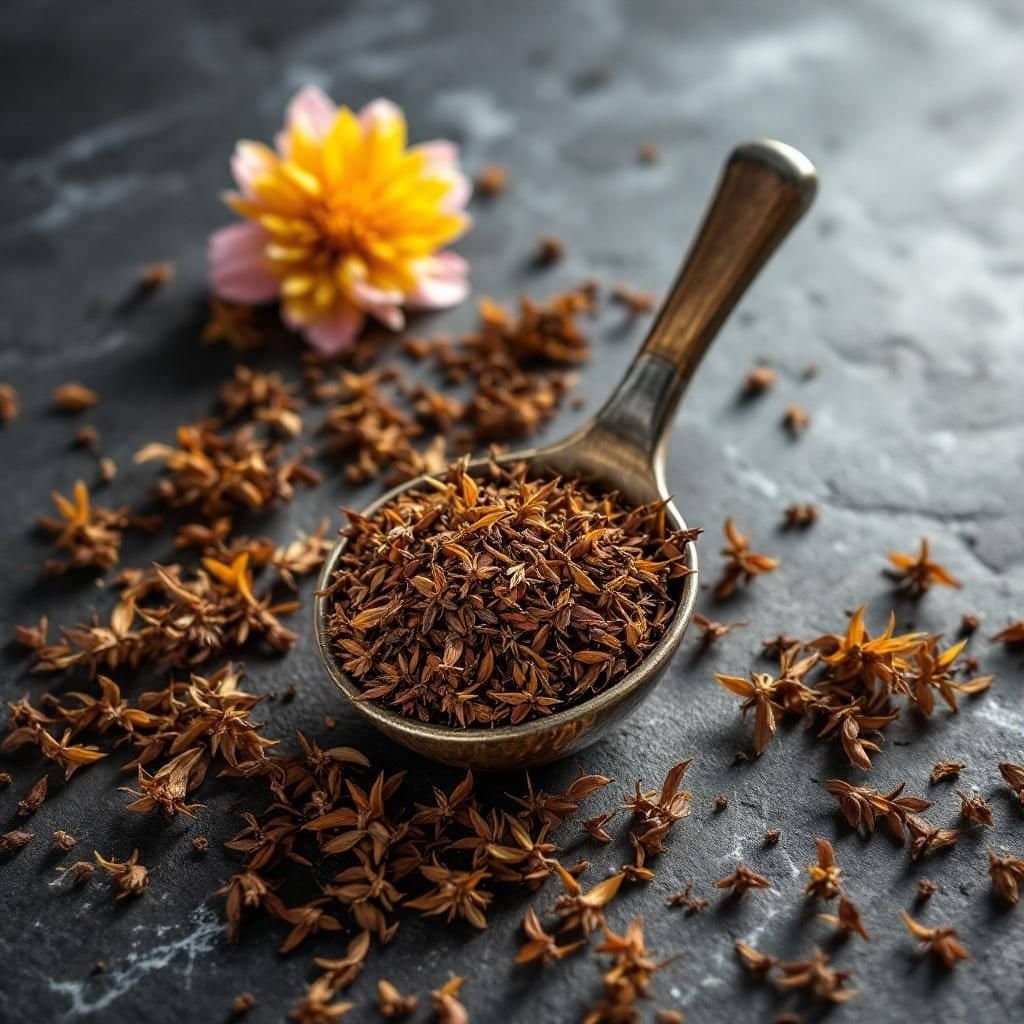
The Cederberg region in South Africa is the only place in the world where Rooibos, a unique herbal tea, naturally flourishes. This is largely due to its specific climate conditions, soil composition, and altitude. Rooibos, scientifically known as Aspalathus linearis, thrives in the sandy soils and the Mediterranean climate of the Cederberg mountains, which offer the ideal environment for its growth.
The region experiences hot, dry summers and cold, wet winters, which are essential for the Rooibos plant’s growth cycle. Additionally, the region’s altitude, ranging from 450 to 900 meters above sea level, ensures the plant receives the right amount of sunlight and rainfall. These environmental factors create the perfect conditions that are difficult to replicate elsewhere, making the Cederberg the exclusive home of Rooibos.
Preservation of this unique biome is critical, as Rooibos farming is deeply intertwined with the local ecosystem. Discover more about tea’s wellness benefits at our guide to tea wellness retreats. Efforts are ongoing to maintain sustainable farming practices to protect the flora and fauna of the Cederberg area, ensuring that Rooibos continues to grow in its natural habitat.
Top Rooibos Farms to Visit

Visitors to the Cederberg region are spoilt for choice with several top Rooibos farms offering immersive tours. These farms not only provide insights into the cultivation and production of Rooibos but also offer breathtaking views of the surrounding landscapes.
- Skimmelberg Farm: Known for its sustainable farming practices, Skimmelberg offers guided tours where visitors can learn about the intricate process of growing, harvesting, and processing Rooibos. The farm also features a small shop where you can purchase a variety of Rooibos products.
- Wupperthal Cooperative: This community-driven initiative provides a unique perspective on Rooibos farming. The cooperative focuses on empowering local farmers and offers tours that highlight the traditional methods of Rooibos production.
- Carmien Tea: Offering a family-friendly experience, Carmien Tea provides detailed tours of their Rooibos fields. Visitors can enjoy tastings and learn about the health benefits of Rooibos, all while surrounded by the stunning Cederberg landscape.
Each farm provides a unique experience, allowing visitors to gain a deeper appreciation for this remarkable plant and the people who cultivate it.
What to Expect on a Farm Tour
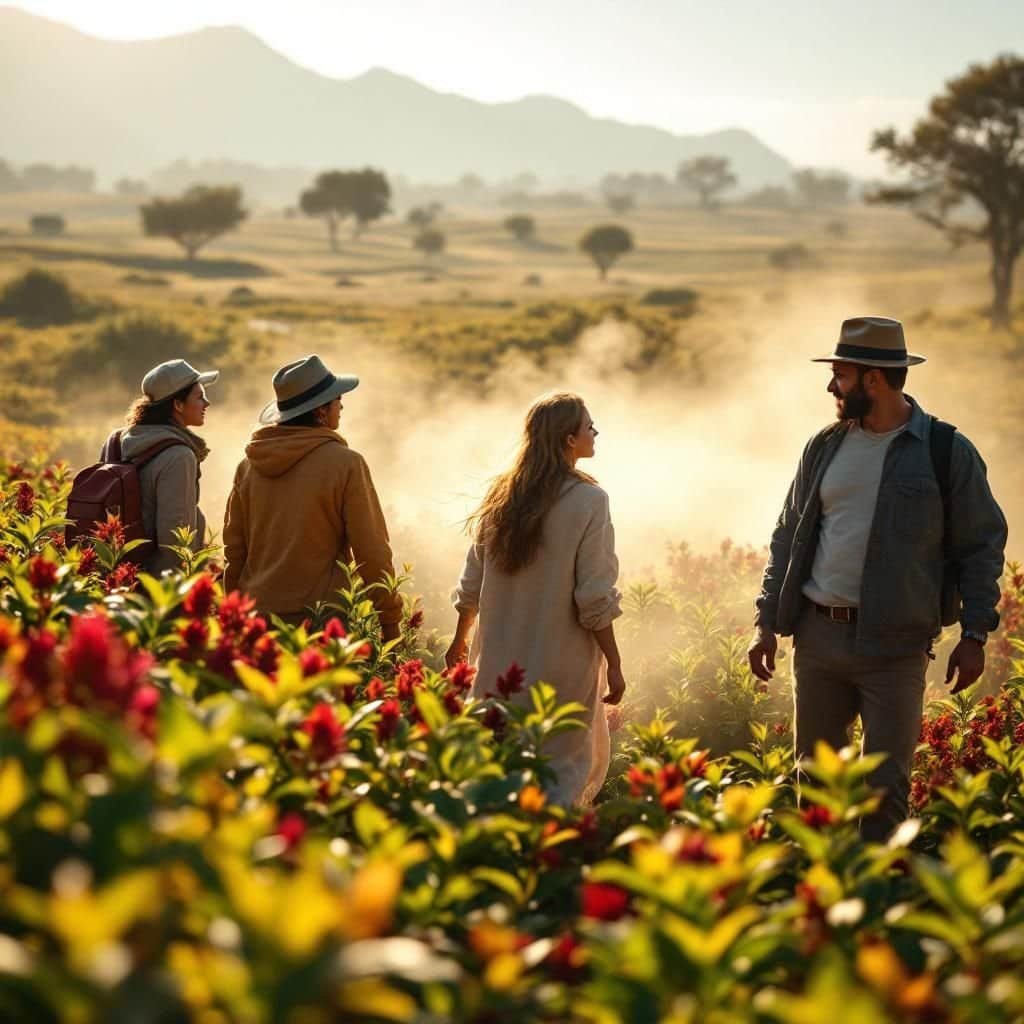
Embarking on a Rooibos farm tour in the Cederberg is an educational and sensory-rich experience. Tours typically begin with a walk through the Rooibos fields, where guides explain the plant’s growth cycle and the sustainable farming practices employed to ensure high-quality harvests.
Visitors are then taken through the drying and processing facilities. Here, the freshly harvested Rooibos undergoes fermentation and drying, transforming from green to its characteristic red color. This is a crucial step that develops the tea’s unique flavor profile.
Tastings are often included, allowing visitors to sample different Rooibos blends and infusions. Before your visit, learn about Rooibos tea side effects and health benefits. This part of the tour is particularly enlightening as guides explain the subtle flavor differences between the various types of Rooibos and how factors such as soil and climate influence these flavors.
Many tours also offer interactive workshops where visitors can create their own Rooibos blends, adding a personal touch to their experience. These tours are a must for tea enthusiasts seeking to understand the full journey of Rooibos from plant to cup.
Best Time to Visit

The ideal time to visit the Cederberg region for a Rooibos tour is during the spring and fall months, from September to April. During these periods, the weather is most favorable for outdoor activities, with milder temperatures and less rainfall compared to the peak summer or winter months.
Springtime in the Cederberg is particularly beautiful, as the region comes alive with wildflowers, offering an added visual treat to your tea tour. Additionally, the Rooibos harvest season runs from January to April, providing visitors the opportunity to witness the harvesting process firsthand.
Travelers can also plan their visits around local festivals and events, such as the annual Rooibos Heritage Day in January, which celebrates the long history and cultural significance of Rooibos in South Africa.
How to Get There
Reaching the Cederberg region from Cape Town is straightforward, making it a convenient destination for those embarking on a Rooibos tour. The region is approximately 200 kilometers north of Cape Town, and the journey can be completed in about three hours by car.
The most common route is via the N7 highway, which offers scenic views of the Western Cape’s diverse landscapes. For those without access to a car, several tour operators in Cape Town offer organized excursions to the Cederberg, providing hassle-free transportation and guided experiences.
Public transport options are limited, so hiring a car or joining a tour group are recommended for the most flexible and enjoyable experience. Once in the Cederberg, local transport options such as bicycles or guided walks are ideal for exploring the farms and surrounding areas.
Where to Stay
Accommodation options in the Cederberg region range from budget-friendly campsites to luxurious lodges, catering to a variety of preferences and budgets. For a truly immersive experience, consider staying on a Rooibos farm itself.
- Mount Ceder Lodge: Offers comfortable stone cottages set in the mountains, providing a peaceful retreat with easy access to nearby Rooibos farms.
- Cederberg Ridge Wilderness Lodge: A luxury option that offers stunning views of the Cederberg mountains along with guided tours and outdoor activities.
- Sanddrif Holiday Resort: Perfect for those seeking a more rustic experience, with camping and self-catering accommodations available close to nature.
Many of these accommodations offer packages that include Rooibos farm tours, providing a seamless experience for visitors.
Costs and Budgeting
The cost of a Rooibos farm tour in the Cederberg can vary depending on the type of experience and the farm. On average, tours range from ZAR 100 to ZAR 300 per person, with some farms offering special rates for groups or families.
Accommodation costs vary widely, from budget-friendly campsites at around ZAR 200 per night to luxury lodges costing upwards of ZAR 3,000 per night. Meals, additional activities, and transport should also be factored into your budget. On average, a daily budget of ZAR 1,500 to ZAR 3,000 should cover basic expenses including food, accommodation, and tours.
Booking tours and accommodations in advance is recommended, especially during peak tourist seasons, to ensure availability and potentially secure better rates.
Sample Itineraries
For those planning their visit to the Cederberg region, here are sample itineraries to help you make the most of your Rooibos tour experience. You can also follow our Rooibos Route 3-day itinerary for a structured tea country journey:
3-Day Itinerary
- Day 1: Arrive in the Cederberg and settle into your accommodation. Enjoy a local dinner and prepare for the days ahead.
- Day 2: Spend the day at Skimmelberg Farm, enjoying a full tour and Rooibos tasting. In the evening, relax at your lodge and enjoy the stunning sunset views.
- Day 3: Visit the Wupperthal Cooperative for a half-day tour, then explore nearby hiking trails or relax by the pool before heading back to Cape Town.
5-Day Itinerary
- Day 1-2: Follow the 3-day itinerary, with an additional day for exploring the Cederberg’s natural attractions such as the Wolfberg Cracks and Stadsaal Caves.
- Day 3: Visit Carmien Tea for a family-friendly farm tour and workshop. Enjoy an afternoon picnic by the river.
- Day 4: Take a day trip to Clanwilliam, known for its Rooibos Heritage Center. Discover the history of Rooibos and enjoy local art and crafts.
- Day 5: Relax at your lodge, indulge in a spa treatment, or explore more hiking trails before returning to Cape Town.
7-Day Itinerary
- Day 1-3: Follow the 5-day itinerary, leaving ample time for relaxation and enjoying the local cuisine.
- Day 4: Participate in a Rooibos blending workshop at a local farm, creating your own unique tea blend to take home.
- Day 5: Explore the Cederberg’s rock art sites, learning about the region’s rich cultural history.
- Day 6: Spend a day at Cederberg Ridge Wilderness Lodge, taking advantage of guided nature walks and bird watching.
- Day 7: Enjoy a final Rooibos tasting experience before departing for Cape Town.
Related Guides
- The History of Rooibos Tea
- Tea Tours in South Africa
- Guide to Tea Tasting
- Day Trips from Cape Town
- Sustainable Tea Farming Practices
Frequently Asked Questions
Why does Rooibos only grow in the Cederberg?
Rooibos requires specific soil, climate, and altitude conditions found only in the Cederberg region, making it unique to this area.
How long is a typical Rooibos farm tour?
Tours can range from 1 to 3 hours, depending on the farm and the activities included, such as tastings and workshops.
Can I purchase Rooibos directly from the farms?
Yes, most farms have on-site shops where you can buy fresh Rooibos products and blends.
Are there any other attractions near the Rooibos farms?
The Cederberg is rich in natural beauty with hiking trails, rock art sites, and scenic landscapes to explore.
Is it necessary to book a Rooibos farm tour in advance?
It is recommended to book in advance, especially during peak seasons, to ensure availability and secure your spot.

yes
