
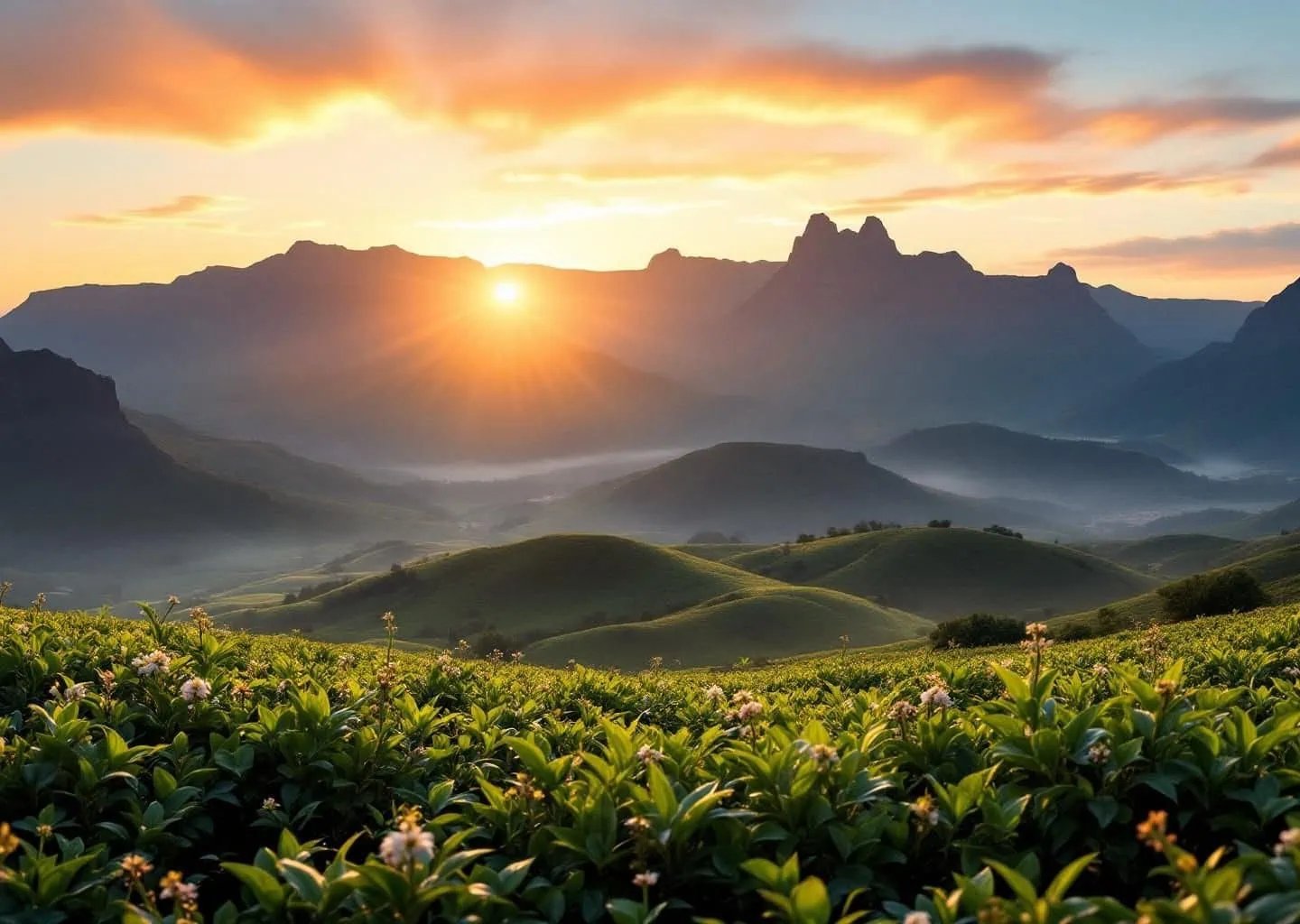
Summary: The Rooibos Route is a 3-day South African tea country itinerary through the Cederberg mountains, the world’s only commercial rooibos-growing region. Drive from Cape Town to Clanwilliam, tour working farms, sleep among the tea fields, and explore ancient San rock art before returning.
Table of Contents
The Cederberg mountains, two hours north of Cape Town, are the only place on Earth where rooibos (Aspalathus linearis) grows commercially — a quirk of geology, climate, and 300 years of farming knowledge. A long weekend on the Rooibos Route lets you see the plant from harvest to cup, sleep on working farms, and explore the same red-sand landscapes used as a backdrop in every glossy South African travel magazine. This three-day itinerary covers what to book, where to sleep, and how to pace it.
Where Is the Rooibos Route?
The Rooibos Route is a loosely defined trail of farms, cooperatives, and tasting rooms across the Cederberg Wilderness Area and Sandveld plains of South Africa’s Western Cape, centred on the town of Clanwilliam (about 220 km / 2.5 hours from Cape Town along the N7). Roughly 300 commercial rooibos farms operate within a 100 km radius, and most welcome visitors by appointment.
Day 1: Cape Town to Clanwilliam
Leave Cape Town early — the N7 is straightforward but you’ll want time at the stops:
- 9:00 AM: Depart Cape Town via the N7 north.
- 10:30 AM: Coffee stop at Piketberg’s Eve’s Eatery (last reliable espresso before Clanwilliam).
- 12:30 PM: Arrive Clanwilliam. Lunch at Nancy’s Tea Room (sandwiches, generous tasting flights, the town’s social hub).
- 2:00 PM: Visit the Rooibos Heritage Route Information Centre for context — a free orientation exhibit explaining the plant’s biology, the Khoisan harvest origins, and the modern industry.
- 3:30 PM: Check into your farm stay (see lodging section below).
- 5:00 PM: Sundowner on the porch with the farm’s own rooibos served chilled and unsweetened — the local way.
Day 2: Farm Tours and Harvest
Build the second day around two contrasting farm visits — one large commercial operation, one small-batch artisan producer.
- 8:00 AM: Farm breakfast (rooibos-cured pork sausage is a regional speciality).
- 9:30 AM: Rooibos Ltd’s Clanwilliam processing facility — the largest cooperative, with a public tour covering cutting, bruising, fermentation, and drying. Free; book online.
- 12:00 PM: Lunch at Reinhold’s Estate, paired with their single-origin rooibos and honeybush flights.
- 2:00 PM: Elandsberg Eco Estate for a small-batch, organic-certified tour. Walk the harvest fields, see the shade-drying tables, and try unfermented “green” rooibos straight from the plant.
- 5:00 PM: Return for an early dinner at the Clanwilliam Hotel’s restaurant.
If your visit falls between December and April, you can join an active harvest. The cut bushes are bundled, bruised, fermented in heaps, and laid out on outdoor courts to oxidise — it’s one of the most visually striking processing methods in the tea world (rooibos isn’t true tea, but the workflow rhymes).
Day 3: Rock Art, Wildflowers, and Cape Town
- 8:30 AM: Drive 30 minutes to the Sevilla Rock Art Trail on Travellers Rest farm — nine San rock art sites along a single moderate hike (about 5 km round trip).
- 11:30 AM: Drive south to Citrusdal for one final tasting at Carmién Tea, a higher-end producer known for blends and single-estate rooibos.
- 1:00 PM: Lunch in Citrusdal en route south.
- 5:00 PM: Back in Cape Town.
If you can extend by half a day, the Biedouw Valley wildflowers (August–September) are worth the detour. The entire valley turns into a carpet of orange, purple, and white annuals — one of South Africa’s two great flower events.
Where to Stay on the Rooibos Route
- Bushmans Kloof Wilderness Reserve (luxury): A Relais & Châteaux lodge with daily rooibos high tea, private rock art tours, and a spa using rooibos-based treatments.
- Travellers Rest (mid-range): Working farm with the Sevilla rock art trail on the property. Cottages from roughly R1,500/night.
- Clanwilliam Hotel (budget): Renovated heritage hotel in town. Easy walking access to the heritage centre and Nancy’s Tea Room.
When to Go
- December–April: Harvest season. Hot, dry, dusty. The most active farm visits but full sun by 10 AM.
- August–September: Wildflower season. Cooler weather and the best landscape photography.
- May–July: Quiet winter. Some farms close partially; tastings still available.
What to Pack
The Cederberg is a high-altitude semi-desert. Days are 25–35°C during harvest; nights can drop below 10°C. Pack layered clothing, closed shoes for farm walks (rooibos is shrubby and the cut stems are sharp), high-SPF sunscreen, a wide-brim hat, and a 1-litre water bottle. If you’re driving, a basic 4×4 isn’t required for the main route but helps for the rougher rock art roads.
Start Planning Your South Africa Tea Trip
Looking for more tea travel inspiration? Explore our South Africa destination guides or browse tea travel itineraries from around the world.
Frequently Asked Questions
How many days do I need for the Rooibos Route?
Three days is the sweet spot — one day for the drive up and orientation, one full day on farm visits, one day for rock art and the return. Two days is possible but you’ll cut one major experience. A week lets you add the Biedouw Valley and a deeper Cederberg hike.
Is the Rooibos Route doable as a day trip from Cape Town?
Technically yes — the drive is about 2.5 hours each way — but you’ll arrive at the hottest part of the day, miss the morning farm activity, and have time for only one tasting before turning around. An overnight stay is strongly recommended.
What’s the difference between red rooibos and green rooibos?
Red rooibos is fermented (oxidised) — the cut leaves are bruised, heaped, and left to react with air for several hours, which turns them red and develops the familiar sweet, nutty flavour. Green rooibos skips the fermentation step; the leaves are dried immediately after cutting, producing a lighter, grassier cup with higher antioxidant content.
Do I need to book farm tours in advance?
Yes for the smaller artisan farms (Elandsberg, Reinhold’s, Carmién specialty tastings). The large Rooibos Ltd tour can usually accommodate walk-ups but it’s safer to reserve a slot online, especially in peak harvest season.
Is rooibos really only grown in the Cederberg?
Yes — commercial rooibos grows nowhere else in the world. The plant is endemic to the Cederberg and adjacent Sandveld plains, and decades of attempts to cultivate it elsewhere (Australia, the United States, China) have failed because the species depends on the specific soil chemistry and winter rainfall pattern of this particular pocket of South Africa.