

Shizuoka Prefecture is Japan’s largest tea-producing region, accounting for roughly 40% of the country’s total tea output. Set between Mount Fuji and the Pacific Ocean, this scenic region produces exceptional sencha, gyokuro, and matcha — and welcomes visitors with immersive farm tours, tea-picking experiences, and cultural festivals. This guide covers everything you need to know to plan an unforgettable tea journey through Shizuoka.
Quick Answer: Shizuoka Prefecture is Japan’s largest tea-producing region, responsible for approximately 40% of the country’s tea output. Located on Honshu’s Pacific coast near Mount Fuji, it produces world-class sencha, gyokuro, and matcha. Visitors can tour tea farms, participate in tastings, and experience authentic Japanese tea culture year-round, with the best harvest season running from late April through May.
Why Shizuoka Is Japan’s Tea Heartland

Set on the Pacific coast of Honshu, Shizuoka Prefecture is renowned as Japan’s largest tea-producing region, contributing approximately 40% of the country’s total tea output. Its unique geographic location offers the perfect conditions for tea cultivation, with rich volcanic soil, abundant rainfall, and a temperate climate. The majestic presence of Mount Fuji not only provides a stunning backdrop but also contributes to the area’s microclimate, which is ideal for growing high-quality tea leaves.
The history of tea cultivation in Shizuoka dates back over 800 years when it was first introduced by monks returning from China. The region’s tea culture has since flourished, becoming an integral part of Japan’s cultural heritage. Today, tea from Shizuoka is celebrated for its vibrant color, rich aroma, and subtle flavor profiles, making it a must-visit for tea enthusiasts worldwide.
Shizuoka’s tea farms range from small, family-owned operations to large-scale plantations, each offering a unique insight into the tea production process. For tea connoisseurs and curious travelers alike, Shizuoka provides an unparalleled tea tourism experience.
Tea Farms and Tours to Visit

Shizuoka is home to numerous tea farms and plantations that welcome visitors eager to learn about tea cultivation and production. One notable destination is the Ikegaya Tea Plantation, where visitors can stroll through lush tea fields and participate in hands-on tea-picking activities. The plantation also offers guided tours that detail the intricate processes of tea production, from harvesting to processing and packaging.
Another must-visit is the Grander Tea farm, known for its organic tea cultivation methods. Here, guests can enjoy tasting sessions that highlight the diverse flavors and aromas of Shizuoka teas. The farm’s commitment to sustainable practices not only ensures high-quality tea but also contributes positively to the environment.
For those interested in more interactive experiences, the Kaneiju Tea Farm offers tea ceremony workshops and blending sessions where visitors can create their own unique tea blends. These activities provide a deeper appreciation of the art and science behind tea making.
Mount Fuji Tea Fields
The tea fields around Mount Fuji are among the most picturesque in Japan, offering breathtaking views that combine the lush green of tea plants with the iconic snow-capped peak of the mountain. These fields are not only a visual delight but also produce some of the finest teas in the region. The high altitude and rich soil contribute to the distinct flavor profile of tea grown here, characterized by a sweet, grassy aroma and a refreshing taste.
Visitors can explore the Fujicha Tea Fields, where guided tours provide insights into the unique challenges and rewards of cultivating tea in this elevated landscape. The tours often include opportunities to taste freshly brewed tea while enjoying the serene natural beauty surrounding Mount Fuji.
Photographers and nature lovers alike will find endless opportunities to capture the harmonious blend of human agriculture and natural splendor that these tea fields offer.
types of tea Produced

Shizuoka is renowned for producing a wide variety of teas, each with distinct characteristics that reflect the diverse conditions of its growing regions. The most common types of tea produced here include sencha, Fukamushicha, and Gyokuro.
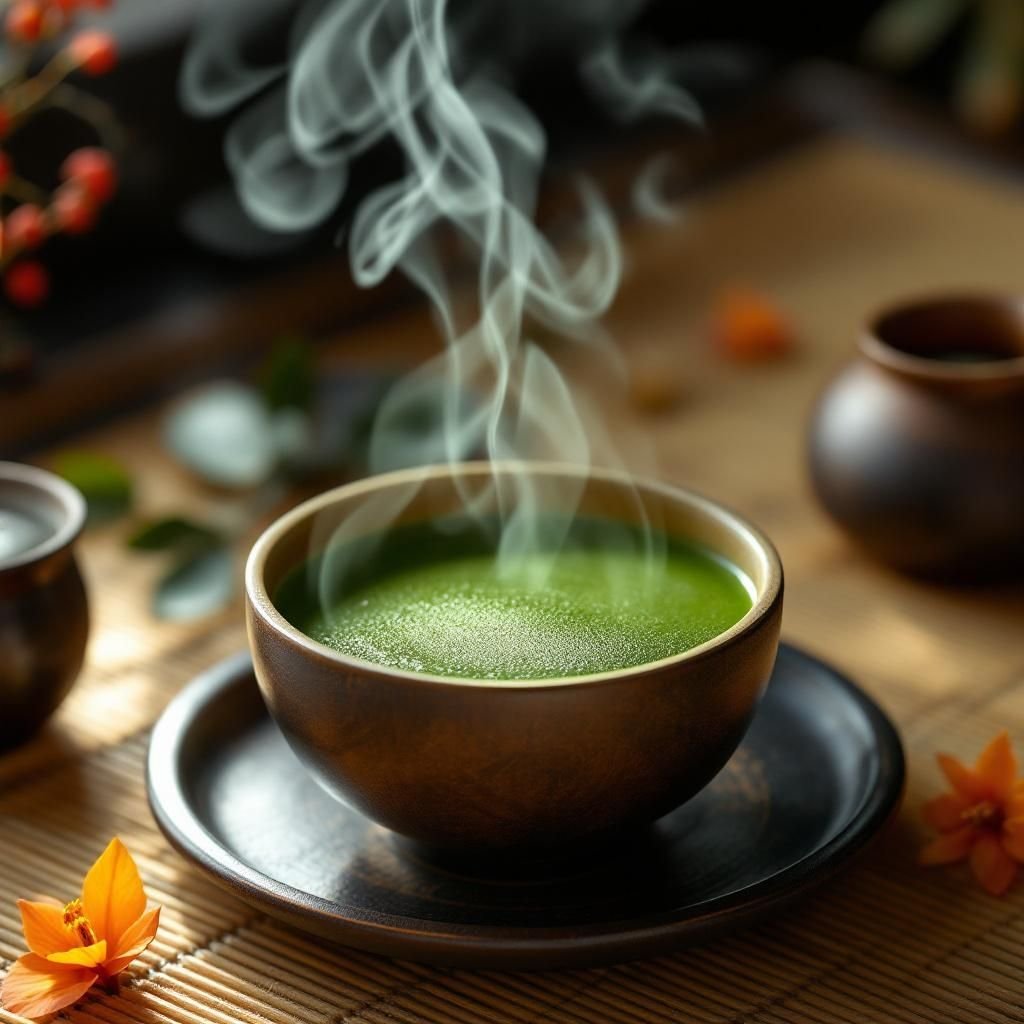
Sencha is the most popular tea variety in Shizuoka and is known for its fresh, grassy flavor and vibrant green color. It is typically steamed, rolled, and dried, resulting in a tea that is both refreshing and aromatic.
Fukamushicha, or deep-steamed tea, undergoes a longer steaming process, which breaks down the leaf structure and produces a tea with a richer, bolder flavor and a slightly cloudy appearance. This variety is particularly favored for its robust taste and smooth finish.
Gyokuro is a premium shade-grown tea, prized for its sweet, umami-rich flavor and emerald green liquor. Grown under special coverings to shield the leaves from direct sunlight, Gyokuro develops a delicate sweetness and complexity that is highly sought after by tea aficionados.
Tea Tourism Experiences
Shizuoka offers a myriad of tea tourism experiences that cater to both casual visitors and serious tea enthusiasts. From guided tours of tea plantations to immersive tea-picking activities, there is something for everyone in this tea paradise.
One popular activity is participating in traditional tea ceremonies, where visitors can learn about the customs and rituals associated with Japanese tea culture. Local tea houses, such as the Shizuoka Tea House, offer these experiences, providing a serene setting to enjoy the art of tea preparation and consumption.
For a more hands-on experience, many tea farms offer tea-picking tours where guests can don traditional attire and harvest tea leaves themselves. These tours often include a tasting session, allowing participants to savor the fruits of their labor.
Additionally, Shizuoka hosts several tea festivals throughout the year, celebrating the region’s rich tea heritage with tastings, demonstrations, and cultural performances. These events provide an excellent opportunity to immerse oneself in the vibrant tea culture of Shizuoka.
Best Time to Visit
The best time to embark on a Shizuoka tea tour is during the spring and early summer months, typically from April to June. This period coincides with the first tea harvest, known as “Ichibancha,” when the freshest and most flavorful leaves are picked.
During this time, the tea fields are lush and verdant, and the weather is mild, making it an ideal season for outdoor activities such as tea-picking and farm tours. Spring also brings the added allure of cherry blossoms, which can be viewed in various locations throughout Shizuoka, enhancing the overall travel experience.
For those interested in experiencing the region’s tea festivals, planning a visit around the annual Shizuoka Tea Festival in early May is highly recommended. This event showcases the best of Shizuoka’s tea offerings and provides a festive atmosphere for both locals and visitors alike.
How to Get There
Getting to Shizuoka is relatively straightforward, with several transportation options available for travelers. The region is well-connected by rail, with the Tokaido Shinkansen bullet train providing quick and efficient service from major cities such as Tokyo and Osaka. The journey from Tokyo to Shizuoka takes approximately one hour, making it an ideal day trip or weekend getaway.
For those flying into Japan, Shizuoka is accessible via the Mt. Fuji Shizuoka Airport, which offers domestic flights from major Japanese cities as well as some international routes. From the airport, travelers can reach central Shizuoka by bus or train within an hour.
Once in Shizuoka, local transportation options include trains, buses, and rental cars, allowing visitors to explore the tea fields and plantations at their own pace.
Where to Stay
Shizuoka offers a range of accommodation options to suit every budget and preference, from traditional ryokans to modern hotels. For a truly immersive experience, consider staying at a tea farm or plantation that offers lodging, such as the Oishii-en Tea Farm. These accommodations provide a unique opportunity to live among the tea fields and participate in daily farm activities.
For those seeking a more luxurious stay, the Nippondaira Hotel offers stunning views of Mount Fuji and the surrounding tea landscapes. The hotel features elegant rooms, fine dining options, and an on-site spa, making it an ideal choice for travelers looking to relax and unwind.
Budget-conscious travelers will find numerous hostels and guesthouses throughout the region, offering comfortable and affordable lodging options. Many of these establishments are conveniently located near public transportation hubs, making it easy to explore all that Shizuoka has to offer.
Costs and Budgeting
Traveling to Shizuoka can be a budget-friendly experience with careful planning. The average daily budget for a traveler in Shizuoka can range from ¥7,000 to ¥15,000 ($65 to $140 USD), depending on accommodation choices and planned activities.
Accommodation costs vary, with budget options such as hostels and guesthouses starting at around ¥3,000 ($28 USD) per night, while mid-range hotels can cost between ¥7,000 and ¥12,000 ($65 to $110 USD). For a luxury experience, expect to pay upwards of ¥20,000 ($185 USD) per night.
Food is relatively affordable, with meals at local eateries costing between ¥500 and ¥1,500 ($5 to $14 USD). Dining at more upscale restaurants can cost around ¥3,000 ($28 USD) per person. Transportation costs within Shizuoka are minimal, with local trains and buses providing economical options for getting around.
Sample Itineraries
3-Day Itinerary
Day 1: Arrive in Shizuoka and explore the city center, visiting Shizuoka Sengen Shrine and tasting local specialties at the Shizuoka Fish Market. Overnight in a traditional ryokan.
Day 2: Visit the Ikegaya Tea Plantation for a guided tour and tea-picking experience. Spend the afternoon at the Shizuoka City Museum of Art. Enjoy a tea ceremony in the evening.
Day 3: Take a day trip to the Mount Fuji tea fields. Participate in a tea-tasting session and capture stunning photos of the landscape. Return to Shizuoka for departure.
5-Day Itinerary
Day 1: Follow the 3-day itinerary.
Day 4: Visit the Grander Tea farm for an organic tea tour. Explore the nearby Izu Peninsula, enjoying hot springs and scenic coastal views.
Day 5: Spend the morning at the Shizuoka Tea Festival. In the afternoon, visit the Toro Ruins archaeological site before departing.
7-Day Itinerary
Day 1-5: Follow the 5-day itinerary.
Day 6: Take a guided tour of the Nihondaira Plateau, offering panoramic views of Mount Fuji and Suruga Bay. Visit the Kunozan Toshogu Shrine nearby.
Day 7: Relax in the hot springs of Atami or Shuzenji, then return to Shizuoka for a farewell dinner featuring local cuisine.
Related Guides
- Japan Tea Travel Guide
- Kyoto Tea Experience
- Tea Ceremonies in Japan
- Best Tea Estates in Asia
- Green Tea Health Benefits
Plan Your Shizuoka Tea Journey
Discover the best tea farms, festivals, and tasting experiences in Japan’s premier tea region. From spring harvest tours to year-round tea culture immersion.
Frequently Asked Questions
What makes Shizuoka tea unique?
Shizuoka tea is renowned for its diverse flavor profiles, ranging from sweet and grassy to bold and umami-rich, due to its varied microclimates and soil conditions.
Can I visit tea farms without a guided tour?
While some farms offer self-guided visits, many recommend guided tours for a comprehensive understanding of tea cultivation and production.
What is the best season for tea picking in Shizuoka?
The best season for tea picking is spring, particularly April to June, during the first harvest known as ‘Ichibancha.’
Are there any festivals dedicated to tea in Shizuoka?
Yes, the Shizuoka Tea Festival held in May is a major event celebrating the region’s tea culture with tastings, performances, and workshops.
How can I book a tea tour in Shizuoka?
Tea tours can be booked online through farm websites or local tourism offices. It’s advisable to book in advance, especially during peak seasons.
What is the best time of year to visit Shizuoka for tea?
The best time to visit Shizuoka for tea is during the first flush harvest season in late April to early May, when the freshest shincha (new tea) is picked. This period offers the most vibrant tea experiences, including tea-picking activities and fresh tea tastings. Autumn (October–November) is also pleasant for visiting tea farms with fewer crowds.
How do I get to Shizuoka from Tokyo?
Shizuoka is easily accessible from Tokyo via the Tokaido Shinkansen (bullet train), with journey times of approximately 45–60 minutes to Shizuoka Station. Local trains and buses connect the station to major tea-growing areas like Makinohara and Kawane. Renting a car is recommended for exploring rural tea farms at your own pace.

yes
Ready to Explore Shizuoka’s Tea Country?
Start planning your Japanese tea journey today. From guided farm tours to hands-on tea picking experiences, Shizuoka offers unforgettable moments for every tea lover.
✅ Save this guide to your travel plans and share it with fellow tea enthusiasts!
📧 Join our tea travel community — get insider tips, seasonal harvest alerts, and exclusive destination guides delivered to your inbox.
