
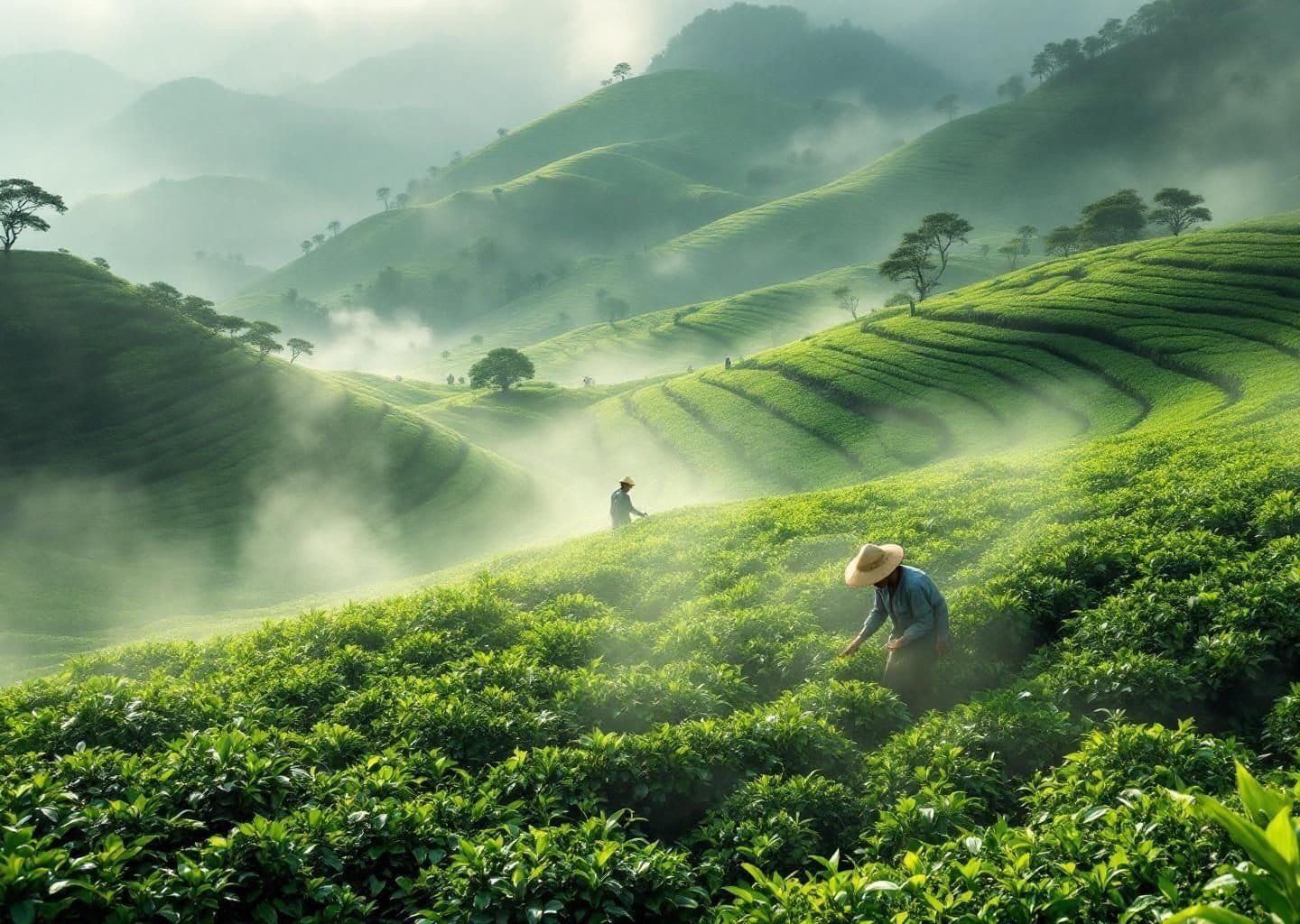
Quick Summary: China is the birthplace of tea, offering travelers extraordinary experiences across five major tea regions: Zhejiang (Longjing/Dragon Well), Yunnan (pu-erh), Fujian (oolong and white tea), Anhui (Huangshan Maofeng), and Hunan. Visitors can tour ancient tea gardens, attend gongfu tea ceremonies, and stay on working tea estates for an immersive cultural journey.
Why China Is the Ultimate Tea Destination
China is widely regarded as the birthplace of tea, a beverage that has shaped Chinese tea cultures and societies across the globe. With a long history spanning thousands of years, China offers tea enthusiasts a unique and immersive experience into the world of tea. The country’s tea culture is deeply rooted in its history, with ancient practices and traditions still thriving today. For travelers seeking to explore tea tourism in China, the array of options is as vast as the country itself.
From the lush, terraced tea gardens that dot the landscapes of Zhejiang and Yunnan provinces to the bustling tea markets of Guangzhou and Beijing, the diversity of experiences is unmatched. China is the ultimate destination for tea lovers who wish to deepen their understanding of tea’s heritage, production, and cultural significance. The opportunity to visit historic tea farms, participate in traditional tea ceremonies, and savor the distinct flavors of Chinese tea varieties makes China an unparalleled destination for tea tourism. For a broader perspective, explore exotic teas from around the world to compare China’s offerings with global varieties.
China’s Major Tea Regions
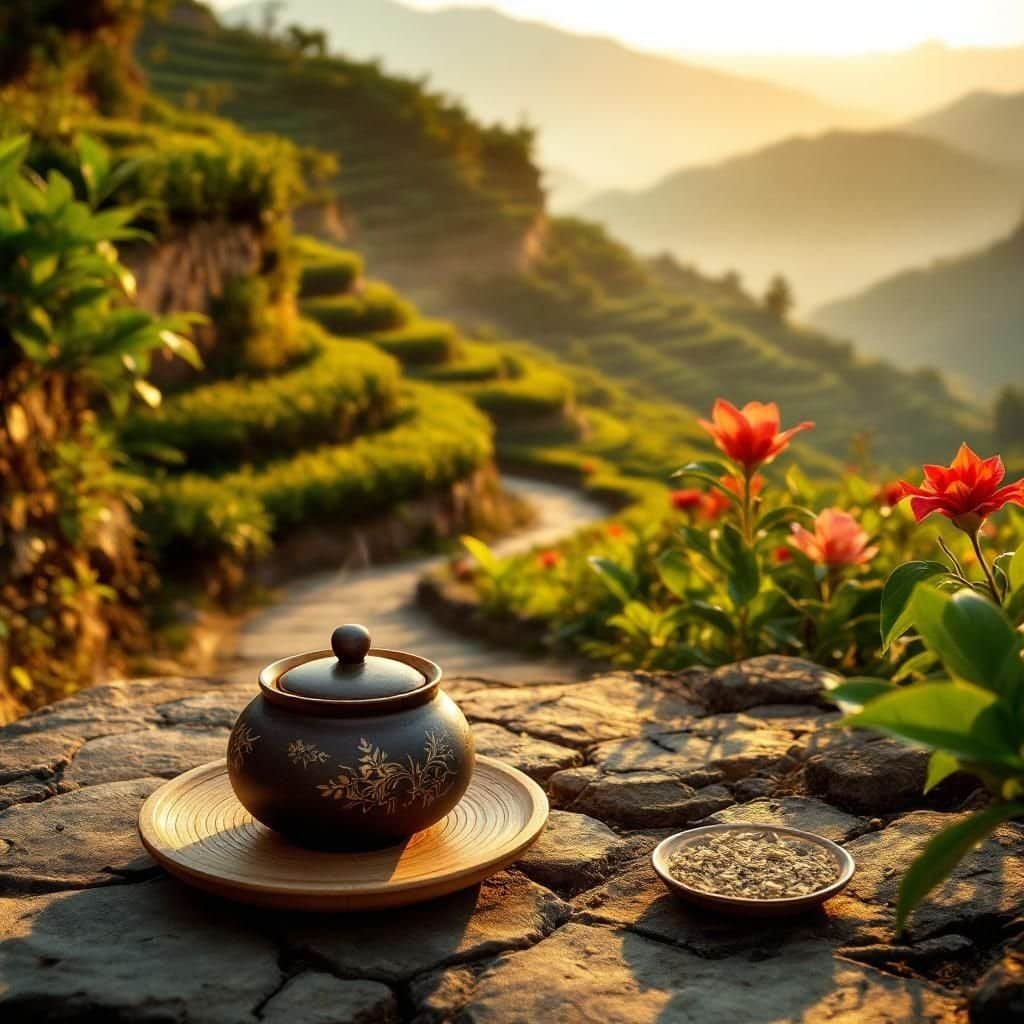
China’s major tea-growing regions are spread across the country, each offering unique climates and growing conditions that contribute to the distinct characteristics of their teas. The major regions include Zhejiang, Yunnan, Fujian, Anhui, and Hunan.
Zhejiang Province
Zhejiang, located in eastern China, is renowned for producing some of the country’s most famous green teas, including Longjing (Dragon Well) tea. The province’s capital, Hangzhou, is home to the West Lake area, where Longjing tea is cultivated. The region’s climate, with its abundant rainfall and mild temperatures, provides the perfect conditions for tea cultivation.
Yunnan Province
Known as the “land of eternal spring,” Yunnan is famous for its pu-erh tea, a fermented tea with a rich, earthy flavor. The region’s diverse topography, ranging from high mountains to tropical areas, supports the growth of a wide variety of tea plants.
Fujian Province
Fujian is best known for its oolong teas, particularly the Wuyi Mountain varieties such as Da Hong Pao. The unique rocky terrain and mineral-rich soil contribute to the complex flavors of Fujian teas. The province is also home to the famous white tea varieties like Bai Mudan and Silver Needle.
Anhui Province
Anhui is celebrated for its Huangshan Maofeng and Keemun black tea. The province’s mountainous landscape and humid climate are ideal for tea cultivation, producing teas with distinctive aromas and flavors.
Hunan Province
Hunan is known for its dark teas, particularly the Fu Zhuan brick tea. The region’s unique fermentation process creates a tea with a mellow and slightly sweet how to taste tea like a pro, making it a favorite among tea connoisseurs.
Hangzhou: Home of Longjing Tea
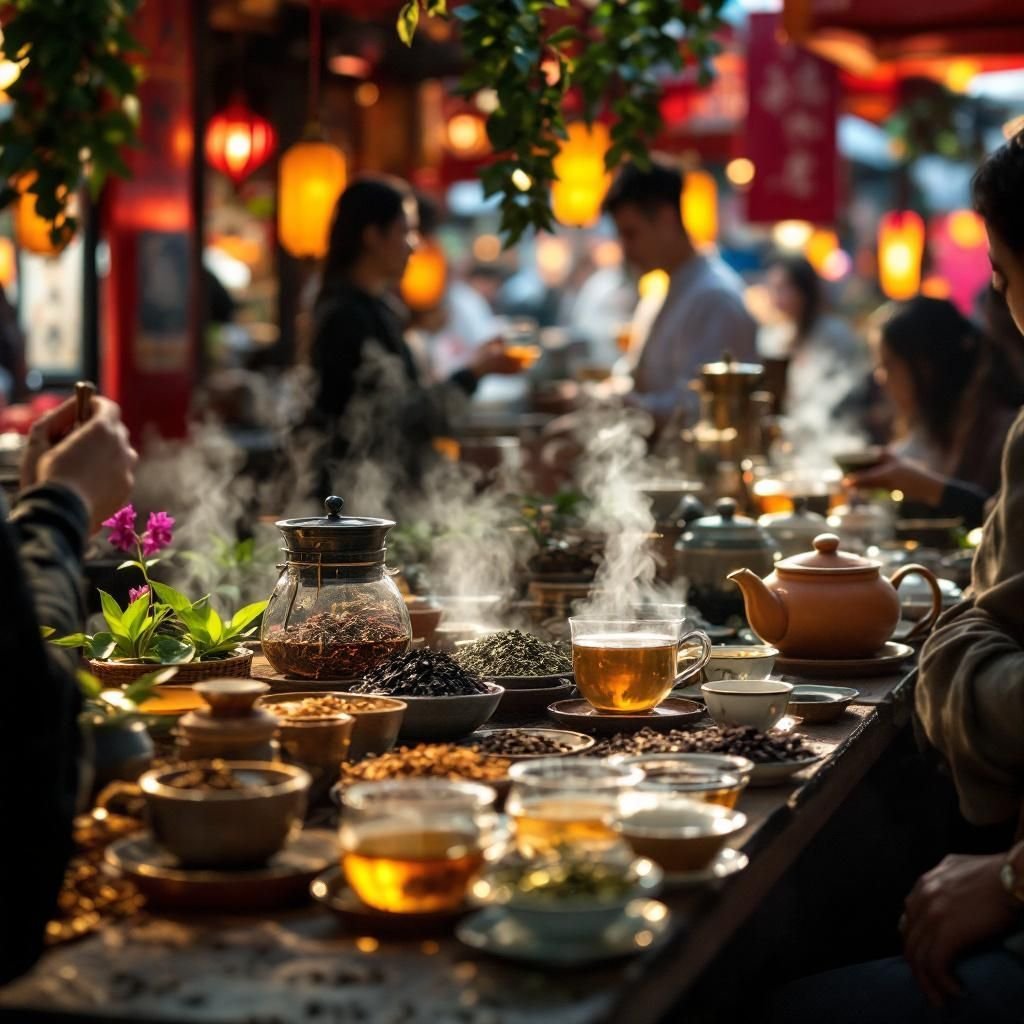
Hangzhou, the capital of Zhejiang Province, is a key destination for tea tourism in China. The city is famous for its picturesque West Lake, which provides the perfect backdrop for tea plantations. Longjing tea, one of China’s most renowned green teas, is cultivated in the hills surrounding the lake.
Visitors to Hangzhou can explore the Longjing tea plantations, where they can witness the painstaking process of hand-picking and pan-frying the tea leaves. The China National Tea Museum, located in Hangzhou, offers an in-depth look at the history and culture of Chinese tea, with exhibits on tea production, utensils, and ceremonies.
In addition to its tea culture, Hangzhou has a vibrant culinary scene and historic sites, such as the Lingyin Temple and Leifeng Pagoda, making it a well-rounded destination for travelers.
Types of Tea Produced in China
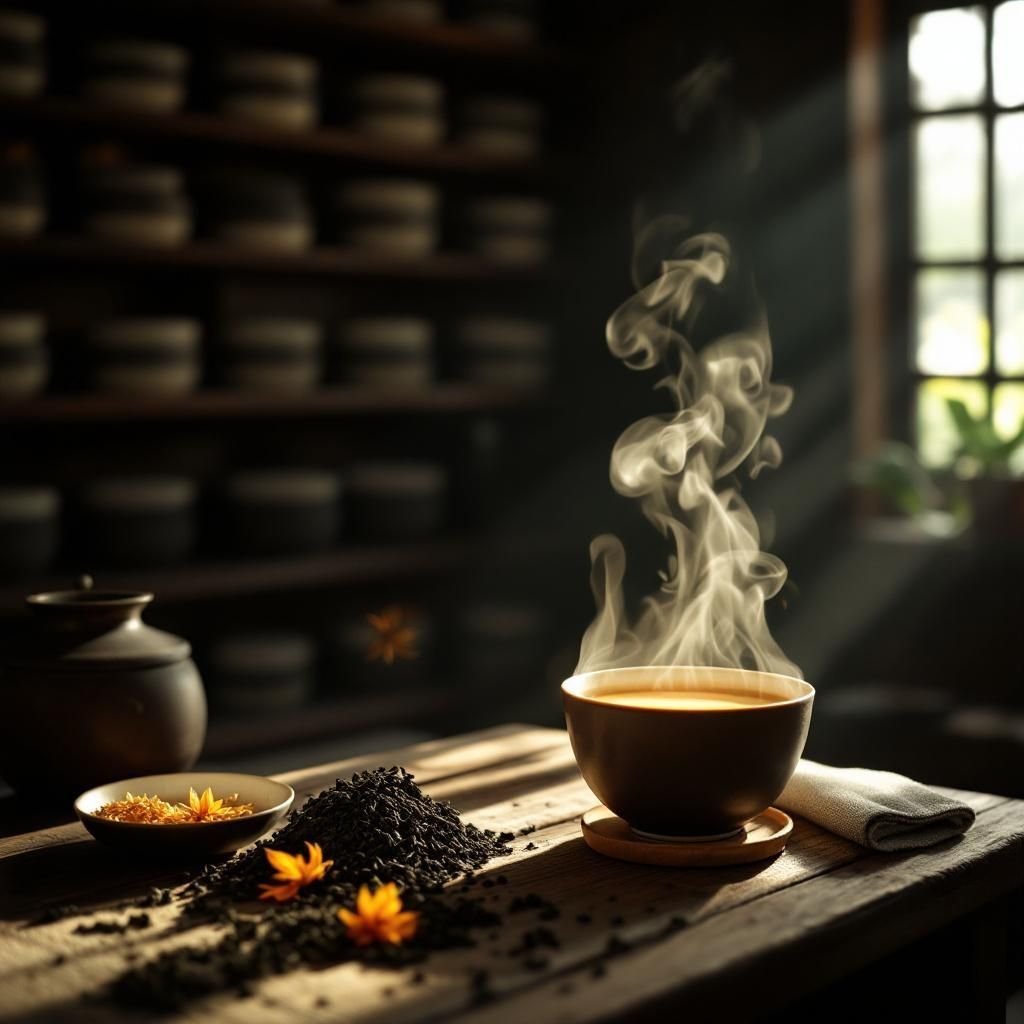
China is home to a wide variety of teas, each with its own distinct flavor profile and cultural significance. The main types of tea produced in China include green tea, black tea, oolong tea, white tea, pu-erh tea, and yellow tea.
Green Tea
Green tea is the most popular type of tea in China, with a fresh, grassy flavor and light color. Longjing and Biluochun are among the most famous green teas, known for their delicate taste and aroma.
Black Tea
Black tea, known as “red tea” in China, is fully oxidized and has a bold, robust flavor. Keemun and Dianhong are two of the most well-known Chinese black teas, prized for their intricate flavors and rich, reddish-brown liquor.
Oolong Tea
Oolong tea is partially oxidized, offering a unique taste that falls between green and black tea. Da Hong Pao and Tieguanyin are popular oolong varieties, each with complex flavors and aromas.
White Tea
White tea is the least processed of all tea types, known for its subtle, delicate flavors. Bai Mudan and Silver Needle are highly sought after for their sweet, floral notes.
Pu-erh Tea
Pu-erh tea is a fermented tea with a rich, earthy flavor profile. It is often aged, with older pu-erh teas being highly valued for their depth and complexity.
Yellow Tea
Yellow tea is similar to green tea but undergoes a unique fermentation process, resulting in a mellow flavor with a slightly sweet undertone. Junshan Yinzhen is a renowned yellow tea variety from Hunan Province.
Tea Tourism Experiences in China
Tea tourism in China offers a variety of experiences for travelers, from visiting tea plantations and factories to participating in traditional tea ceremonies. These experiences provide a deeper understanding of China’s tea culture and the opportunity to taste some of the finest teas in the world.
Tea Plantation Visits
Many tea regions offer guided tours of their plantations, where visitors can learn about the cultivation and harvesting processes. Popular destinations include the Longjing tea gardens in Hangzhou and the oolong tea plantations in Fujian’s Wuyi Mountains.
Tea Factory Tours
Tea factory tours provide insight into the intricate processes involved in tea production, from withering and rolling to drying and packaging. These tours often include tastings, allowing visitors to sample freshly processed teas.
Traditional Tea Ceremonies
Participating in a traditional Chinese tea ceremony is a highlight of any tea tourism experience. These ceremonies, often held in tea houses or cultural centers, showcase the artistry and mindfulness involved in brewing and serving tea. Enhance your tea ceremony experience with traditional Chinese tea pets, beloved companions in the gongfu cha ritual.
Tea Festivals and Events
China hosts numerous tea festivals and events throughout the year, celebrating the country’s rich tea heritage. The Hangzhou International Tea Culture Festival and the Anxi Tieguanyin Tea Culture Festival are popular events that attract tea enthusiasts from around the world.
Best Time to Visit China for Tea Tourism
The best time to visit China for tea tourism depends on the region and type of tea you wish to explore. Generally, spring and autumn are ideal for traveling to China’s tea regions, as the weather is mild and conducive to outdoor activities.
Spring, from March to May, is the prime season for tea harvesting in many regions, offering the opportunity to witness the picking and processing of fresh tea leaves. Autumn, from September to November, is another favorable time, with cooler temperatures and vibrant landscapes.
How to Get There
Traveling to China’s tea regions is relatively accessible, with major cities and towns well-connected by air, rail, and road. International travelers typically fly into major hubs such as Beijing, Shanghai, or Guangzhou, and then take domestic flights or high-speed trains to their desired tea destinations.
For instance, Hangzhou is easily reachable from Shanghai via a short high-speed train journey, while Yunnan’s capital, Kunming, is accessible by flights from several Chinese cities. Local transportation, such as buses and taxis, is available for reaching remote tea plantations and villages.
Where to Stay
China offers a wide range of accommodation options for tea travelers, from budget-friendly hostels to luxurious resorts. Staying at a tea estate or traditional guesthouse provides an authentic experience, often with stunning views of the surrounding tea gardens.
Luxury Accommodations
For a luxurious experience, consider staying at a high-end resort such as the Amanfayun in Hangzhou, which offers spacious villas and personalized service amidst serene tea garden settings.
Mid-Range Hotels
Mid-range options include well-appointed hotels and boutique guesthouses, such as those found in major tea regions like Wuyishan and Anxi. These accommodations offer comfort and convenience, often with easy access to local attractions.
Budget Options
Budget travelers can find affordable hostels and guesthouses in cities and towns near tea plantations. These options provide a comfortable base for exploring the region without breaking the bank.
Costs and Budgeting for a Tea Tour in China
The cost of a tea tour in China varies based on the duration of your stay, choice of accommodation, and activities. On average, a daily budget of $50-$150 USD per person should suffice for mid-range travel, including accommodation, meals, transportation, and entry fees to attractions.
Luxury travelers may spend upwards of $200 USD per day, while budget travelers can manage on less than $50 USD per day by opting for hostels, local eateries, and public transportation.
It’s advisable to book tours and accommodations in advance, especially during peak travel seasons, to secure the best rates and availability.
Sample Itineraries for Tea Travel in China
3-Day Itinerary
- Day 1: Arrive in Hangzhou, visit West Lake and Longjing tea plantations, participate in a tea tasting session.
- Day 2: Explore the China National Tea Museum, enjoy a traditional tea ceremony, and sample local delicacies in Hangzhou.
- Day 3: Take a day trip to the nearby Wuyi Mountains for a guided tour of oolong tea plantations, return to Hangzhou.
5-Day Itinerary
- Day 1-2: Follow the 3-day itinerary in Hangzhou.
- Day 3: Travel to Fujian Province, visit the Wuyi Mountains, and tour famous oolong tea gardens.
- Day 4: Participate in a tea tasting session, explore local tea markets, and enjoy a cultural performance.
- Day 5: Return to Hangzhou or continue to another tea region, such as Yunnan or Anhui, for further exploration.
7-Day Itinerary
- Day 1-5: Follow the 5-day itinerary outlined above.
- Day 6: Travel to Yunnan Province, visit pu-erh tea plantations, and learn about the unique fermentation process.
- Day 7: Explore the ancient tea horse road, visit local villages, and enjoy a farewell dinner featuring Yunnan’s regional cuisine.
Related Guides
- Hangzhou Tea Travel Guide
- Fujian Oolong Tea Tour
- Yunnan Pu-erh Exploration
- Anhui Black Tea Adventure
- Traditional Chinese Tea Ceremony
Frequently Asked Questions
What is the best time to visit China for tea tourism?
The best time to visit is during spring (March to May) and autumn (September to November) when the weather is mild and ideal for exploring tea regions.
How can I get to China’s major tea regions?
Major tea regions are accessible by domestic flights and high-speed trains from cities like Beijing, Shanghai, and Guangzhou. Local transportation is available for reaching tea plantations.
What are the top tea regions to visit in China?
Top regions include Zhejiang (Longjing tea), Yunnan (pu-erh tea), Fujian (oolong tea), Anhui (Huangshan Maofeng), and Hunan (dark tea).
Can I participate in a traditional tea ceremony in China?
Yes, traditional tea ceremonies are available at tea houses and cultural centers in major cities and tea regions.
What are the accommodation options for tea travelers in China?
Options range from luxury resorts and mid-range hotels to budget hostels and guesthouses, with some located on tea estates for a more authentic experience.
Plan Your China Tea Journey
Ready to explore the birthplace of tea? From the misty Longjing gardens of Hangzhou to the ancient pu-erh forests of Yunnan, China offers the world’s most extraordinary tea travel experiences. Subscribe to our newsletter for expert itineraries, seasonal travel tips, and exclusive guides to China’s finest tea regions. Let Steeped Travels help you plan an unforgettable tea journey through the Middle Kingdom.
- Subscribe for China tea travel tips
- Explore more tea destination guides
- How to plan your tea tour
What is the best way to buy authentic Chinese tea?
Buy directly from tea farms or reputable tea houses in major tea regions like Hangzhou, Wuyi Mountains, or Yunnan. Look for government-certified tea markets and avoid tourist traps in major cities. Bringing a knowledgeable local guide or joining a tea tour ensures authenticity.
Do I need to speak Mandarin to enjoy tea tourism in China?
While Mandarin is helpful, many tea farms and tea houses in tourist areas have English-speaking staff or guides. Joining an organized tea tour is the easiest way to overcome language barriers and gain deeper cultural insights. Translation apps also work well for basic communication.
yes
