
Hosting an afternoon tea party at home is a wonderful way to gather friends and family. This guide covers everything from setting the perfect table and choosing teas to preparing finger sandwiches, scones, and elegant pastries.
Quick Answer: How to Host the Perfect Afternoon Tea Party at Home covers everything you need to know, from essential techniques and cultural traditions to practical tips for beginners. This guide explores the history, tools, and step-by-step methods to help you master the art with confidence.
Quick Summary: Hosting the perfect afternoon tea party at home means selecting 3–5 quality teas, preparing classic finger sandwiches, fresh scones with clotted cream, and elegant pastries. Set a beautiful table, brew each tea to its ideal temperature, and create a warm, welcoming atmosphere for 2–3 hours of refined enjoyment.
Introduction: Setting the Scene for Your Perfect Afternoon Tea Party
Table of Contents
Hosting the perfect afternoon tea party at home involves more than just brewing tea. It’s an art form, a celebration of flavor, tradition, and hospitality. Whether you’re planning a formal affair or a casual gathering, understanding the essentials of afternoon tea will help you create a delightful experience for your guests. This guide provides everything you need to host a memorable tea party, from selecting the right teas and preparing traditional treats to setting the scene with elegant tableware and décor.
What You Will Need: Essentials for Afternoon Tea
Tea Selection
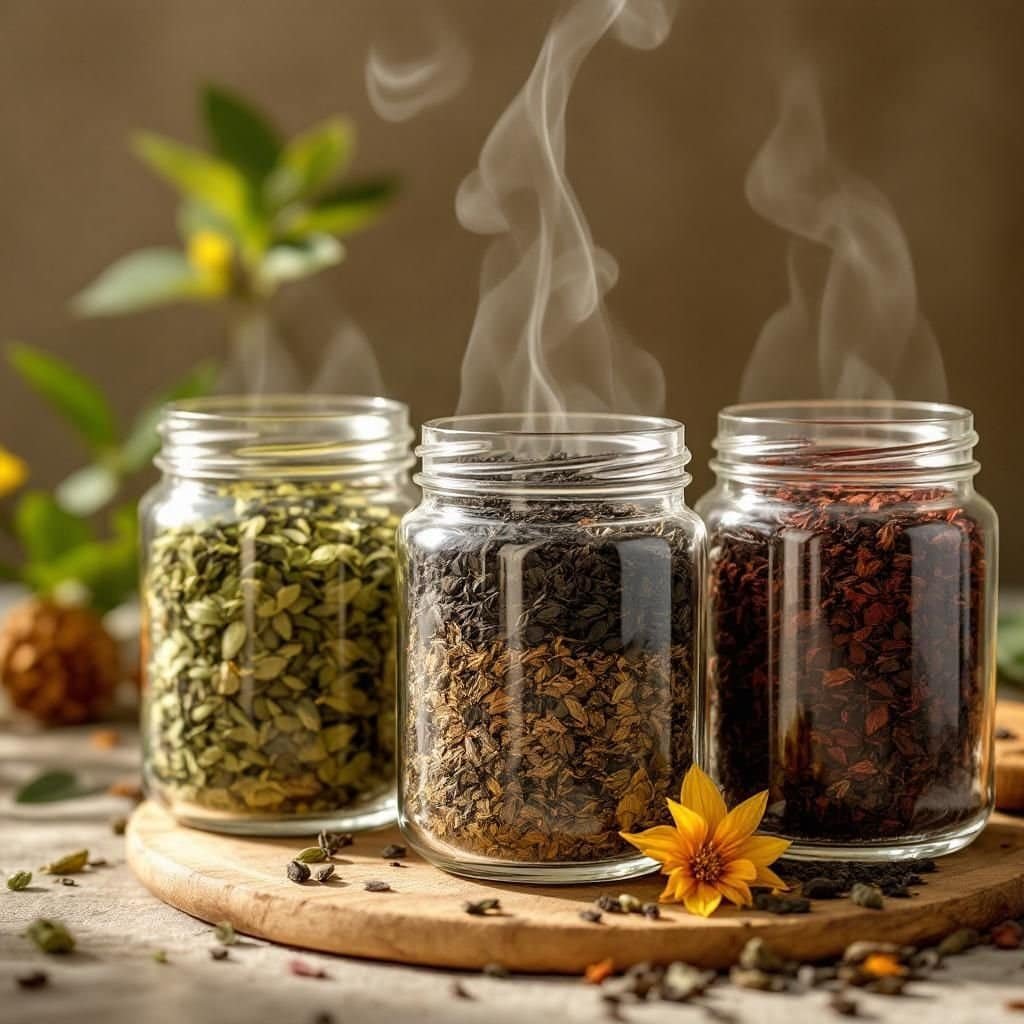
Start with a selection of high-quality teas to cater to diverse tastes. Popular choices include classic Earl Grey, robust English Breakfast, and soothing herbal blends like chamomile or peppermint. Consider offering a mix of black, green, and herbal teas to suit all preferences.
Serveware and Tableware
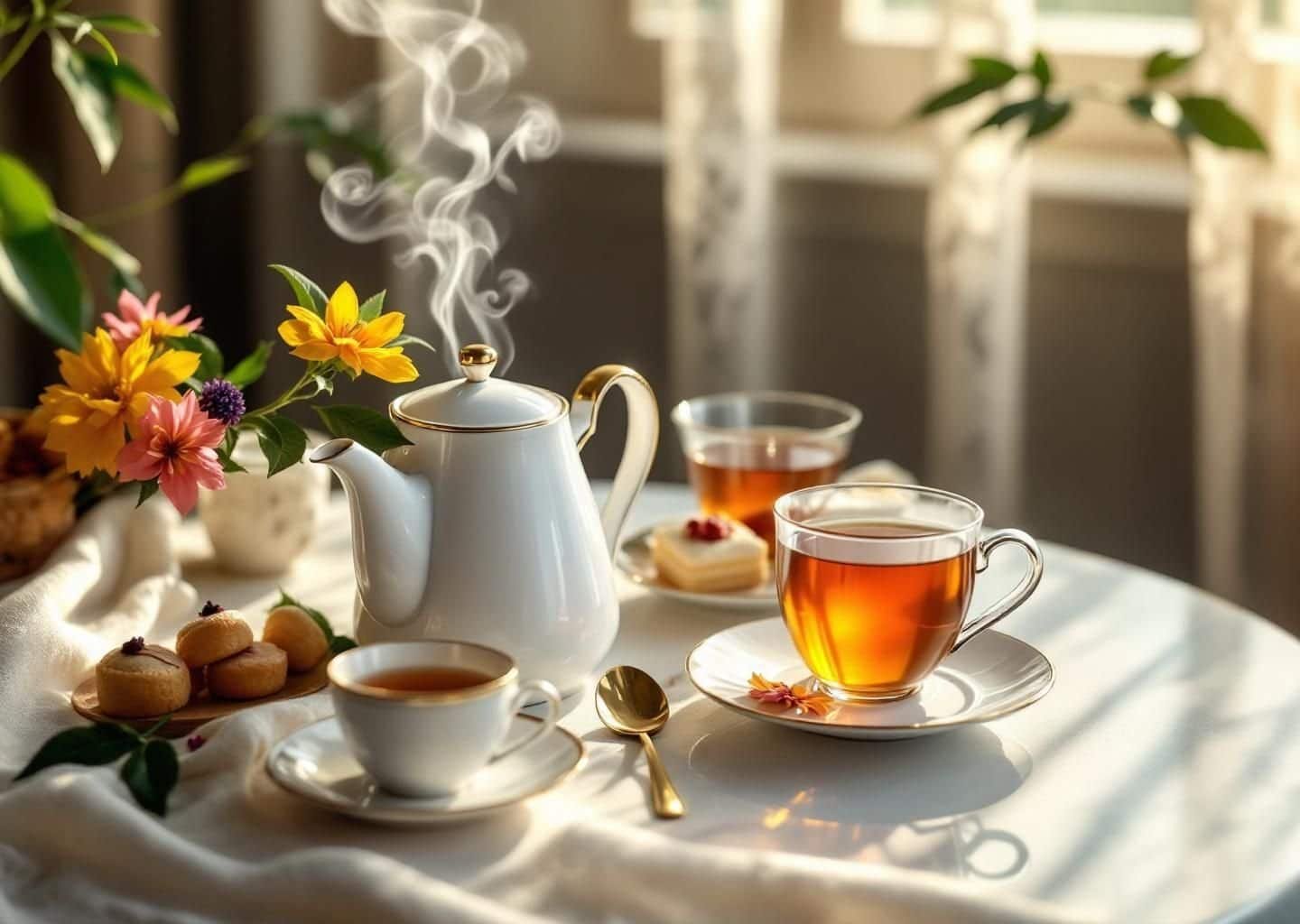
Invest in a charming teapot, preferably porcelain or bone china, which will add elegance to your table setting. Don’t forget teacups, saucers, and teaspoons for each guest. A tiered cake stand is ideal for displaying your array of sweet and savory treats.
Traditional Treats
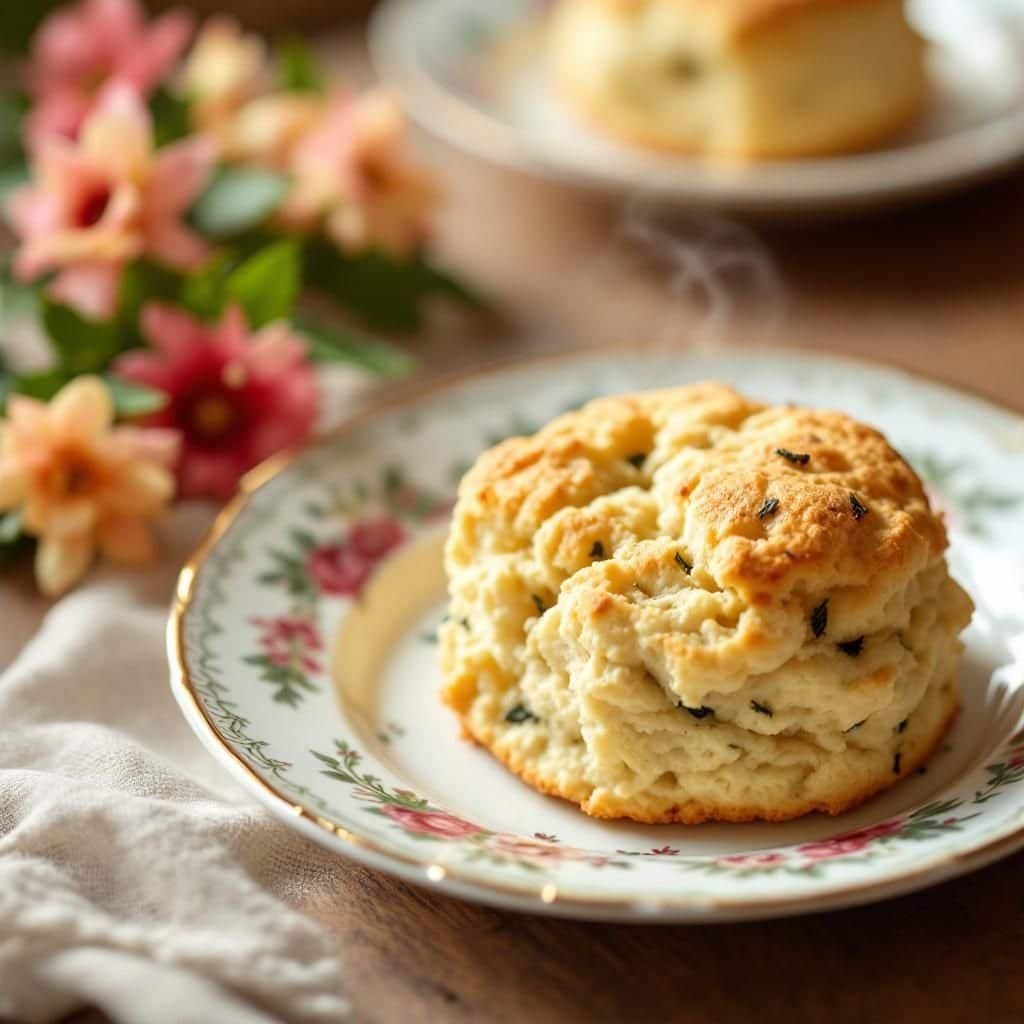
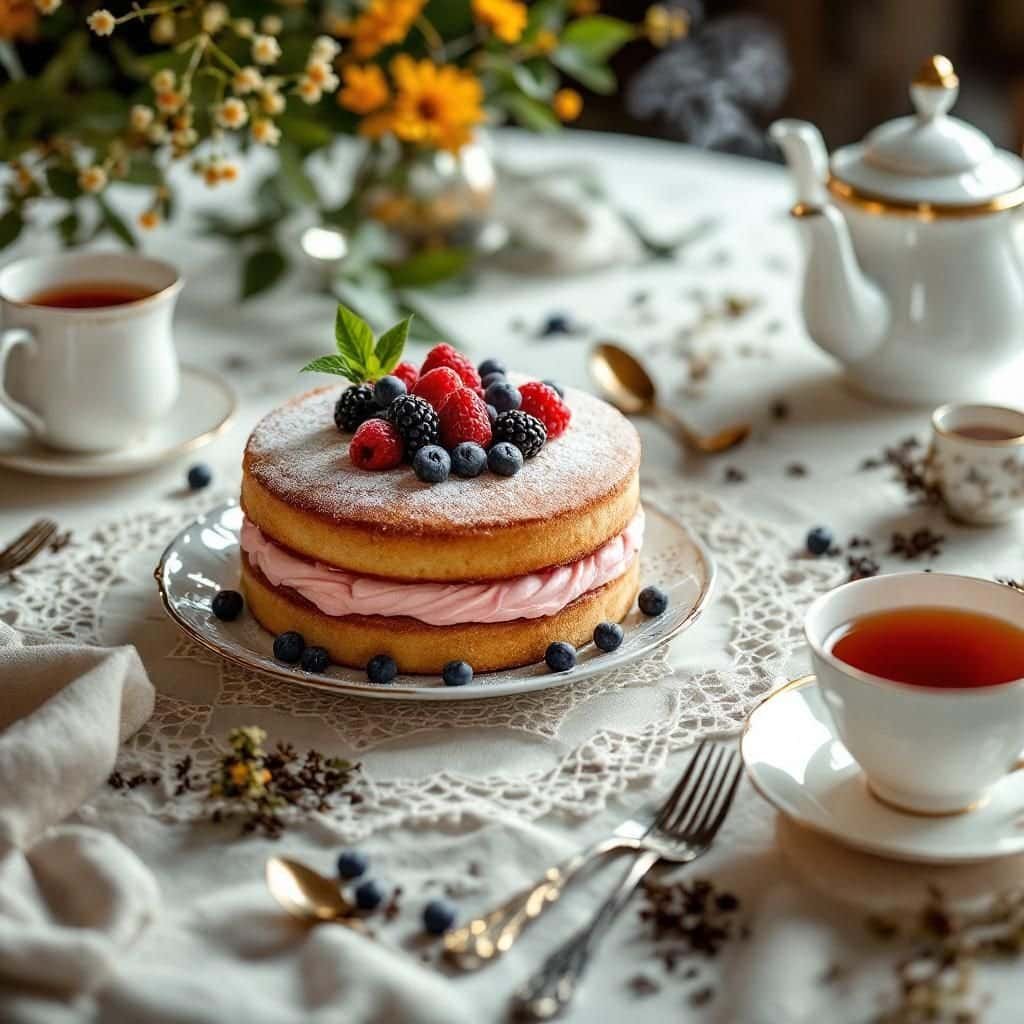
No afternoon tea is complete without freshly baked scones, served with clotted cream and jam. Include a selection of finger sandwiches, such as cucumber, smoked salmon, and egg salad, along with pastries and cakes like Victoria sponge or macarons.
Step-by-Step Instructions: Planning Your Tea Party
1. Choose Your Theme and Invitations
Decide on a theme to guide your decor and menu choices. Whether opting for a vintage garden party or a contemporary gathering, ensure your theme reflects in your invitations. Traditional paper invites add a personal touch, but digital invites work well too.
2. Set the Table
Arrange your tableware with care, ensuring each setting includes a teacup and saucer, a small plate, a napkin, and utensils. Use tablecloths or runners that complement your theme, and add fresh flowers as a centerpiece for a touch of elegance.
3. Brew the Perfect Tea
Prepare your teas just before serving to ensure freshness. Steep each type of tea according to its specific brewing guidelines. For black teas, use boiling water and steep for 3-5 minutes; for green teas, use slightly cooler water and steep for 2-3 minutes.
4. Serve the Food
Arrange your finger sandwiches on the bottom tier of your cake stand, scones on the middle tier, and pastries on the top. This traditional presentation not only looks inviting but also helps guests navigate the courses.
Pro Tips from Experts
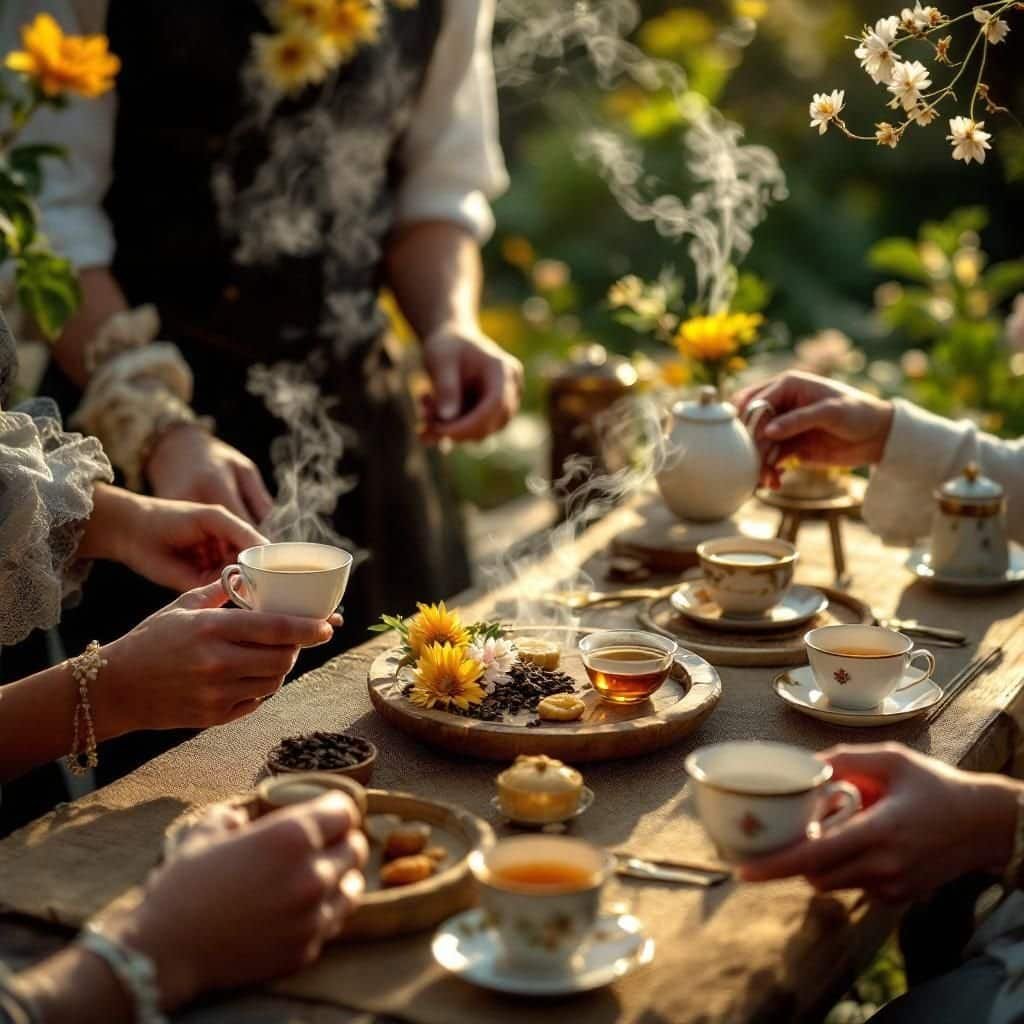
To elevate your tea party, consider these expert tips:
- Use Loose Leaf Tea: Loose leaf tea provides a richer, more nuanced flavor compared to bagged tea, enhancing the overall experience.
- Chill Your Cream: Clotted cream should be served cold, so keep it refrigerated until just before serving.
- Personal Touches: Personalize your party with handwritten place cards or a selection of teas labeled with their origins and flavor notes.
Common Mistakes to Avoid
Avoid these common pitfalls to ensure your tea party runs smoothly:
- Overcomplicating the Menu: Stick to a simple selection of high-quality items rather than an overwhelming variety.
- Neglecting Dietary Needs: Be mindful of guests’ dietary restrictions, offering gluten-free or vegan options as needed.
- Forgetting the Tea: Ensure you have enough tea for refills, and remember to keep hot water available for brewing new pots.
Variations and Alternatives
Consider these variations to tailor your tea party to your guests’ preferences:
Themed Tea Parties
Explore themes such as a Victorian tea party, where guests dress in period attire, or a floral tea party with edible flowers incorporated into the menu.
International Tea Tasting
Offer a selection of teas from around the world, such as Japanese matcha, Indian chai, and Moroccan mint, to create a global tasting experience.
Budget Planning for Your Afternoon Tea Party
Planning your budget in advance ensures a stress-free hosting experience. Here’s a breakdown of typical costs for hosting afternoon tea at home for 6–8 guests:
- Quality loose-leaf teas (3 varieties): $15–$30
- Scone ingredients (homemade): $8–$12
- Finger sandwich fillings: $20–$35
- Pastries and cakes: $15–$40 (bakery) or $10–$20 (homemade)
- Fresh flowers and décor: $10–$25
- Total estimated cost: $68–$142 for 6–8 guests
To save money, bake your own scones and cakes — they taste better fresh and cost a fraction of store-bought alternatives. Invest in one beautiful teapot and a tiered stand; these can be reused for years.
Seasonal Afternoon Tea Ideas
Tailor your tea party to the season for a truly memorable experience:
Spring Garden Tea Party
Host outdoors with floral arrangements, elderflower cordial, and light cucumber sandwiches. Serve a delicate Darjeeling first flush or a floral white tea to complement the season’s freshness.
Autumn Harvest Tea
Embrace warming spices with chai-spiced scones, apple and cinnamon pastries, and a robust Assam or Yunnan black tea. Decorate with autumn leaves, pumpkins, and warm candlelight.
Winter Festive Tea
Create a cozy atmosphere with mulled tea, mince pies, and gingerbread. A smoky Lapsang Souchong or a rich Earl Grey pairs beautifully with festive flavors.
Where to Source the Best Teas for Your Party
The quality of your tea makes or breaks the experience. Here are trusted sources for exceptional loose-leaf teas:
- Specialty tea shops: Local tea merchants often carry single-origin teas with detailed tasting notes — ideal for creating a curated selection.
- Online retailers: Reputable online tea companies offer subscription boxes and sampler sets perfect for tea parties.
- Tea estates direct: Some estates in Darjeeling, Taiwan, and Japan ship directly to consumers, offering the freshest possible teas.
- Farmers markets: Artisan tea blenders at local markets often create unique, seasonal blends unavailable elsewhere.
When selecting teas, aim for variety: one bold black tea (English Breakfast or Assam), one aromatic option (Earl Grey or Jasmine), and one caffeine-free herbal blend for guests who prefer it.
Related Posts
- Afternoon Tea in London: A Guide to the Best Experiences
- The Ultimate Guide to Tea and Food Pairing
- A Guide to the Best Tea Souvenirs from Around the World
- How to Choose the Perfect Teapot for Your Tea
- Specialty Tea Association / World Tea Academy
External Sources
Ready to Explore the World of Tea?
From hosting the perfect tea party at home to visiting the world’s finest tea estates — your tea journey starts here. Discover our guides to tea destinations, tastings, and culture.
Explore All Tea Travel Guides →Frequently Asked Questions
What is the origin of afternoon tea?
Afternoon tea was introduced in England by Anna, the Duchess of Bedford, in the early 19th century as a way to bridge the gap between lunch and dinner.
How many types of tea should I serve at a tea party?
It’s best to offer at least three varieties: one black, one green, and one herbal tea to cater to different tastes.
What are traditional foods served at an afternoon tea?
Traditional foods include finger sandwiches, scones with clotted cream and jam, and a variety of pastries and cakes.
How long should an afternoon tea party last?
An afternoon tea party typically lasts around 2-3 hours, giving guests ample time to enjoy the food and conversation.
Can I host an afternoon tea party outdoors?
Yes, an outdoor setting can be lovely for a tea party, especially in spring or summer. Just ensure you have shade and protection from the weather.

Specialty Tea Association / World Tea Academy; reputable producer or teaware brand guides; expert-led educational sources

Start Your Tea Journey With Steeped Travels
Ready to explore the world one cup at a time? Plan your personalized tea tour with our expert guides, or browse more tea travel guides to discover your next destination. From Japan’s ancient ceremonies to India’s fragrant estates, your perfect tea adventure awaits.