
Definition and Overview
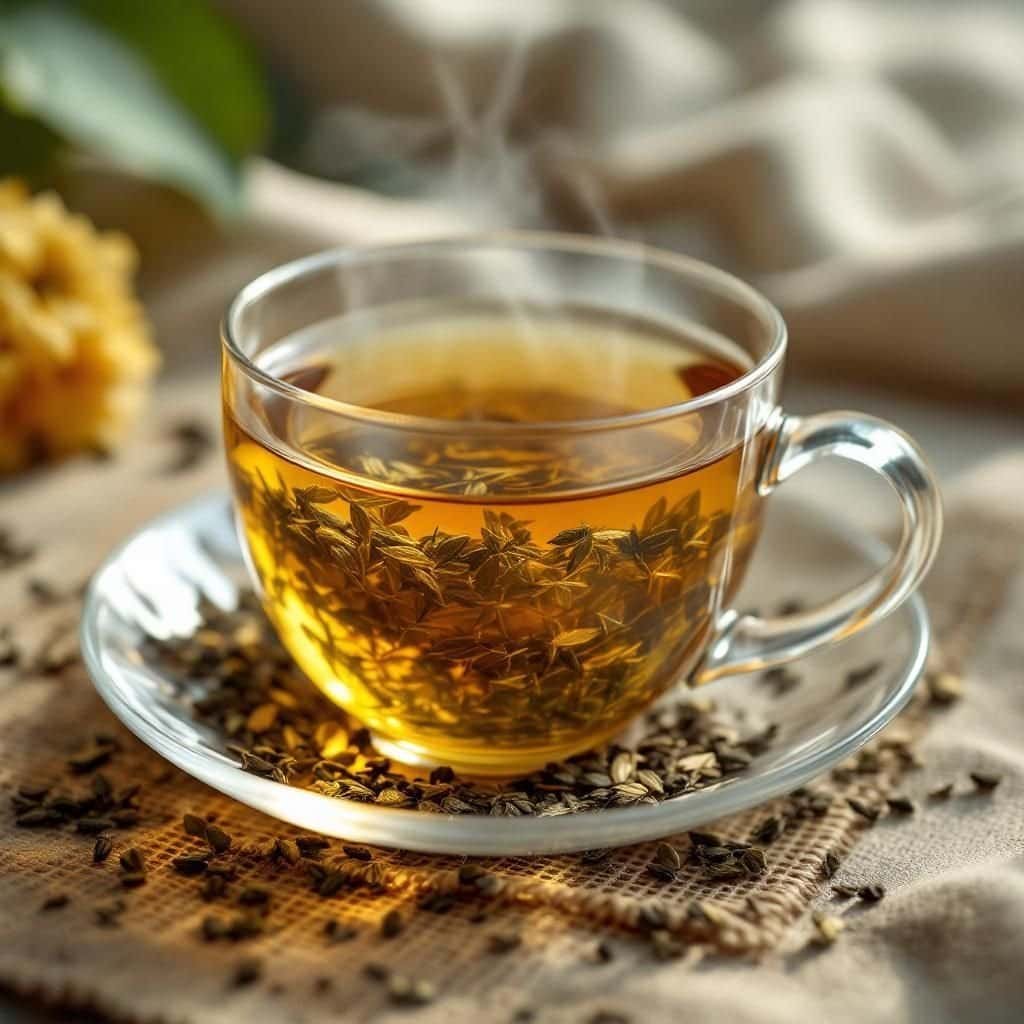
Tea, a beloved beverage worldwide, is derived from the Camellia sinensis plant and comes in various forms depending on how it is processed. Understanding the different types of tea is crucial for both enthusiasts and beginners. The primary categories include white, green, oolong, black, pu-erh, and yellow tea. Each type offers unique flavors, aromas, and health benefits — and once you know the differences, you can learn how to taste tea like a pro, determined by the level of oxidation and processing methods. In this guide, we delve into the characteristics of each type, aiding beginners in navigating the vast world of tea.
History and Origins
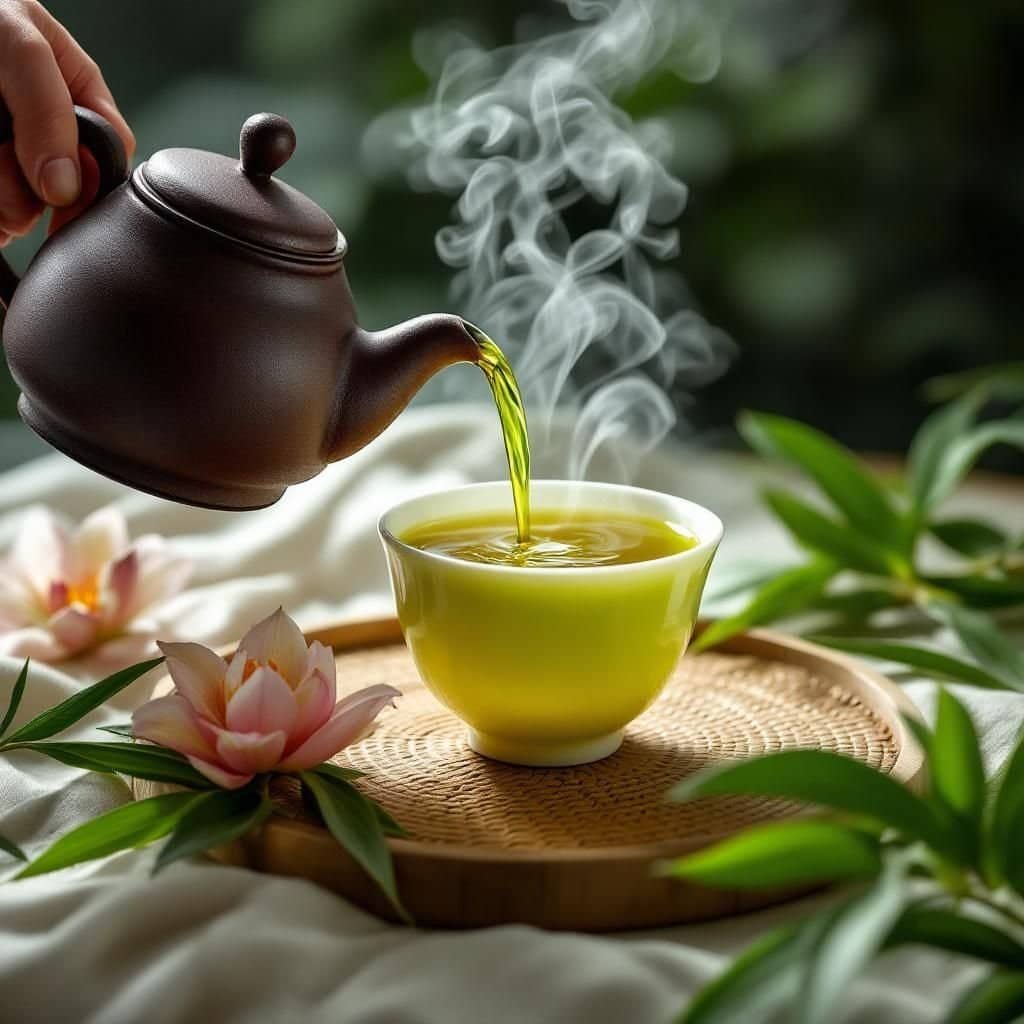
The history of tea dates back to ancient China, over 5,000 years ago. Legend has it that Emperor Shen Nong discovered tea when leaves from a wild tree blew into his pot of boiling water. Initially used for medicinal purposes, tea eventually became a popular cultural beverage. As it spread across Asia, Europe, and the world — particularly through rich Chinese tea culture — different regions developed their own unique processing techniques, giving rise to the diverse types of tea we enjoy today. Understanding these origins helps appreciate the cultural significance and traditions surrounding tea consumption.
Types and Varieties
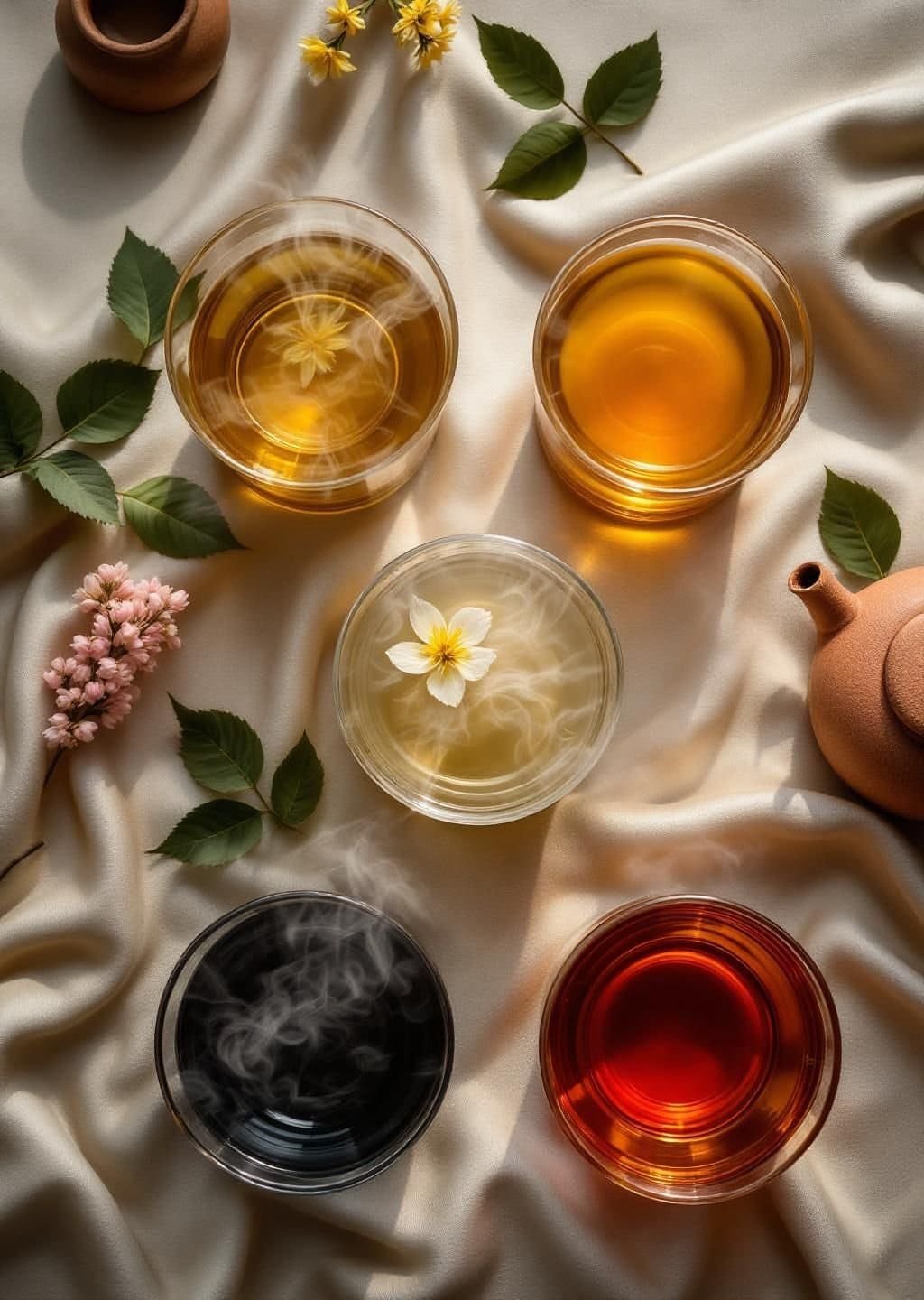
Each type of tea is defined by its processing method. Here is a breakdown of the main categories:
- White Tea: Known for its delicate flavor and minimal processing. The leaves are simply withered and dried, retaining their natural qualities.
- Green Tea: Leaves are quickly steamed or pan-fired to prevent oxidation, resulting in a fresh, grassy taste.
- Oolong Tea: Partially oxidized, offering a balance between black and green tea with a floral and fruity profile.
- Black Tea: Fully oxidized, known for its robust, rich flavor and dark amber color. The finest black teas come from regions like Assam, India’s black tea heartland.
- Pu-erh Tea: Aged and fermented, offering complex flavors that evolve over time.
- Yellow Tea: Rare and similar to green tea, but with an additional ‘men huang’ step, lending a mellower taste.
Brewing Guide
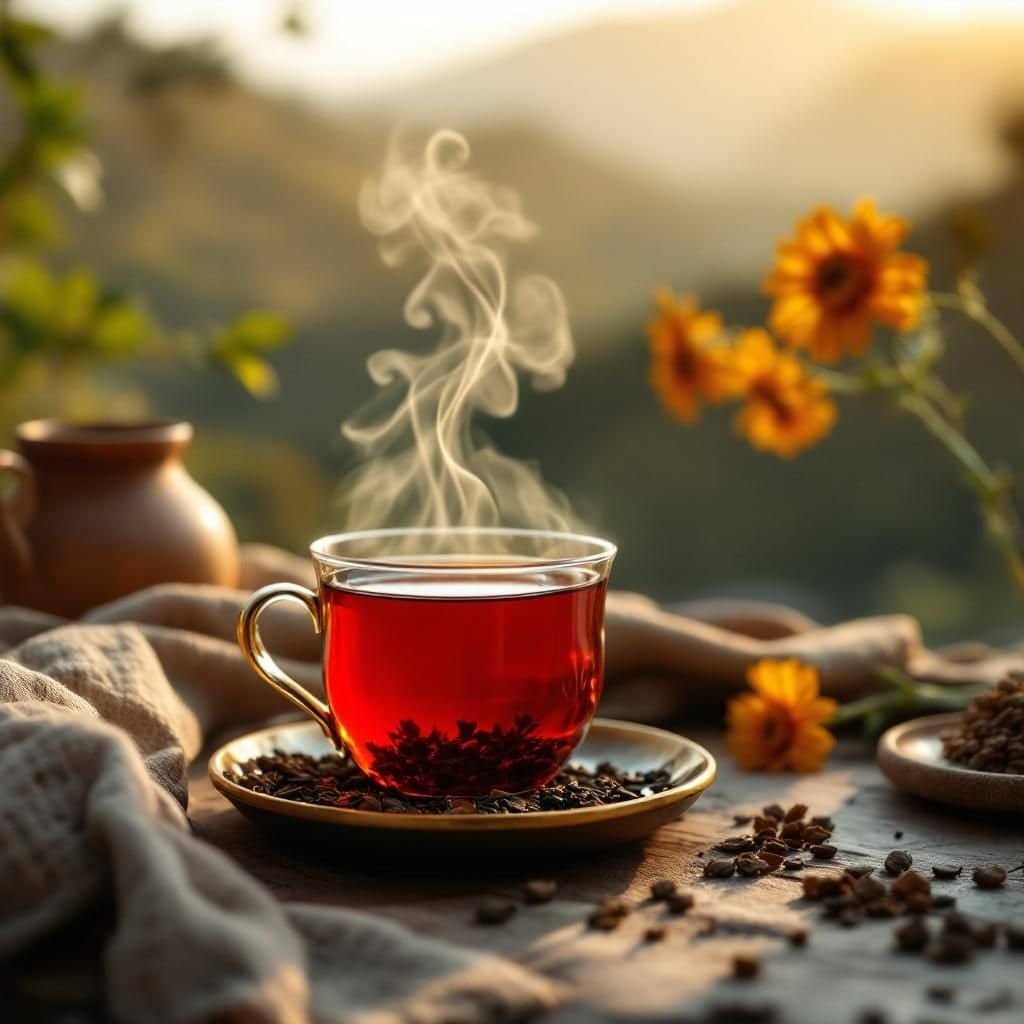
Proper brewing enhances the experience of each tea type. Here are general guidelines:
- White Tea: Use 170-185°F water, steep for 1-3 minutes.
- Green Tea: Use 160-180°F water, steep for 2-3 minutes.
- Oolong Tea: Use 190-200°F water, steep for 3-5 minutes.
- Black Tea: Use boiling water, steep for 3-5 minutes.
- Pu-erh Tea: Rinse leaves with boiling water, then steep for 3-5 minutes.
- Yellow Tea: Use 175-185°F water, steep for 2-3 minutes.
Adjust steeping times and temperatures based on personal taste preferences and the specific tea variety.
Health Benefits
Tea is not only a delightful beverage but also offers numerous health benefits. Rich in antioxidants, it helps fight free radicals, reducing the risk of chronic diseases. Green tea is noted for its high catechin content, aiding in weight loss and heart health. Black tea is beneficial for gut health and cholesterol management. Oolong tea supports metabolism and mental alertness, while white tea has anti-aging properties. Pu-erh tea is acclaimed for its digestive benefits and ability to lower blood sugar levels. Yellow tea, though less researched, shares similar benefits with green tea.
How to Buy and Store
When purchasing tea, consider quality and freshness. Opt for loose leaf tea over tea bags for a more authentic experience. Look for reputable tea vendors that provide details on origin and production methods. Store tea in airtight containers, away from light, moisture, and strong odors to preserve flavor and potency. Green, white, and yellow teas should be consumed within six months to a year, while oolong and black teas can last up to two years. Pu-erh tea, being fermented, can improve with age.
Related Guides
Explore more about tea through our related guides:
- Tea Education & Culture
- A Guide to White Tea: The World’s Most Delicate Tea
- The Different Types of Oolong Tea Explained
- How to Taste Tea Like a Pro: A Beginner’s Guide
- Specialty Tea Association
Frequently Asked Questions
What is the difference between green and black tea?
Green tea is unoxidized, offering a fresh flavor, while black tea is fully oxidized, providing a robust taste.
How should I store my tea?
Store in airtight containers, away from light and moisture to maintain freshness.
What are the health benefits of oolong tea?
Oolong tea aids metabolism, supports heart health, and enhances mental alertness.
Can tea go bad?
While tea doesn’t spoil, it can lose flavor over time. Proper storage extends its shelf life.
How does brewing temperature affect tea taste?
Different temperatures extract varying flavors; too hot can make tea bitter, too cool can result in a weak brew.
Specialty Tea Association / World Tea Academy style education sources; producer associations from major tea origins; reputable processing references