Quick Facts Box
- Country: Taiwan
- Region: Nantou and Alishan
- Best Time to Visit: April to June, September to November
- Currency: New Taiwan Dollar (TWD)
- Language: Mandarin Chinese, Taiwanese Hokkien
- Visa Requirements: Visa-free for many countries for up to 90 days
Introduction with Destination Overview
Embark on an enchanting journey through Taiwan’s lush tea landscapes with a meticulously planned 7-day itinerary that takes you through the serene regions of Nantou and Alishan. This Taiwan tea road trip itinerary is crafted for tea lovers and adventurers alike — if you enjoy Asian tea travel, also explore our Japan tea travel guide, offering a unique blend of picturesque scenery, aromatic tea gardens, and cultural richness. Discover the heart of Taiwan’s tea culture, where the misty mountains and fertile soil give rise to some of the world’s finest teas. From the famous Dong Ding Oolong to the ethereal Alishan sunrise tea, this road trip promises an unforgettable experience steeped in tradition and flavor.
Best Tea Regions
Nantou County
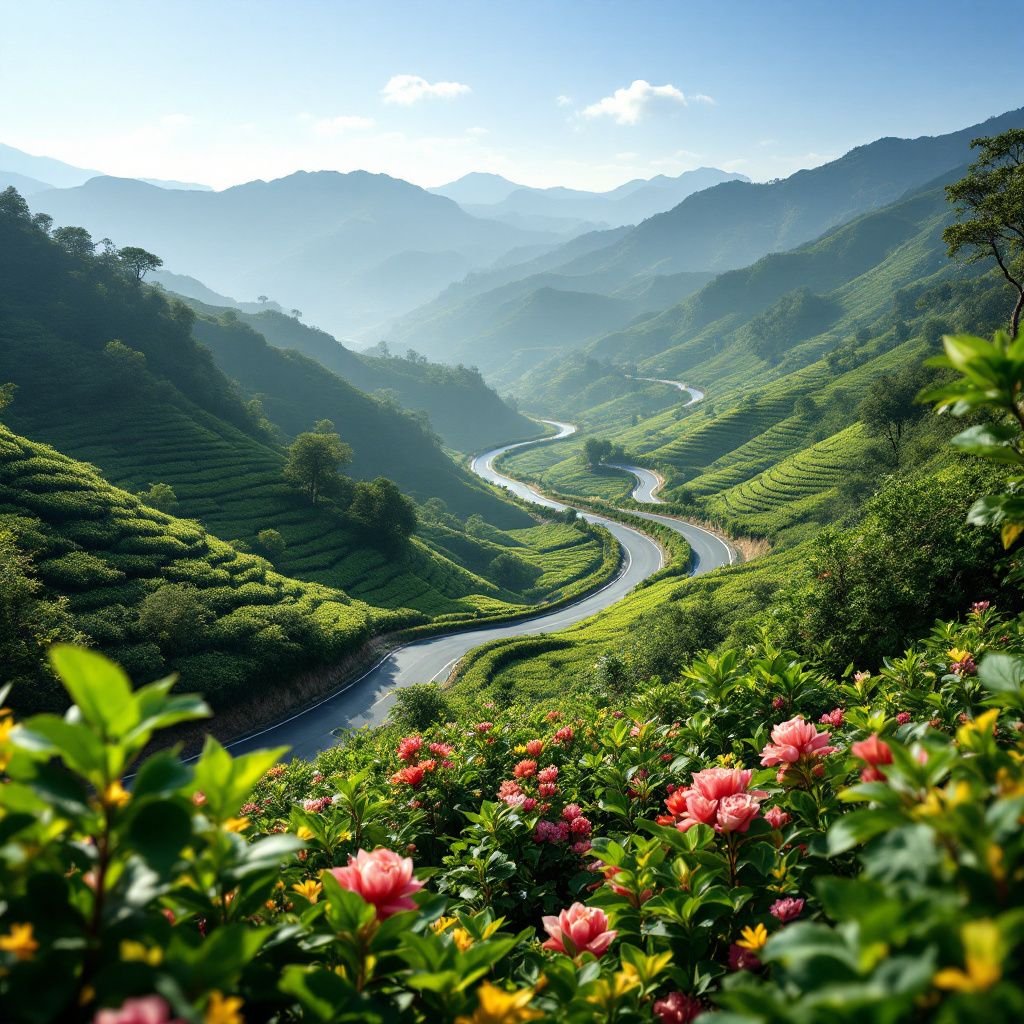
Nantou, the heart of Taiwan, is renowned for its exceptional tea gardens set amid rolling hills. The region’s high altitude and ideal climate create perfect conditions for growing tea, particularly the celebrated Dong Ding Oolong. A visit to the Lugu Tea Culture Center provides insight into the intricate art of tea processing, and a stroll through the Bagua Tea Plantation offers breathtaking views of terraced tea fields.
Alishan Mountain Range
Alishan is a magical land where the clouds kiss the mountain peaks, creating a mystical aura perfect for tea cultivation. Alishan’s high mountain teas are prized for their unique flavors, drawing influence from the cool, misty environment. The Alishan Tea Plantation, with its organized tours and tastings, is an essential stop, offering visitors a chance to savor the distinctive floral notes of Alishan oolong teas. The sunrise at Alishan is an experience that’s just as revered as its tea, offering a stunning natural spectacle.
Types of Tea Produced
Oolong Tea
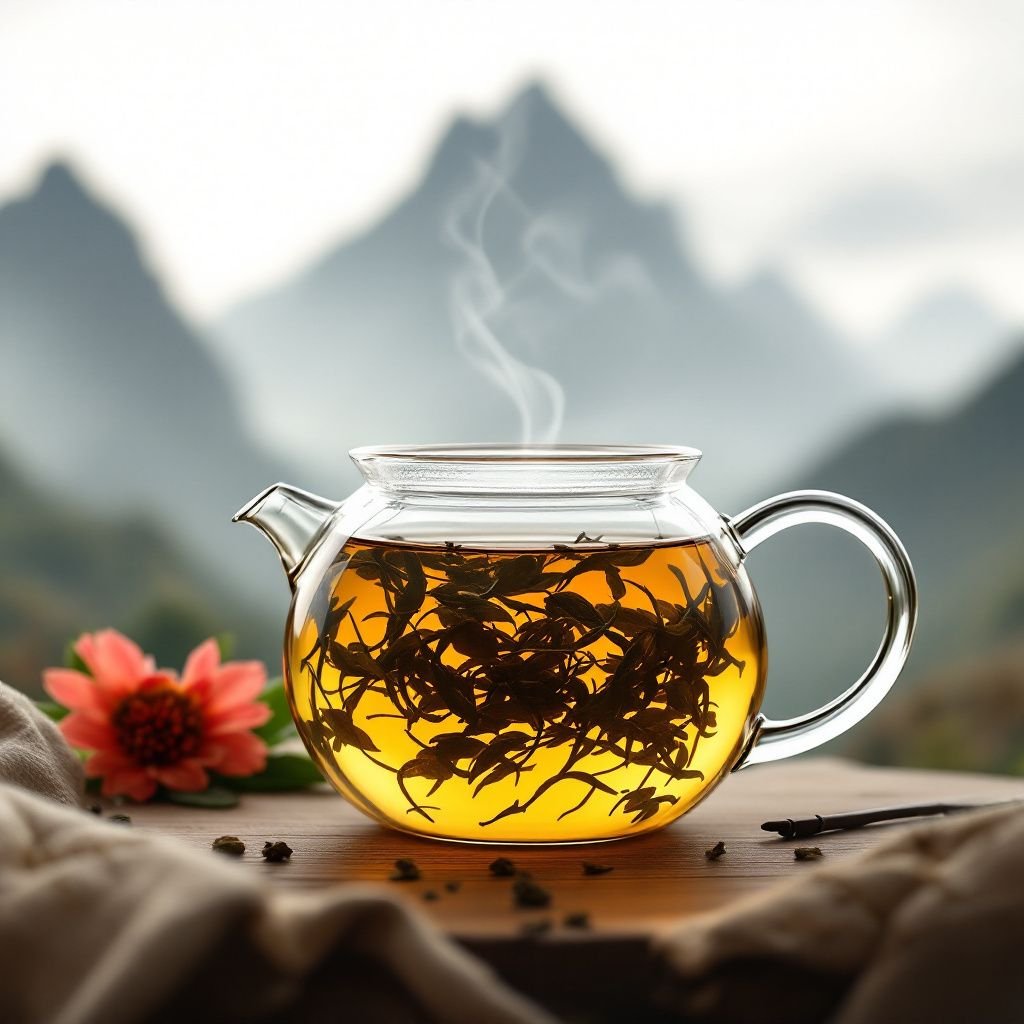
Taiwan is synonymous with oolong tea — including the famous Pinglin Tea District Baozhong — and the varieties produced in Nantou and Alishan are some of the most distinguished. Dong Ding Oolong, originating from Nantou, is noted for its rich, roasted flavor and floral aroma. Alishan oolong, on the other hand, is lighter, with a sweet, creamy taste and a floral finish. These teas are semi-oxidized, striking a perfect balance between green and black teas, offering a complex yet smooth taste profile.
Green Tea
While less common, Taiwan’s green teas are worth exploring. They are typically fresh, with a delicate flavor profile and a hint of sweetness. The clear, pale liquor and subtle aroma make it a refreshing choice for those new to tea or looking for a lighter option.
Tea Tourism Experiences
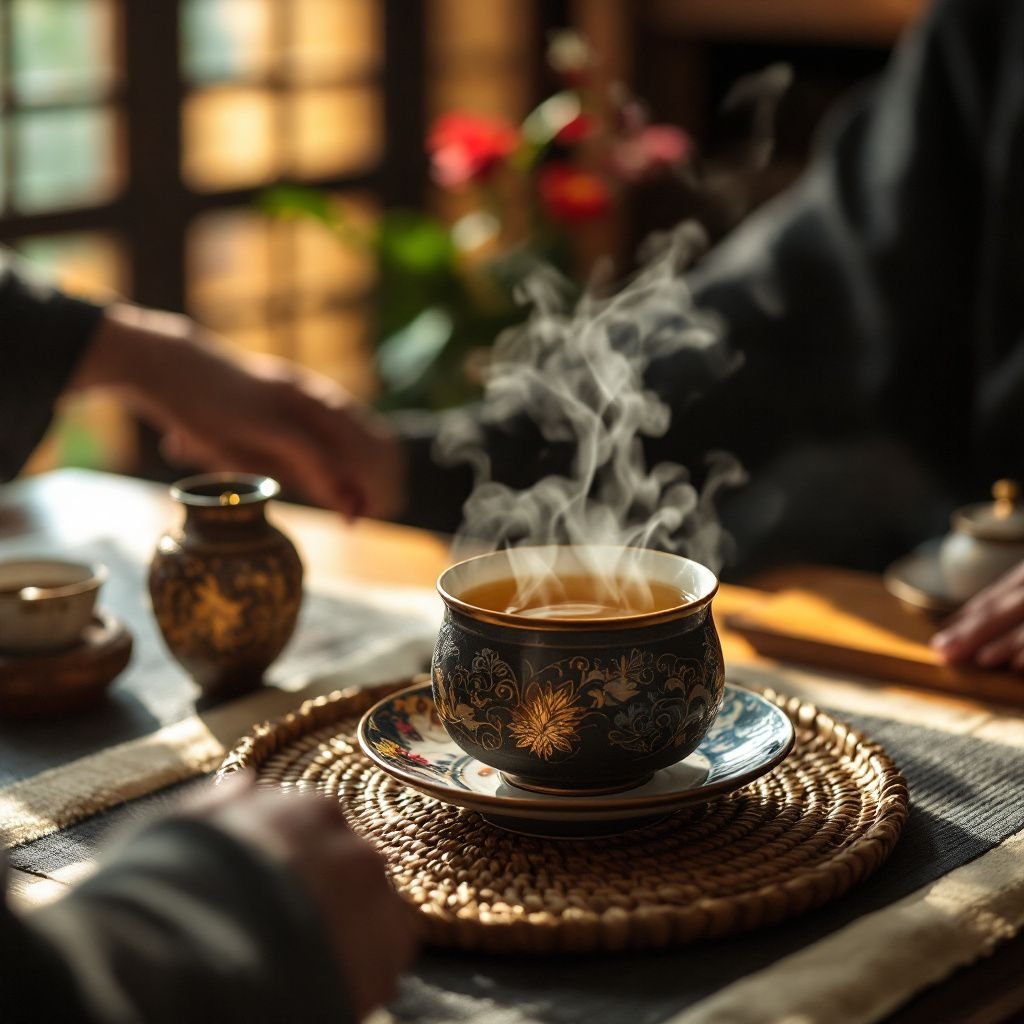
A Taiwan tea road trip is incomplete without indulging in the immersive experiences offered by the region’s tea estates. At the Lugu Tea Culture Center, you can engage in workshops that delve into traditional tea processing techniques — similar to the meditative rituals of the Korean tea ceremony (Darye). that delve into traditional tea processing techniques. Participate in a tea tasting session at the Shan Lin Xi Tea Gardens to discern the subtle differences between various oolong teas. For a cultural touch, attend a traditional tea ceremony in Alishan, where the ritualistic preparation and consumption of tea are performed with precision and grace.
Best Time to Visit
The optimal time to embark on a Taiwan tea road trip is during the spring (April to June) and autumn (September to November) seasons. Before you go, read our guide to planning your first tea tour for essential tips. During these times, the weather is mild and pleasant, making it ideal for outdoor activities and tea plantation visits. Moreover, the tea harvests occur in these seasons, providing an opportunity to witness the bustling activity of tea picking and processing firsthand.
How to Get There
Starting your Taiwan tea road trip is relatively straightforward. Most international flights land at Taoyuan International Airport in Taipei (where you can also explore the secret tea houses of Taipei). From there, you can rent a car or take the high-speed train to the central city of Taichung, which serves as a convenient launch point for visiting Nantou and Alishan. For those preferring public transport, buses and trains connect major towns, though a private vehicle offers the flexibility to explore the scenic routes at your own pace.
Where to Stay
Budget Accommodations
For budget-conscious travelers, hostels and guesthouses are widely available in major towns like Puli and Zhushan, offering comfortable lodging without straining your finances.
Mid-Range Options
Consider staying at a charming bed and breakfast set within the tea plantations, such as the Sun Moon Lake B&B, which provides cozy rooms with panoramic views of the surrounding tea fields.
Luxury Retreats
For a more lavish experience, opt for a stay at the Alishan House, where you can enjoy modern amenities and exquisite service amidst the tranquility of the Alishan mountains.
Costs and Budgeting
Traveling through Taiwan can be affordable, though costs vary depending on your preferences. A daily budget of TWD 2,000-3,000 (USD 70-100) covers meals, accommodation, and local transportation for budget travelers. Mid-range travelers can expect to spend around TWD 3,000-5,000 (USD 100-170) daily, while luxury travelers might budget upwards of TWD 7,000 (USD 240) per day.
Sample Itineraries
3-Day Itinerary
Begin in Taichung, visit the Lugu Tea Culture Center, and explore the Dong Ding tea plantations. Spend a night in Puli before heading to Sun Moon Lake for a relaxing boat tour.
5-Day Itinerary
Follow the 3-day itinerary, then travel to Zhushan to visit Shan Lin Xi Tea Gardens. Continue to Chiayi, the gateway to Alishan, and spend a night there to prepare for an early morning ascent to Alishan.
7-Day Itinerary
Extend the 5-day itinerary by spending additional time in Alishan exploring the hiking trails and partaking in a traditional tea ceremony. Conclude the trip with a visit to the Alishan Tea Plantation and enjoy a sunrise experience at the Alishan viewing platform.
Related Guides
- Exploring Taiwan’s Tea Culture: A Comprehensive Guide
- Top 10 Tea Experiences in Asia
- A Culinary Journey Through Taiwan: What to Eat
- Understanding the Taiwanese Tea Ceremony
- Essential Tips for Driving in Taiwan
Frequently Asked Questions
Is it safe to drive in Taiwan?
Yes, Taiwan has well-maintained roads, though it’s essential to be cautious in mountainous areas.
Do I need a special permit to visit tea plantations?
Most plantations welcome visitors without permits, but it’s advisable to book tours in advance.
What type of vehicle should I rent for the trip?
A compact car is sufficient, but a larger vehicle may be more comfortable for longer drives and luggage.
Are English translations available at tea establishments?
Larger tea centers often have English-speaking staff, but it’s useful to know basic Mandarin phrases.
Can I buy tea directly from the plantations?
Yes, purchasing tea at the source is common, offering fresh products and supporting local businesses.