
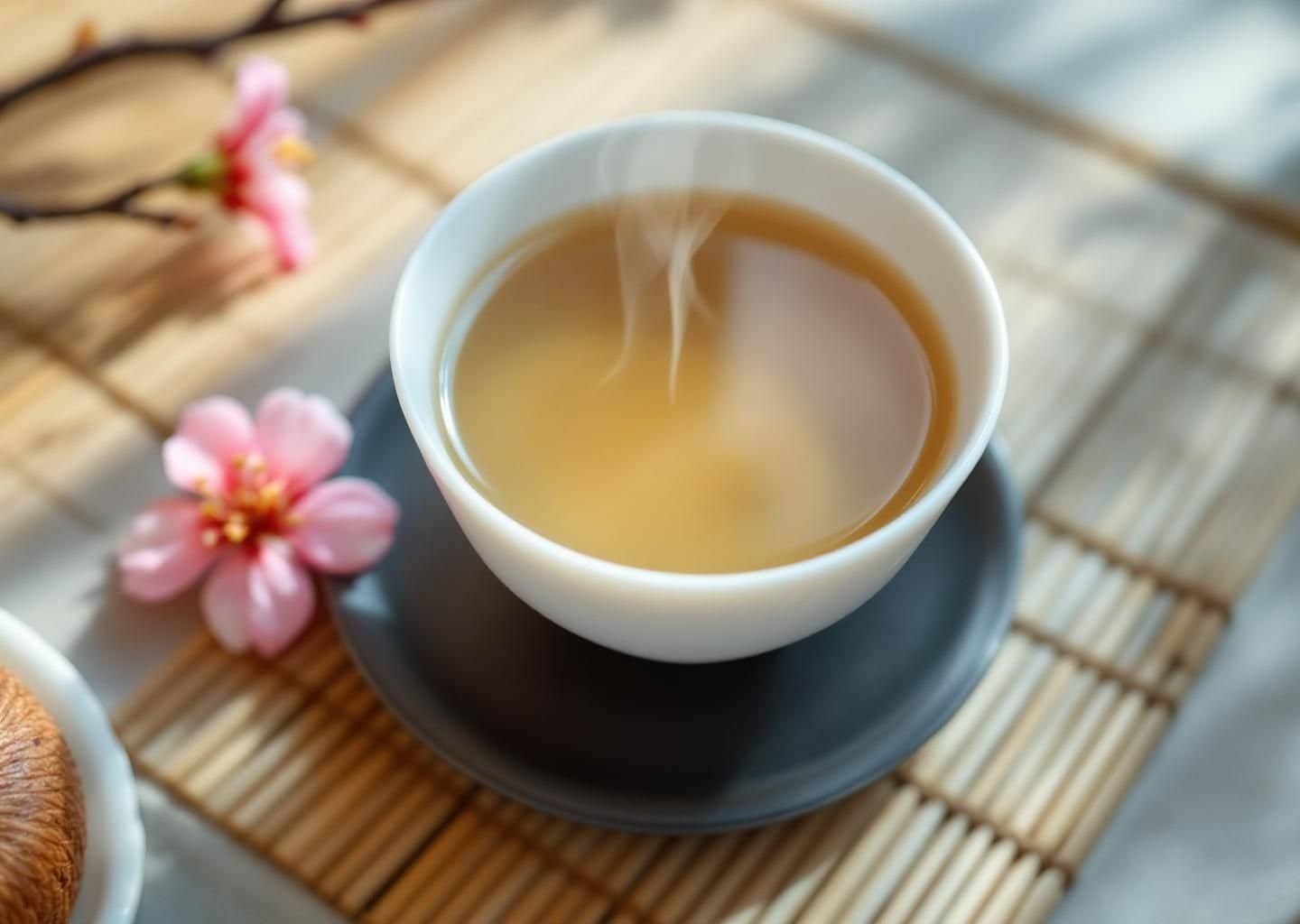
Quick Answer: The Korean tea ceremony, called Darye (다례), is a mindful tea ritual rooted in Buddhist tradition and over 1,200 years of Korean tea culture. Less formal than the Japanese tea ceremony (Chado), Darye emphasizes harmony, relaxation, and natural simplicity. It uses loose-leaf green tea (nokcha) or semi-oxidized balhyocha, served in celadon or white porcelain teaware. Travelers can experience authentic Darye at cultural centers in Seoul’s Insadong district, tea estates in Boseong, and Buddhist temples in Hadong — Korea’s tea heartland.
Introduction to the Korean Tea Ceremony (Darye)
Quick Answer: The Korean tea ceremony (Darye) is a mindful ritual emphasizing simplicity, harmony, and respect. Travelers can experience authentic Darye at traditional teahouses in Seoul’s Insadong district, Gyeongju, and Buddhist temples. Discover more about the history, etiquette, and best venues in this complete guide.
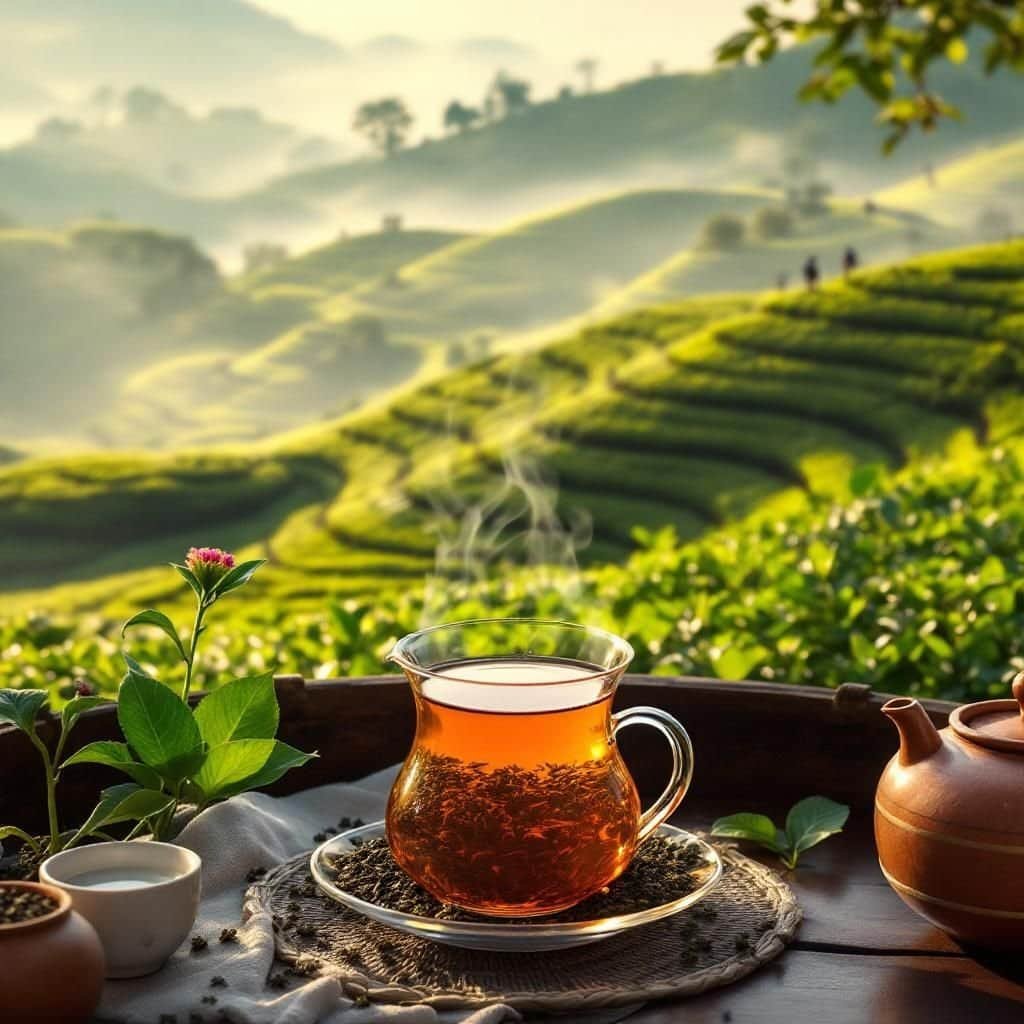
The Korean tea ceremony, known as Darye, is a centuries-old practice that embodies the essence of Korean tea culture. Unlike its Japanese and Chinese counterparts, Darye is less formal and focuses more on relaxation and harmony. In this guide, we delve into the origins, procedures, and cultural significance of the Darye, shedding light on this elegant tradition that has been cherished in Korea for over a millennium.
Buddhist Origins of the Korean Tea Ceremony
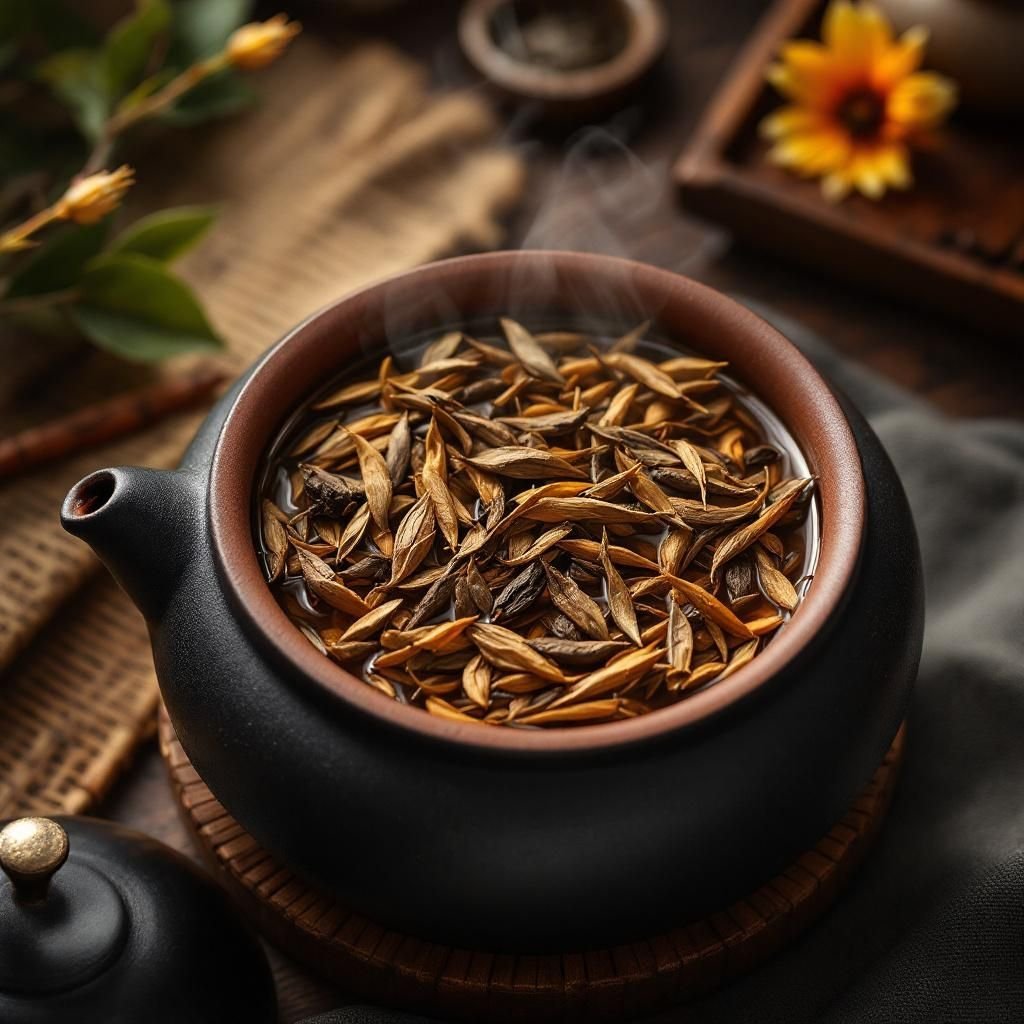
The roots of the Korean tea ceremony can be traced back to the influence of Buddhism in Korea during the Goryeo Dynasty (918–1392). Monks used tea as a means of meditation and spiritual practice. The simplicity and calm associated with the tea ceremony reflect Buddhist principles, emphasizing mindfulness, respect, and a connection with nature. This spiritual backdrop sets Korean tea practices apart from other tea ceremonies across Asia.
Key Differences from Japanese and Chinese Tea Ceremonies
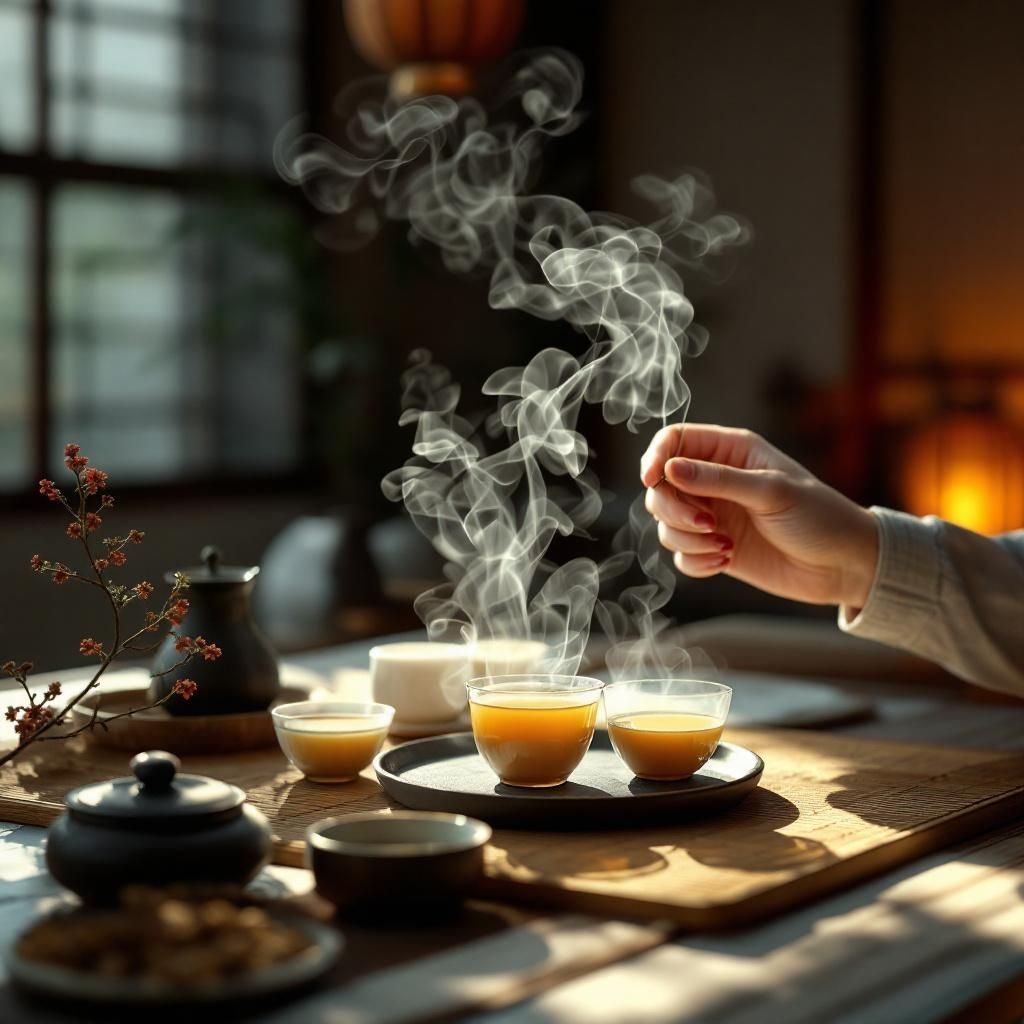
While the Japanese tea ceremony (chanoyu) is highly ritualized with an emphasis on aesthetics and the Chinese Gongfu tea ceremony focuses on the skillful brewing of tea, the Korean Darye is more informal. It prioritizes the experience and enjoyment of tea among friends and family. The setting is often more casual, with participants sitting on the floor using cushions, and the use of simple utensils to brew and serve tea. Darye is conducted with a spirit of ease and serenity, reflecting Korea’s unique cultural identity.
Traditional Korean Teas: Balhyocha and Nokcha
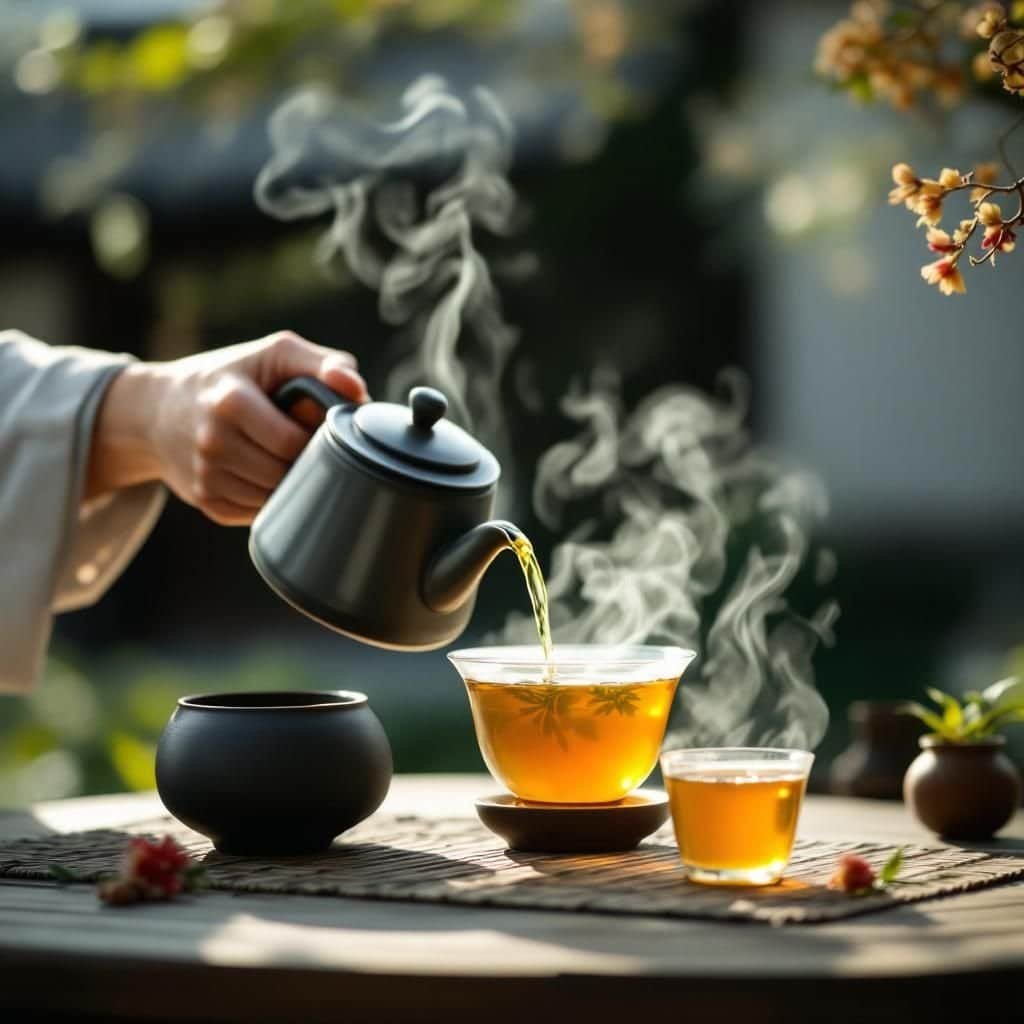
Korea is home to a variety of teas, with Balhyocha (partially oxidized tea) and Nokcha (green tea) being among the most popular. Balhyocha, akin to oolong, offers a rich, mellow flavor with a delicate aroma, often described as a balance between black and green teas. Nokcha, on the other hand, is a vibrant green tea known for its fresh, grassy notes and subtle sweetness. Both types of tea are integral to Korean tea culture and are often featured in Darye ceremonies.
Boseong Tea Plantation: A Must-Visit for Tea Enthusiasts
For those interested in experiencing the heart of Korean tea production, the Boseong Tea Plantation is a must-visit. Located in South Jeolla Province, it is the largest tea plantation in Korea, known for its lush green landscapes and high-quality green tea. Visitors can take guided tours of the plantation, participate in tea tastings, and even learn about the tea-making process, providing a comprehensive understanding of Korean tea culture.
Darye Ceremony Steps: A Step-by-Step Guide
The Darye ceremony follows a graceful sequence that prioritizes mindfulness over rigid ritual. For a complete introduction to the ceremony, see our Darye beginner’s guide. Here is a detailed breakdown of each step:
- Preparation (준비, Junbi): The host arranges the tea space with a clean cloth (다포, dapo), teapot (다관, dagwan), tea cups (찻잔, chatjan), and a cooling bowl (숙우, sugu). The setting should be calm and uncluttered.
- Boiling Water (물 끓이기): Fresh, filtered water is brought to approximately 70–80°C for green tea (nokcha) or 85–90°C for balhyocha. Overheating destroys delicate flavors.
- Warming the Teaware (예열): Hot water is poured into the teapot and cups to warm them, then discarded. This ensures the tea maintains its temperature during serving.
- Measuring Tea Leaves: Approximately 3–5 grams of tea per 150ml of water is placed into the teapot. Korean green tea leaves are typically whole-leaf and unfurled.
- First Steep (첫 번째 우림): Water cooled to the correct temperature is poured over the leaves. Nokcha steeps for 1–2 minutes; balhyocha for 2–3 minutes. The first steep is often the most prized.
- Pouring and Serving (따르기): Tea is poured evenly across all cups in a circular motion to ensure consistent strength. Cups are offered with both hands as a sign of respect.
- Appreciation (감상): Guests observe the color, inhale the aroma, and sip slowly. Quiet conversation or silence is encouraged. Multiple steeps (2–3) are common, each revealing different flavor notes.
The entire ceremony typically lasts 20–45 minutes, depending on the number of guests and steeps.
Traditional Korean Teaware: What to Look For
Korean teaware reflects the country’s aesthetic philosophy of natural simplicity (자연미, jayeonmi). Unlike the elaborate lacquerware of Japan or the Yixing clay pots of China, Korean teaware favors understated elegance:
- Celadon (청자, Cheongja): The iconic jade-green glazed pottery from the Goryeo Dynasty. Celadon teapots and cups are prized for their subtle beauty and are considered national treasures.
- Buncheong Ware (분청사기): A rustic, earthy style from the Joseon Dynasty featuring stamped or painted designs. More casual than celadon, it suits the informal spirit of Darye.
- White Porcelain (백자, Baekja): Pure white ceramics that became dominant in the Joseon era, reflecting Confucian values of simplicity and purity. Ideal for showcasing the color of nokcha.
- Cooling Bowl (숙우, Sugu): A unique Korean teaware piece used to cool boiled water to the correct temperature before steeping — essential for preserving green tea’s delicate flavors.
When shopping for Korean teaware, look for pieces from Icheon (known for white porcelain) or Gangjin (famous for celadon). Authentic handmade pieces are available at Insadong market in Seoul and at pottery villages near Boseong.
Where to Experience Darye in Korea
Seoul Darye Venues
Korean Tea Culture Center (Insadong): The premier venue for tourists, offering daily Darye workshops in English. Workshops cost 25,000 KRW (~$18 USD) and include a tasting of 3 Korean teas. Located at 12 Insadong-gil, Jongno-gu. Open daily 10:00–18:00. Reservations recommended at +82-2-722-7001.
Kyung-In Museum of Fine Art Tea House: A quiet find inside a private art museum in Insadong. Offers intimate Darye experiences (max 6 guests) in a traditional hanok setting. 35,000 KRW per person. Open Tue–Sun, 11:00–17:00. The museum’s celadon collection alone is worth the visit.
Bukchon Hanok Village Tea Houses: Several hanok guesthouses in this historic district offer morning tea ceremonies for guests. Tea Guesthouse (71 Gyedong-gil) includes a complimentary Darye experience with overnight stays from $45/night.
Boseong Tea Estate Experiences
Daehan Dawon (Boseong): The largest tea estate in Korea offers guided Darye experiences in a pavilion overlooking 5.8 million square meters of tea fields. Darye + tea tasting: 20,000 KRW. Open daily 09:00–18:00 (Mar–Nov). Best combined with the Boseong tea fields tour.
Ssanggyesa Temple Stay (Hadong): For a deeply authentic experience, spend 1–2 nights at this 1,400-year-old temple practicing Seon (Zen) meditation and participating in morning Darye with the monks. Temple stay programs start at 50,000 KRW/night including meals. Registration via the Korean Temple Stay website. Hadong is also home to Korea’s wild tea forests — the birthplace of Korean tea culture.
Hadong Wild Tea Festival
Held annually in May, the Hadong Wild Tea Festival celebrates Korea’s oldest tea trees with free Darye demonstrations, tea-picking workshops, and a traditional tea market. The 2026 festival runs May 15–19. Visitors can tour the Seomjin River tea forests and meet fourth-generation tea farmers. Check our guides hub for updated 2026 festival schedules.
Best Time to Visit for Tea Tourism
The best time to explore Korean tea culture is during the spring and autumn months when the weather is mild, and the country’s natural beauty is at its peak. Spring, particularly April and May, is ideal for visiting tea plantations when the first flush of tea leaves is harvested. Autumn, with its cooler temperatures and colorful foliage, offers a picturesque backdrop for tea ceremonies and cultural festivals.
How to Get There
Most international travelers will arrive in South Korea via Incheon International Airport, located near Seoul. From Seoul, domestic flights, trains, and buses connect visitors to various parts of the country, including the Boseong Tea Plantation and other tea-related destinations. Korea’s efficient public transportation system makes it easy to explore both urban and rural areas.
Where to Stay: From Budget to Luxury
Accommodation options in Korea range from budget-friendly hostels and guesthouses to luxury hotels and traditional hanoks. Tea enthusiasts may opt for stays at locations close to tea plantations, such as Boseong. Many tea farms offer guest accommodations, allowing visitors to immerse themselves in the serene surroundings and participate in tea-related activities.
Costs and Budgeting
The cost of experiencing Korean tea culture can vary depending on the activities and accommodations chosen. Here is a 2026 cost breakdown for tea tourism in Korea:
| Expense | Budget | Mid-Range | Luxury |
|---|---|---|---|
| Darye Workshop | $11–18 | $18–30 | $45–80 |
| Tea Tasting (guided) | $8–15 | $15–25 | $30–60 |
| Tea Plantation Tour | $5–10 | $10–20 | $30–50 |
| Accommodation (per night) | $25–45 | $60–120 | $150–350 |
| Meals (per day) | $15–25 | $30–50 | $60–100 |
| Intercity Transport (Seoul–Boseong) | $15–25 | $25–40 | $80–150 (private) |
| Daily Total | $50–80 | $100–180 | $250–450 |
A daily budget of around $50–$150 USD should suffice for most travelers, covering meals, accommodations, transportation, and entry fees to tea-related attractions. Luxury experiences, such as personalized tea tours and stays at high-end resorts, will naturally require a higher budget. Temple stays including meals typically cost 50,000–80,000 KRW ($35–$55 USD) per night.
Sample Itineraries
3-Day Itinerary
Day 1: Arrive in Seoul, visit the Korean Tea Culture Center, and enjoy a traditional tea house in Insadong.
Day 2: Travel to Boseong Tea Plantation, participate in a guided tour, and enjoy a tea tasting session.
Day 3: Explore more of Jeolla Province, visiting local markets and enjoying regional cuisine.
5-Day Itinerary
Days 1-3: Follow the 3-day itinerary.
Day 4: Visit Jeonju Hanok Village, enjoy a tea ceremony, and explore the traditional Korean houses.
Day 5: Return to Seoul, visiting cultural landmarks such as Gyeongbokgung Palace and Namsangol Hanok Village.
7-Day Itinerary
Days 1-5: Follow the 5-day itinerary.
Day 6: Travel to Gyeongju, known as the “museum without walls,” and explore its historical sites.
Day 7: Return to Seoul for shopping in Myeongdong and a farewell dinner at a traditional Korean restaurant.
Related Guides
- Exploring Korean Green Tea Regions
- Best Tea Houses in Seoul
- Cultural Festivals in Korea
- Korean Herbal Teas
- Understanding Asian Tea Ceremonies
Ready to Experience Korean Tea Culture? Get Started Today!
From Seoul’s historic tea houses to Boseong’s rolling green fields, Korea offers unforgettable tea experiences for every traveler. Start planning your Korean tea journey today.
Explore More Tea Culture Guides →
Ready to Experience Korean Tea Culture?
Whether you’re planning a trip to Seoul’s Insadong tea houses or the rolling green fields of Boseong, Korean tea culture offers a deeply mindful travel experience unlike any other.
📍 Top picks: Boseong Tea Fields · Insadong Tea Street · Ssanggyesa Temple Stay · Hadong Wild Tea Festival
Frequently Asked Questions
What is the main purpose of the Korean tea ceremony?
The main purpose is to promote relaxation, mindfulness, and social harmony, often among family and friends.
How does Darye differ from other tea ceremonies?
Darye is more informal and focuses on the enjoyment of tea rather than strict rituals or aesthetics.
Can tourists participate in a Korean tea ceremony?
Yes, many cultural centers and tea houses in Korea offer opportunities for tourists to participate in or observe Darye ceremonies.
What are the main types of tea used in Darye?
The main types include Balhyocha (partially oxidized tea) and Nokcha (green tea).
When is the best time to visit Korea for tea tourism?
The best times are spring (April-May) and autumn (September-November) for mild weather and beautiful scenery.
What temperature should water be for Korean green tea (nokcha)?
Korean green tea (nokcha) is best brewed at 70–80°C (158–176°F). Using water that is too hot will make the tea bitter and destroy its delicate amino acids. The traditional Korean cooling bowl (숙우, sugu) is used to bring boiled water to the correct temperature before steeping.
What is the best Korean tea to buy as a souvenir?
The best Korean tea souvenirs include Boseong green tea (nokcha), which is Korea’s most famous tea region, and balhyocha (semi-oxidized tea) for a unique Korean flavor. Look for teas from Hadong, Boseong, or Jeju Island. Packaged in traditional Korean gift boxes, these make excellent souvenirs available at tea shops in Insadong, Seoul, or directly from Boseong tea farms.
How is the Korean tea ceremony different from the Japanese tea ceremony?
The Korean Darye ceremony is less formal and more relaxed than the Japanese Chado (茶道). While Japanese tea ceremony follows strict choreography with powdered matcha (usucha or koicha), Korean Darye uses loose-leaf green tea (nokcha) or semi-oxidized balhyocha brewed in a teapot. Korean ceremony emphasizes natural simplicity and conversation, whereas Japanese ceremony prioritizes precise ritual and aesthetic perfection. Korean teaware tends toward celadon or white porcelain with organic forms, contrasting with Japan’s wabi-sabi rustic aesthetic.
What is darye tea ritual and how do I participate as a traveler?
Darye (다례) is Korea’s traditional tea ritual, rooted in Buddhist and Confucian values of mindfulness and respect. As a traveler, you can participate by visiting cultural centers in Seoul’s Insadong district, tea estates in Boseong, or Buddhist temples in Hadong. Most venues offer guided experiences in English. Key etiquette: receive tea with both hands, sip slowly and quietly, and avoid rushing. No prior experience is needed — hosts will guide you through each step. Workshops typically cost 15,000–30,000 KRW (approximately $11–$22 USD) and last 60–90 minutes.

