
Quick Facts Box

- Country: Taiwan
- Region: Lishan
- Best Time to Visit: March to May and September to November
- Currency: New Taiwan Dollar (TWD)
- Language: Mandarin Chinese
- Visa Requirements: Visa-free access for many countries up to 90 days
Introduction to Lishan High Mountain Tea
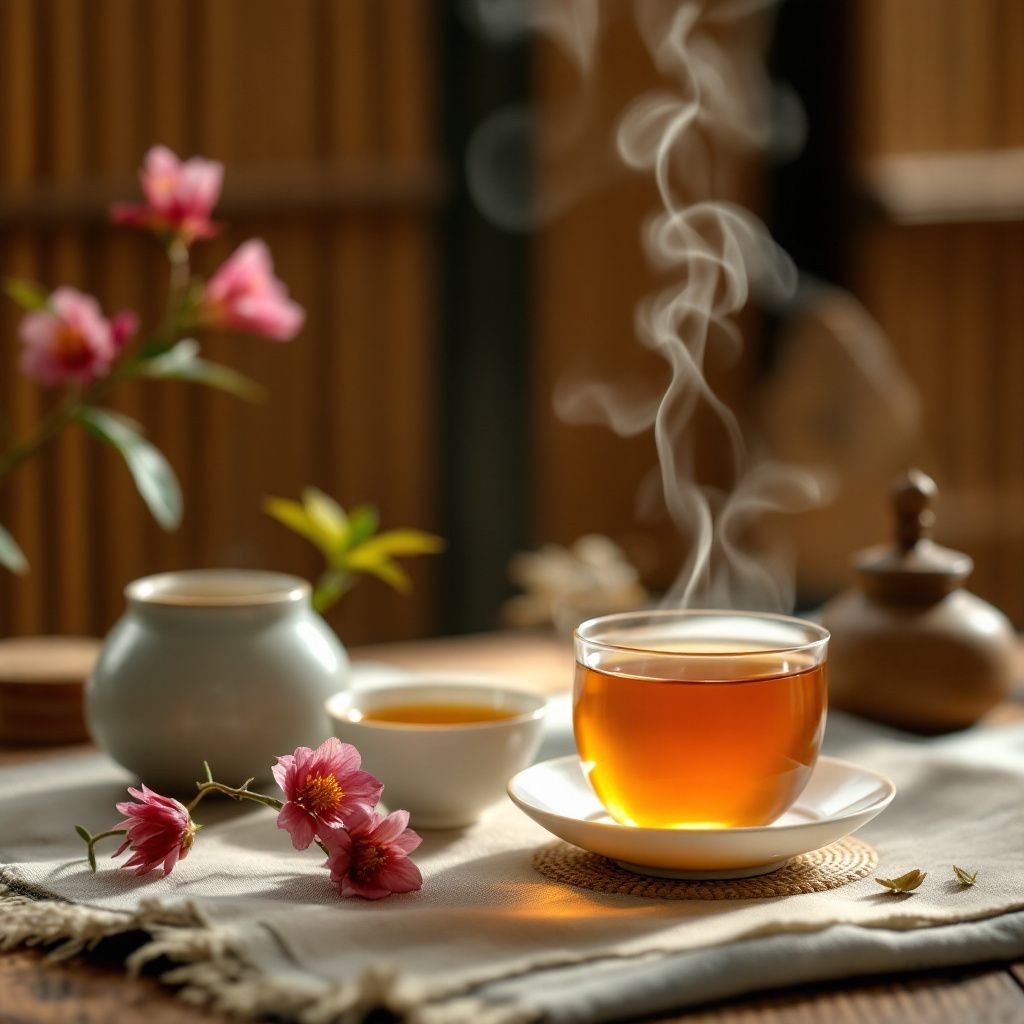
Set in the lofty peaks of central Taiwan, Lishan is a mesmerizing destination renowned for its high-altitude tea plantations. The area is famed for producing some of the world’s finest oolong teas, thanks to its unique climate and fertile soil. Lishan translates to “Pear Mountain,” and its tea gardens are perched at altitudes of 1,800 to 2,600 meters, making it one of the highest tea-producing regions in Taiwan. This guide aims to provide an in-depth look at Lishan tea tourism, offering insights into the best tea regions, the types of tea produced, and the unique experiences awaiting travelers. Capture the beauty of these landscapes with our expert tea plantation photography guide.
Best Tea Regions in Lishan
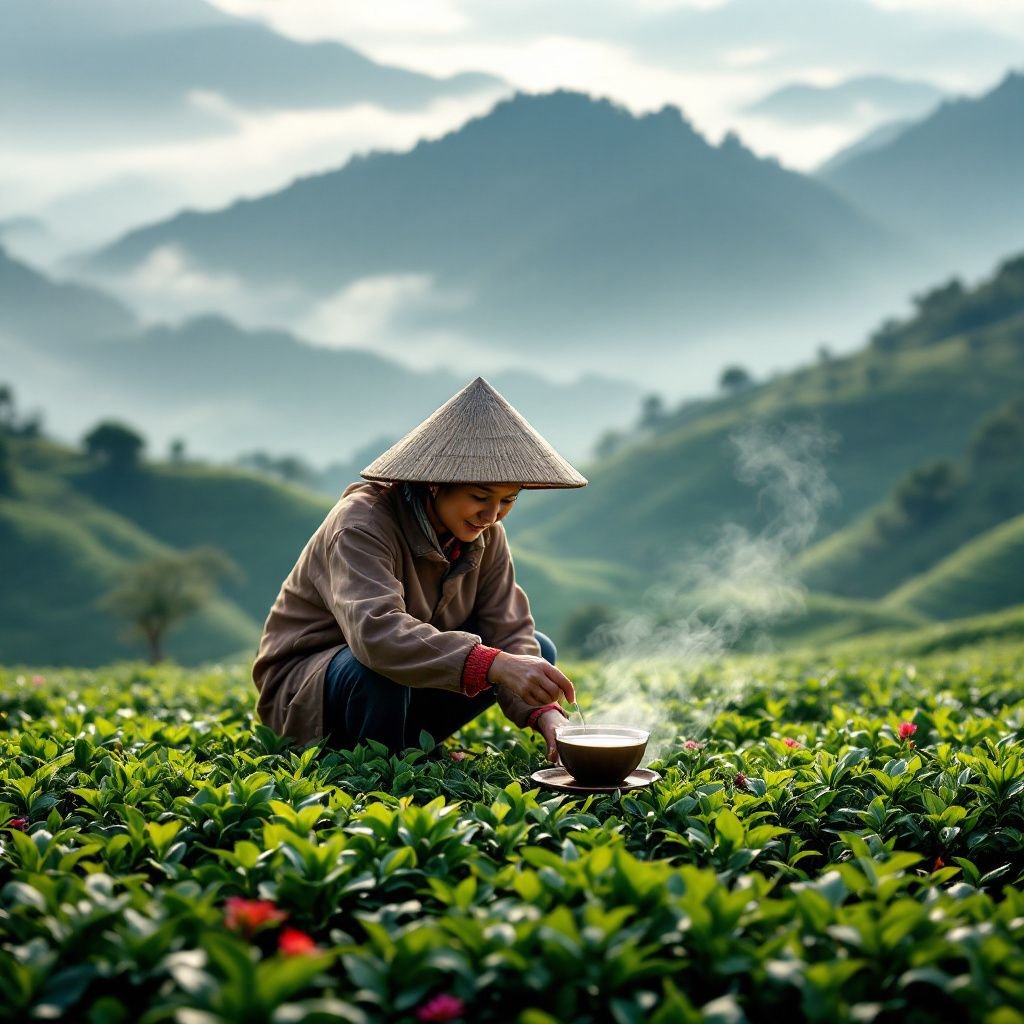
The Lishan region is dotted with several notable tea gardens, each offering a distinct flavor profile and experience. Key estates include the Fushoushan Farm, which is not only a prime tea-producing area but also a stunning attraction with panoramic views of the surrounding landscape. Another significant estate is the Cuifeng Tea Garden, known for its meticulously cultivated tea bushes and rich, aromatic oolong tea. These gardens capitalize on the misty, cool climate, which is ideal for growing high-quality teas that are sought after worldwide.
Types of Tea Produced
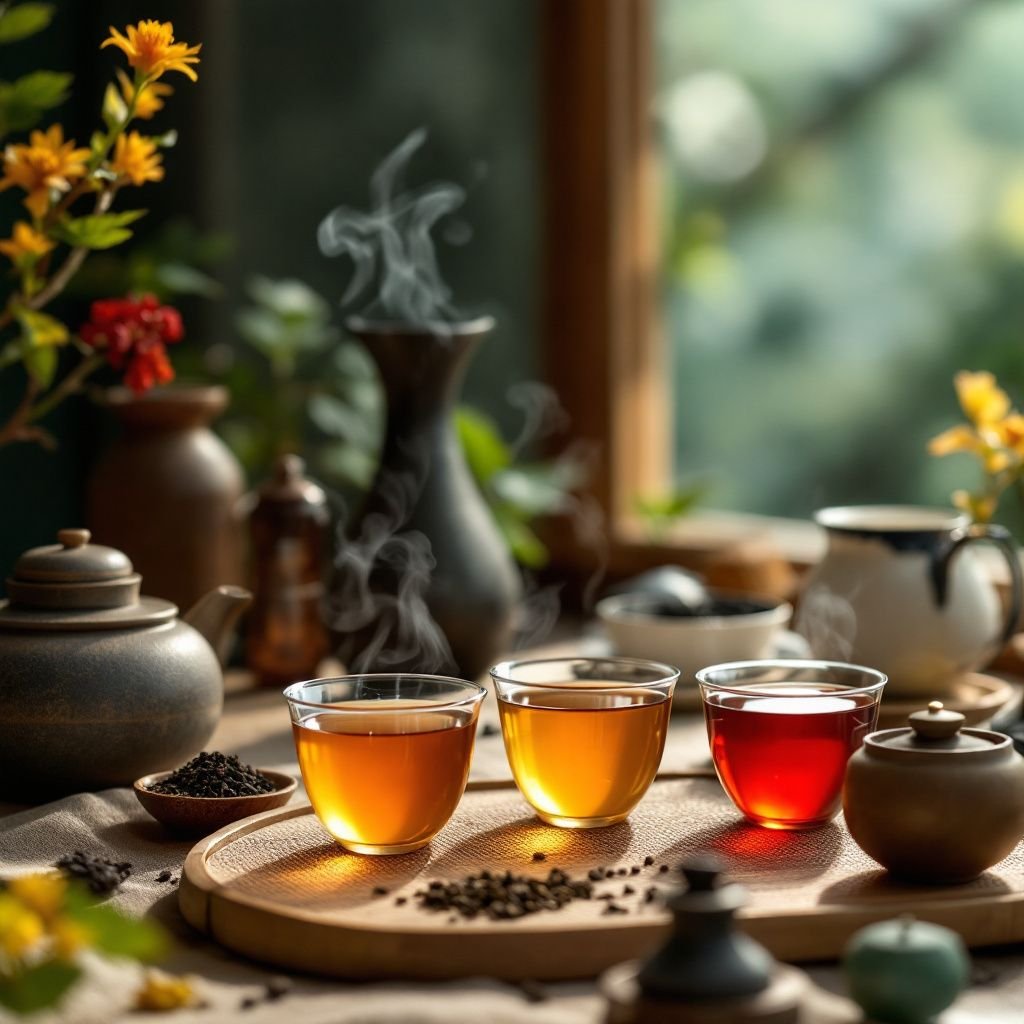
Lishan is primarily known for its exceptional oolong teas, which are celebrated for their complex flavors and fragrant aromas. The high mountain oolongs from Lishan are typically lightly oxidized, resulting in a fresh, floral taste with a creamy texture. Tasting notes often include hints of lilac, orchid, and a subtle buttery finish. The Lishan spring harvest is particularly prized, as the cooler temperatures and slower growth result in leaves with concentrated flavors and aromas. For another unique tea origin experience, explore the rooibos harvest in South Africa.
Tea Tourism Experiences
Tea tourism in Lishan offers a plethora of engaging experiences for enthusiasts and novices alike. Visitors can participate in tea tastings at local estates, where they can sample different varieties and learn about the subtle nuances between them. Many plantations offer guided tours, providing insights into the tea cultivation and production process. Moreover, some estates host traditional tea ceremonies, offering a cultural immersion into Taiwanese tea traditions. Hiking Lishan tea trails is another popular activity, allowing travelers to explore the region’s scenic beauty while learning about its rich tea heritage.
Best Time to Visit
The best time to visit Lishan for tea tourism is during the spring and autumn months (March to May and September to November). During these periods, the weather is mild, and the tea gardens are lush and vibrant, offering optimal conditions for both tea production and outdoor activities. The spring harvest season is an especially exciting time to visit, as visitors can witness the meticulous plucking process and taste the fresh teas. Tea enthusiasts also enjoy the ancient traditions of Tea Garden Forest Bathing in Shizuoka: A Wellness Guide.
How to Get There
Reaching Lishan requires a bit of planning but is well worth the journey. The nearest major city is Taichung, which is accessible by high-speed rail or domestic flights from Taipei. From Taichung, travelers can take a bus or hire a private car to ascend the winding roads leading to Lishan. The scenic drive offers breathtaking views of the Taiwanese countryside, setting the stage for the tranquil tea gardens that await.
Where to Stay
Lodging options in Lishan range from budget-friendly guesthouses to luxurious tea estate stays. For a unique experience, consider staying at a tea plantation where you can immerse yourself in the daily rhythm of tea life. The Fushoushan Farm offers accommodations that allow guests to savor the serene environment and stunning views. Alternatively, there are family-run guesthouses that provide a cozy and authentic Taiwanese hospitality experience.
Costs and Budgeting
The cost of visiting Lishan can vary depending on your travel style. Budget travelers can expect to spend around 1,500 to 2,500 TWD per day, which includes accommodation in guesthouses, meals, and public transportation. Mid-range travelers might budget 3,000 to 5,000 TWD daily, allowing for more comfortable lodging and guided tours. For a luxury experience, particularly staying at high-end tea estates, expect to spend upwards of 6,000 TWD per day.
Sample Itineraries
3-Day Itinerary
Day 1: Arrival in Taichung, travel to Lishan, and enjoy an evening tea tasting.
Day 2: Visit Fushoushan Farm, partake in a guided tea tour, and hike nearby trails.
Day 3: Explore Cuifeng Tea Garden and experience a traditional tea ceremony.
5-Day Itinerary
Days 1-3: Follow the 3-day itinerary.
Day 4: Visit local cultural sites, such as temples and local markets.
Day 5: Participate in an advanced tea workshop or cooking class using tea.
7-Day Itinerary
Days 1-5: Follow the 5-day itinerary.
Day 6: Day trip to Hehuanshan for panoramic views and hiking.
Day 7: Relax at the hot springs and reflect on the tea journey.
Frequently Asked Questions
What is the best time to experience Lishan spring harvest?
The Lishan spring harvest is best experienced from March to May.
How can I book a tea tour in Lishan?
Many tea estates offer online booking options or can be arranged through local tour operators.
Are there English-speaking guides available?
Yes, many tours provide English-speaking guides to cater to international visitors.
What should I pack for a trip to Lishan?
Pack layered clothing, sturdy shoes for hiking, and a raincoat for unpredictable weather.
Can I buy Lishan oolong tea to take home?
Absolutely, many tea estates offer packaged teas for purchase at their shops.
