
Quick Facts Box
- Country: China
- Region: Hunan Province
- Best Time to Visit: March to May, September to November
- Currency: Chinese Yuan (CNY)
- Language: Mandarin Chinese
- Visa Requirements: Tourist visa required for most non-Chinese nationals
Introduction to Anhua Black Tea Travel
Hunan Province in China is a captivating destination for tea enthusiasts, especially those interested in exploring the rich heritage of Anhua black tea. For broader context on Chinese tea culture, history, and traditions, our comprehensive guide is an excellent starting point. Known for its unique dark tea variety, Anhua offers travelers a blend of scenic beauty, Chinese tea culture, and a deep dive into the traditional tea-making processes. This guide will take you through the picturesque mountain trails, time-honored tea factories, and the storied past of compressed tea logs that define this region.
Best Tea Regions in Hunan
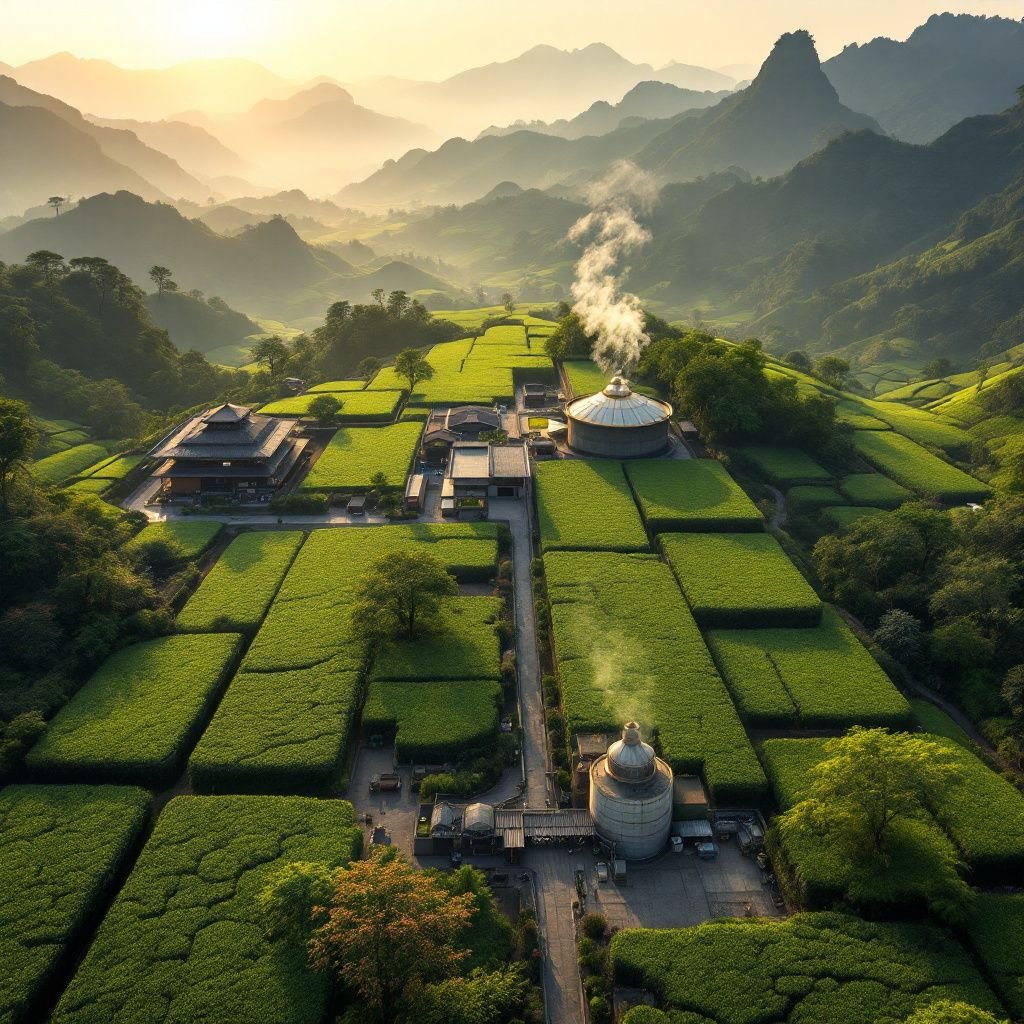
In Hunan, the most renowned tea-producing area is Anhua County, located in the western part of the province. The lush mountains and fertile lands here provide an ideal environment for cultivating dark tea. Key estates include the Yuntai Mountain Tea Garden and Tianzi Mountain Tea Estate. These regions are not only significant for their tea production but also for their breathtaking landscapes and biodiversity, making them perfect for both tea lovers and nature enthusiasts alike.
Types of Tea Produced in Anhua

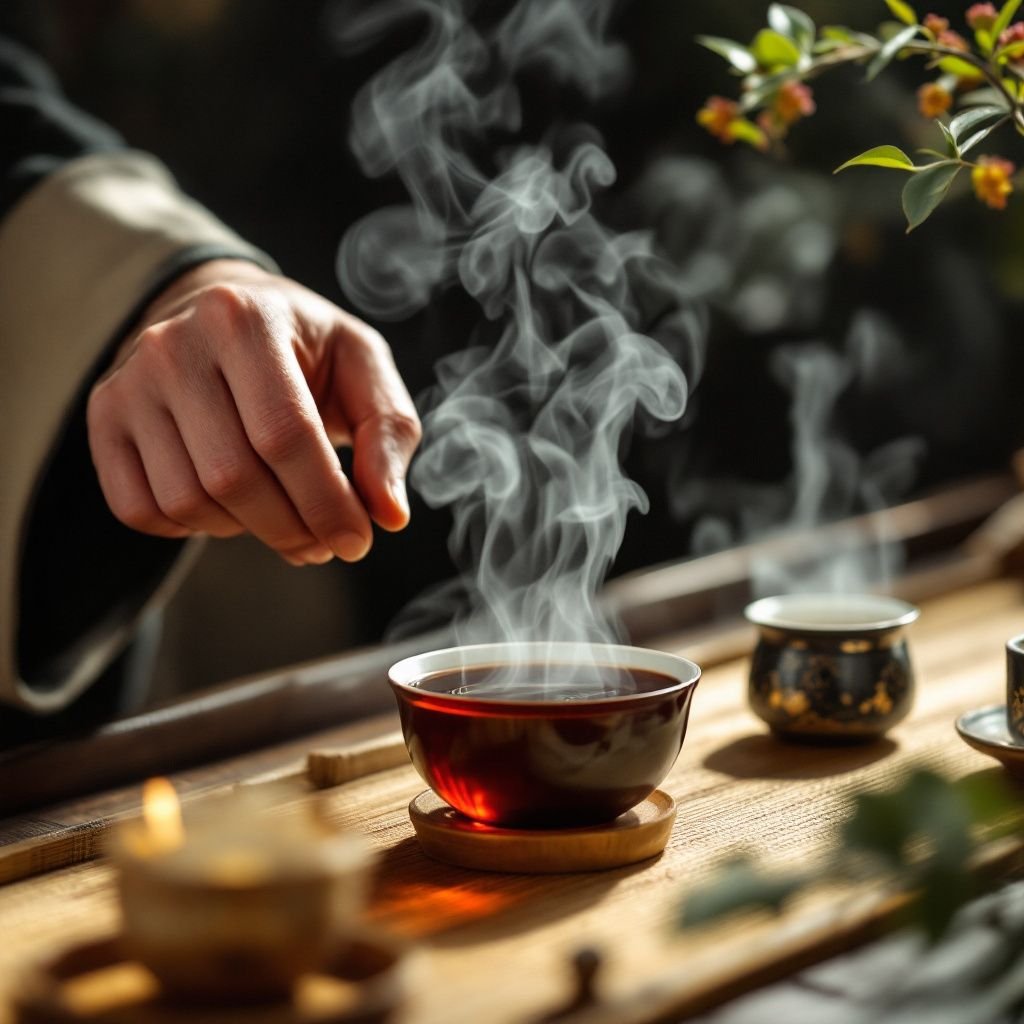
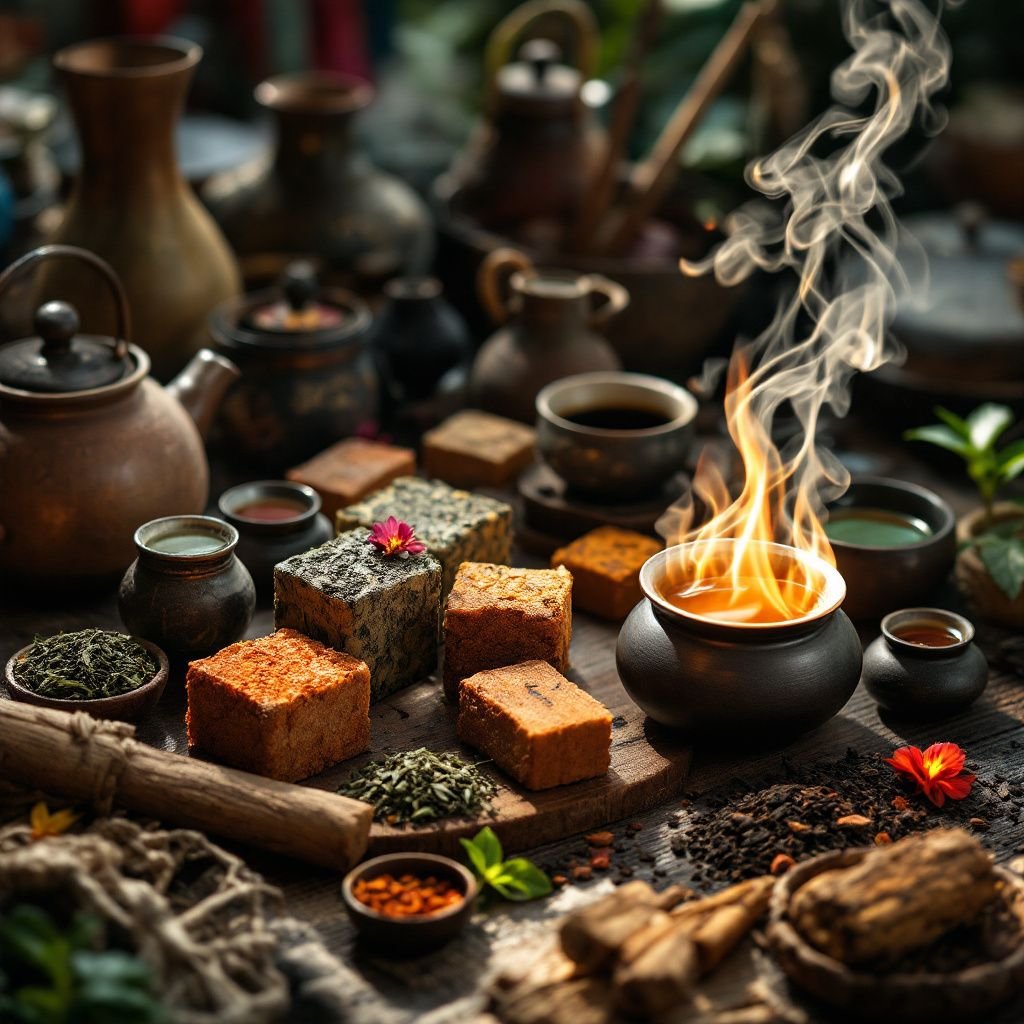
Anhua is primarily famous for its dark tea, often referred to as ‘black tea’ in China, distinguished from what the West calls black tea. This tea undergoes a fermentation process, resulting in a robust flavor profile that is deeply earthy with woody undertones. Brewing it using traditional Gongfu Cha methods enhances its complex character. Tasting notes often include hints of malt, chocolate, and a subtle smokiness. The most famous variant is the Anhua Dark Tea Brick, which is traditionally compressed into various shapes, including bricks and logs, enhancing its aging potential and unique flavor development over time.
Tea Tourism Experiences in Anhua
A trip to Anhua is incomplete without engaging in the local tea tourism experiences. Visitors can participate in guided tours of the tea estates, where they learn about the cultivation and processing of dark tea. Tours often include a visit to heritage factories, such as the Baishaxi Tea Industry, and some operators offer extended journeys tracing the historic Ancient Tea Horse Road, where you can witness the intricate steps of tea fermentation and compression. Additionally, joining a traditional Hunan tea ceremony offers insight into the cultural significance and the meticulous etiquette involved in tea preparation and consumption.
Best Time to Visit Anhua
The ideal time to visit Anhua is during the spring and autumn months, specifically from March to May and September to November. During these periods, the weather is mild and pleasant, providing optimal conditions for exploring the tea gardens and participating in outdoor activities. The spring season is particularly vibrant, with tea leaves at their freshest and the landscape in full bloom, offering a picturesque backdrop for your tea journey.
How to Get There
Traveling to Anhua is relatively straightforward. If you plan to visit multiple tea regions, our guide on how to book private tea garden tours in China offers practical booking tips. The nearest major city is Changsha, the capital of Hunan Province, which is well-connected by air and rail. From Changsha, you can take a train or hire a car to Anhua, which is approximately a three-hour drive. Local transportation options include buses and taxis, which are convenient for navigating the county and visiting various tea estates.
Where to Stay
Anhua offers a range of accommodation options to suit different budgets. For a luxurious experience, consider staying at the Yuntai Mountain Resort, which provides stunning views and top-notch amenities. Mid-range travelers can opt for the Anhua Tea Cultural Hotel, which combines modern comforts with traditional decor. For budget-friendly options, local guesthouses and hostels offer affordable and authentic stays, often with opportunities to interact with local families.
Costs and Budgeting
Budgeting for a trip to Anhua can vary based on your travel style. On average, daily expenses can range from 300 to 500 CNY, including accommodation, meals, and transportation. Entrance fees to tea estates and participation in tea ceremonies are usually additional costs, ranging from 50 to 100 CNY per experience. Dining at local eateries offers affordable and delicious meals, with prices ranging from 20 to 50 CNY per dish.
Sample Itineraries
3-Day Itinerary: Spend the first day exploring the Yuntai Mountain Tea Garden and participating in a tea ceremony. On the second day, visit the Baishaxi Tea Industry for a factory tour, followed by a hike through the scenic trails of Tianzi Mountain. Conclude with a cultural tour in Anhua town.
5-Day Itinerary: Begin with the 3-day itinerary, and on the fourth day, visit the local markets and enjoy a cooking class featuring tea-infused dishes. On the fifth day, relax with a visit to a local spa offering tea-based treatments.
7-Day Itinerary: In addition to the 5-day itinerary, spend extra days exploring nearby attractions such as the Fenghuang Ancient Town and the Zhangjiajie National Forest Park, both offering unique cultural and natural experiences.
Related Guides
Explore other tea destinations in China, such as the Green Tea of Hangzhou and the Pu-erh Tea of Yunnan along the Ancient Tea Horse Road, to broaden your understanding of China’s diverse tea culture.
Frequently Asked Questions
What makes Anhua black tea unique?
Anhua black tea is known for its fermentation process, resulting in a rich, earthy flavor with unique tasting notes like malt and chocolate.
How can I book a tea tour in Anhua?
Most tea tours can be booked through local tour operators or directly at the tea estates.
Are there English-speaking guides available?
While English-speaking guides are available, it is recommended to confirm this when booking your tour, as availability may vary.
Can I buy Anhua dark tea to take home?
Yes, most tea estates offer packaged dark tea, perfect for gifts or personal use, allowing you to enjoy the flavors of Anhua at home.
What are the health benefits of drinking Anhua dark tea?
Anhua dark tea is believed to aid digestion, reduce cholesterol, and improve cardiovascular health due to its unique fermentation process.
