
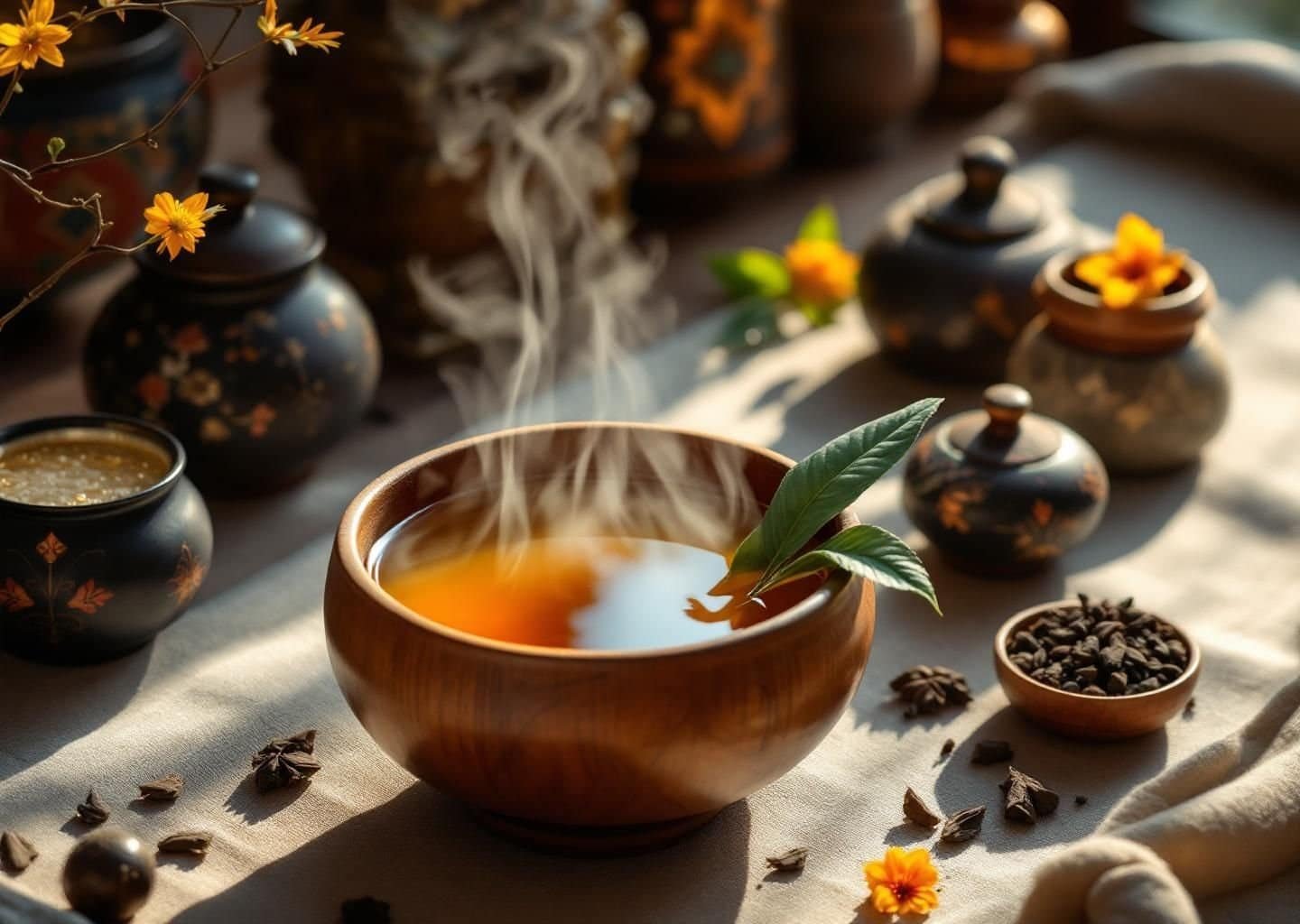
What to Expect in a Tibetan Tea Ceremony
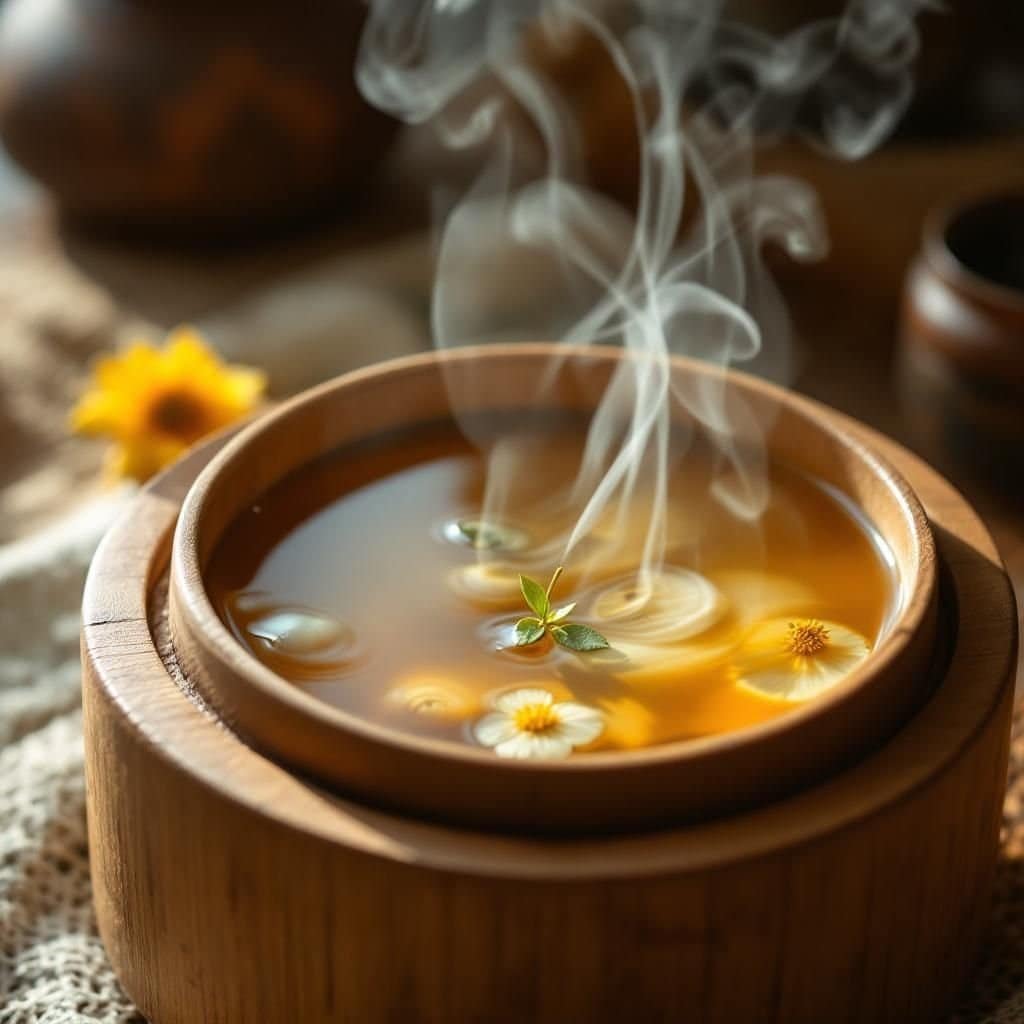
The Tibetan tea ceremony, known as Po Cha, is a profound cultural ritual that offers an immersive experience into the heart of Tibetan hospitality and tradition. As you enter a traditional Tibetan home, you are often greeted with the warmth of a steaming cup of butter tea. This ceremony is not just about drinking tea; it is about community, sharing, and the expression of gratitude.
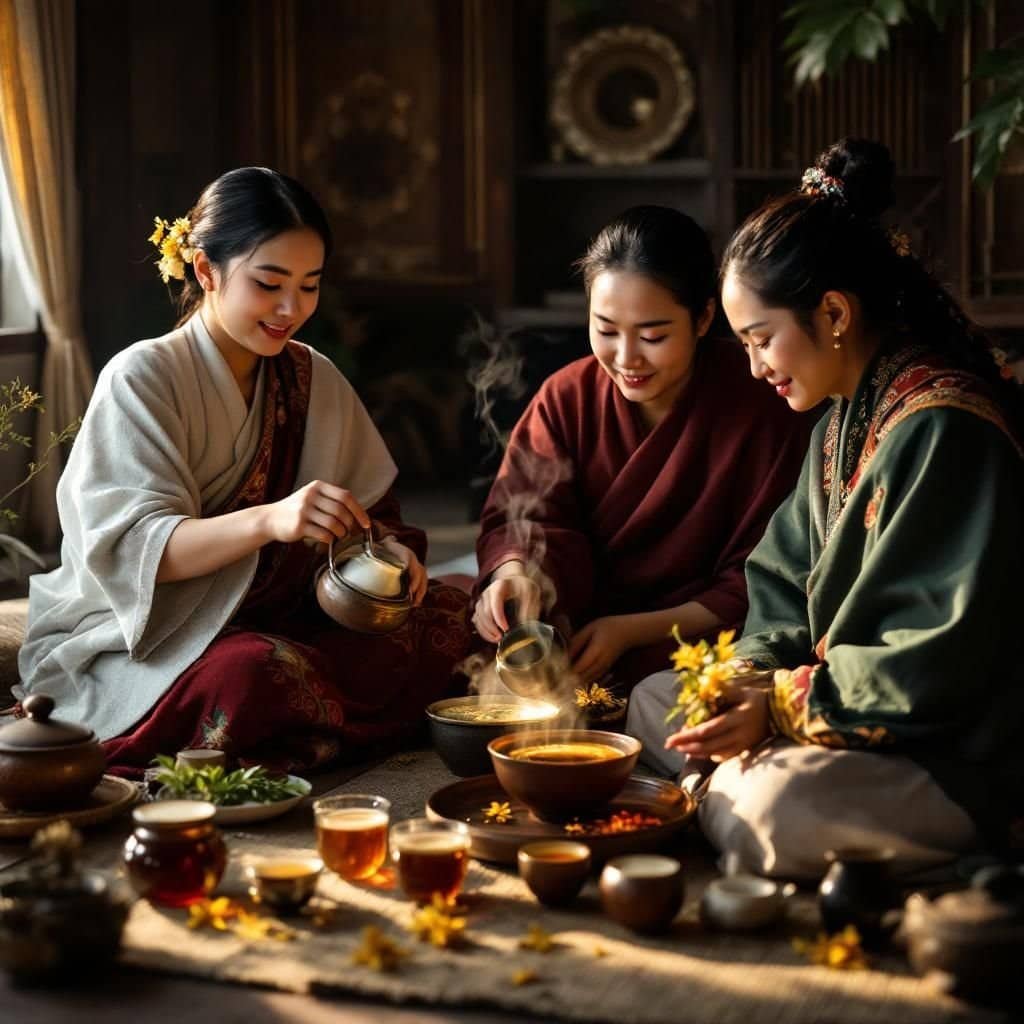
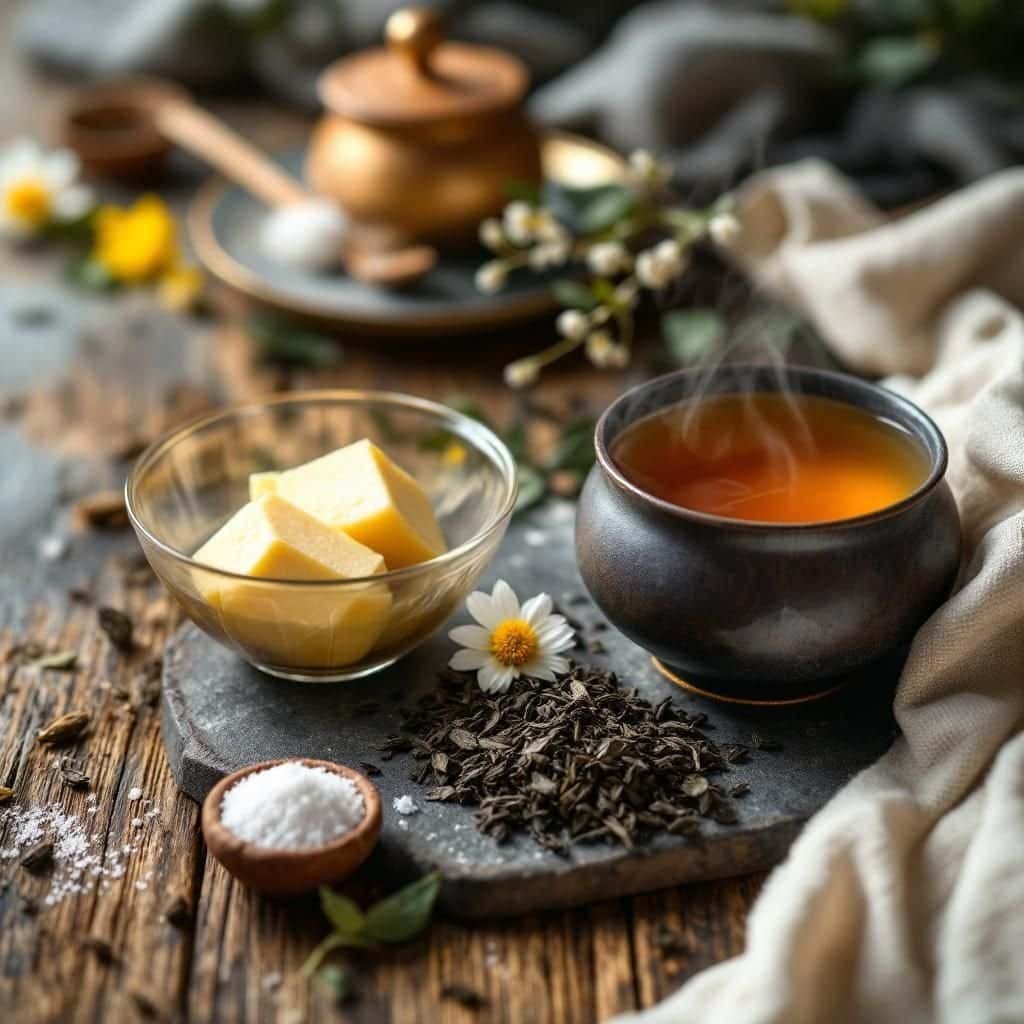
The ceremony typically takes place in the living area, where family and guests gather around a low table. The host prepares the tea using a unique combination of black tea, yak butter, and salt. The process is both meticulous and meditative, involving the churning of these ingredients in a special churn called a ‘chandong’. The resultant brew is thick, creamy, and has a distinct savory flavor that might surprise first-time tasters.
The ceremony is often accompanied by the sharing of food and stories, making it an intimate experience that bonds participants. Visitors are encouraged to drink multiple cups, as it is considered impolite to leave a cup unfinished. This gesture signifies acceptance and respect for the host’s hospitality.
Booking Information and Planning Your Visit
Booking a Tibetan tea ceremony experience can be done through various cultural tour operators in Tibet. It’s advisable to plan your visit between May and October when the weather is most accommodating for travel. Many tours offer the tea ceremony as part of a broader cultural itinerary, which might include visits to monasteries and local villages.
When booking, ensure that the experience includes a knowledgeable guide who can provide insights into the historical and cultural significance of the ceremony. Most tours require advance booking, especially during the peak tourist season, to secure a spot in smaller, more authentic settings.
Consider booking with agencies that prioritize sustainable tourism and support local communities. This ensures that your experience contributes positively to the preservation of Tibetan culture and the local economy.
Costs and What is Included
The cost of participating in a Tibetan tea ceremony varies depending on the location and the type of tour package chosen. On average, a cultural tour inclusive of the tea ceremony might range from $50 to $150 per person. This generally covers the tea ceremony, guide services, and sometimes additional cultural activities.
Some tours may also include meals, transportation, and entrance fees to other cultural sites, providing a comprehensive experience. Always check what is included in your package to avoid unexpected expenses.
While in Tibet, purchasing locally crafted souvenirs such as traditional tea bowls or butter churns can be a meaningful way to remember your experience and support local artisans.
Tips for First-Timers
If it’s your first time experiencing a Tibetan tea ceremony, here are a few tips to enhance your visit. Firstly, approach the ceremony with an open mind and willingness to embrace new flavors. The taste of butter tea is unique and may require some getting used to, but it is an integral part of the cultural experience.
Dress appropriately, respecting local customs. Modest attire that covers the shoulders and knees is recommended, especially when visiting religious sites. It’s also polite to wait until your host has taken the first sip before you do.
Engage with your hosts and other participants by asking questions and sharing stories. This interaction enriches the experience and fosters a deeper understanding of Tibetan culture.
Best Time to Go
The ideal time to experience a Tibetan tea ceremony is during the warmer months from May to October. During this period, the weather is more conducive to travel, and the high-altitude landscape is at its most picturesque. Festivals such as Saga Dawa and Shoton also occur during these months, providing additional cultural experiences.
Summary: The Tibetan butter tea ceremony (Po Cha) is a centuries-old ritual blending yak butter, salt, and tea into a nourishing beverage. Visitors to Tibet and Himalayan regions can experience authentic Po Cha ceremonies at monasteries and tea houses, learning about its cultural significance, health benefits, and proper etiquette. This guide covers everything you need to plan your visit, from booking tips to what to expect during the ceremony.
Winter months can be harsh in Tibet, with many roads inaccessible due to snow. However, if you are prepared for the cold, visiting during the Tibetan New Year (Losar) can offer a unique glimpse into local celebrations where butter tea plays a central role.
Alternatives and Similar Experiences
For those unable to travel to Tibet, similar experiences can be found in Tibetan communities around the world, particularly in regions like Nepal and India where Tibetan refugees have settled. In these communities, you can partake in a similar tea ceremony and learn about the diaspora’s efforts to preserve Tibetan culture.
Additionally, many cultural festivals around the world celebrate Himalayan traditions, including the preparation of butter tea. Attending such events can provide a taste of Tibetan culture and traditions without the need for extensive travel.
Ready to Experience Tibetan Butter Tea?
Start planning your Himalayan tea journey today. Explore our complete destination guides for Tibet, Nepal, and Bhutan to discover more authentic tea experiences. Book your trip now and immerse yourself in one of the world’s most unique tea traditions.
Frequently Asked Questions
What is butter tea made of?
Butter tea, or Po Cha, is made from black tea, yak butter, and salt.
Why is butter tea significant in Tibetan culture?
Butter tea is a staple in Tibetan culture, providing essential calories and warmth in the cold climate.
Can I make butter tea at home?
Yes, you can make butter tea at home using black tea leaves, butter, salt, and milk or cream.
Is butter tea served in other cultures?
Similar tea preparations are found in Bhutan and Nepal, where butter tea is also a traditional beverage.
How should I behave during a Tibetan tea ceremony?
Be respectful, drink your tea slowly, and engage with your hosts.

Related Guides
- Meditative Himalayan tea ceremonies
- Chinese tea culture and traditions
- The art of the Thai tea ceremony
