
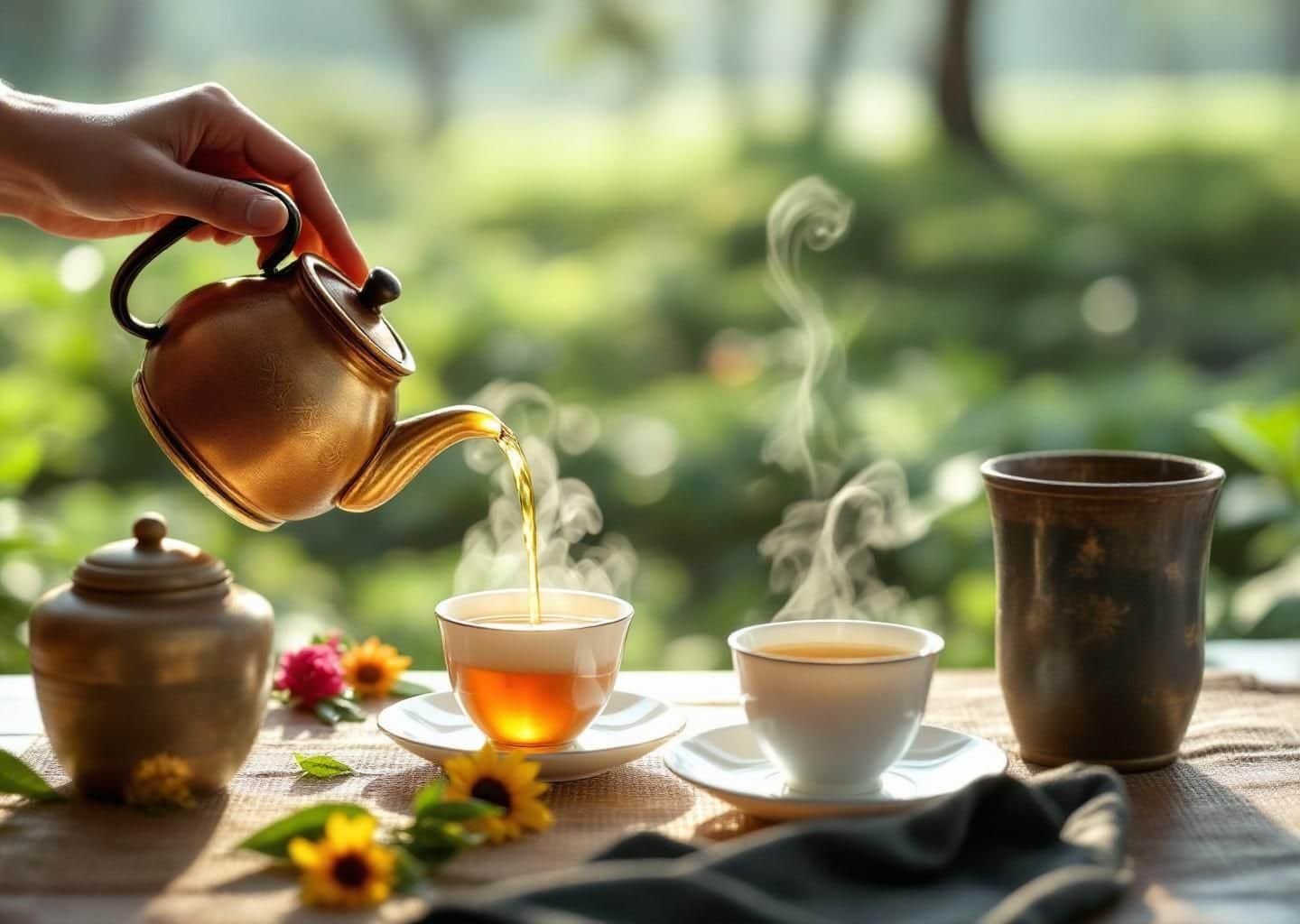
Quick Answer: A Thai tea ceremony blends traditional Buddhist mindfulness with aromatic Thai teas like jasmine and oolong. Travelers can experience authentic ceremonies at temples, tea houses, and cultural centers across Thailand, particularly in Chiang Mai, Bangkok, and Chiang Rai.
Table of Contents
- What to Expect in a Thai Tea Ceremony
- Booking Information for Thai Tea Ceremonies
- Costs and What is Included
- Tips for First-Timers
- Best Time to Go for a Thai Tea Ceremony
- Alternatives and Similar Experiences
- Related Guides
- Frequently Asked Questions
What to Expect in a Thai Tea Ceremony
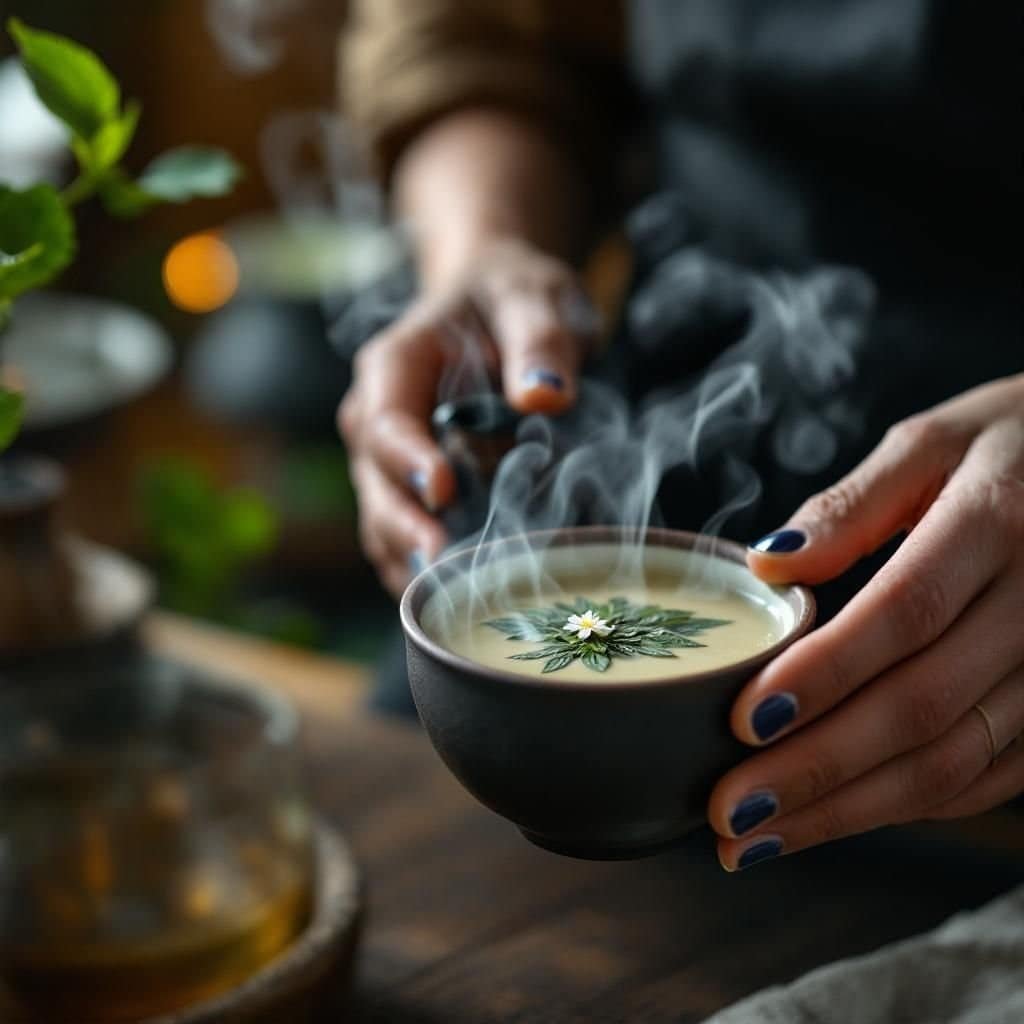
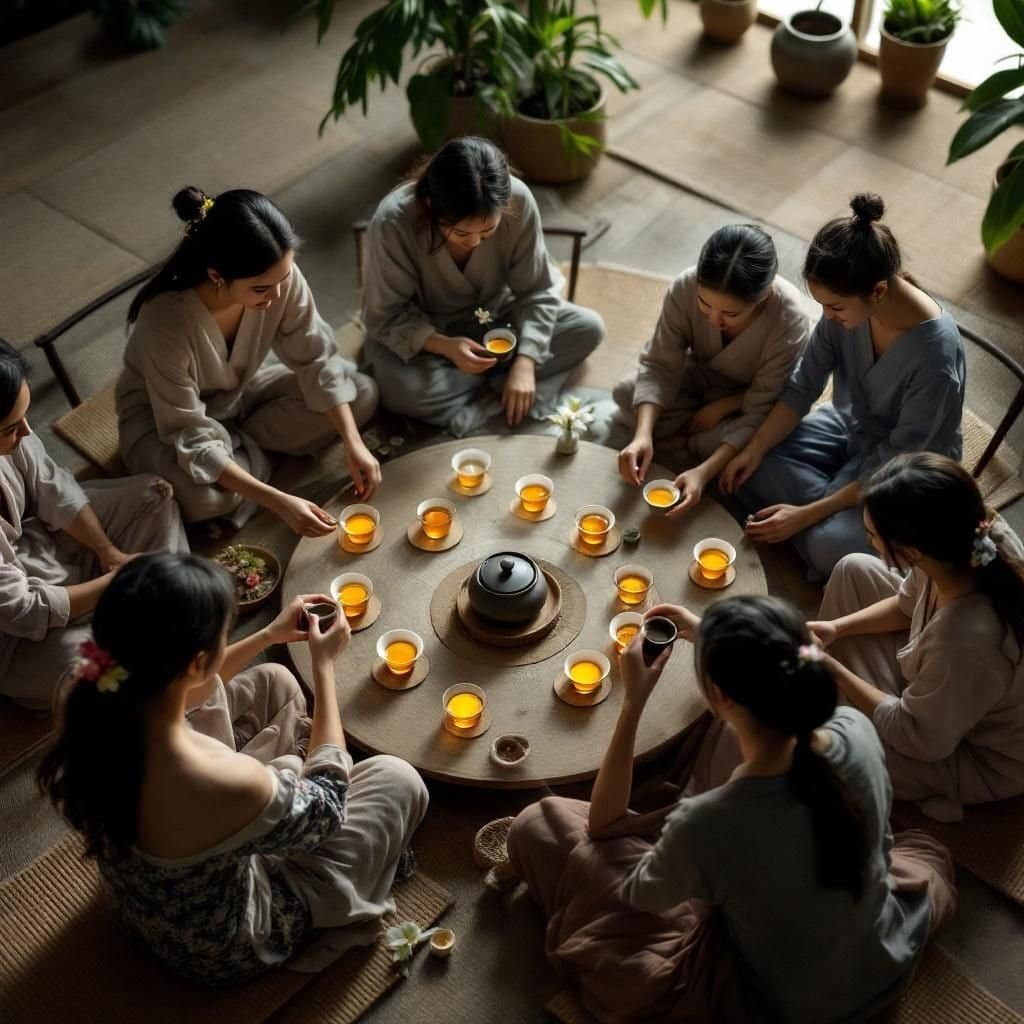
The Thai tea ceremony is a unique blend of cultural influences and traditional practices, offering an immersive experience for those interested in Thailand’s rich tea culture. Unlike the more formal Japanese tea ceremony, the Thai version is often more relaxed, focusing on hospitality and shared enjoyment. During the ceremony, participants are seated in a circle, reflecting the egalitarian nature of the experience. The host, usually an experienced tea master, prepares the tea with great care, using locally sourced tea leaves, often from celebrated regions such as Chiang Rai.
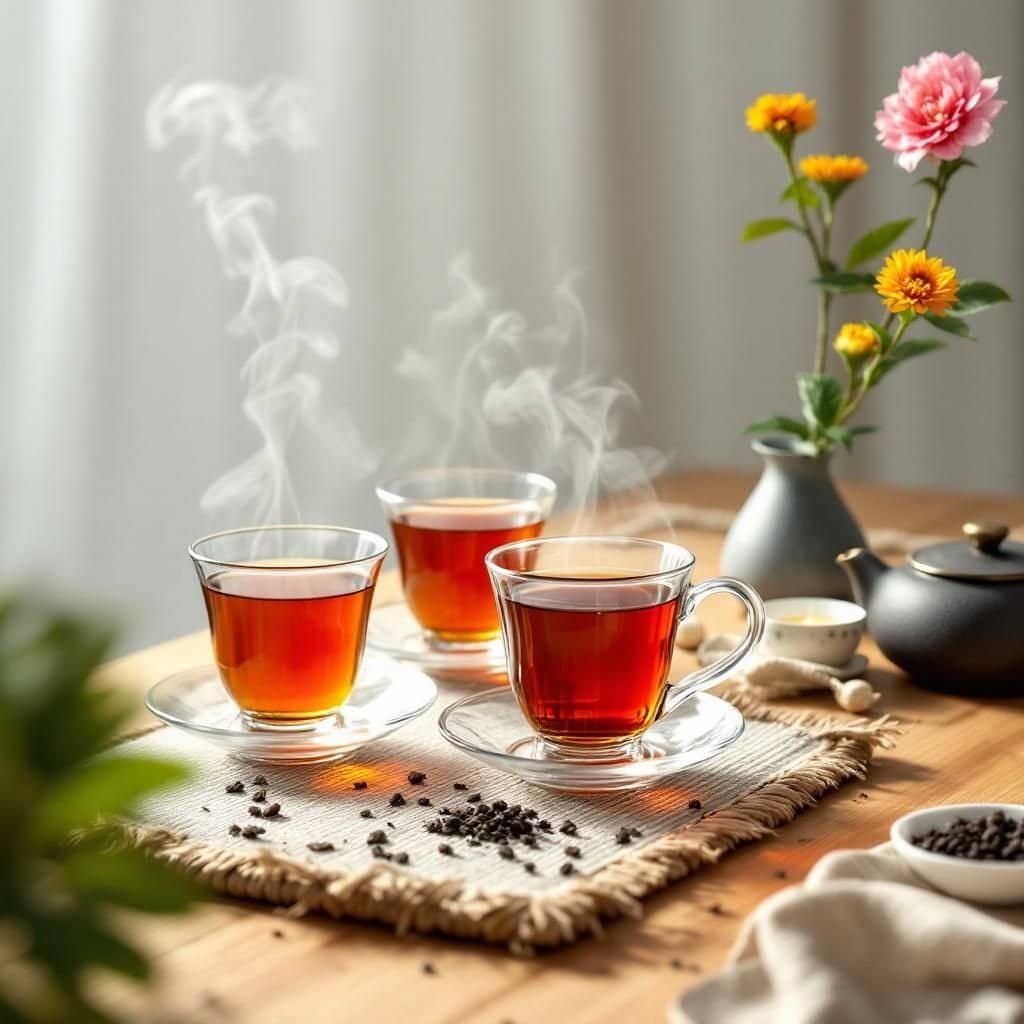
Incorporating elements from Akha and Chinese traditions, the ceremony typically begins with a cleansing of the tea apparatus, which symbolizes purity and respect for the guests. As the tea is brewed, the aroma fills the room, creating a sensory experience that is both calming and invigorating. The tea is then served in small, delicate cups, allowing participants to savor each sip fully. This communal aspect of the ceremony is vital, as it fosters a sense of connection and shared appreciation for the art of tea making.
Booking Information for Thai Tea Ceremonies
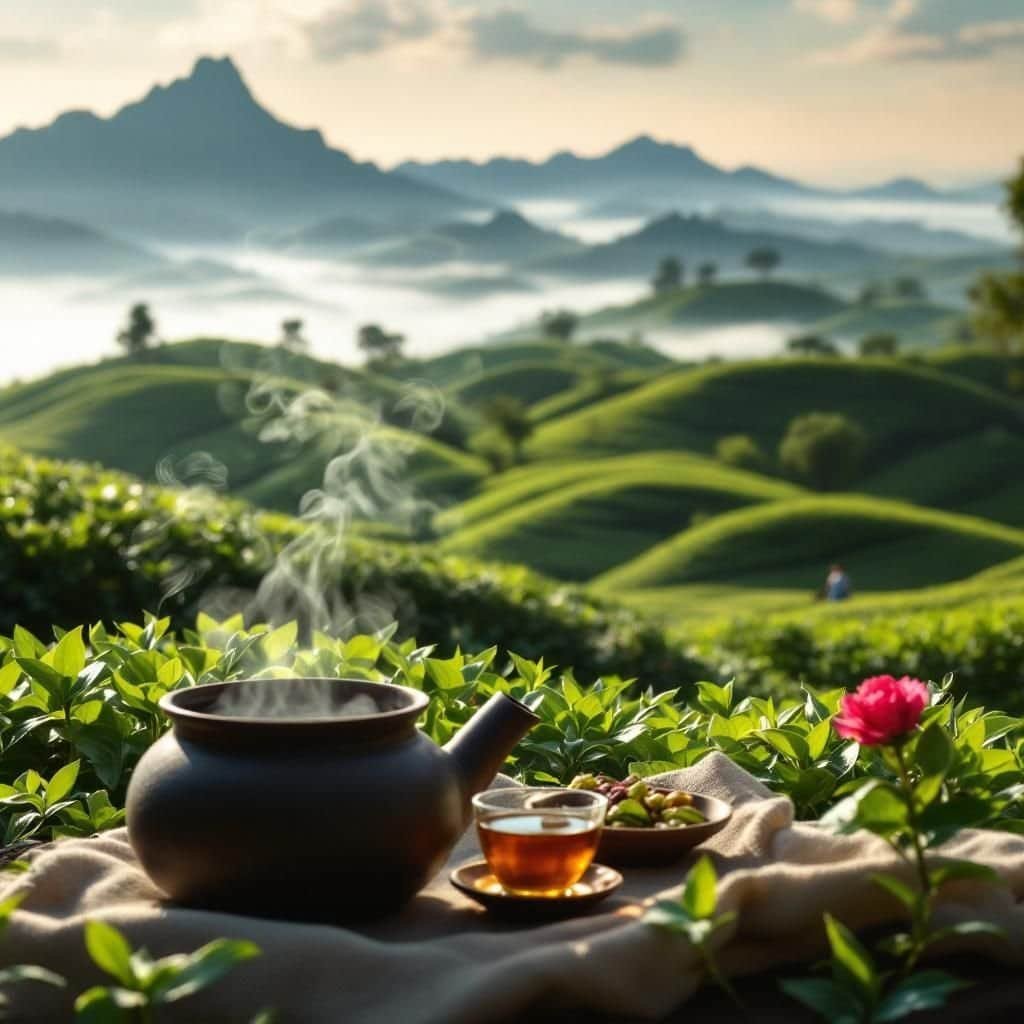
Booking a Thai tea ceremony can be done through various cultural centers and tea houses in Northern Thailand, particularly in Chiang Rai, which is renowned for its tea production. Tea lovers seeking a more contemplative experience may also enjoy the Himalayan Silent Tea Ceremony. Many tour operators offer packages that include a visit to a tea plantation, a guided tour of the facilities, and participation in a traditional tea ceremony. It is advisable to book in advance, especially during peak tourist seasons, to ensure availability.
For those interested in a more personalized experience, private tea ceremonies can be arranged, providing an opportunity to delve deeper into the nuances of Thai tea preparation and the cultural significance behind it. Some venues also offer workshops where participants can learn the art of brewing from skilled tea masters, gaining insight into the delicate balance of flavors that characterize Thai tea.
Costs and What Is Included
The cost of participating in a Thai tea ceremony varies depending on the location and the type of experience chosen. Basic packages, which include a group tour and participation in a communal ceremony, typically range from $30 to $50 per person. This fee usually covers the cost of the tea, instruction from a tea master, and a brief history of Thai tea culture.
For more exclusive experiences, such as private ceremonies or extended workshops, prices can range from $100 to $200. These packages may include additional perks, such as a guided tour of the tea plantation, a tasting session featuring various types of tea, and a souvenir to take home. Always check what is included in the package to ensure it meets your expectations.
Tips for First-Timers
If you’re new to the Thai tea ceremony, there are several tips to enhance your experience. Firstly, approach the ceremony with an open mind and a willingness to learn. The rituals and practices may differ from other tea ceremonies you have encountered, but this is part of what makes it unique. Dress comfortably, as you may be seated on the floor, and avoid wearing strong fragrances that could interfere with the aroma of the tea.
Engage with the tea master and ask questions about the process. This interaction can provide deeper insights into the cultural significance of the ceremony and enrich your understanding. Lastly, savor the moment. The Thai tea ceremony is not just about drinking tea; it’s about appreciating the artistry and tradition behind each cup.
Best Time to Go for a Thai Tea Ceremony
The best time to participate in a Thai tea ceremony is during the cooler months, from November to February. This period coincides with the tea harvest season in Northern Thailand, providing an opportunity to witness the tea production process firsthand. The weather is also more pleasant, making it ideal for outdoor activities, including visits to tea plantations.
Avoid the rainy season from June to October, as travel conditions can be challenging, and some tea plantations may not offer tours during this time. Planning your visit around local festivals can also enhance your experience, as you may have the chance to witness cultural performances and other traditional activities.
Alternatives and Similar Experiences
For those unable to travel to Northern Thailand, there are alternative ways to experience the essence of a Thai tea ceremony. Many Thai restaurants and cultural centers around the world offer tea tastings and workshops. For a similarly meditative experience, explore the Tibetan Butter Tea Ceremony, allowing you to explore Thai tea culture from afar. You can also purchase authentic Thai tea blends online and host your own ceremony at home, following traditional practices.
Additionally, other countries in Southeast Asia, such as Vietnam and China, offer unique tea experiences that share similarities with the Thai ceremony. You might also enjoy exploring the Korean tea ceremony (Darye) for another perspective on Asian tea traditions. Exploring these can provide a broader understanding of the region’s rich tea heritage and the diverse ways in which tea is celebrated across cultures.
Related Guides
- Exploring the Tea Gardens of Chiang Rai
- Understanding the Akha Influence on Thai Tea
- Traditional Thai Beverages: Beyond Tea
- Cultural Experiences in Thailand
- Guide to Thai Tea Preparation at Home
Frequently Asked Questions
What is the main difference between a Thai tea ceremony and a Japanese tea ceremony?
The Thai tea ceremony is generally more relaxed and focuses on hospitality, whereas the Japanese tea ceremony is more formal and ritualistic.
Can I participate in a Thai tea ceremony if I don’t speak Thai?
Yes, many tea masters speak English and can guide you through the ceremony, explaining the significance of each step.
Are there any health benefits associated with Thai tea?
Thai tea, like many teas, contains antioxidants that can help improve heart health and boost immunity.
Is it possible to buy Thai tea in the United States?
Yes, many specialty stores and online retailers offer authentic Thai tea blends that can be shipped worldwide.
How long does a typical Thai tea ceremony last?
A standard ceremony lasts about 1 to 2 hours, depending on the depth of engagement and the number of participants.

