
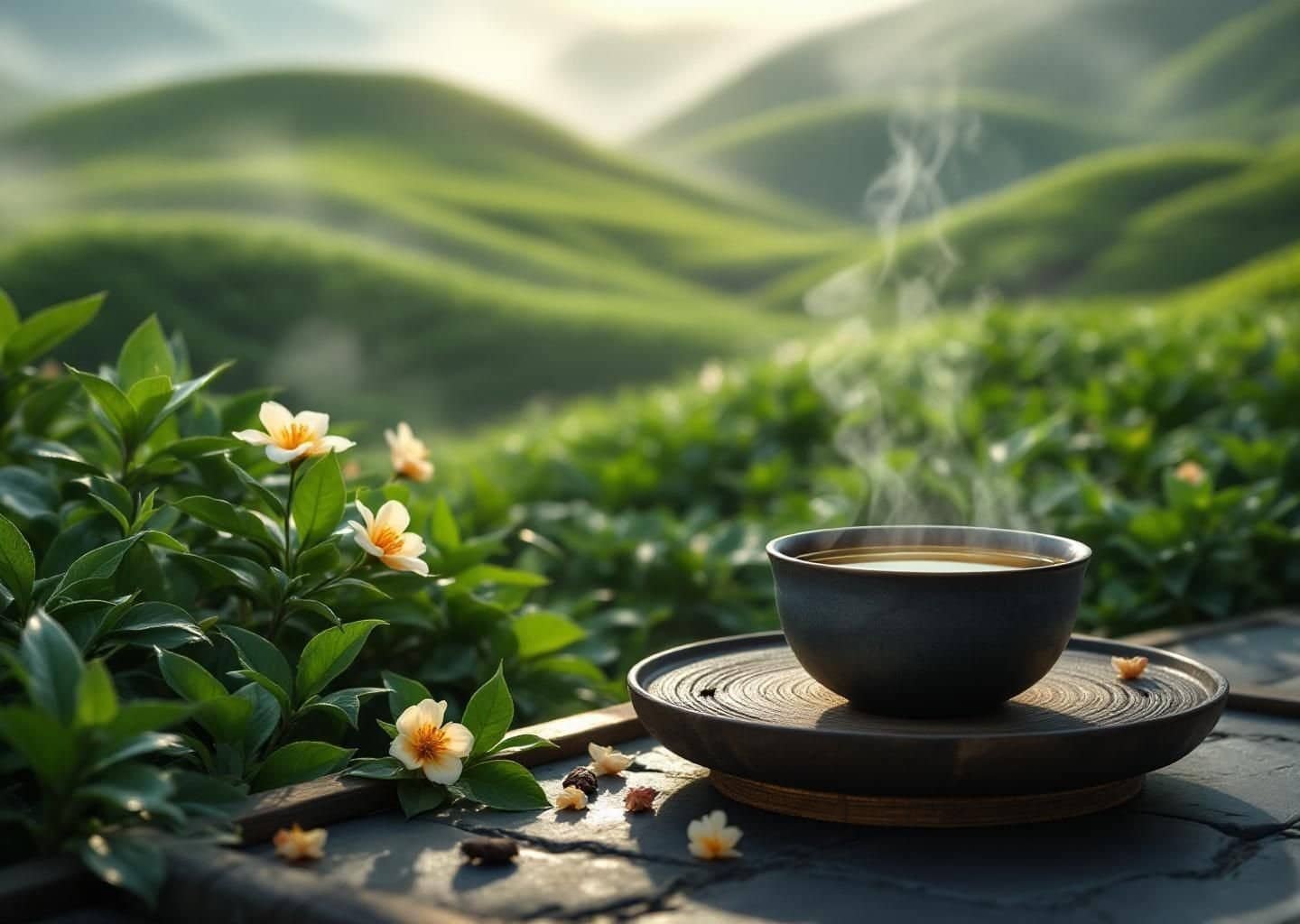
Quick Answer: Anxi in Fujian Province is the birthplace of Tieguanyin oolong tea, one of China’s most celebrated tea varieties. The best time to visit is spring (March–May) or autumn (September–November) for pleasant weather and prime tea harvests. Visitors can tour tea plantations, participate in traditional gongfu tea ceremonies, and stay at tea estate resorts for an immersive cultural experience.
Quick Facts About Anxi
- Country: China
- Region: Fujian Province
- Best Time to Visit: Spring and Fall
- Currency: Renminbi (CNY)
- Language: Mandarin Chinese
- Visa Requirements: Visa required for most nationalities
Introduction to Anxi Tea Tourism
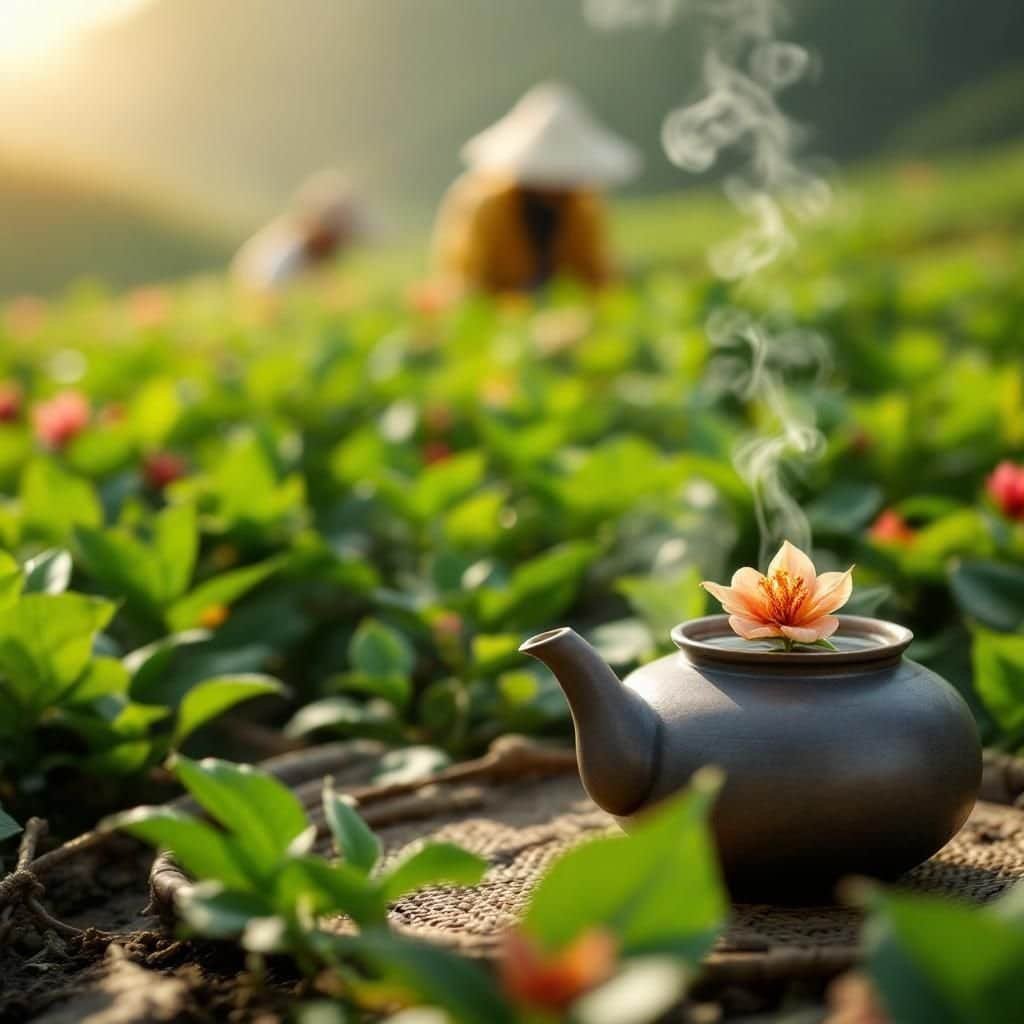
Set in the heart of Fujian Province, Anxi is a picturesque region renowned as the birthplace of Tieguanyin, one of the world’s most celebrated oolong teas. Anxi offers a rich tapestry of tea culture, with its verdant landscapes and ancient tea traditions providing a captivating backdrop for any tea enthusiast. Anxi tea tours offer an immersive experience into the world of Chinese oolong tea, showcasing the unique terroir and meticulous craftsmanship that defines Anxi’s tea production.
Exploring the Best Tea Regions in Anxi
Anxi’s tea regions are a haven for those seeking to explore the nuances of oolong tea production. The most significant areas include Gande, Xianghua, and Huqiu. Each of these regions has its own distinct microclimate, contributing to the unique flavor profile of its teas.
Gande is known for its high-altitude tea gardens, where the misty climate enhances the fragrance and flavor of the Tieguanyin tea. Visitors can explore the Gande Tea Research Institute, which offers insights into modern tea cultivation techniques intertwined with traditional practices.
Xianghua offers a more rustic experience, with sprawling tea fields and the opportunity to engage with local farmers. Here, the emphasis is on organic farming practices, which are reflected in the clean, crisp taste of the tea.
Finally, Huqiu is famous for its ancient tea trees, some of which are centuries old. The historical significance of these trees is palpable, and tasting the tea produced from them is akin to savoring a piece of history.
Types of Tea Produced in Anxi
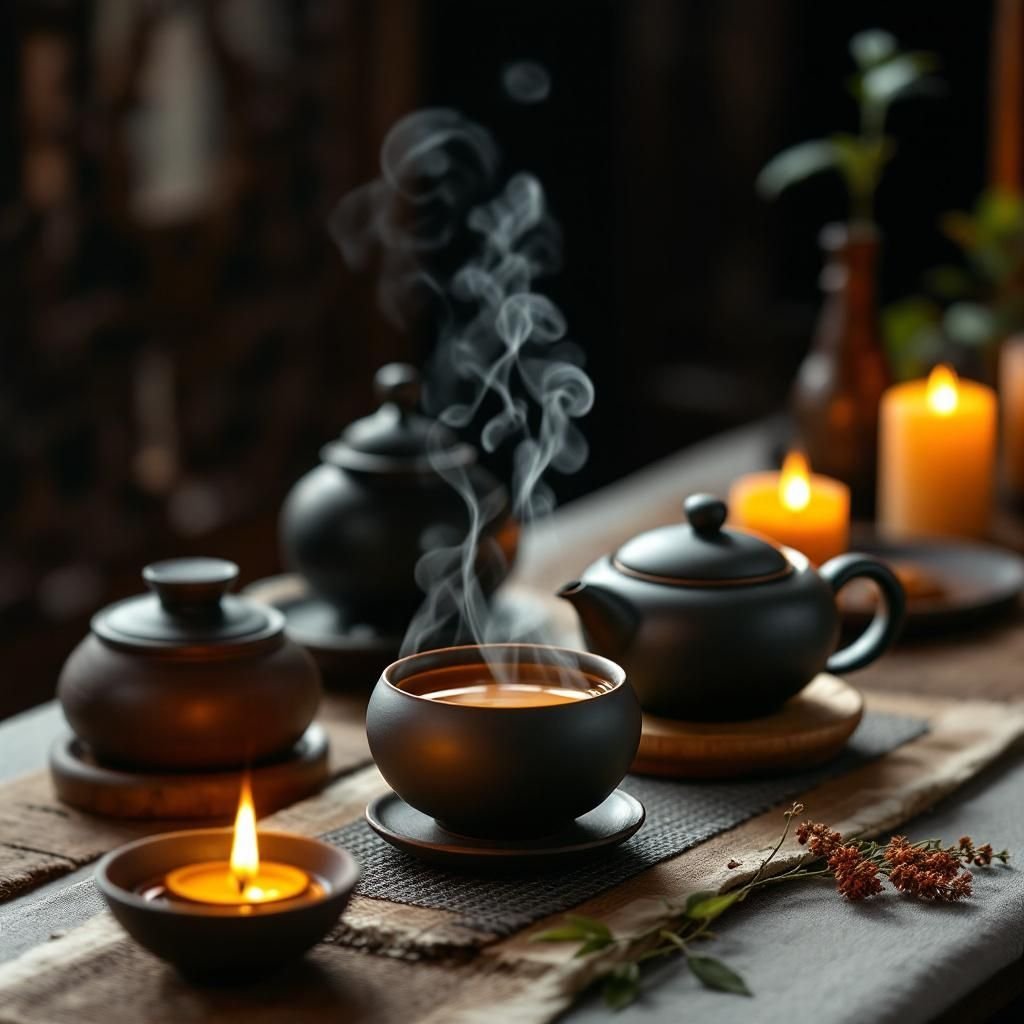
While Anxi is primarily known for its Tieguanyin oolong, the region produces a variety of teas, each with its own distinct characteristics.
Tieguanyin Tea: This semi-oxidized tea is the crown jewel of Anxi, celebrated for its floral aroma and complex flavor profile. It offers tasting notes of orchid, with a smooth, velvety finish that lingers on the palate.
Huang Jin Gui: Known as the “Golden Osmanthus,” this tea is lighter than Tieguanyin and is noted for its sweet, floral fragrance reminiscent of osmanthus blossoms.
Mao Xie: Also known as “Hairy Crab,” this tea is less oxidized than Tieguanyin, offering a fresh and vibrant taste with subtle fruity undertones.
Tea Tourism Experiences in Anxi
Anxi provides a plethora of tea tourism experiences that cater to both novice and seasoned tea lovers. Visitors can partake in guided tea tasting sessions at renowned tea houses such as the Anxi Tieguanyin Tea House, where experts guide you through the nuances of tea tasting, from aroma to aftertaste. You might also enjoy Thai Tea Ceremony: Tradition, Culture & Travel Guide.
For those interested in the production process, factory tours are available, offering a behind-the-scenes look at how freshly plucked leaves transform into the beloved Tieguanyin. These tours often include visits to tea processing factories where visitors can observe the intricate processes of withering, rolling, and roasting.
Moreover, traditional tea ceremonies provide an opportunity to experience the cultural significance of tea in Chinese society. Participating in a tea ceremony in Anxi offers a meditative experience, emphasizing the art of tea preparation and appreciation.
The Best Time to Visit Anxi
The best time to embark on an Anxi tea tour is during the spring (March to May) and autumn (September to November) months. During these periods, the weather is pleasant, and the tea plants are in their prime condition, offering the best quality leaves for harvesting. Springtime is particularly enchanting as the landscape is vibrant with blooming flora, making for picturesque hikes through the tea fields.
Autumn, on the other hand, is ideal for those who prefer cooler temperatures and wish to experience the autumn harvest, which is known for producing teas with richer flavors. Visiting during these times ensures that travelers can witness the full splendor of Anxi’s tea culture and natural beauty.
How to Get to Anxi
Reaching Anxi is relatively straightforward, with several transport options available. The nearest major city is Xiamen, which is well connected to international destinations via Xiamen Gaoqi International Airport. From Xiamen, travelers can take a high-speed train to Anxi, which takes approximately 1.5 hours.
Alternatively, buses and private car hires are available for a more scenic journey. Once in Anxi, local transportation such as taxis and bicycles are convenient ways to explore the region’s tea gardens and cultural sites.
Where to Stay in Anxi
Anxi offers a range of accommodations to suit various budgets. For a truly immersive experience, consider staying at a tea estate. The Anxi Tea Garden Resort provides luxurious accommodations amidst lush tea fields, offering guests the chance to wake up to the serene beauty of the tea gardens.
For budget-conscious travelers, guesthouses and local inns provide affordable and comfortable options, allowing for an authentic insight into local life. An example is the Anxi Tieguanyin Tea House, which not only offers cozy accommodations but also doubles as a hub for tea tasting experiences.
For those seeking luxury, the Anxi Tea Culture Hotel offers upscale amenities with a focus on tea-themed hospitality, ensuring a memorable stay.
Costs and Budgeting for an Anxi Tea Tour
Traveling to Anxi can be affordable, with daily budgets ranging from $30 to $100 depending on your accommodation and activities. Budget travelers can expect to spend around $30 per day, which includes accommodation at a local inn, meals, and basic transportation.
Mid-range travelers might budget around $50 to $70 per day, which allows for stays at comfortable hotels and participation in guided tours and tastings. For a more luxurious experience, travelers can expect to spend upwards of $100 per day, enjoying premium accommodations, private tours, and fine dining experiences.
Overall, Anxi offers excellent value for money, especially if you prioritize local experiences and traditional tea culture.
Sample Itineraries
Here are some sample itineraries to help plan your Anxi tea tour:
3-Day Itinerary
- Day 1: Arrive in Anxi, visit the Gande Tea Research Institute, and enjoy a traditional tea ceremony.
- Day 2: Explore Xianghua’s organic tea fields, participate in a tea tasting session, and hike through the scenic landscapes.
- Day 3: Visit Huqiu’s ancient tea trees, tour a tea processing factory, and depart in the afternoon.
5-Day Itinerary
- Day 1-2: Follow the 3-day itinerary.
- Day 3: Attend a workshop on traditional tea-making techniques, followed by a visit to a local tea market.
- Day 4: Spend the day at Anxi Tea Garden Resort, enjoying spa treatments and leisurely walks through the tea fields.
- Day 5: Visit the Anxi Tea Culture Museum and enjoy a farewell dinner at a local restaurant.
7-Day Itinerary
- Day 1-5: Follow the 5-day itinerary.
- Day 6: Take a day trip to Xiamen to explore its rich cultural heritage and bustling tea markets.
- Day 7: Return to Anxi for a relaxing day, enjoying the tranquil atmosphere of the tea gardens before departure.
Related Guides
- China Tea Tourism Guide
- Exploring Fujian’s Tea Regions
- Oolong Tea Tasting Tips
- Guide to Chinese Tea Ceremonies
- Sustainable Tea Farming Practices
Frequently Asked Questions
What is Tieguanyin tea?
Tieguanyin is a premium oolong tea, known for its floral aroma and complex flavor profile, produced primarily in Anxi, Fujian.
When is the best time to visit Anxi for a tea tour?
The best times are spring (March-May) and autumn (September-November) when the weather is pleasant and tea plants are in prime condition.
How do I get to Anxi?
The nearest major city is Xiamen, with direct flights available. From Xiamen, take a high-speed train or bus to Anxi.
What types of accommodations are available in Anxi?
Accommodations range from budget guesthouses to luxury tea estate resorts, offering a variety of experiences for different budgets.
Are there guided tours available in Anxi?
Yes, guided tours are available, offering insights into tea production, tastings, and cultural experiences.

