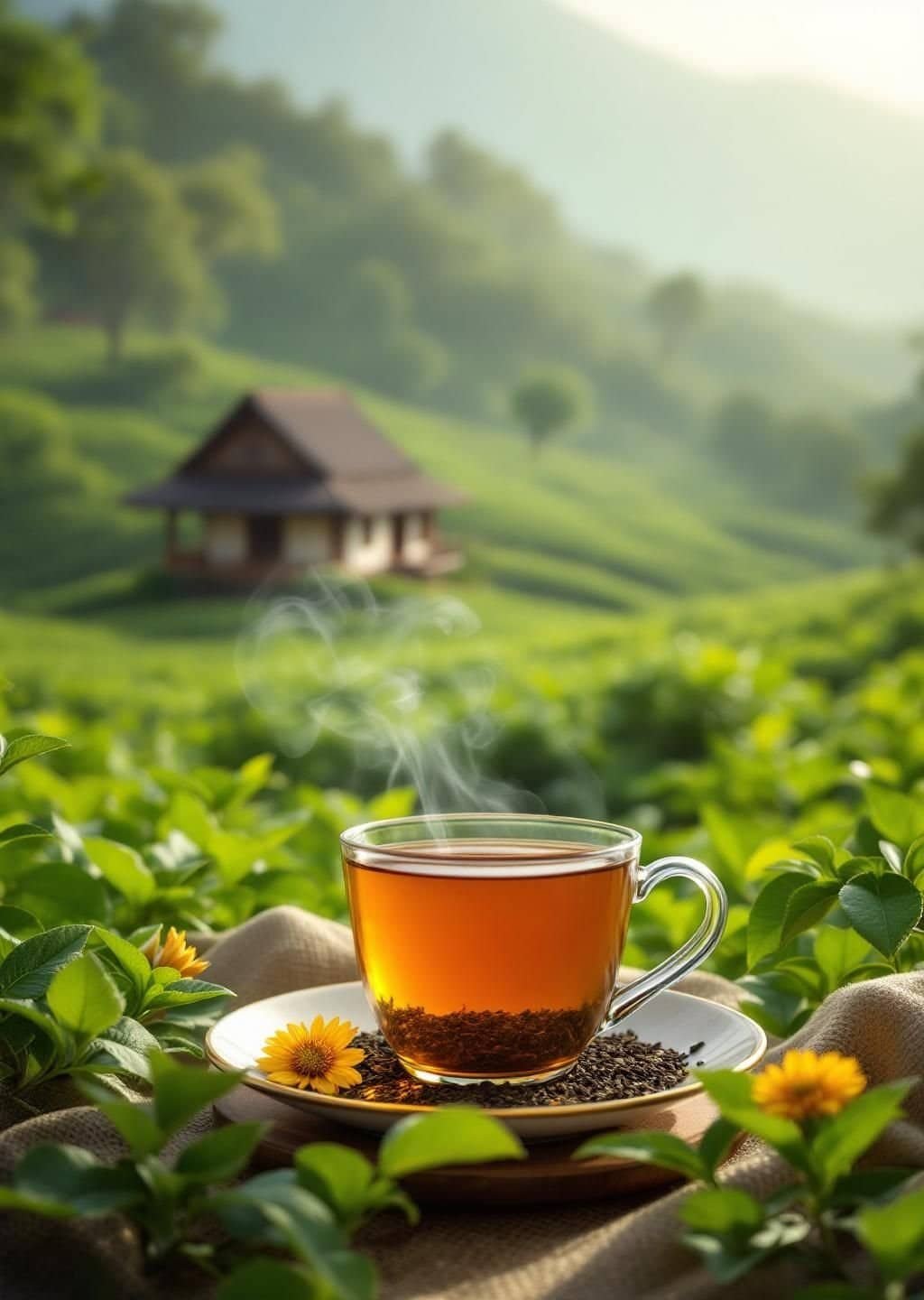
Exploring the Assam Tea Gardens
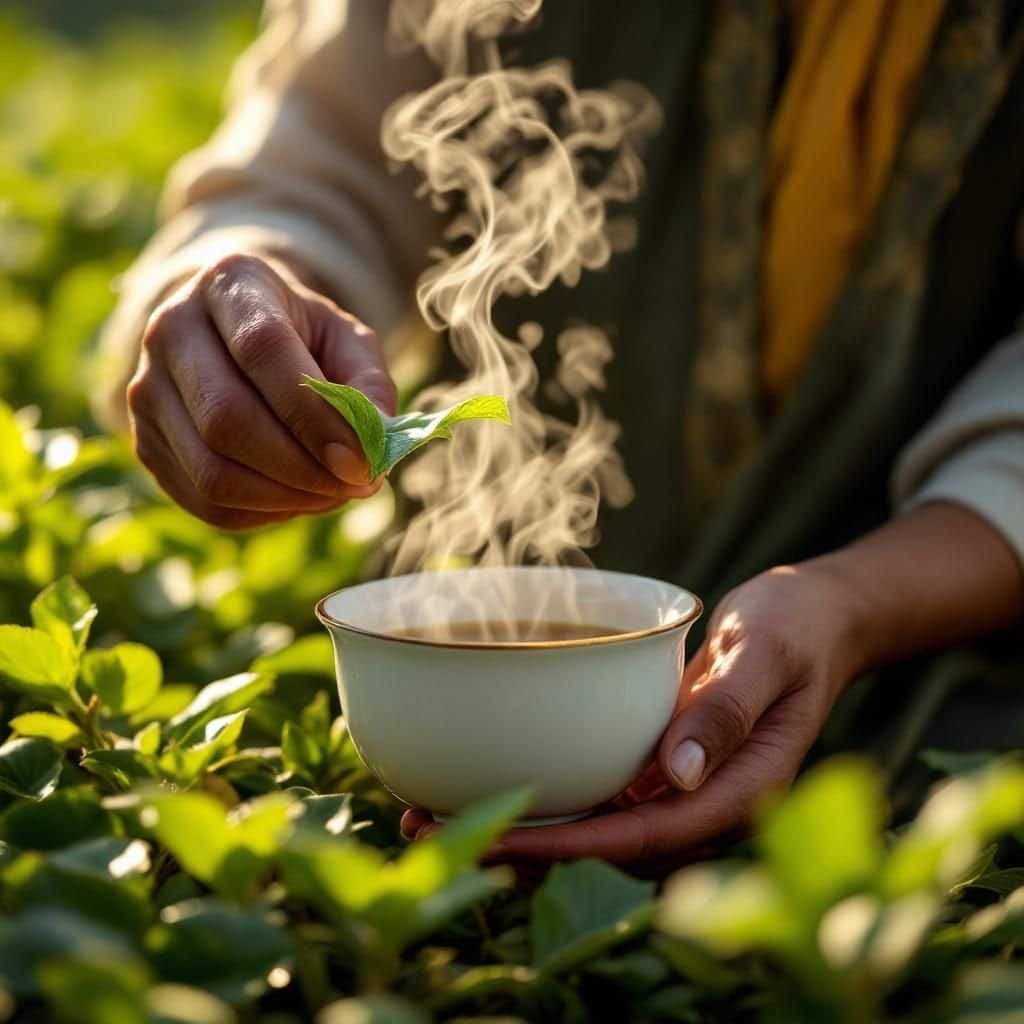
Located in the northeastern corner of India, Assam is a region synonymous with robust black teas. Home to sprawling tea gardens, this area offers an immersive experience for tea enthusiasts eager to explore the origins of their favorite brew. The landscape is a tapestry of lush greenery, mist-laden hills, and the rhythmic hum of tea pluckers at work. Assam is not only the largest tea producing region in India but also one of the most significant in the world, making it a must-visit for any tea lover. For more, explore our guide on Tea estate stays in Darjeeling.
Table of Contents
Quick Summary: Assam, India’s northeastern tea heartland, produces over 50% of India’s tea output. Visitors can tour iconic estates like Halmari and Manohari, witness the full leaf-to-cup process, stay in colonial-era bungalows, and experience the vibrant Bihu festival, all set against a backdrop of lush, mist-draped gardens.
The Rich History of Assam Tea
The story of Assam tea dates back to the early 19th century when the British discovered the indigenous Camellia sinensis var. assamica plant growing wild in the region. This discovery led to the establishment of the first tea gardens, setting the stage for Assam to become a powerhouse in the global tea market. Today, Assam black tea is renowned for its bold, malty flavors and rich, amber liquor, making it a favorite for breakfast blends worldwide.
Planning Your Visit: When to Go
The best time to visit the Assam tea gardens is between March and November. During this period, the tea estates are in full production, and visitors can witness the entire process from leaf to cup. The monsoon season, from June to September, brings a lush vibrancy to the gardens, although it’s advisable to prepare for occasional downpours. For more, explore our guide on Explore Sri Lanka’s tea country.
Top Assam Tea Estates to Visit
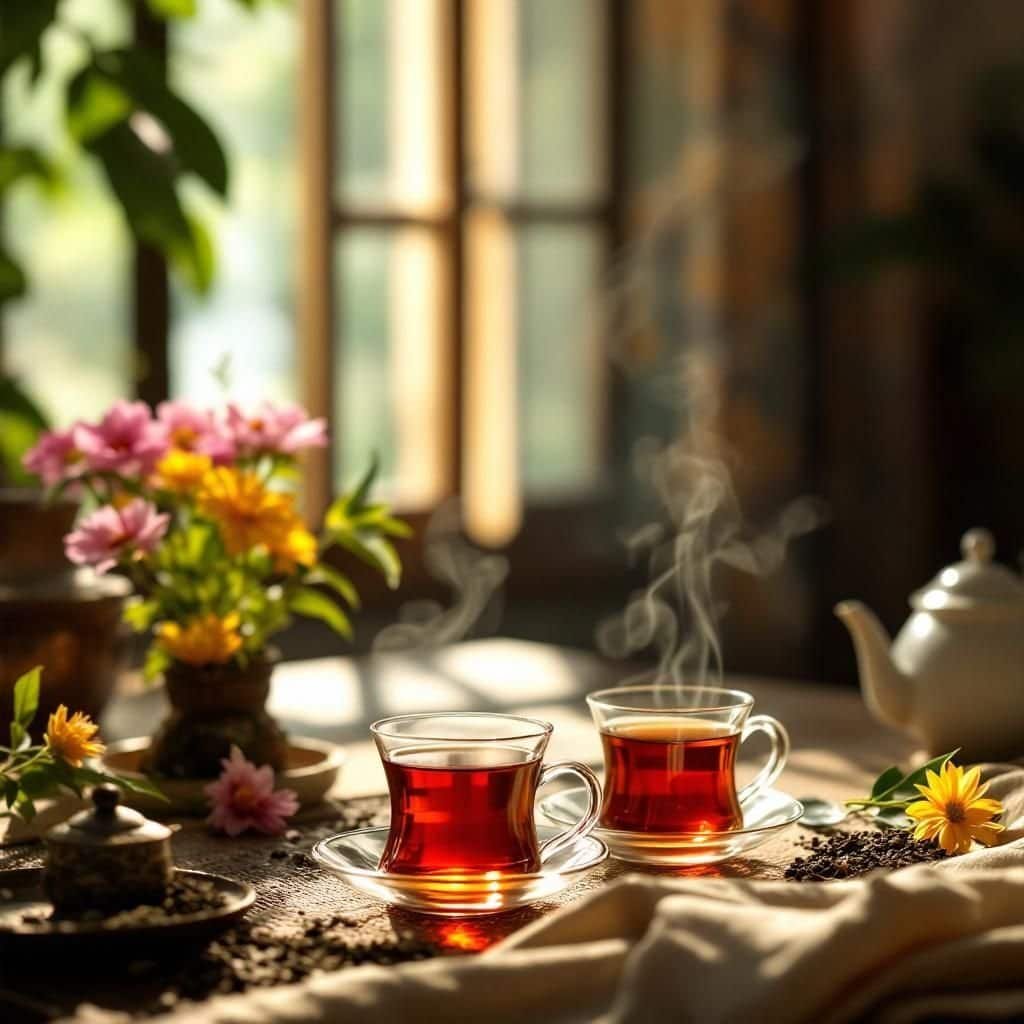
Exploring Assam’s tea estates offers a unique opportunity to learn about the intricate process of tea production and to savor some of the freshest brews.
Halmari Tea Estate
Renowned for producing some of the finest quality black teas, Halmari Tea Estate is a jewel in Assam’s tea crown. Visitors can take guided tours of the estate, learning about cultivation practices and the art of blending. The estate also offers tasting sessions where you can experience the full depth and flavor of their teas. For more, explore our guide on rolling hills of Munnar’s tea plantations.
Jorhat Tea Bungalows
For a more intimate experience, consider staying at one of the Jorhat tea bungalows. These charming accommodations offer a glimpse into colonial-era luxury amidst lush tea gardens. Many bungalows provide guided tours and tea tasting sessions, ensuring guests have a comprehensive understanding of the tea-making process while enjoying the serene beauty of the surroundings.
Manohari Tea Estate
Manohari Tea Estate is famed not only for its exquisite teas but also for being home to the world’s most expensive tea variety, the Manohari Gold. Visitors can explore the estate’s lush gardens, witness the careful plucking process, and indulge in tasting sessions that highlight the estate’s unique offerings.
Understanding the Tea Production Process
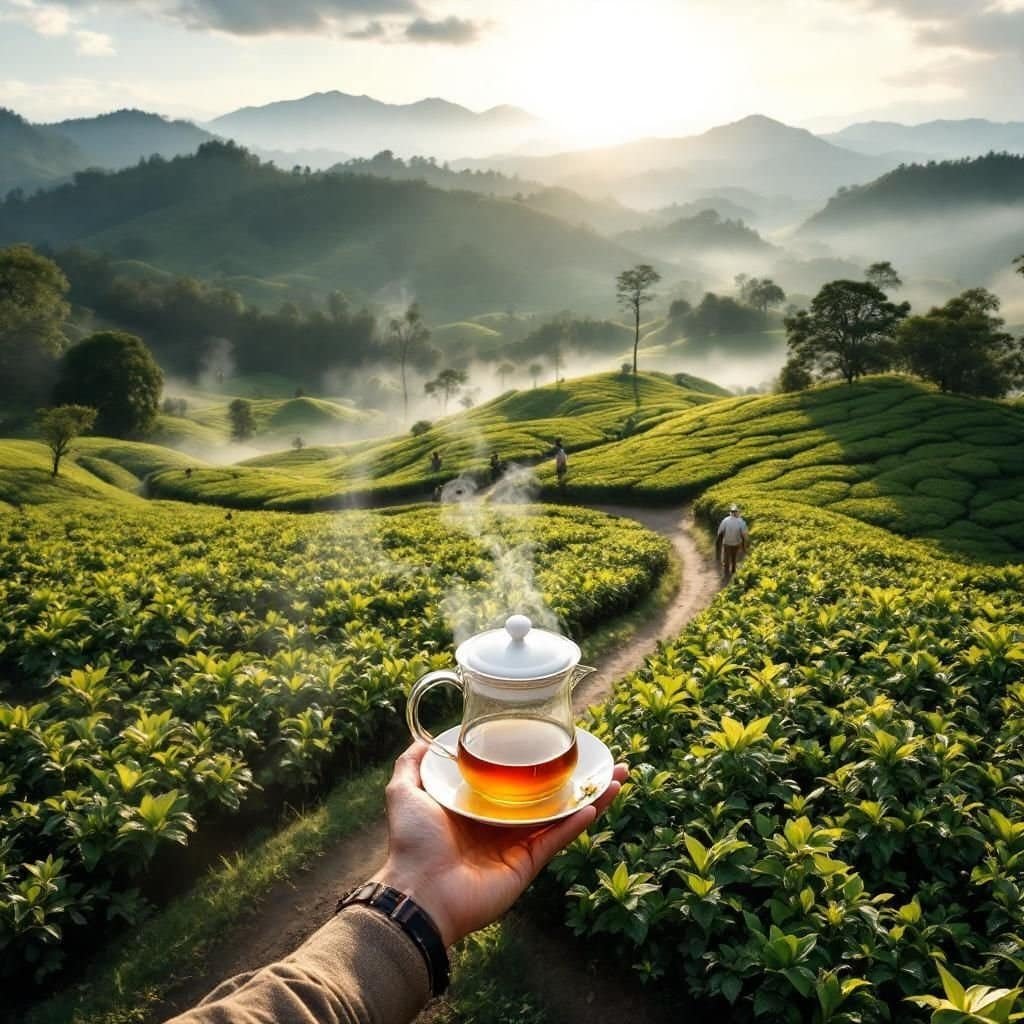
From the moment the tea leaves are plucked to when they are brewed in your cup, each step in the production process contributes to the final flavor profile of Assam black tea.
Plucking and Withering
The journey begins with the careful hand-plucking of tea leaves, selecting only the tender tips and two leaves. These are then spread out to wither, a process that reduces moisture content and prepares the leaves for rolling.
Rolling and Oxidation
Once withered, the leaves are rolled to break their cell walls, releasing essential oils that contribute to the tea’s aroma and flavor. The rolled leaves are then left to oxidize, a critical step that develops the tea’s characteristic color and taste.
Drying and Sorting
After achieving the desired level of oxidation, the leaves are dried to halt the process. The final steps involve sorting and grading the leaves by size and quality, ensuring that only the best reach the market.
Experiencing Assam’s Culture and Cuisine
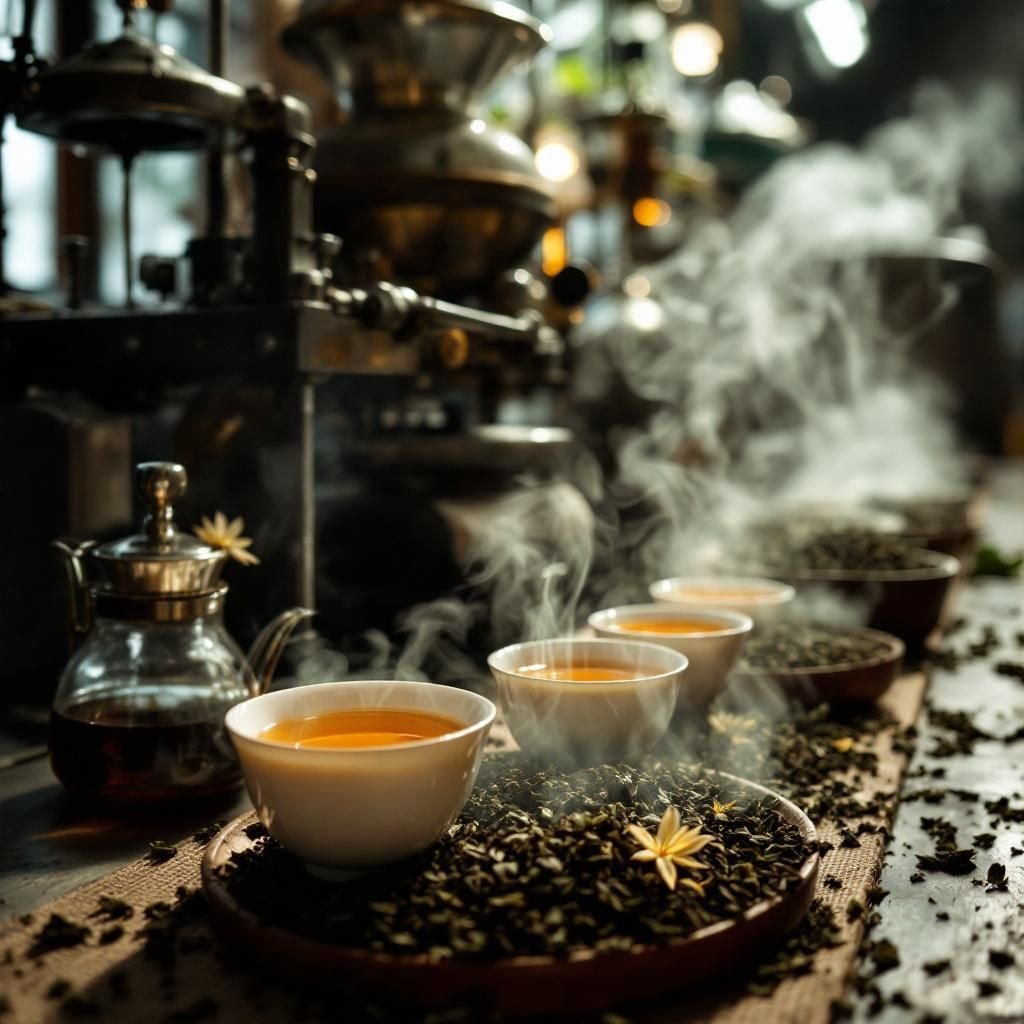
Beyond the tea gardens, Assam offers a rich cultural tapestry and a unique culinary experience. The local cuisine is a delightful blend of flavors and spices, often featuring rice, fish, and lentils. Pairing traditional Assamese dishes with local teas provides a deeper appreciation of the region’s cultural identity.
Local Festivals
If your visit coincides with Bihu, Assam’s major festival, you’re in for a treat. Celebrated with dance, music, and feasting, Bihu offers a vibrant glimpse into Assamese culture and traditions.
Shopping for Assam Tea
No visit to Assam is complete without taking home some tea. Many estates sell their produce directly to visitors, offering unique varieties unavailable elsewhere. Look for loose leaf Assam black tea for the most authentic experience.
Conclusion: A Journey Through Assam’s Tea Gardens
Assam tea gardens offer more than just a beverage; they provide a journey through history, culture, and flavor. Whether you’re a seasoned tea enthusiast or a curious traveler, exploring this tea-producing heartland will leave you with lasting memories and a newfound appreciation for the art of tea.
Practical Travel Tips for Assam
Planning a trip to Assam’s tea gardens requires some preparation to make the most of your visit. Here are essential tips from experienced tea travelers:
Getting to Assam
The most convenient entry point is Lokpriya Gopinath Bordoloi International Airport in Guwahati, which connects to major Indian cities including Delhi, Mumbai, and Kolkata. From Guwahati, Jorhat, the heart of Assam’s tea country, is approximately 300 km away by road or accessible via domestic flights to Jorhat Airport. Trains from Guwahati to Jorhat run regularly and offer a scenic journey through the Brahmaputra valley.
Visa and Entry Requirements
Foreign nationals require a valid Indian visa to visit Assam. Most nationalities can obtain an e-Visa online before travel. Some restricted areas near the border may require additional Inner Line Permits, so check with local authorities before planning remote garden visits.
Health and Safety
Assam is a malaria-endemic region, particularly during the monsoon months. Consult a travel health clinic before departure and carry appropriate prophylaxis. Drink only bottled or purified water, and apply insect repellent regularly when outdoors in the gardens.
What to Pack
- Light, breathable clothing for the humid subtropical climate
- Rain gear if visiting between June and September
- Sturdy walking shoes for navigating uneven garden terrain
- A reusable tea flask as estates often offer complimentary refills
- Camera with extra batteries since the golden-hour light over the gardens is spectacular
Costs and Budget Planning
Assam offers excellent value for tea travelers at every budget level. Here is a realistic breakdown of what to expect:
Accommodation
- Tea bungalow stays: 4,000-12,000 INR per night (approximately $50-$145 USD), often including meals and a guided garden tour
- Mid-range hotels in Jorhat: 1,500-3,500 INR per night ($18-$42 USD)
- Budget guesthouses: 600-1,200 INR per night ($7-$15 USD)
Tea Estate Tours and Tastings
- Guided estate tours: 300-800 INR per person ($4-$10 USD), often free for bungalow guests
- Tea tasting sessions: 200-500 INR per person ($2.50-$6 USD)
- Tea blending workshops: 800-2,000 INR per person ($10-$24 USD)
Food and Local Transport
Local Assamese meals at dhabas (roadside eateries) cost 80-200 INR ($1-$2.50 USD). Auto-rickshaws and local buses are inexpensive for short distances. Hiring a private car with driver for a full-day garden tour typically costs 1,500-2,500 INR ($18-$30 USD), which is highly recommended for visiting multiple estates efficiently.
Buying Tea to Take Home
Purchasing directly from estates offers the best quality and value. Expect to pay 400-2,500 INR per 100g ($5-$30 USD) for premium single-estate Assam teas, with the rare Manohari Gold commanding significantly higher prices. Many estates offer vacuum-sealed packaging ideal for travel.
Ready to Explore Assam’s Tea Gardens?
From the misty Brahmaputra valley to the bold flavors of freshly plucked black tea, Assam is a destination that rewards every curious traveler. Start planning your tea journey today.
Frequently Asked Questions
When is the best time to visit Assam tea gardens?
The best time to visit is between March and November when the tea gardens are in full production, allowing visitors to witness the entire tea-making process.
What should I expect during a tea estate tour in Assam?
Expect guided tours through lush gardens, insights into the tea production process, and opportunities to taste freshly brewed Assam black tea.
Are there accommodations available within the tea estates?
Yes, many estates, such as those in Jorhat, offer charming bungalows for guests, providing a unique stay amidst the tea gardens.
What makes Assam black tea unique?
Assam black tea is known for its bold, malty flavor and rich, amber liquor, making it a favorite among black tea enthusiasts.
Can I buy Assam tea directly from the estates?
Yes, many tea estates sell their produce directly to visitors, offering unique varieties that may not be available elsewhere.