
Quick Answer: Becoming a certified tea sommelier requires enrolling in a recognized program such as the Specialty Tea Institute (STI), World Tea Academy, or Tea and Herbal Association of Canada. Programs typically take 6–12 months, cost $500–$3,000, and cover tea history, sensory evaluation, brewing techniques, and pairing. Certified tea sommeliers work in hospitality, education, retail, and consultancy.
Introduction to Tea Sommelier Certification
The world of tea is as vast and intricate as wine, with a rich tapestry of flavors, aromas, and traditions. Becoming a certified tea sommelier is a rewarding journey for those passionate about tea and looking to deepen their understanding and expertise. In this comprehensive guide, we explore the pathways to certification, compare leading programs, and delve into the career opportunities available for certified tea sommeliers.
Understanding Tea Sommelier Certification
Tea sommelier certification is a formal recognition of an individual’s expertise in the field of tea. These certifications are designed to educate and train individuals in the nuances of tea, including its history, production, tasting, and pairing. Certification programs often include intensive studies, practical tastings, and exams to ensure a well-rounded education.
Top Tea Certification Programs
Specialty Tea Institute (STI)
The Specialty Tea Institute offers a comprehensive program that covers everything from the basics to advanced tea sommelier levels. Their curriculum includes modules on tea cultivation, processing, tasting techniques, and cultural tea practices. The institute is renowned for its hands-on approach, offering real-world insights and experiences.
World Tea Academy
World Tea Academy provides an online certification program that is highly flexible and accessible. Their courses are designed for both beginners and advanced learners, focusing on sensory evaluation, tea preparation, and business applications. The academy prides itself on providing a global perspective on tea.
Tea and Herbal Association of Canada
This program offers a rigorous certification process that combines online learning with practical experiences. It covers a wide range of topics, from the science of tea to the art of tea service. The program is suitable for those looking to work in the hospitality industry or become tea educators.
How to Become a Tea Sommelier
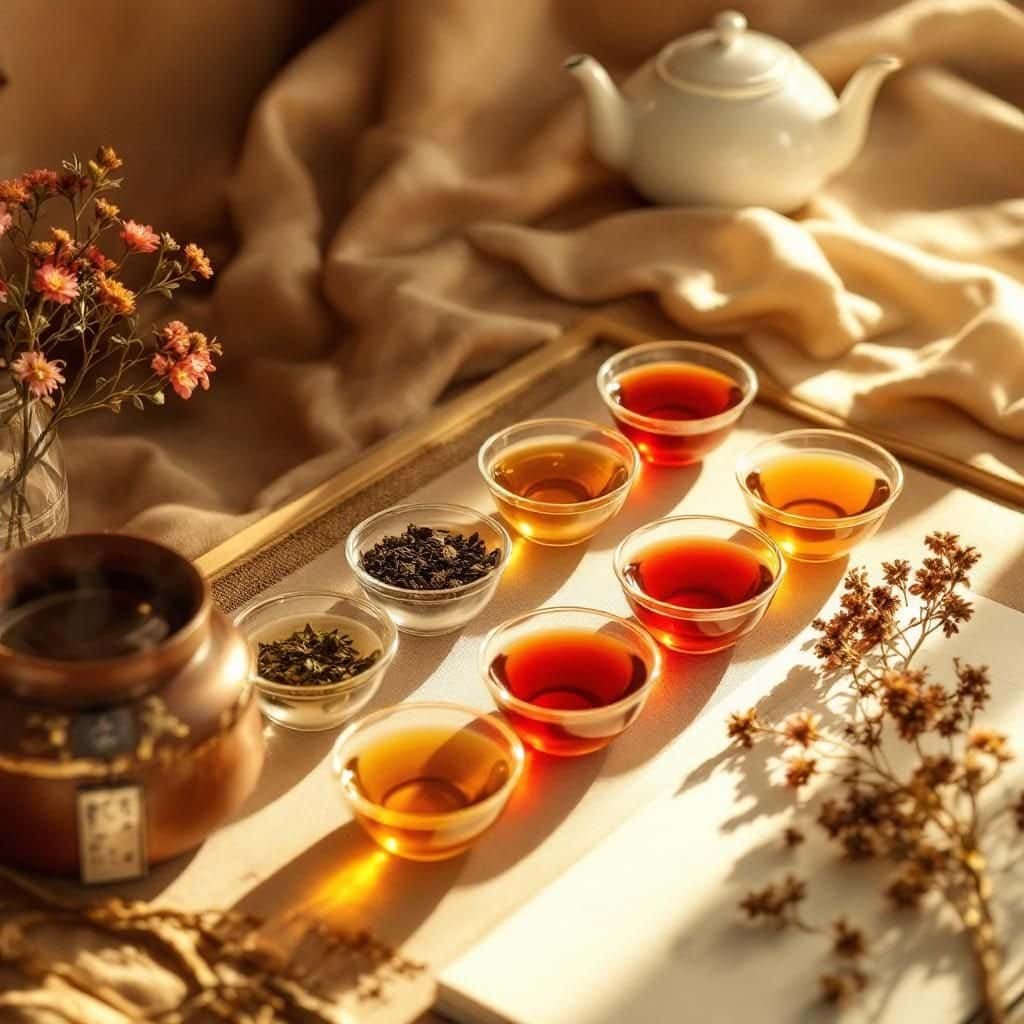
Embarking on the journey to become a tea sommelier involves several key steps. First, aspiring sommeliers should enroll in a reputable certification program. This typically involves a combination of online learning and in-person workshops. Next, students will need to complete a series of exams and practical tastings to demonstrate their knowledge and skills. Lastly, ongoing education and practice are crucial to maintain and deepen expertise in this evolving field.
Costs of Tea Sommelier Certification
The cost of tea sommelier certification can vary widely depending on the program and level of certification. On average, courses range from $500 to $3,000, with additional costs for materials, travel, and certification exams. Investing in a reputable program is essential, as it can greatly influence career opportunities and credibility in the industry.
Curriculum and Learning Outcomes
Certification programs offer a diverse curriculum designed to equip students with a comprehensive understanding of tea. Core modules often include the history of tea, tea cultivation and processing, sensory analysis, and tea pairing. Graduates are expected to have a deep understanding of tea types, flavor profiles, and proper preparation techniques.
Career Opportunities for Certified Tea Sommeliers
Certified tea sommeliers have a variety of career paths available to them. Many work in the hospitality industry, serving as tea specialists in hotels, restaurants, and tea houses. Others may choose to become educators, sharing their knowledge through workshops and courses. Additionally, there are opportunities in the retail sector, working with specialty tea brands to curate selections and enhance customer experiences.
A Day in the Life of a Tea Sommelier
A typical day for a tea sommelier involves a blend of tasting, education, and customer interaction. Sommeliers often start their day by sampling new teas, evaluating their flavors and aromas. They might then conduct a tea tasting session for guests or staff, sharing insights on tea origins and brewing methods. The afternoon could involve curating a tea menu for an upcoming event or collaborating with chefs to create tea pairings.
Pro Tips from Experienced Tea Sommeliers
Experienced tea sommeliers often emphasize the importance of continuous learning and tasting. They suggest trying a wide variety of teas from different regions to develop a well-rounded palate. Networking with other tea professionals and attending industry events can also provide valuable insights and opportunities for growth.
Common Mistakes to Avoid
One common mistake aspiring tea sommeliers make is focusing too narrowly on specific types of tea. It’s essential to have a broad understanding of all tea categories. Additionally, neglecting practical experience and hands-on tasting can hinder the development of sensory skills. Engaging with the tea community and seeking mentorship can help avoid these pitfalls.
Tea Sommelier Salary and Income Potential
One of the most common questions from aspiring tea sommeliers is: what can I expect to earn? Compensation varies widely based on role, location, and experience level:
- Entry-level tea specialist (retail/hospitality): $35,000–$50,000/year in the US
- Tea educator/workshop facilitator: $50–$150/hour for workshops; $45,000–$70,000 salaried
- Tea sommelier at luxury hotel or restaurant: $55,000–$85,000/year plus tips
- Independent tea consultant: $75–$200/hour; income varies by client base
- Tea brand ambassador or buyer: $60,000–$100,000+ depending on brand size
Many certified tea sommeliers supplement their income through multiple revenue streams — combining a primary role with workshops, private tastings, online courses, or consulting. Building a strong personal brand and social media presence can significantly increase earning potential.
Tea Travel: How Origin Visits Elevate Your Certification
The most respected tea sommeliers don’t just study tea from books — they travel to origin. Visiting tea-producing regions transforms your understanding of terroir, processing, and the human stories behind each cup. Consider these destination experiences as part of your professional development:
- Darjeeling, India: Experience first-flush harvests at historic estates like Makaibari and Castleton. The muscatel character of Darjeeling oolongs is best understood in the field.
- Uji, Japan: Visit the birthplace of Japanese matcha and gyokuro. Shade-grown tea cultivation and traditional stone-grinding are essential knowledge for any serious sommelier.
- Wuyishan, China: Explore the rocky terrain that produces Da Hong Pao and other prized rock oolongs. The concept of yan yun (rock rhyme) is impossible to fully grasp without tasting tea in its native landscape.
- Alishan, Taiwan: High-mountain oolong cultivation at 1,000–2,600 meters produces some of the world’s most complex teas. The cool climate and misty conditions create flavors no lowland tea can replicate.
- Nuwara Eliya, Sri Lanka: The “Little England” of Ceylon tea country offers estate tours, factory visits, and the chance to taste teas at altitude.
Many certification programs now recognize origin travel as part of continuing education. Document your visits, keep tasting notes, and build a portfolio of origin experiences — this sets you apart in the job market and enriches your teaching.
Building Your Tea Sommelier Brand
Certification is the foundation — but building a sustainable career as a tea sommelier requires intentional brand-building. Here’s how successful tea sommeliers establish themselves:
- Document your tasting journey: Keep detailed tasting notes and share them on social media or a personal blog. Authenticity and expertise attract followers and clients.
- Teach and share: Offer free or low-cost introductory workshops at local tea shops, libraries, or community centers to build your reputation and client base.
- Network at industry events: Attend the World Tea Expo, Northwest Tea Festival, and regional tea events to connect with vendors, educators, and potential employers.
- Specialize: Consider developing deep expertise in a specific tea category (e.g., aged pu-erh, Japanese greens, Taiwanese oolongs) to differentiate yourself in the market.
- Collaborate with chefs and sommeliers: Tea and food pairing is a growing niche — partnering with culinary professionals opens doors to high-end hospitality opportunities.
Frequently Asked Questions
What is the duration of a tea sommelier certification program?
Most programs take between six months to a year to complete, depending on the level of certification and the student’s pace.
Are there online tea sommelier certification programs?
Yes, many programs — such as those offered by the World Tea Academy — provide online courses for flexibility and accessibility.
Do I need prior experience in the tea industry?
While prior experience can be beneficial, most certification programs are designed to accommodate both beginners and experienced professionals.
What are the career prospects for tea sommeliers?
Certified tea sommeliers can pursue careers in hospitality, education, retail, consultancy, and the growing tea tourism sector.
How can I maintain my tea sommelier certification?
Continuing education, origin travel, and participation in industry events are vital for maintaining certification and staying current with trends.
Which tea certification is most respected internationally?
The Specialty Tea Institute (STI) and the UK Tea Academy are widely regarded as the most prestigious. However, World Tea Academy and the Tea and Herbal Association of Canada are also highly respected, especially for specialized tracks.
Can a tea sommelier certification help me start my own tea business?
Absolutely. Certification lends credibility, deepens product knowledge, and provides the sensory skills needed to curate exceptional tea collections — all essential for launching a tea shop, online brand, or consultancy.
Ready to Start Your Tea Sommelier Journey?
Becoming a certified tea sommelier opens doors to a world of flavor, culture, and career opportunity. Whether you’re drawn to the hospitality industry, education, or the growing world of tea tourism, certification gives you the credentials and confidence to pursue your passion professionally.
At Steeped Travels, we believe the best tea education happens in the field. Explore our destination guides to plan your first tea origin trip — because nothing deepens your sommelier expertise like tasting tea where it grows:
- 🍵 Darjeeling Tea Estate Stays: Sleep Among the World’s Finest Tea
- 🍵 Japan Tea Travel Guide 2026: The Ultimate Journey Through Japanese Tea Culture
- 🍵 Taiwan High Mountain Oolong Tea Trail: From Alishan to Lishan
- 🍵 Hiking the Tea Trails of Ella, Sri Lanka
Subscribe to the Steeped Travels newsletter for tea travel inspiration, destination guides, and expert tips delivered to your inbox. Your next tea adventure starts here.
Related Guides
Explore more about tea with our related guides:
- Explore Global Tea Cultures
- Best Tea Tasting Experiences
- Guide to Tea Regions
- Understanding Tea Flavors
- Tea and Cuisine Pairing

