
Quick Summary: Boseong Green Tea Fields in South Korea’s South Jeolla Province is the country’s most iconic tea destination, covering over 5.4 million square meters of rolling hillside plantations. Visitors can walk scenic tea field trails, taste fresh green tea, and experience Korea’s tea culture at its finest — best visited April through June during harvest season.
Quick Guide: Boseong Green Tea Fields — Boseong, home to the Boseong green tea fields, South Korea’s tea capital, produces 40% of Korea’s green tea across stunning terraced hillside plantations. Located about 4.5 hours south of Seoul in South Jeolla Province, the best time to visit is May (first harvest) or September–October (autumn colors). Entry to the main Daehan Dawon plantation costs ₩4,000. Combine with a stay in Boseong town for a full tea immersion experience.
Why Boseong Should Be on Every Tea Traveler’s Bucket List
Boseong isn’t just another scenic destination — it’s the heart of Korean tea culture. Here’s why it stands apart from every other tea destination in Asia:
- 40% of Korea’s green tea is grown here — making Boseong the undisputed tea capital of the country
- Terraced hillside plantations create some of the most photogenic landscapes in all of East Asia
- Accessible from Seoul in just 4–4.5 hours by express bus — perfect for a 2-day trip
- Authentic tea experiences including picking, processing, and tasting workshops not found elsewhere in Korea
- Year-round beauty — emerald green in spring/summer, golden in autumn, and occasionally snow-dusted in winter
- Affordable entry — just ₩4,000 (about $3 USD) to access the main Daehan Dawon plantation
Boseong vs Other Korean Tea Destinations
Wondering how Boseong compares to other tea regions in Korea? Here’s a quick breakdown to help you decide:
| Destination | Best For | Distance from Seoul | Entry Cost |
|---|---|---|---|
| Boseong | Scenic terraced fields, tea culture immersion | 4–4.5 hours (bus) | ₩4,000 |
| Hadong | Wild mountain tea, traditional villages | 4.5–5 hours | Free (most areas) |
| Jeju Island | Subtropical tea gardens, resort experience | 1 hour (flight) | Varies |
| Damyang | Bamboo forests + tea combination | 3.5 hours | Free |
Verdict: Boseong wins for sheer visual impact and the depth of tea experiences available. If you can only visit one Korean tea destination, make it Boseong.
Discovering the Boseong Green Tea Fields

Set against the dramatic backdrop of South Korea’s mountainous landscape, the Boseong Green Tea Fields are a sight to behold. Renowned for their lush, rolling terraces and vibrant green hues, these fields offer more than just a picturesque view—they provide a glimpse into Korea’s rich tea culture and history. Located in the southern part of the Korean Peninsula, Boseong is affectionately known as Korea’s tea capital, drawing tourists and tea enthusiasts from around the globe. For more, explore our guide on exploring tea culture in Asia.
Table of Contents
Quick Summary: Boseong, South Korea’s tea capital, is home to the iconic Daehan Dawon plantation with its sweeping terraced fields. Visitors can tour the Tea Museum, join tasting workshops, attend the annual May Tea Festival, and photograph the fields at sunrise for unforgettable views just 4.5 hours from Seoul.
The History of Boseong’s Tea Cultivation
Boseong’s tea culture dates back over a millennium, with the first documented cultivation beginning during the Silla Dynasty. The region’s climate and soil conditions are ideal for growing high-quality green tea, contributing to its reputation as Korea’s premier tea-producing area. The fields we see today, however, were primarily developed during the Japanese occupation in the early 20th century, when systematic planting began.
Exploring the Daehan Dawon Plantation
The most famous of Boseong’s tea plantations is Daehan Dawon, which offers a stunning vista of neatly manicured terraces that seem to cascade down the hillsides. Daehan Dawon is not only a working tea plantation but also a popular tourist destination, offering an immersive experience into the world of Korean green tea. For more, explore our guide on Explore Japan’s tea production.
- Tea Museum: At Daehan Dawon, visitors can explore the Tea Museum, which provides insightful exhibits on the history of tea cultivation in Korea, the different types of Korean tea, and the intricate processes involved in tea production.
- Tea Tasting and Workshops: For those looking to deepen their appreciation, the plantation offers tea tasting sessions and workshops where visitors can learn the art of brewing the perfect cup of Korean green tea.
- Nature Trails: The plantation features several walking trails that wind through the fields, providing panoramic views perfect for photography.
The Boseong Tea Festival

One of the highlights of the year in Boseong is the annual Boseong Tea Festival, held every May. This vibrant festival celebrates the region’s tea heritage and attracts thousands of visitors keen to indulge in the festivities.
Festival Highlights
- Tea Picking: Visitors can participate in tea-picking demonstrations, learning how to select the best leaves right from the source.
- Cultural Performances: The festival features traditional Korean music and dance performances, creating a lively atmosphere.
- Tea Ceremonies: Experience authentic Korean tea ceremonies, showcasing the elegance and tradition of tea preparation.
- Local Delicacies: Enjoy a variety of food stalls offering traditional Korean snacks and dishes infused with green tea.
How to Get There
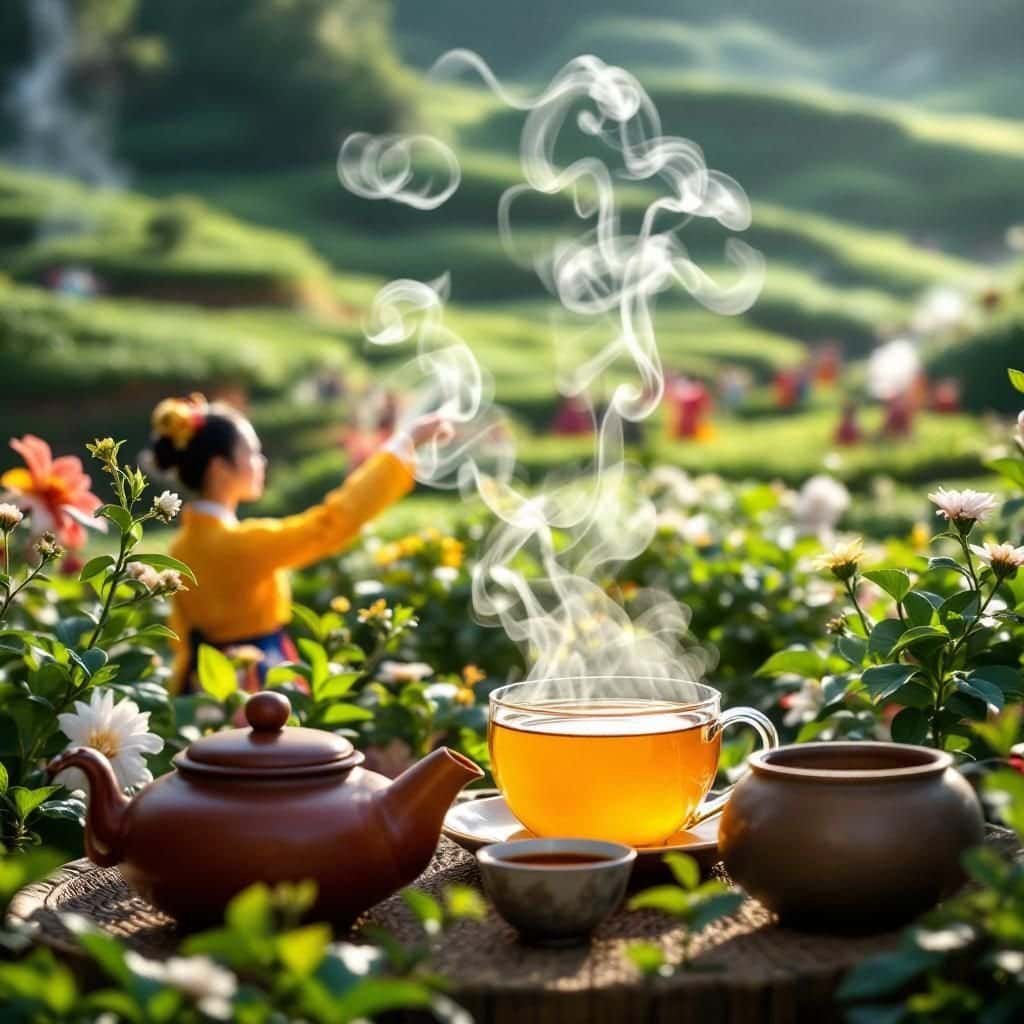
Reaching the Boseong Green Tea Fields is relatively straightforward, whether you’re coming from Seoul or other parts of Korea. Discover more in our guide on healing tea journeys to explore.
From Seoul
Travelers can take a direct bus from Seoul’s Express Bus Terminal to Boseong, a journey that typically takes around 4.5 hours. Alternatively, you can take a train to Gwangju and then a local bus to Boseong.
From Busan
From Busan, take an intercity bus from Busan Central Bus Terminal to Boseong (approximately 2.5–3 hours, around 18,000 KRW). Alternatively, take a train to Gwangju Songjeong Station and then a local bus to Boseong (total journey approximately 2.5 hours).
From Gwangju
Gwangju is the most convenient gateway to Boseong. Regular buses depart from Gwangju Intercity Bus Terminal to Boseong approximately every 30–60 minutes (journey time: 1 hour, fare: approximately 6,000 KRW). From Boseong Bus Terminal, take a local bus or taxi to Daehan Dawon.
Local Transportation
Once in Boseong, getting to Daehan Dawon and other plantations is easy via local buses or taxis. The area is well signposted, ensuring you won’t miss these iconic sites.
Korean Tea Types at Boseong
Boseong’s teas are best appreciated alongside an understanding of Korean tea culture. Our guide to the Korean tea ceremony (Darye) explores the traditional rituals and etiquette that have shaped Korea’s tea heritage for centuries — perfect preparation for your Boseong visit.
Boseong produces several distinct grades of Korean green tea, each harvested at different times and offering unique flavor profiles. Understanding these varieties helps you choose the right tea to bring home:
- Woojeon (우전): The most prized grade, harvested before the first rain of spring (before April 20). Delicate, sweet, and grassy with minimal astringency — the rarest and most expensive Boseong tea.
- Sejak (세작): Harvested just after Woojeon, with slightly more body and a balanced flavor. Often called “sparrow’s tongue” for the shape of the leaves. Excellent for daily drinking.
- Jungjak (중작): A mid-season harvest with a fuller, more robust flavor. More affordable and widely available at plantation shops.
- Daejak (대작): Late-season harvest with a stronger, earthier taste. Often used for blending or everyday green tea.
- Yeop Cha (엽차): A general term for leaf tea, typically the most affordable grade. Great for cooking with green tea or making large batches of iced tea.
When shopping at Daehan Dawon’s gift shop, look for the harvest date and grade on the packaging. Staff can guide you to the right variety based on your taste preferences and budget.
Best Photo Spots
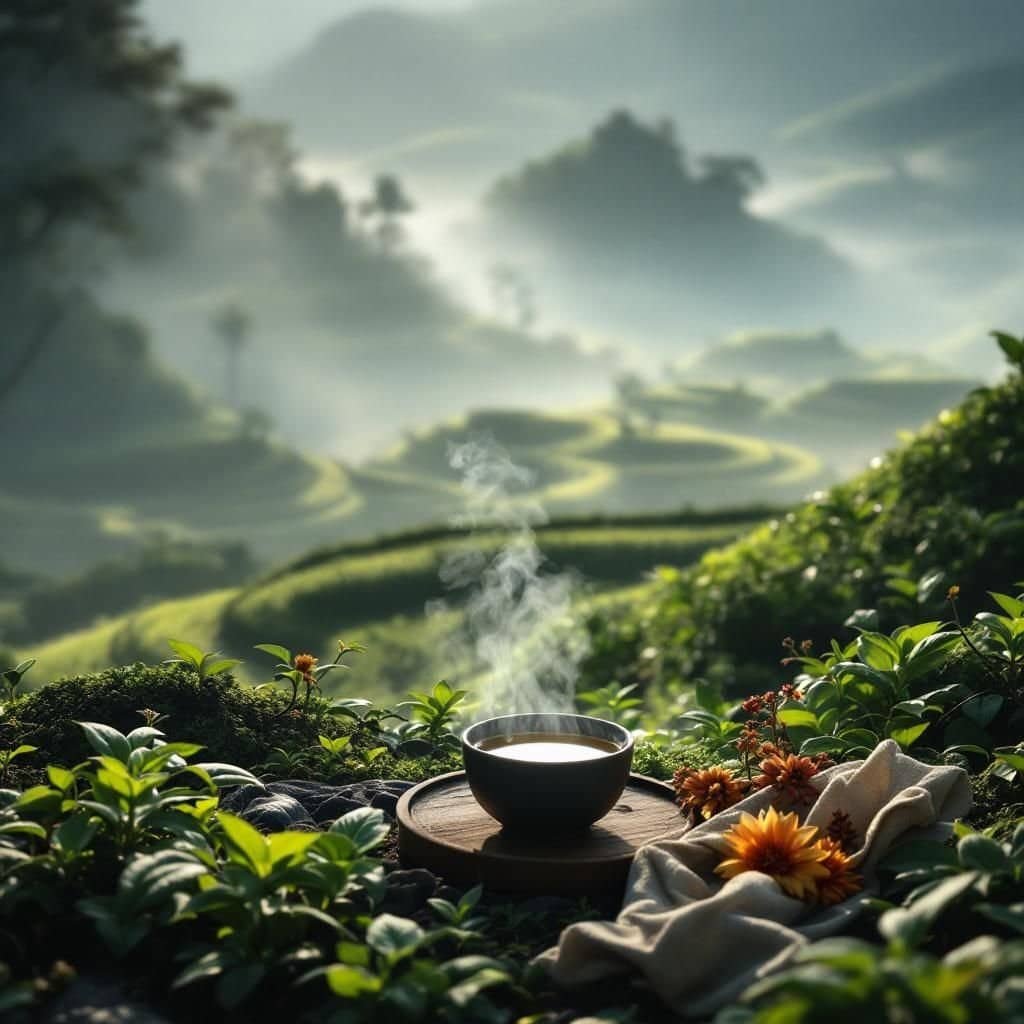
For photography enthusiasts, Boseong is a treasure trove of stunning vistas. Here are some of the best spots to capture the essence of the green tea fields:
- Observation Deck: Located at the top of Daehan Dawon, the observation deck offers sweeping views of the entire plantation, perfect for panoramic shots.
- Misty Mornings: Early risers can capture the fields enveloped in morning mist, creating a mystical and ethereal atmosphere.
- Golden Hour: Visit during the late afternoon to capture the fields bathed in the warm glow of the setting sun.
- Close-ups: Don’t miss the opportunity to photograph the tender, bright green tea leaves up close, showcasing their delicate beauty.
Seasonal Visits
While the Boseong Green Tea Fields are beautiful year-round, different seasons offer unique experiences:
- Spring: Witness the fresh, vibrant green of newly sprouted tea leaves.
- Summer: Enjoy the lush, full-grown tea plants under clear skies.
- Autumn: Experience the contrast of the green fields against the backdrop of colorful autumn foliage.
- Winter: The fields take on a stark beauty as frost covers the terrain, offering a unique photographic opportunity.
Conclusion
The Boseong Green Tea Fields offer more than just a scenic escape; they provide a deep dive into the rich culture and traditions of Korean tea. Whether you’re a tea aficionado, a photography lover, or simply someone looking to experience a unique slice of Korean culture, a visit to Boseong is sure to leave you enchanted.
Practical Tips and Costs
Visiting Boseong is straightforward and affordable. Here is what to budget and plan for:
Opening Hours
- Summer hours (March–October): 9:00 AM – 6:00 PM
- Winter hours (November–February): 9:00 AM – 5:00 PM
- Tea Festival (May): Extended hours, typically 8:00 AM – 9:00 PM
- The plantation is open year-round, including public holidays. Last entry is 1 hour before closing.
Admission and Tour Costs
- Daehan Dawon entrance fee: 4,000 KRW adults, 3,000 KRW youth aged 7-18 (approximately $3 and $2 USD)
- Tea tasting sessions: 5,000-15,000 KRW per person ($3.70-$11 USD) depending on the tea selection
- Tea-making workshops: 10,000-20,000 KRW per person ($7.40-$15 USD)
- Guided plantation tours: Often included with admission or available for 5,000-8,000 KRW extra
Accommodation Options
- Guesthouses near Daehan Dawon: 40,000-80,000 KRW per night ($30-$60 USD)
- Mid-range hotels in Boseong town: 60,000-120,000 KRW per night ($45-$90 USD)
- Pension-style stays with garden views: 80,000-150,000 KRW per night ($60-$110 USD)
Best Time to Visit
Spring (April-May) is peak season when the tea leaves are at their most vibrant green and the annual Tea Festival takes place. Weekday visits are strongly recommended to avoid weekend crowds. Arrive before 9am for the best photography light and fewer visitors on the trails.
Getting Around Boseong
Local buses connect Boseong Bus Terminal to Daehan Dawon (approximately 20 minutes, 1,500 KRW). Taxis from the terminal cost around 8,000-12,000 KRW. Renting a bicycle is a popular option for exploring multiple plantations at your own pace.
Nearby Attractions
Boseong offers more than just tea fields. Combine your visit with these nearby attractions for a full day or weekend itinerary:
- Boseong Dinosaur Museum (보성 공룡박물관): Located about 15 minutes from Daehan Dawon, this museum features impressive dinosaur fossils and replicas discovered in the Boseong region. Great for families and geology enthusiasts.
- Yulpo Beach (율포해수욕장): A scenic beach about 20 minutes from the tea fields, popular for its calm waters and fresh seafood restaurants. The combination of mountains, tea fields, and ocean makes Boseong uniquely diverse.
- Yulpo Green Tea Seawater Spa (율포해수녹차센터): A unique green tea bathhouse where you can soak in baths infused with Boseong green tea. Open daily, with admission around 7,000-10,000 KRW. A perfect way to end a day of tea field exploration.
- Boseong Bamboo Forest: A tranquil bamboo grove near the tea fields, offering a peaceful walking path and excellent photography opportunities.
- Gwangju (광주): The nearest major city (about 1 hour away) offers excellent Korean cuisine, the May 18th National Cemetery, and the Asia Culture Center for those extending their trip.
Local Customs and Etiquette
Respecting local customs enhances your experience and shows appreciation for Korea’s tea culture:
Tea Ceremony Etiquette
During formal tea ceremonies, receive your cup with both hands as a sign of respect. Sip slowly and quietly, appreciating the aroma before tasting. Avoid adding sugar or milk to traditional Korean green tea, as this is considered disrespectful to the tea’s natural flavor profile.
Photography Courtesy
Always ask permission before photographing tea pickers at work. Many workers appreciate the interest but prefer not to be photographed without consent. Drone photography requires advance permission from plantation management and may be restricted during peak harvest periods.
Environmental Responsibility
Stay on designated paths to protect the delicate tea plants. The terraced fields are carefully maintained, and walking between rows can damage root systems. Carry out all waste and avoid picking tea leaves unless specifically invited to do so during a guided experience.
Shopping for Tea
When purchasing tea at the plantation shop, look for the harvest date on the packaging. First flush teas (harvested in early spring) are the most prized and flavorful. Staff are knowledgeable and happy to recommend varieties based on your taste preferences, from the grassy, light Ujeon to the more robust Sejak.
Ready to explore more tea destinations? Visit our Tea Travel Guides hub for comprehensive destination guides across Asia and beyond.
Plan Your Boseong Tea Adventure
Whether you are chasing the perfect sunrise over terraced fields or seeking the freshest cup of Korean green tea, Boseong delivers an unforgettable experience. Explore more tea travel destinations across Asia.
Frequently Asked Questions
What is the best time to visit the Boseong Green Tea Fields?
The best time to visit is during spring for lush greenery or in May for the Boseong Tea Festival. Each season offers unique views.
How can I get to the Boseong Green Tea Fields from Seoul?
You can take a direct bus from Seoul’s Express Bus Terminal to Boseong or take a train to Gwangju and then a local bus.
What activities are available at Daehan Dawon plantation?
Visitors can explore the Tea Museum, participate in tea tastings, join workshops, and enjoy walking trails with panoramic views.
What can I expect at the Boseong Tea Festival?
The festival features tea-picking demonstrations, cultural performances, traditional tea ceremonies, and food stalls with green tea-infused dishes.
Are there good photography spots in Boseong?
Yes, the observation deck, misty morning views, and golden hour light provide excellent opportunities for photography.
What are the opening hours of Boseong Green Tea Fields?
Daehan Dawon is open 9:00 AM to 6:00 PM in summer (March–October) and 9:00 AM to 5:00 PM in winter (November–February). The plantation is open year-round, including public holidays.
How do I get to Boseong from Busan?
From Busan, take an intercity bus from Busan Central Bus Terminal to Boseong (approximately 2.5–3 hours, around 18,000 KRW). Alternatively, take a train to Gwangju and then a local bus to Boseong. Total journey time is approximately 2.5–3 hours.
When is the Boseong Green Tea Festival?
The Boseong Green Tea Festival is held annually in May, typically during the first or second week. It coincides with the spring harvest season when the tea leaves are at their most vibrant.
What types of Korean green tea can I buy at Boseong?
Boseong produces several grades of Korean green tea: Woojeon (the most prized, harvested before April 20), Sejak (balanced and flavorful), Jungjak (fuller-bodied mid-season), Daejak (robust late-season), and Yeop Cha (everyday leaf tea). Staff at Daehan Dawon’s gift shop can help you choose based on your taste preferences.
Is Boseong worth visiting as a day trip from Seoul?
Yes, Boseong is absolutely worth visiting as a day trip from Seoul, though an overnight stay lets you experience the fields at sunrise. The journey takes approximately 3-3.5 hours by KTX to Gwangju followed by a local bus. Budget at least 4-5 hours at the fields to explore the terraced paths, visit the Tea Museum, and enjoy a tea tasting. The best months for a day trip are May (spring harvest and Tea Festival) and October (autumn foliage).