
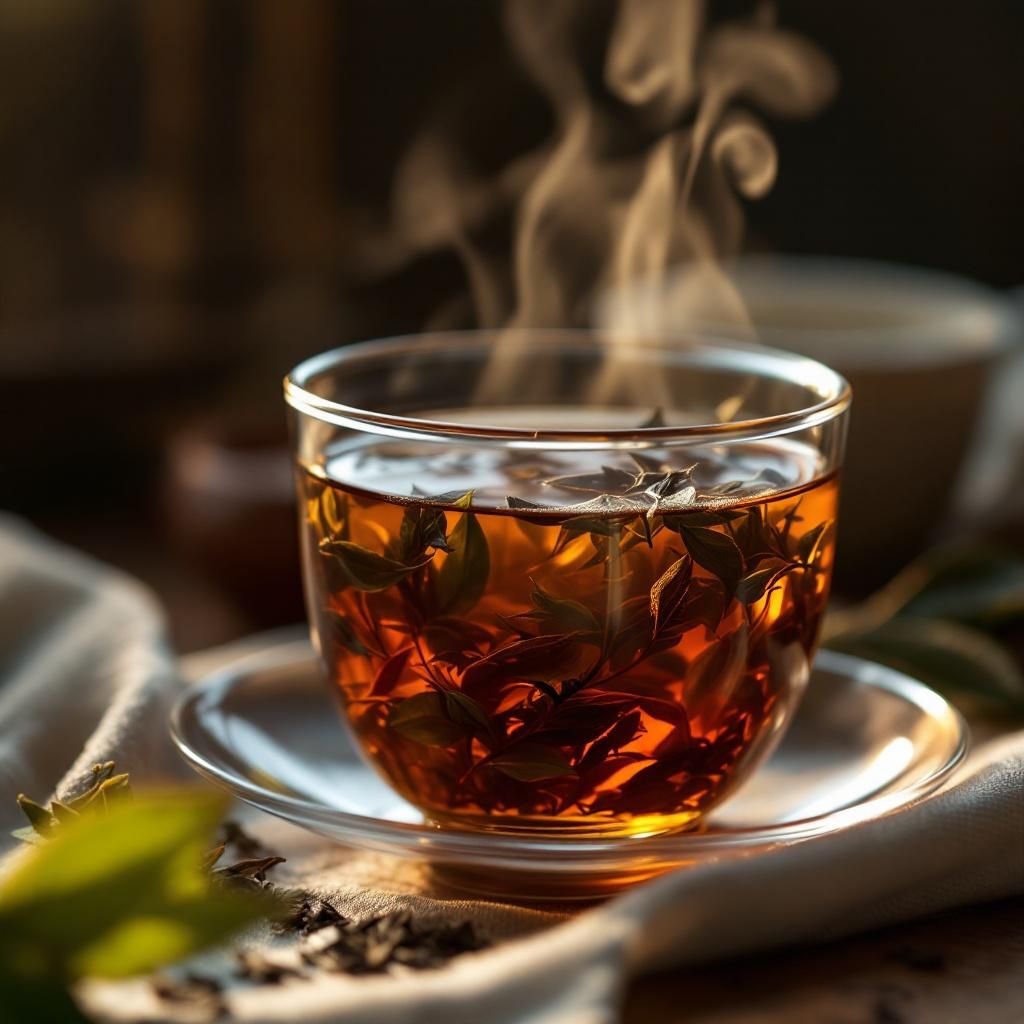
Alishan tea tourism offers travelers a rare opportunity to explore Taiwan’s most celebrated high-mountain oolong region, where misty peaks, ancient forests, and centuries of tea craft converge. Located in Chiayi County at elevations between 1,000 and 2,200 meters, Alishan produces oolong teas prized for their creamy texture, floral orchid aroma, and lingering sweetness. Whether you are trekking through cloud-shrouded plantations at dawn, participating in a traditional tea ceremony, or tasting first-flush spring oolong with a fourth-generation tea master, Alishan delivers one of the world’s most immersive tea travel experiences.
Quick Facts Box
- Country: Taiwan
- Region: Alishan
- Best Time to Visit: March to May, September to November
- Currency: New Taiwan Dollar (TWD)
- Language: Mandarin Chinese
- Visa Requirements: Visa-free entry for many countries up to 90 days
Introduction to Alishan Tea Tourism
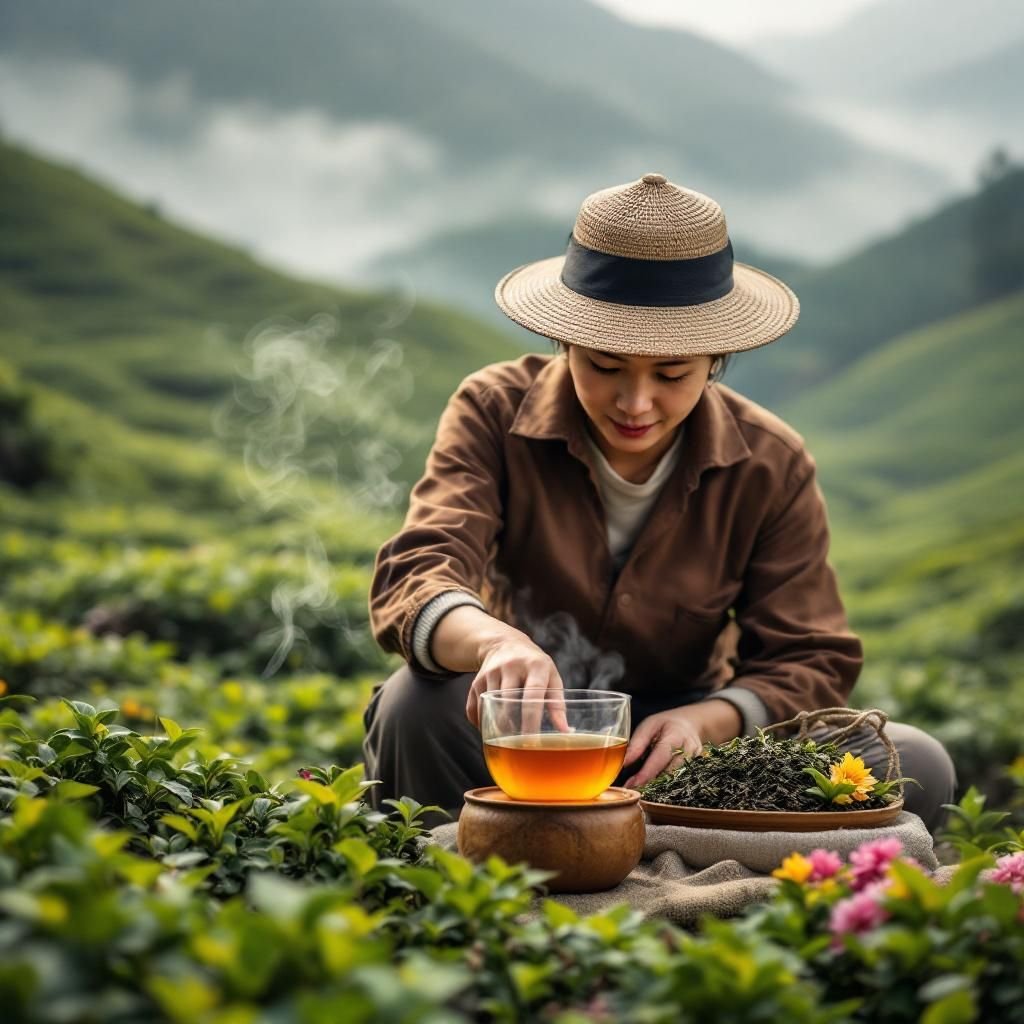
Set high in the mountains of Chiayi County, Alishan is a renowned destination for tea enthusiasts around the world. Known for its scenic beauty and the production of exquisite high mountain oolong teas, Alishan offers a unique blend of natural and cultural experiences. The cool climate and misty landscapes provide the perfect environment for tea cultivation, contributing to the complex flavors and aromas that characterize Alishan oolong teas. For travelers seeking an immersive tea travel experience, Alishan promises not only breathtaking views but also a deep dive into the art of tea production.
The Alishan region has been producing tea for over 300 years, with many family estates tracing their lineage back to Fujian immigrants who brought oolong cultivation techniques to Taiwan in the 18th century. Today, Alishan is recognized as one of Taiwan’s three premier high-mountain oolong regions, alongside Lishan and Dayuling. The combination of high altitude, mineral-rich soil, and dramatic temperature swings between day and night creates the perfect stress conditions for producing complex, multi-layered oolong teas.
Best Tea Regions in Alishan
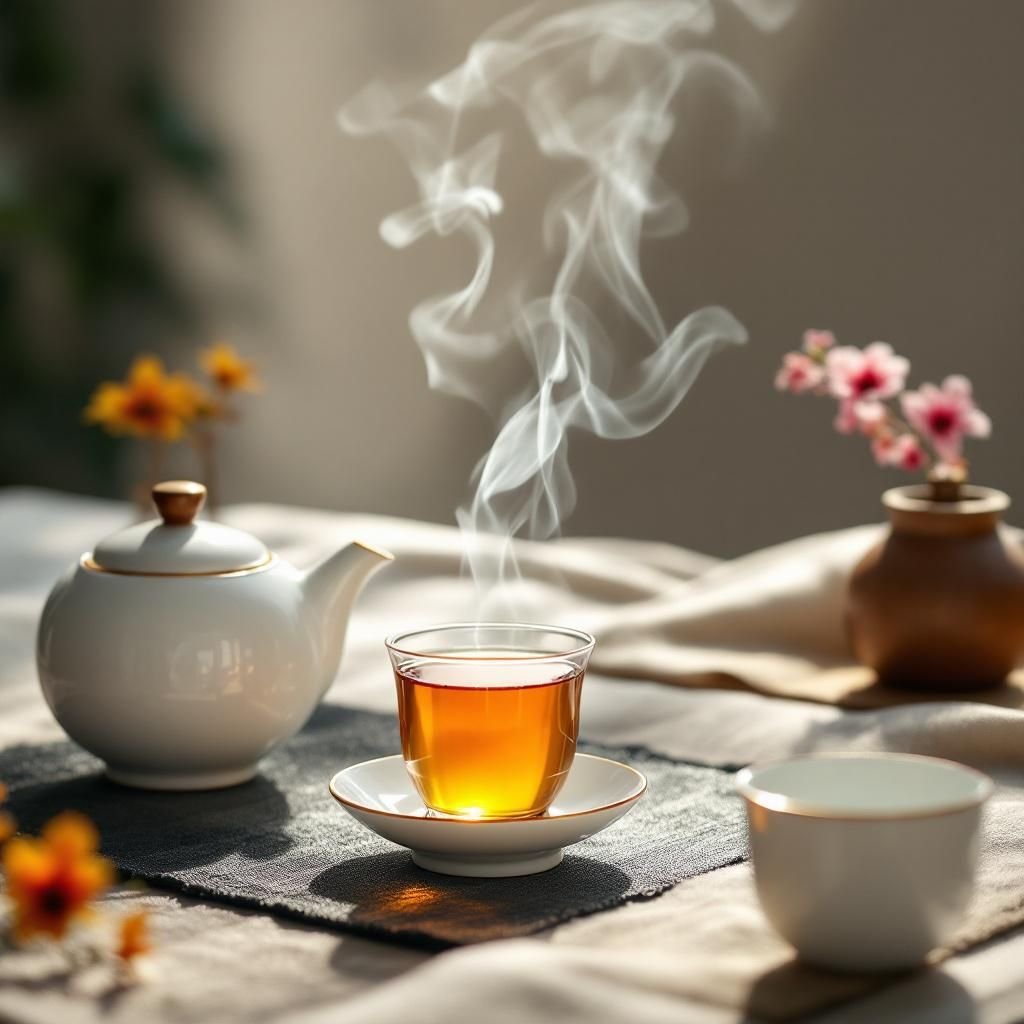
Alishan’s tea regions are spread across various elevations, each offering unique soil and climatic conditions that influence the tea’s flavor profile. The most renowned areas include Shizhuo, Meishan, and Fenqihu. Shizhuo is particularly famous for its lush tea plantations and offers several farms that open their doors for tours and tastings. Meishan’s tea gardens are situated at slightly lower altitudes, providing a different yet equally enchanting taste. Fenqihu, known for its historic railways and ancient trees, also has some of the finest oolong gardens in Taiwan.
Shizhuo, often called the “highest tea village in Taiwan,” sits at approximately 1,300 meters and is home to some of the most sought-after Alishan oolongs. The village itself is a charming cluster of tea houses, family estates, and small guesthouses where visitors can spend days tasting different batches and learning about processing techniques. Meishan, at around 1,000 meters, produces oolongs with a slightly fuller body and more pronounced stone-fruit notes, while Fenqihu’s gardens benefit from the unique microclimate created by the convergence of mountain valleys.
Types of Tea Produced in Alishan
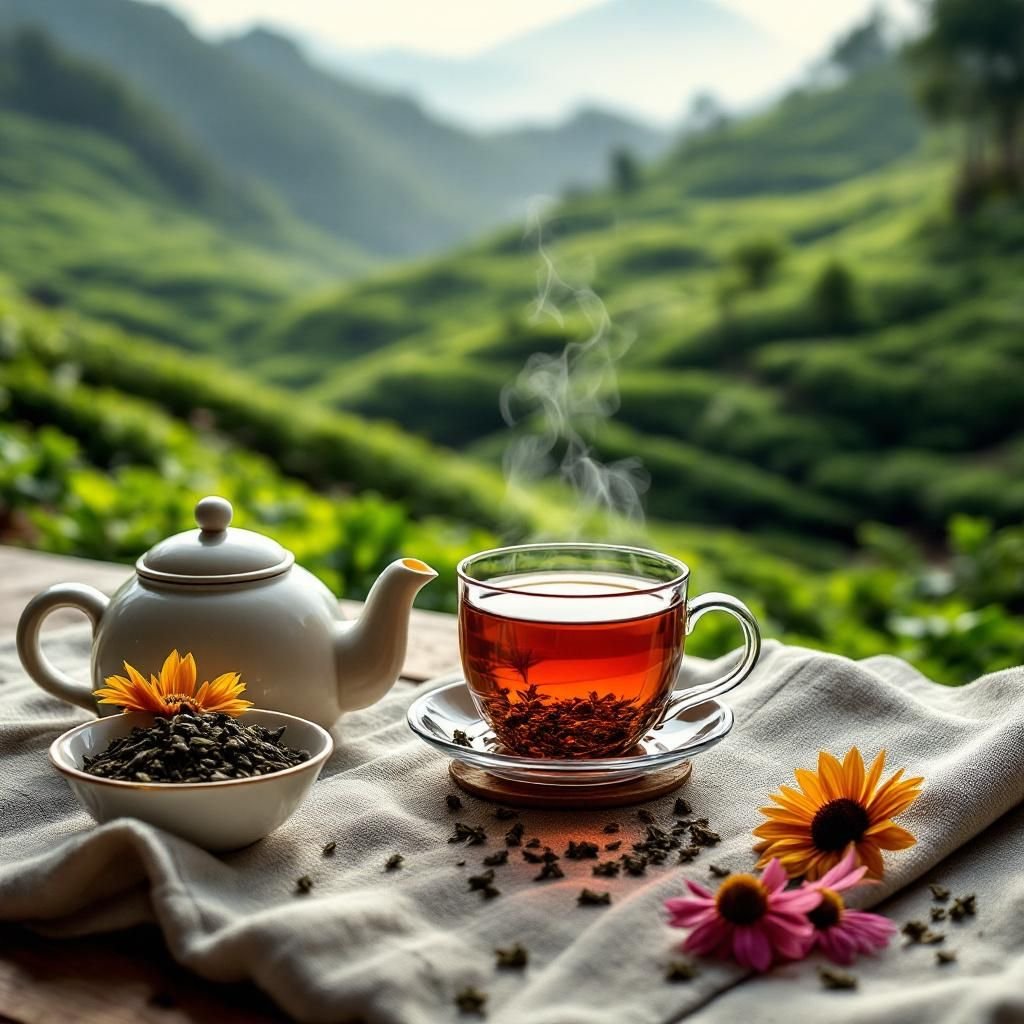
The region is primarily known for its high mountain oolong teas, which are celebrated for their floral and creamy notes. These teas are lightly oxidized, maintaining their greenish hue and fresh aroma. A typical Alishan oolong will have a creamy texture with hints of orchid and magnolia, complemented by a lingering sweet aftertaste. Some farms also produce black teas and green teas, though these are less common. The unique terroir of Alishan contributes to the distinct character of its teas, making them highly sought after by connoisseurs worldwide.
Within the oolong category, Alishan produces several distinct styles. Traditional Qing Xiang (light fragrance) oolongs are the most common, with minimal roasting to preserve the fresh floral character. Zhong Huo (medium fire) oolongs undergo slightly more roasting, adding warm honey and toasted nut notes while retaining the underlying florals. A small number of estates also experiment with black tea production using the same cultivars, creating unique Alishan black teas with cocoa and dried fruit notes that differ dramatically from the region’s oolongs.
Tea Tourism Experiences in Alishan
Alishan offers a rich array of tea tourism experiences that cater to both novices and seasoned tea drinkers. Visitors can participate in guided tours of tea farms, where they can learn about the intricate processes involved in tea cultivation and production. Many farms offer hands-on experiences such as tea picking and traditional tea ceremonies. Additionally, several local workshops provide insights into the art of tea tasting, allowing visitors to enhance their sensory skills. Notable farms like the Alishan Tea Research and Development Center provide educational tours that delve into the science behind oolong tea production.
For the most immersive experience, consider booking a multi-day stay at a family-owned tea estate. These stays typically include morning harvesting sessions, afternoon processing demonstrations, and evening tasting workshops where the estate’s different batches are evaluated side by side. Some estates also offer sunrise tea ceremonies on their terraces, where guests sip first-flush oolong while watching the sun rise over the cloud sea below.
The Alishan Forest Railway, a historic narrow-gauge line built during the Japanese colonial period, offers another unique tea tourism angle. Several stations along the route are surrounded by tea gardens, and some farms have opened tasting rooms near the tracks where travelers can sample oolong while waiting for the next train. The combination of heritage railway travel and high-mountain tea tasting is unique to Alishan.
Best Time to Visit Alishan
The best time to visit Alishan is during the spring (March to May) and fall (September to November) seasons. During these months, the weather is pleasantly cool, and the tea plants are at their peak. Spring is particularly special as it coincides with the tea harvesting season, allowing visitors to witness the bustling activity of tea picking. Autumn, on the other hand, offers clear skies and vibrant foliage, enhancing the scenic beauty of the region.
Winter (December to February) can be surprisingly cold at high elevations, with occasional frost and snow at the highest gardens. However, winter-picked oolongs, known as “dong pian” or winter petals, are prized by connoisseurs for their concentrated sweetness and crisp finish. Visitors who brave the cold are often rewarded with empty trails, lower accommodation prices, and access to limited-edition winter teas that are rarely exported.
How to Get to Alishan
Traveling to Alishan involves a journey through Taiwan’s picturesque landscapes. The nearest major city is Chiayi, which is accessible via Taiwan High-Speed Rail from Taipei or Kaohsiung. From Chiayi, travelers can take a bus or the famous Alishan Forest Railway to reach the mountains. The railway, built during the Japanese colonial period, offers a nostalgic and scenic ride through the forests. Alternatively, private shuttles and taxis are available for a more direct route to Alishan.
For tea-focused travelers, renting a car in Chiayi is often the best option. Many of the finest tea estates are located on winding mountain roads that are not served by public transportation. Having a vehicle also allows for flexible scheduling of farm visits and the ability to explore lesser-known gardens in remote valleys. International visitors should note that Taiwan recognizes most foreign driving licenses for up to 30 days.
Where to Stay in Alishan
Alishan offers a range of accommodations to suit different budgets and preferences. For an authentic experience, consider staying at a tea estate like the Alishan House, which provides panoramic views and access to local tea farms. Mid-range options include the Alishan Gou Hotel, known for its warm hospitality and convenient location. Budget travelers can opt for guesthouses in Shizhuo, which offer cozy stays and often include tea tasting sessions as part of their packages.
Tea estate homestays have become increasingly popular in recent years. These family-run properties offer simple but comfortable rooms, home-cooked meals, and unlimited access to the estate’s tea collection. Many hosts are third- or fourth-generation tea farmers who are eager to share their knowledge with guests. Expect to spend evenings around the family tea table, tasting different batches and learning about the subtle variations between harvests.
Costs and Budgeting for Alishan
Travel costs in Alishan vary depending on the season and type of accommodation. On average, a daily budget of NT$2,000 to NT$5,000 (USD 70 to 175) should cover lodging, meals, and transportation. Tea tours and tasting sessions may have additional fees, typically ranging from NT$500 to NT$1,500. Be prepared to spend more during peak seasons, particularly during spring and autumn.
High-quality Alishan oolong is not cheap, and visitors should budget accordingly for purchases. Premium first-flush spring oolongs from well-known estates can cost NT$3,000 to NT$8,000 per 150g. However, many farms offer “farmer’s choice” selections at lower prices that still represent excellent quality. Tasting before buying is standard practice, and most estates are happy to brew multiple samples to help you find the right tea for your palate and budget.
Sample Itineraries for Alishan Tea Tourism
3-Day Itinerary
Day 1: Arrive in Chiayi, travel to Alishan, and enjoy an evening tea tasting session.
Day 2: Visit Shizhuo tea plantations and participate in a tea picking workshop.
Day 3: Explore Fenqihu’s historic railway and enjoy a traditional tea ceremony.
5-Day Itinerary
Day 1: Travel to Alishan and settle into your accommodation.
Day 2: Participate in a guided tour of Meishan tea farms.
Day 3: Experience a full day of tea tasting workshops and local culinary delights.
Day 4: Explore Alishan National Scenic Area, including hiking trails and viewpoints.
Day 5: Visit the Alishan Tea Research and Development Center before departure.
7-Day Itinerary
Day 1-2: Travel to Alishan and explore Shizhuo tea gardens.
Day 3-4: Participate in in-depth tea workshops and cultural tours in Meishan.
Day 5: Visit Fenqihu and enjoy a local railway tour.
Day 6: Relax and enjoy the scenic beauty of the Alishan National Scenic Area.
Day 7: Conclude your trip with a visit to local markets and tea shops.
Ready to plan your Alishan tea journey? Browse our full tea destinations collection, or explore our Taiwan oolong tea trail guide for a broader island itinerary.
Frequently Asked Questions
What makes Alishan tea unique?
Alishan tea is unique due to its high-altitude growth at 1,000–2,200 meters, which results in a rich, floral aroma and a smooth, creamy taste. The cool, misty climate and mineral-rich soil create ideal growing conditions that cannot be replicated at lower elevations.
Can I visit tea farms year-round?
Yes, tea farms in Alishan welcome visitors year-round, though the best experiences are during harvest seasons in spring (March–May) and fall (September–November). Winter visits offer access to rare dong pian winter teas and empty trails.
Are there guided tours available?
Yes, many farms offer guided tours and workshops. The Alishan Tea Research and Development Center provides educational tours, while family estates often offer hands-on picking and processing experiences. English-speaking guides are available at most major farms.
What other attractions are there in Alishan?
Besides tea farms, Alishan offers hiking trails, the Alishan Forest Railway, and the National Scenic Area with its stunning sunrise views. The region is also home to ancient cypress forests and indigenous Tsou cultural villages.
Is Alishan suitable for family visits?
Absolutely! Alishan is family-friendly, with gentle hiking trails, scenic train rides, and tea farms that welcome children. Many estates offer educational activities designed for younger visitors.
How much does high-quality Alishan oolong cost?
Premium first-flush Alishan oolong from well-known estates typically costs NT$3,000 to NT$8,000 per 150g. Many farms also offer more affordable “farmer’s choice” selections that still represent excellent quality. Always taste before buying.
Do I need to speak Mandarin to visit Alishan tea farms?
While Mandarin is helpful, many larger farms and tourist-oriented estates have English-speaking staff. For remote family estates, consider hiring a local guide or using a translation app. The tea community in Alishan is welcoming and accustomed to international visitors.

