
Table of Contents
Quick Summary: Discover South Africa’s unique red tea heritage on a Cederberg rooibos farm tour. Learn about organic cultivation, indigenous Khoisan traditions, and how to book an immersive tea experience in the mountains where rooibos grows nowhere else on Earth.
What to Expect on a Rooibos Farm Tour
Embarking on a Rooibos farm tour in the Cederberg mountains of South Africa is an unparalleled experience that immerses you into the heart of the country’s unique red tea heritage. These tours offer a blend of natural beauty, cultural insight, and hands-on tea experiences that are both educational and entertaining. As you wander through the lush fields where the indigenous Rooibos plant grows exclusively, you will learn about its cultivation and historical significance to the local cultures.. You may also enjoy reading about Charleston Tea Garden: North America’s Largest Tea Farm
The tours typically include guided walks through the fields, where experts explain the growing process, from planting to harvesting. You will also witness the drying and fermentation stages that give Rooibos its distinctive flavor profile. Many farms offer tasting sessions, allowing you to sample various blends and discover the nuanced flavors of different Rooibos teas. Some tours even provide the opportunity to participate in traditional Rooibos tea ceremonies, offering a deeper understanding of its cultural importance.
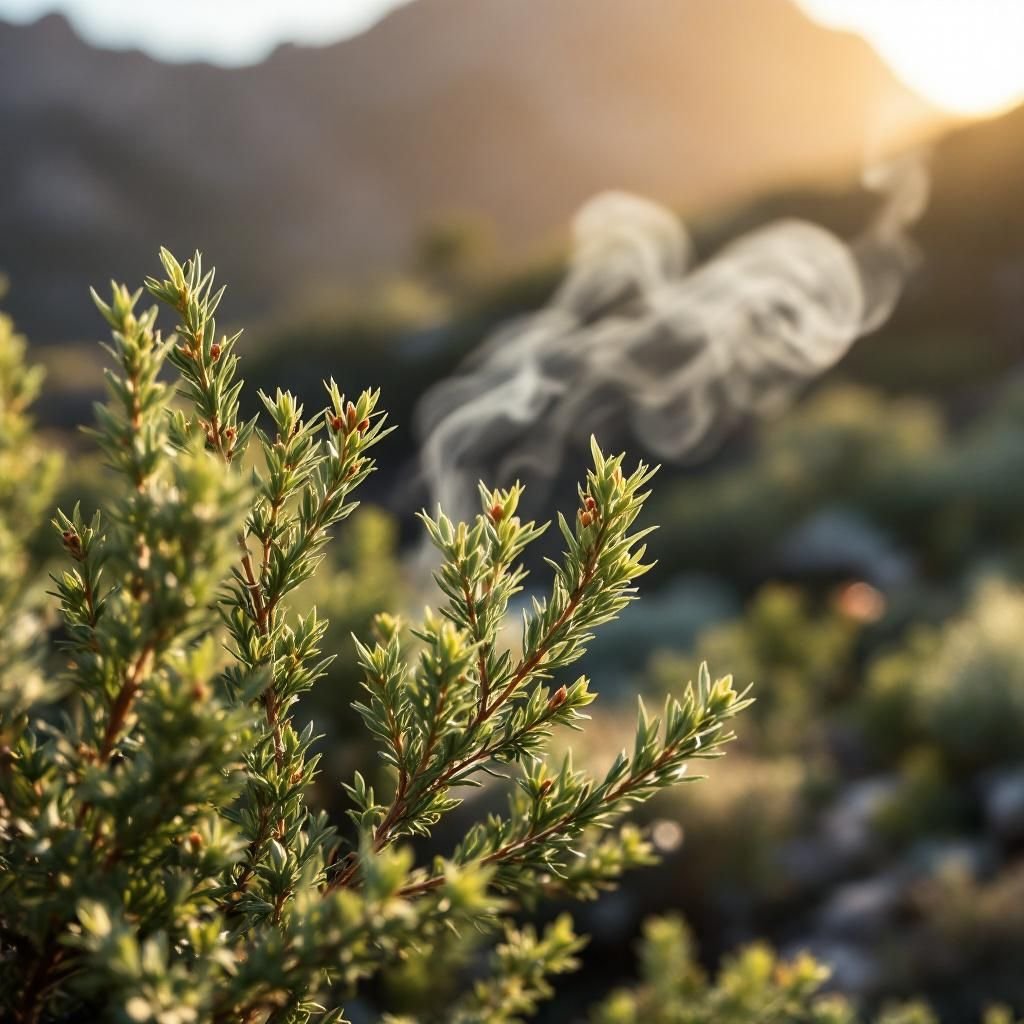
During a typical rooibos farm tour, visitors walk through the fynbos landscape alongside experienced guides who explain the plant’s unique growing conditions. The Cederberg’s sandy, nutrient-poor soil and Mediterranean climate create the perfect environment for Aspalathus linearis, the rooibos shrub. You’ll see the difference between wild and cultivated plants, learn how indigenous communities have harvested rooibos for centuries, and discover why this region remains the only place on Earth where rooibos grows naturally.
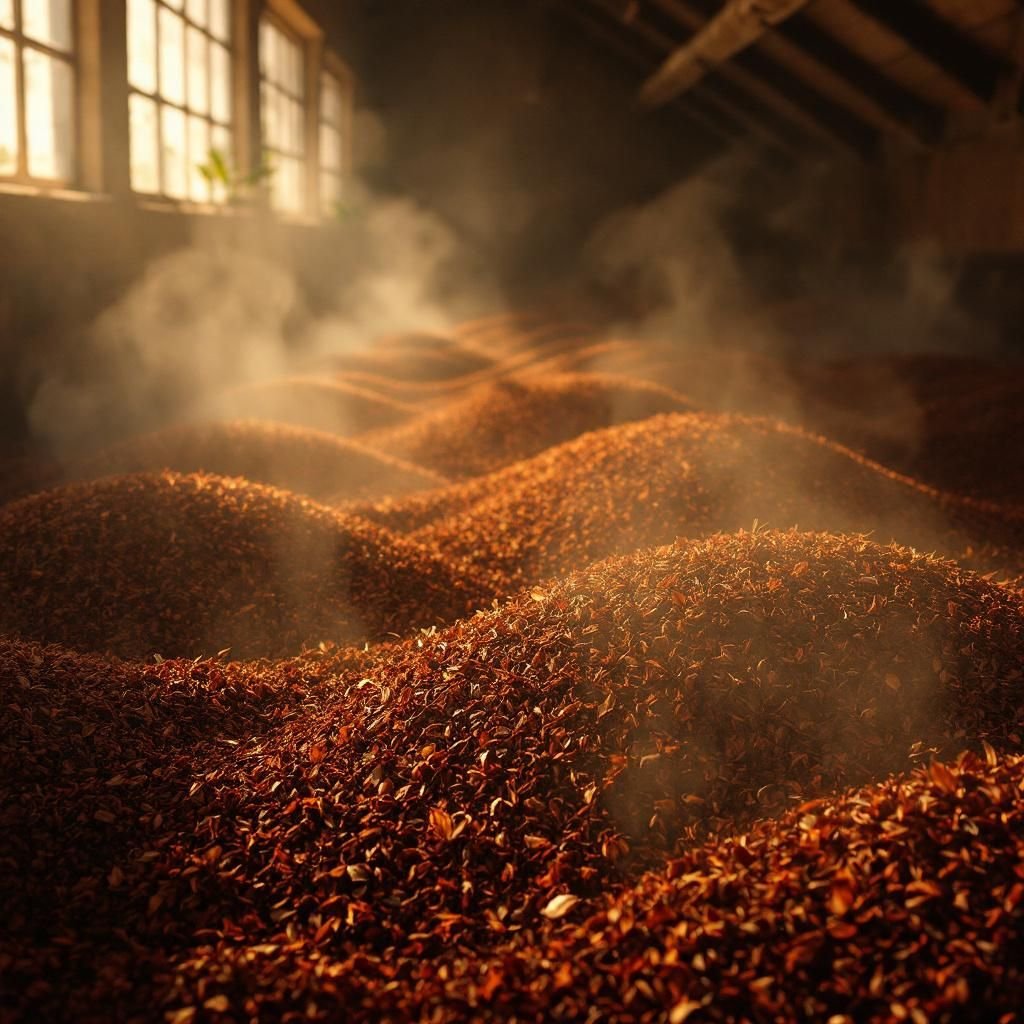
Most tours include a visit to the processing facility where freshly harvested rooibos branches are cut, bruised, oxidized, and dried. The oxidation process transforms the green needles into the characteristic amber-red color that gives rooibos its name, which means ‘red bush’ in Afrikaans. Visitors can smell the sweet, hay-like aroma of drying rooibos and taste the difference between green (unoxidized) and traditional red rooibos teas.
Booking Information
Booking a Rooibos farm tour is straightforward, with options available through local tourism agencies and directly through farm websites. It’s advisable to book in advance, especially during peak travel seasons, to ensure a spot on your preferred tour. Prices vary depending on the length and inclusivity of the tour, with some offering additional experiences such as farm-to-table meals or overnight stays in charming tea cottages.. You may also enjoy reading about Rooibos Harvest Experiences in Cederberg: Beyond the Cup
When booking, consider whether the tour includes transportation from nearby towns, as the Cederberg region is quite remote. Some tours offer pick-up services from Clanwilliam, a nearby hub for South Africa tea tourism, which can enhance the convenience of your visit. Always check online reviews and ratings before booking to ensure a reputable and enriching experience.
Costs and What is Included
The cost of Rooibos farm tours in South Africa varies, typically ranging from $30 to $100 per person. This price often includes guided farm tours, tea tastings, and a small gift pack of Rooibos products. More comprehensive packages might include meals, transportation, and additional cultural experiences, such as visits to local historical sites or artisan workshops.. You may also enjoy reading about South Africa Tea Travel Guide: Exploring the Land of Rooibos
Some farms offer premium experiences that include accommodations in rustic lodges or luxurious tents, providing an immersive experience in the heart of the Cederberg. These packages can cost upwards of $200 per night but offer unparalleled access to the landscape and exclusive activities such as stargazing tours or guided hikes in the surrounding mountains.
Tips for First-Timers
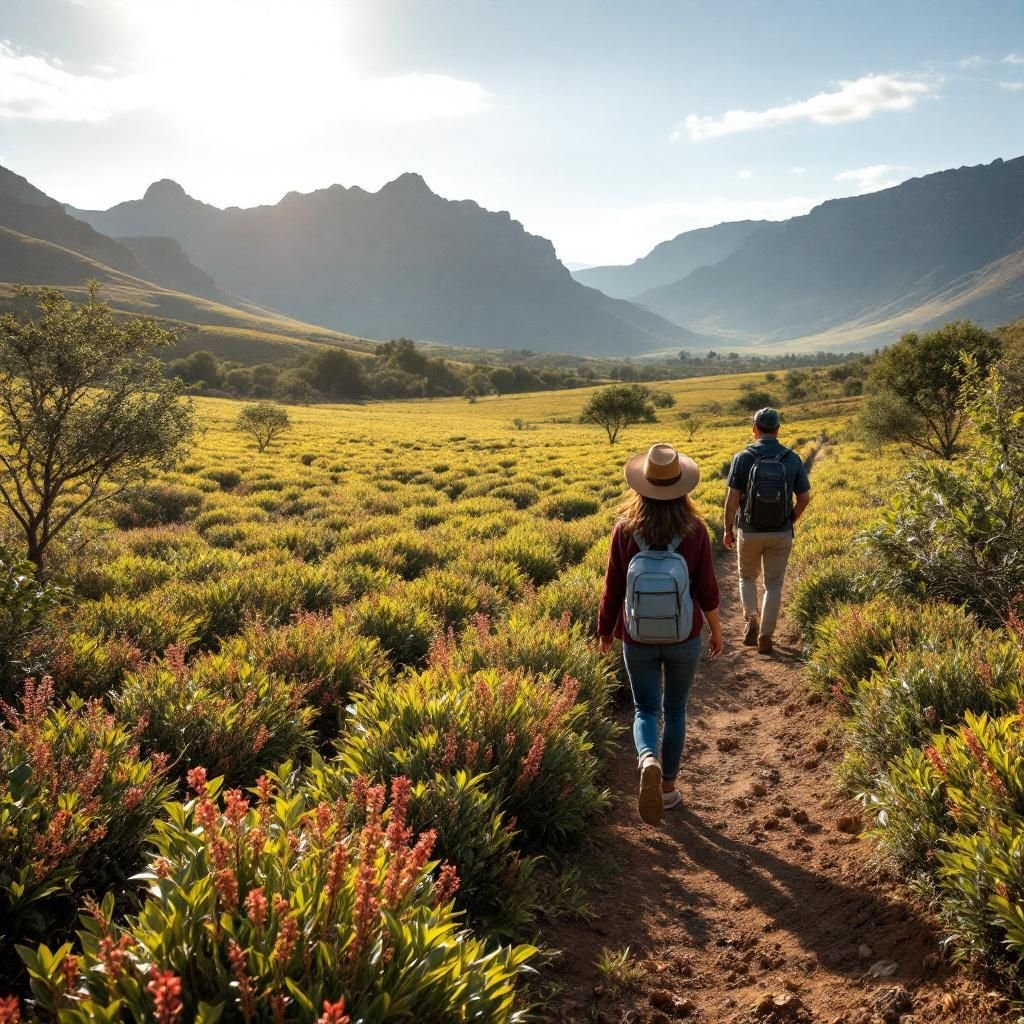
For first-time visitors to Rooibos farm tours in South Africa, it’s important to come prepared. Wear comfortable clothing and sturdy shoes suitable for walking through fields and uneven terrain. The Cederberg region can be hot, so bring a hat, sunscreen, and plenty of water to stay hydrated. A camera is essential for capturing the stunning landscapes and vibrant colors of the Rooibos fields.
Be open to learning and engaging with your guides, as they are often locals with deep knowledge and passion for Rooibos and its cultural heritage. Ask questions and participate in tastings to fully appreciate the diverse flavors and preparations of this unique tea. Finally, respect the natural environment and local customs, ensuring a positive experience for all involved.
Pack layers regardless of the season, as mountain weather in the Cederberg can shift quickly from warm sunshine to cool breezes. Sturdy walking shoes are essential for uneven farm terrain, and a wide-brimmed hat plus sunscreen will protect you during the outdoor portions of the tour. Bring a reusable water bottle and consider packing a small notebook for recording tasting notes.
Photography enthusiasts should bring a macro lens to capture the delicate needle-like leaves of the rooibos plant up close. The surrounding Cederberg Wilderness Area offers stunning sandstone formations that make for dramatic backdrops. Ask your guide about the best seasons for wildflower viewing, as the area bursts into color during spring with proteas, ericas, and daisies blooming across the landscape.
Best Time to Go
The Cederberg region is most accessible and enjoyable during the South African spring and autumn, from September to November and March to May. These periods offer mild weather and vibrant landscapes, perfect for outdoor activities and tours. During these months, the Rooibos fields are lush and green, providing a picturesque backdrop.
While summers can be intensely hot, they also coincide with the Rooibos harvesting season, offering visitors a unique opportunity to see the harvesting process in action. Winters, on the other hand, can be chilly and wet, which might limit some outdoor experiences but offer a quieter, more introspective visit.
Spring (September to November) offers the most pleasant weather for Cederberg rooibos farm tours, with mild temperatures and spectacular wildflower displays across the fynbos landscape. Summer months (December to February) can be hot, with temperatures occasionally exceeding 35°C, so early morning tours are recommended. Autumn (March to May) brings harvest season, giving visitors a chance to see active picking and processing operations firsthand.
Winter (June to August) brings cooler temperatures and occasional rainfall, but the crisp air and dramatic cloud formations over the mountains create a uniquely atmospheric experience. Some farms offer cozy indoor tasting sessions with fireplaces during winter months, making this an unexpectedly charming time to visit for those who prefer smaller tour groups and lower accommodation rates.
Alternatives and Similar Experiences
If you’re looking to complement your Rooibos farm tour with similar experiences, consider visiting other tea regions in South Africa, such as the lush tea estates in the Western Cape or the expansive fields in Limpopo. Each region offers its own unique take on tea cultivation and processing, providing a broader view of South Africa’s tea culture.
For a more diverse experience, explore the artisanal wine farms in the Cederberg, where unique blends and stunning vineyard landscapes await. Alternatively, hiking enthusiasts can explore the Cederberg’s famous rock formations and caves, rich with ancient San rock art, offering a deeper connection to the region’s natural and cultural history.
Related Guides
- Explore More about South African Rooibos
- Western Cape Tea Estates: A Traveler’s Guide
- Discover the Tea Fields of Limpopo
- Hiking Trails in the Cederberg Mountains
- Exploring San Rock Art in the Cederberg
Frequently Asked Questions
What is Rooibos, and where does it grow?
Rooibos is a herbal tea grown exclusively in the Cederberg region of South Africa.
How long do Rooibos farm tours typically last?
Most tours last between 2 to 4 hours, though more immersive experiences may take a full day or include overnight stays.
Are Rooibos farm tours family-friendly?
Yes, many tours are suitable for families and offer educational elements that engage children.
Can I buy Rooibos products directly from the farms?
Absolutely, most farms have on-site shops where you can purchase fresh Rooibos tea and related products.
What should I wear and bring on a Rooibos farm tour?
Wear comfortable clothing, sturdy shoes, a hat, and sunscreen.

Ready to explore South Africa’s red tea heritage? Read our complete South Africa Tea Travel Guide for itinerary ideas, the best times to visit, and insider tips for planning your Cederberg rooibos adventure.
